
Orquesta conocimientos de IA para convertirlos en acción

Tendencias
Categories
China Develops Indigenous Aircraft Engine Signaling Strategic Ambitions
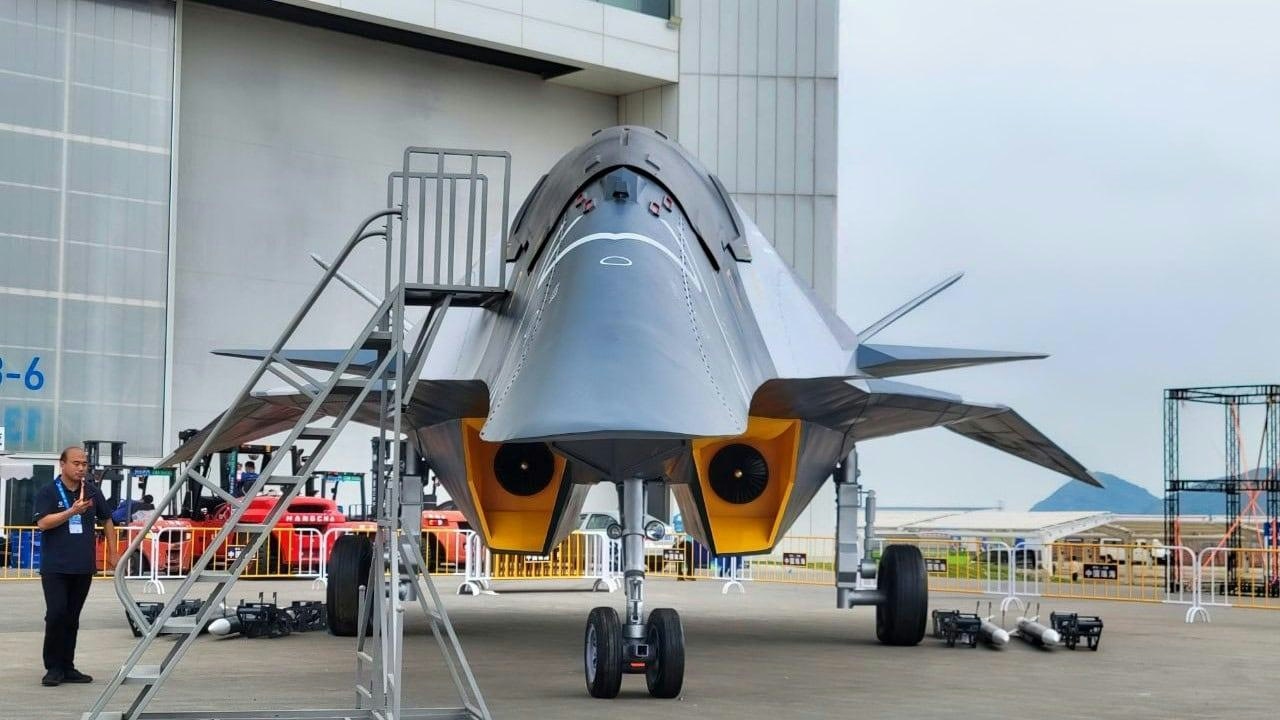
China Advances Indigenous Aircraft Engine Development
The Aero Engine Corporation of China (AECC) is progressing toward type certification for its newly developed AEP100 turboprop engine, with approval anticipated by 2027. This engine is designed to power the W5000, a twin-engine cargo drone capable of carrying a five-ton payload over a range of 2,600 kilometers. The AEP100 represents a significant milestone in China’s pursuit of technological self-reliance within the aviation sector. Upon its inaugural flight, the W5000 is expected to become the world’s largest transport drone, highlighting China’s strategic objective to reduce dependence on foreign aerospace technologies.
China’s general aviation industry currently remains far behind that of the United States, which operates over 275,000 aircraft compared to only a few thousand in China. The development of the AEP100 is therefore not merely an engineering achievement but a deliberate effort to narrow this gap and assert greater sovereignty over critical aviation technologies. The engine, developed by AE General Aviation Power Tech—a subsidiary of AECC—has entered the final stages of type certification with the Civil Aviation Administration of China. This process is advancing swiftly, aided by the AEP100’s shared core design with the AES100 turboshaft engine, which has streamlined validation procedures.
The W5000 Drone and Strategic Implications
The W5000 cargo drone, created by the Chinese startup Air White Whale, features a maximum takeoff weight of 10.8 tons and an internal cargo volume exceeding 65 cubic meters, dimensions that surpass many manned transport aircraft. Notably, the drone operates autonomously without the need for an onboard pilot. According to Yuan An, the project’s general manager, the AEP100 engine surpasses foreign competitors in terms of power, stability, and efficiency. Over the past year, the engine has undergone rigorous ground testing within W5000 prototypes, consistently meeting or exceeding performance benchmarks.
Type certification remains a critical regulatory requirement, ensuring compliance with safety, noise, and emissions standards. The W5000’s anticipated maiden flight will mark a pivotal moment not only for the drone itself but also for the AEP100 engine, positioning China at the forefront of unmanned heavy cargo aviation.
China’s push for indigenous engine development unfolds amid escalating geopolitical tensions, particularly with the United States. The Asia-Pacific region continues to be a central arena for strategic competition, and China’s advancements in aerospace technology could significantly influence global industry dynamics. U.S. manufacturers such as Boeing may encounter heightened scrutiny and potential delays in international partnerships, as Washington’s foreign policy increasingly shapes market access and supply chains. In response, global competitors are expected to accelerate their own engine development initiatives and pursue new alliances to counterbalance China’s growing capabilities.
As China approaches certification of the AEP100 and the launch of the W5000, it is not only showcasing its technological capabilities but also signaling a broader intent to alter the balance of power within the global aviation industry.
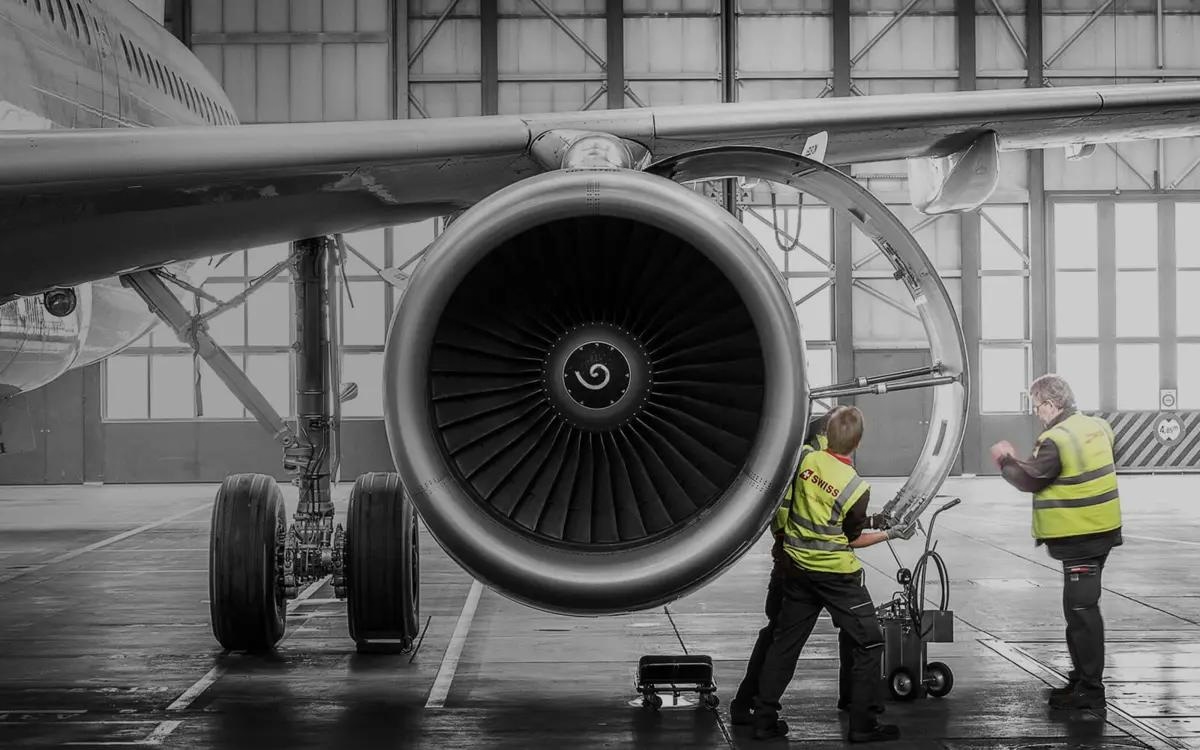
RH Aero Systems Secures Investment from Capitol Meridian Partners
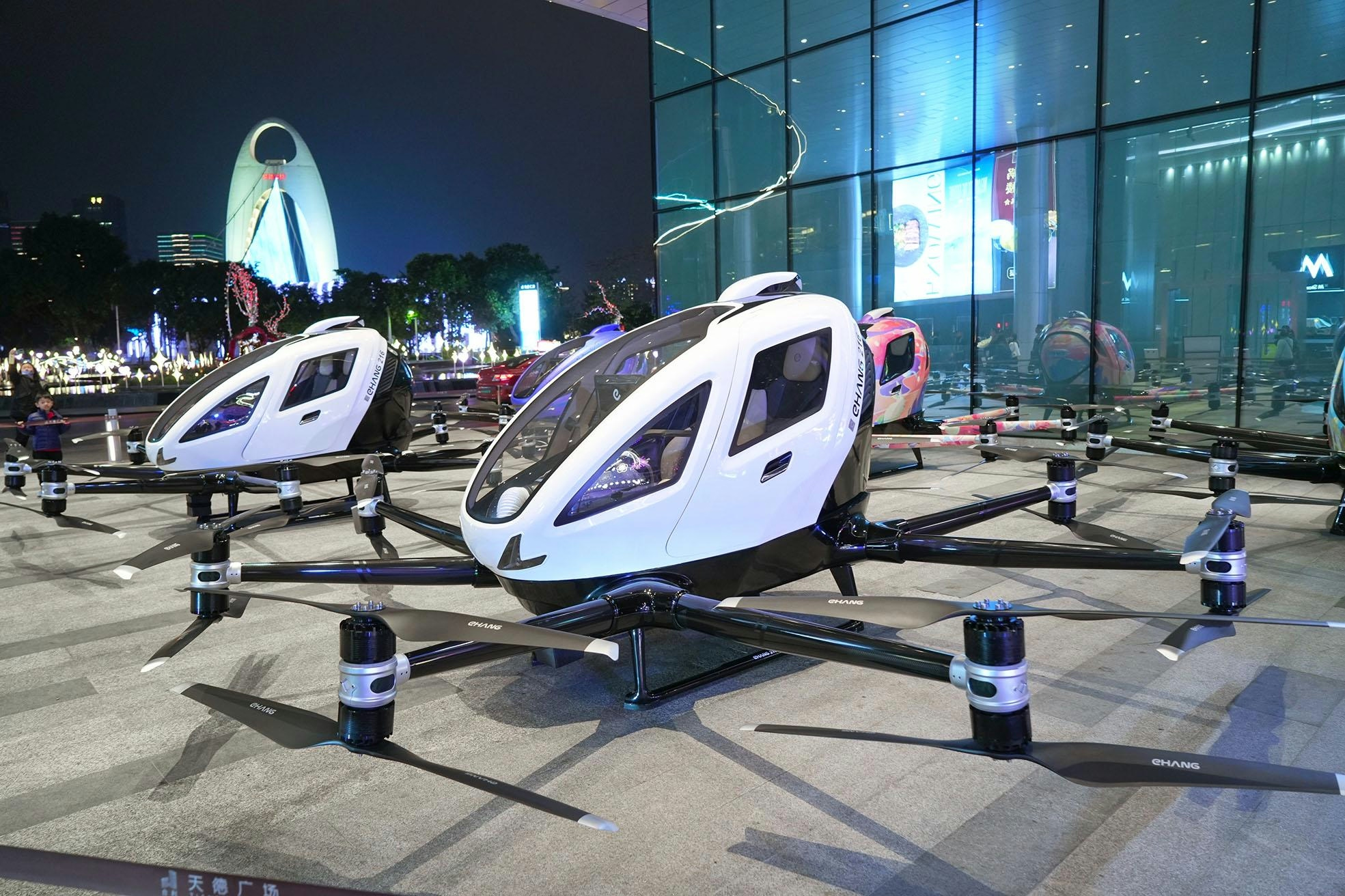
Pilotless Two-Seater Flying Taxis Begin Operations in China and Dubai, but Urban Commutes Remain Elusive

Dynamic AI Pricing May Reduce Availability of Low-Cost Airline Seats, Analysts Warn
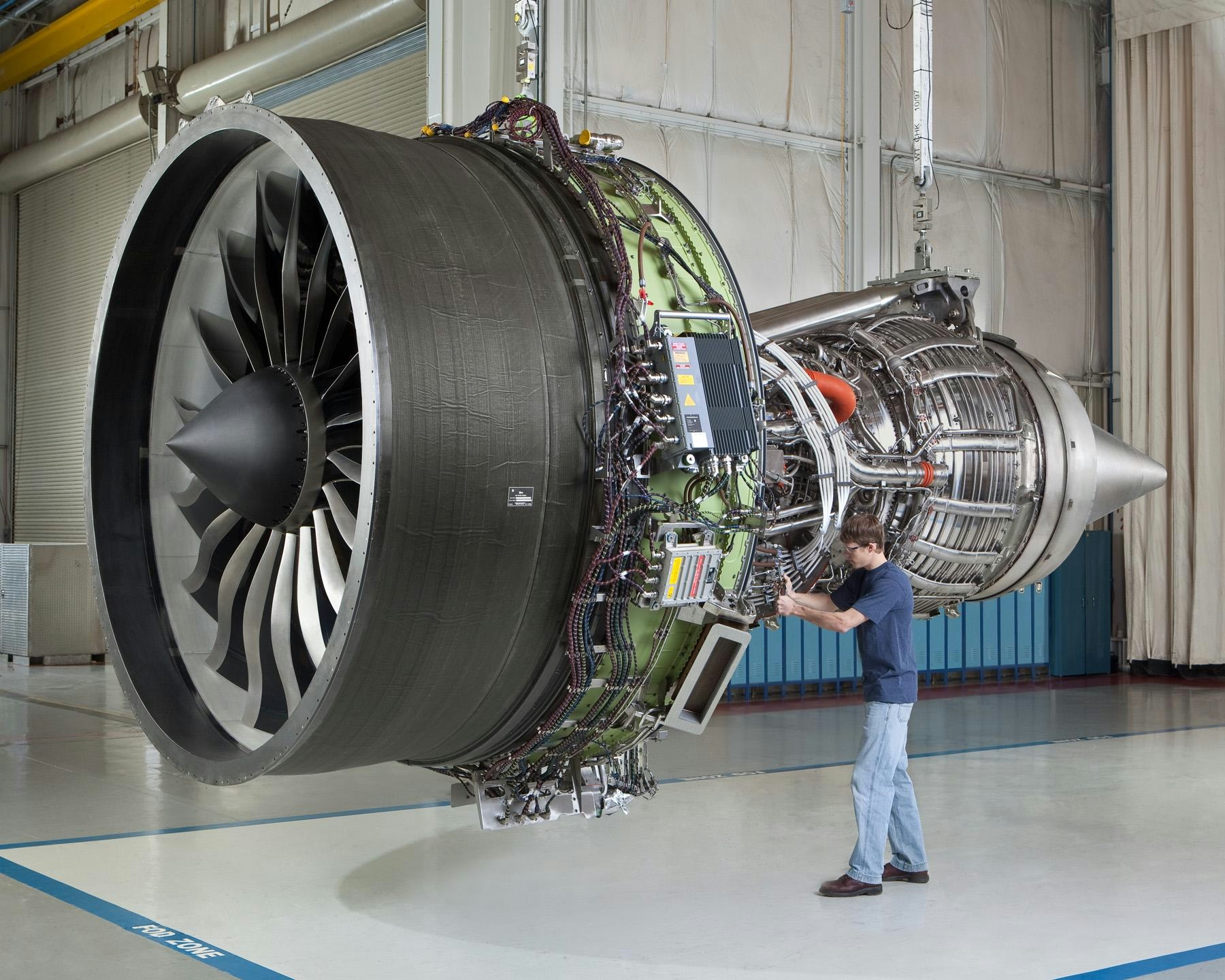
Boeing 787 GEnx-1B Engine Deliveries Aid Airline Network Growth
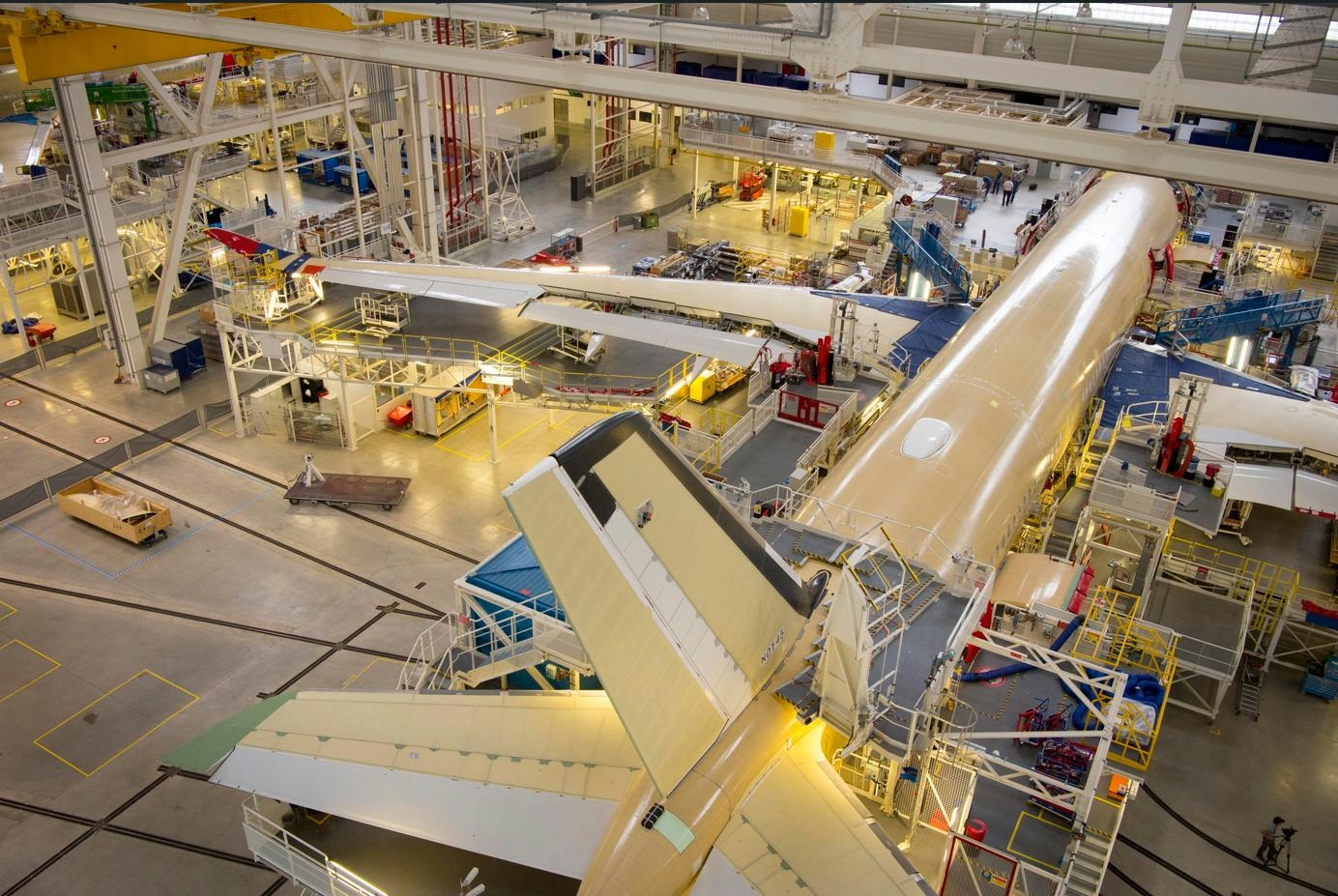
Airbus Order Backlog Surpasses 9,200 Aircraft Amid Rising Half-Year Deliveries

Airbus Reports Strong First-Half Earnings on Recovery in Aircraft Deliveries

Civil Aviation Ministry Reports No Issues with Fuel Control Switches in Air India Crash
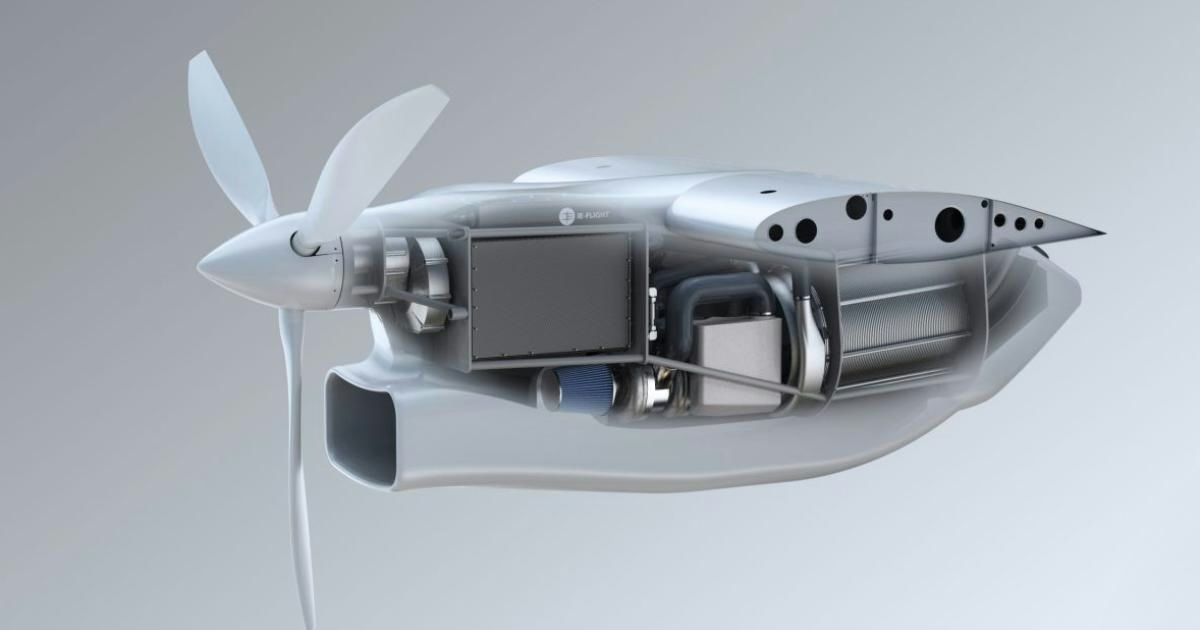
Intelligent Energy Unveils 150kW Aerospace Fuel Cell for FIA 2026
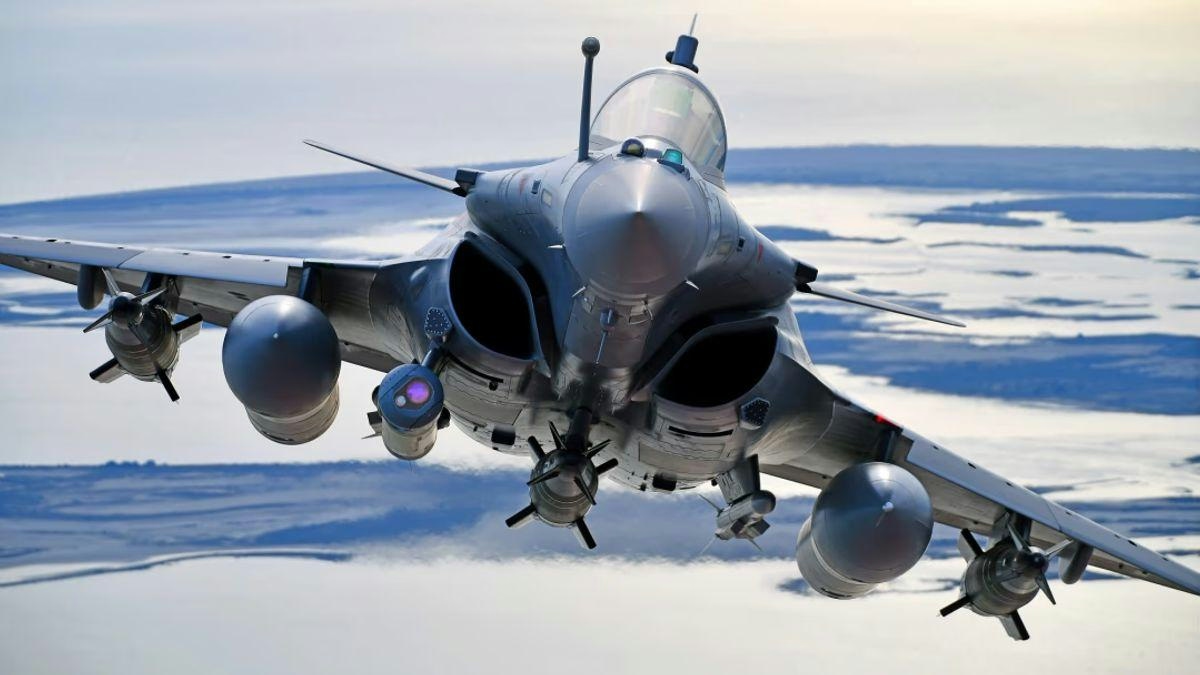
Safran Halts FCAS Engine Development to Focus on M88 T-REX for Rafale F5
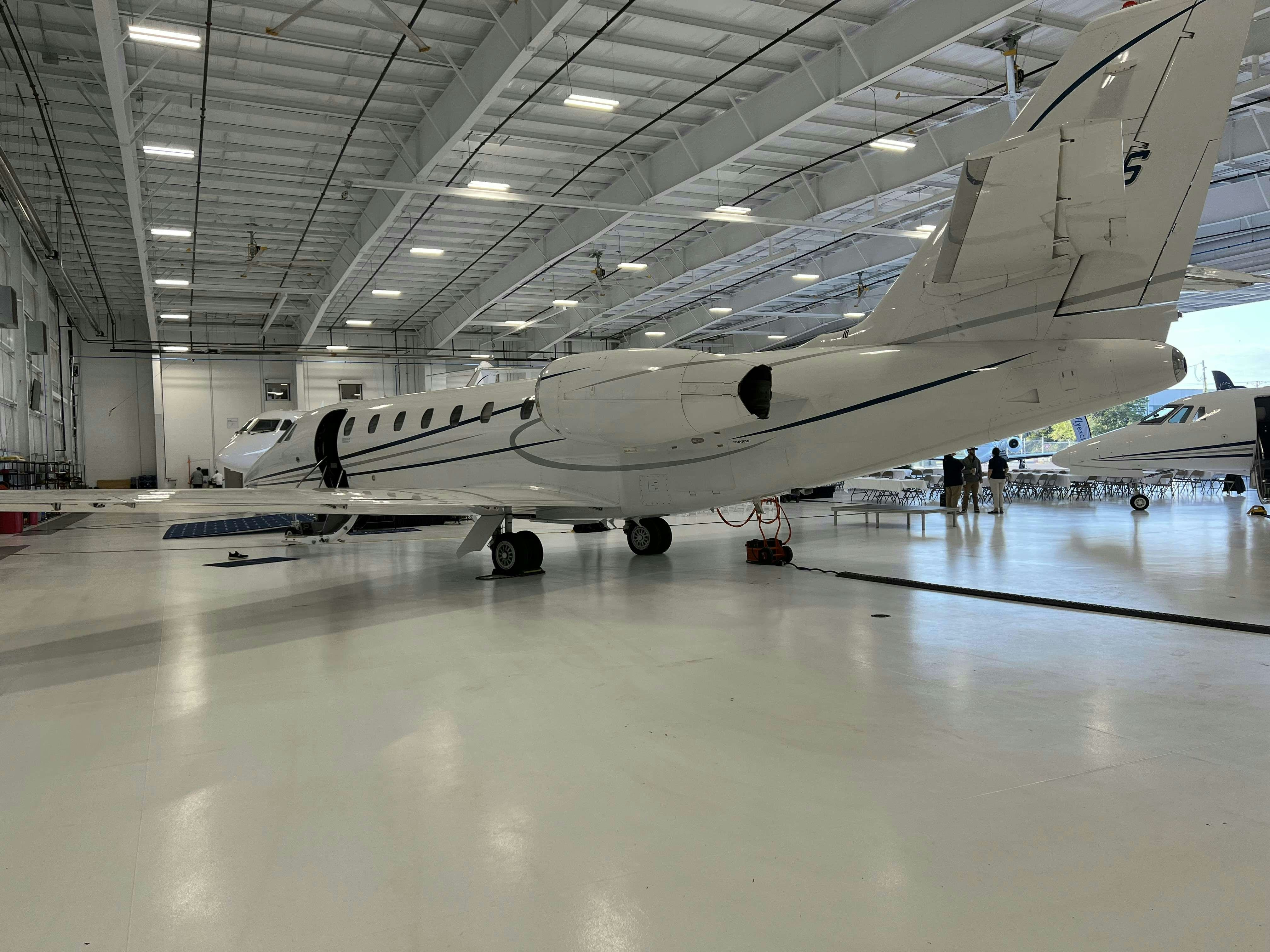
flyExclusive Receives $30 Million Investment to Expand North Carolina MRO and Pilot Training
