
Orquesta conocimientos de IA para convertirlos en acción

Tendencias
Categories
Dubai Begins Construction of DXV, the World’s First Flying Taxi Station
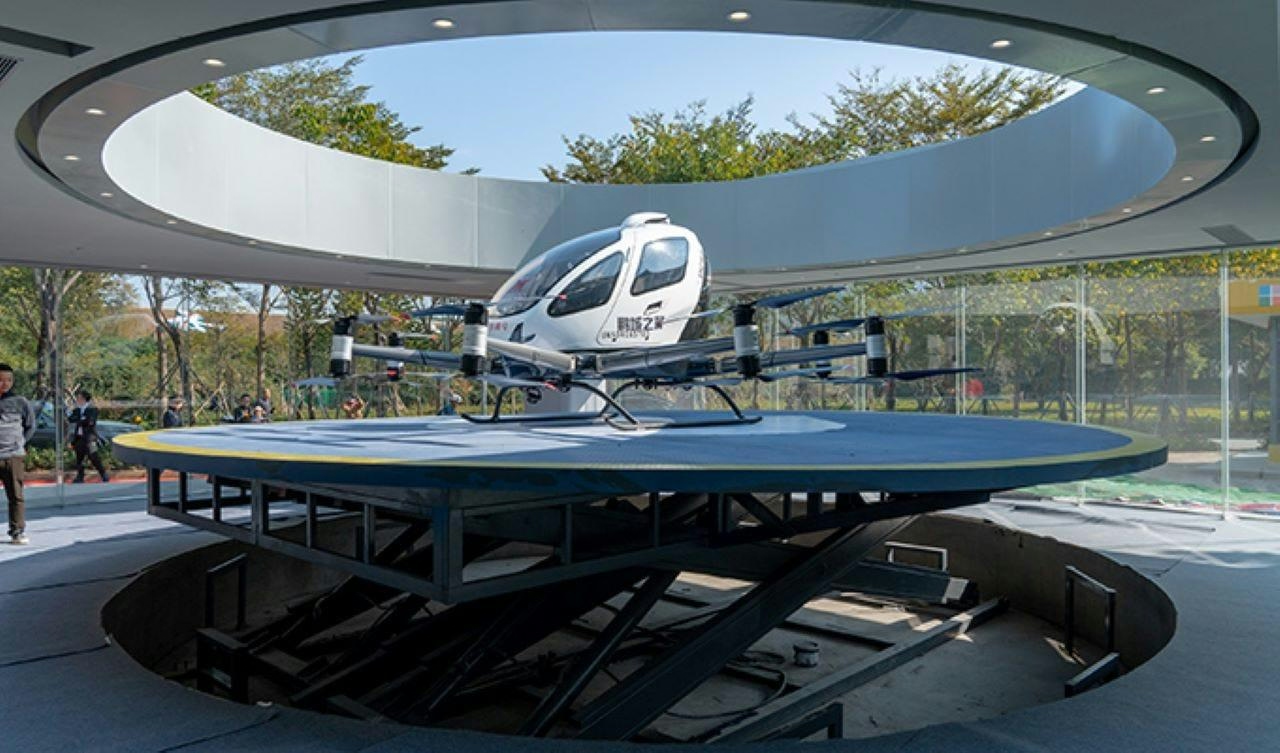
Dubai Commences Construction of DXV, the World’s First Flying Taxi Station
Dubai has officially begun construction on DXV, the world’s first dedicated flying taxi station, marking a significant milestone in urban air mobility. This ambitious project underscores the city’s commitment to pioneering advanced transportation technologies and positioning itself at the forefront of the emerging flying taxi industry.
Advanced Technology and Operational Ease
Industry experts emphasize the sophistication of the technology underpinning Dubai’s flying taxi service. Paul Griffiths, CEO of Dubai Airports, highlighted the intuitive nature of the aircraft’s control systems, noting that the advanced electronics enable near-autonomous operation. According to Griffiths, test pilots have reported that the aircraft can be mastered quickly, reflecting the high level of automation and safety integrated into the design. This ease of operation is expected to facilitate widespread adoption and streamline pilot training.
Challenges in Regulation and Integration
Despite the technological progress, the project faces considerable challenges, particularly in regulatory compliance. Authorities must develop comprehensive frameworks to safely integrate flying taxis into the city’s already complex airspace. Ensuring rigorous safety standards is critical, given that these vehicles will operate over densely populated urban areas. Furthermore, the integration of flying taxis with existing urban infrastructure—including road networks, public transit systems, and communication technologies—will require meticulous planning and innovative solutions to create a seamless transportation ecosystem.
Market Dynamics and Industry Competition
The announcement of DXV has intensified interest and investment in urban air mobility worldwide. Stakeholders anticipate a transformative shift in urban transportation, prompting competitors to accelerate the development of their own flying taxi services. This competitive environment is reflected in broader aviation technology trends, such as the expansion of U.S.-based drone manufacturer WingXpand, which is increasing smart plane production and securing new defense contracts. These developments signal growing market confidence and investment in next-generation aerial vehicles.
As Dubai advances with the DXV project, global observers will closely monitor how the city balances innovation, regulatory challenges, and infrastructure integration. The outcome of this initiative may well establish a global benchmark for the future of urban air transportation.

Etihad Airways Suspends Airbus A380 Flights on Key Route

Aditya Birla Group Seeks Approval for Aircraft Leasing in GIFT City

Qatar Airways Highlights Innovation and Connectivity at Arabian Travel Market 2026

Hong Kong's Five-Year Plan Includes Andrew Fan's Aircraft Parts Processing Hub Proposal

ACIA Aero Leasing Delivers ATR72-600 to Air Nostrum

RTX Appoints Jill Albertelli as Head of Pratt & Whitney

TAT Technologies Joins Beyond Aero Hydrogen Aircraft Program

AURAK Study Highlights Barriers to Air Taxi Adoption in Emerging Economies

Xiamen Air Selects Altitude for 787 Maintenance at Heathrow

Etihad and Swissport Extend Global Partnership
