
Orquesta conocimientos de IA para convertirlos en acción

Tendencias
Categories
Flying Taxis to Launch in Brisbane and the Gold Coast, but Costs Remain High
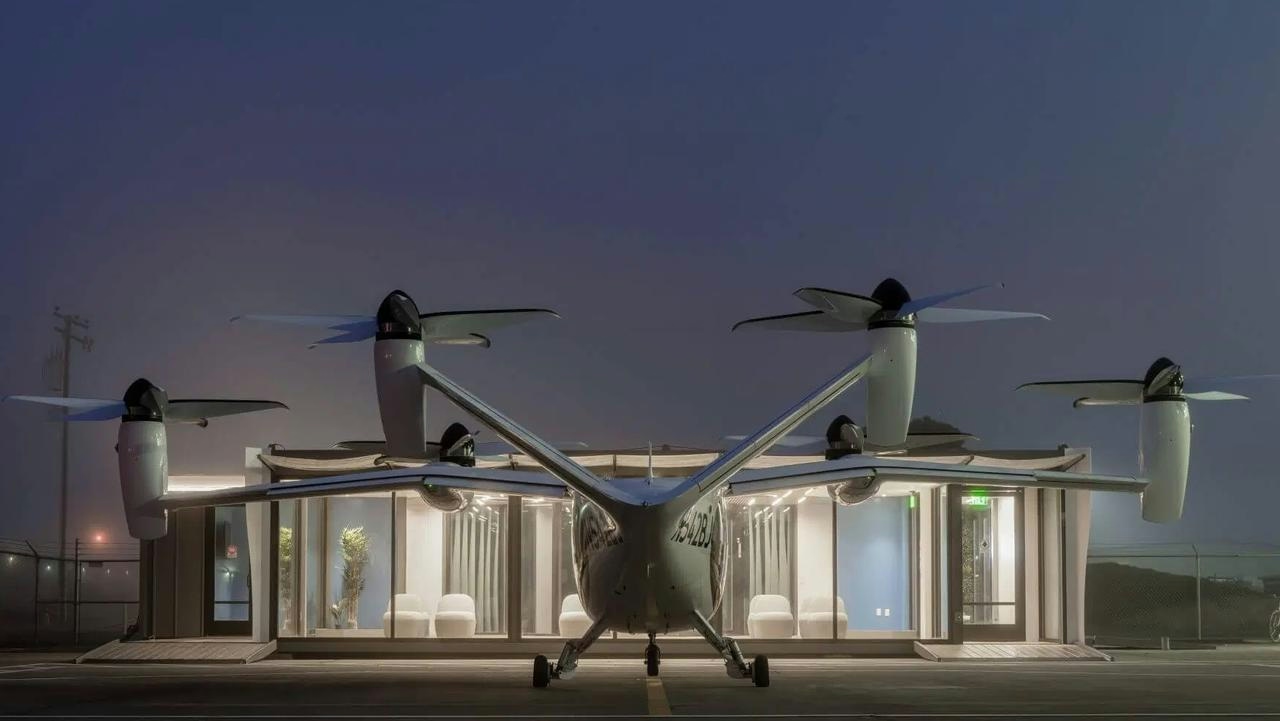
Flying Taxis to Launch in Brisbane and the Gold Coast, but Costs Remain High
Emerging Urban Air Mobility in Australia
Flying taxis, once confined to the realm of science fiction, are poised to become a tangible mode of transport in Brisbane and the Gold Coast. Following successful test flights in New York, planned commercial launches in Dubai, and pilotless electric vertical takeoff and landing vehicles (eVTOLs) already ferrying passengers in China, Australian cities are preparing to introduce their own fleets of electric air taxis. The Gold Coast has formalized an agreement with Skyports Infrastructure to develop a network of vertiports—specialized landing pads equipped with charging stations designed to support these electric aircraft. This infrastructure aims to drastically reduce travel times; for instance, the journey between Gold Coast Airport and Broadbeach, which currently takes approximately 45 minutes by road, could be completed in just five to seven minutes by air. With the 2032 Brisbane Olympics on the horizon, the prospect of rapid, high-tech transportation has garnered significant interest from policymakers and urban planners.
This initiative aligns with a global trend. Joby Aviation has demonstrated similar air taxi services connected to JFK Airport in New York, while Dubai is actively preparing vertiport locations in anticipation of commercial operations. In China, companies like EHang have secured regulatory approval for pilotless passenger flights in cities such as Guangzhou. The technology underpinning these services is advancing rapidly, and cities worldwide are competing to integrate flying taxis into their transportation networks.
Financial and Regulatory Challenges
Despite the technological readiness, the introduction of flying taxis faces considerable challenges, foremost among them being cost. Gold Coast Mayor Tom Tate has indicated that fares could be around 900 Australian dollars for a four-passenger trip, positioning the service closer to a luxury limousine experience than an affordable public transit option. Other projections liken the pricing to that of a premium ride-sharing service, but the definitive cost structure will only become clear once operations commence.
These elevated prices are not unique to Australia. Joby Aviation’s New York operations have underscored the substantial expenses involved, including aircraft certification, the construction of charging infrastructure, and the navigation of complex regulatory frameworks. Public acceptance also remains uncertain, as communities weigh the advantages of faster travel against concerns related to noise pollution, safety, and equitable access.
The broader aviation market is also under strain. Airlines are contending with rising fuel costs, exacerbated by geopolitical tensions such as the conflict involving Iran, and are closely monitoring the financial viability of air taxi operators facing similar economic pressures. These factors raise questions about the sustainability of flying taxis as a widespread transportation solution, particularly if operational costs continue to drive fares beyond the reach of most consumers.
The Road Ahead for Flying Taxis
The vision of quiet, electric taxis traversing urban skylines is undeniably compelling. However, the critical challenge lies in transforming this futuristic concept into a practical service accessible to everyday commuters rather than an exclusive amenity for a privileged few. Regulatory complexities, infrastructure requirements, and uncertain market demand all present significant obstacles to widespread adoption.
For now, Brisbane and the Gold Coast are embracing innovation with cautious optimism. Yet, unless costs decrease and public confidence strengthens, flying taxis may remain a striking technological spectacle—visible on the horizon but largely inaccessible to the general population.
Ryanair and Alaska Airlines Apply AI to Operational Decision-Making

Digital Payments, AI, and Aviation Strengthen Philippines-India Relations
PlaneSense Suspends PC-12 Jet Card Sales
How AI Could Transform Bird-Strike Prevention for Business Aviation
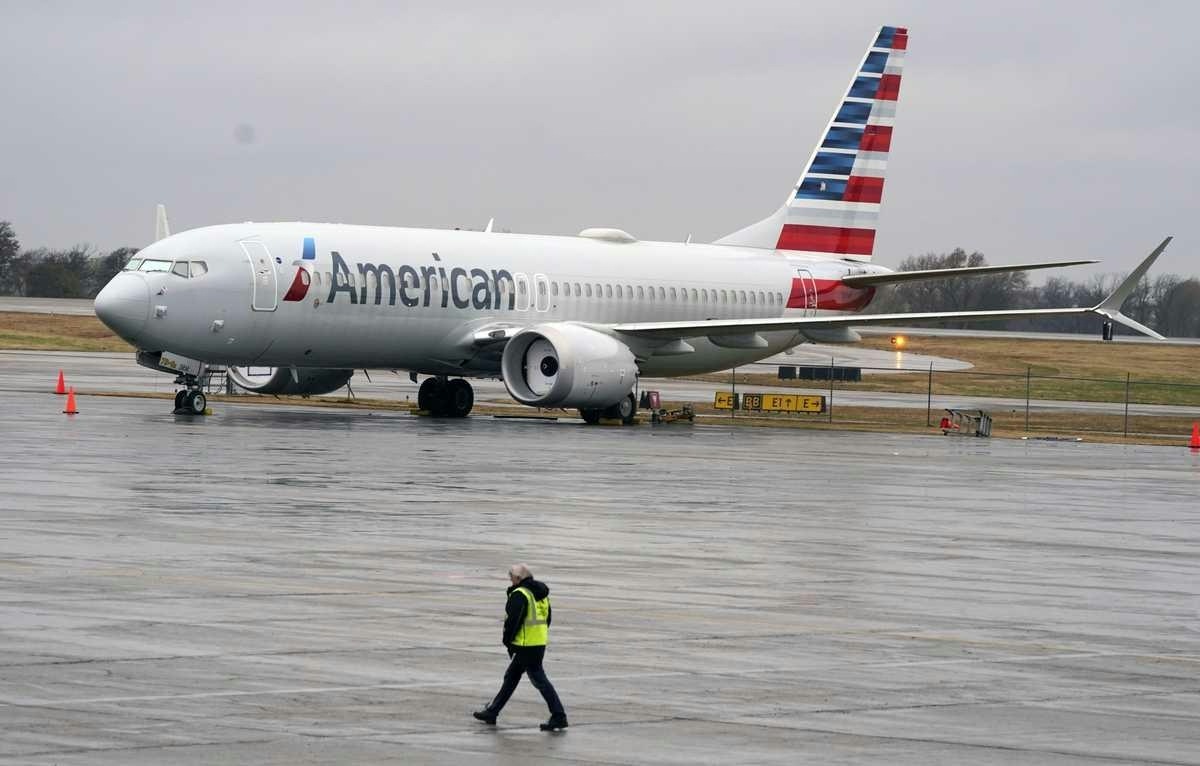
American Airlines and Boeing Complete First 737 MAX Landing Gear Swap

Vietjet and Thales sign major MRO and AI deals in Paris
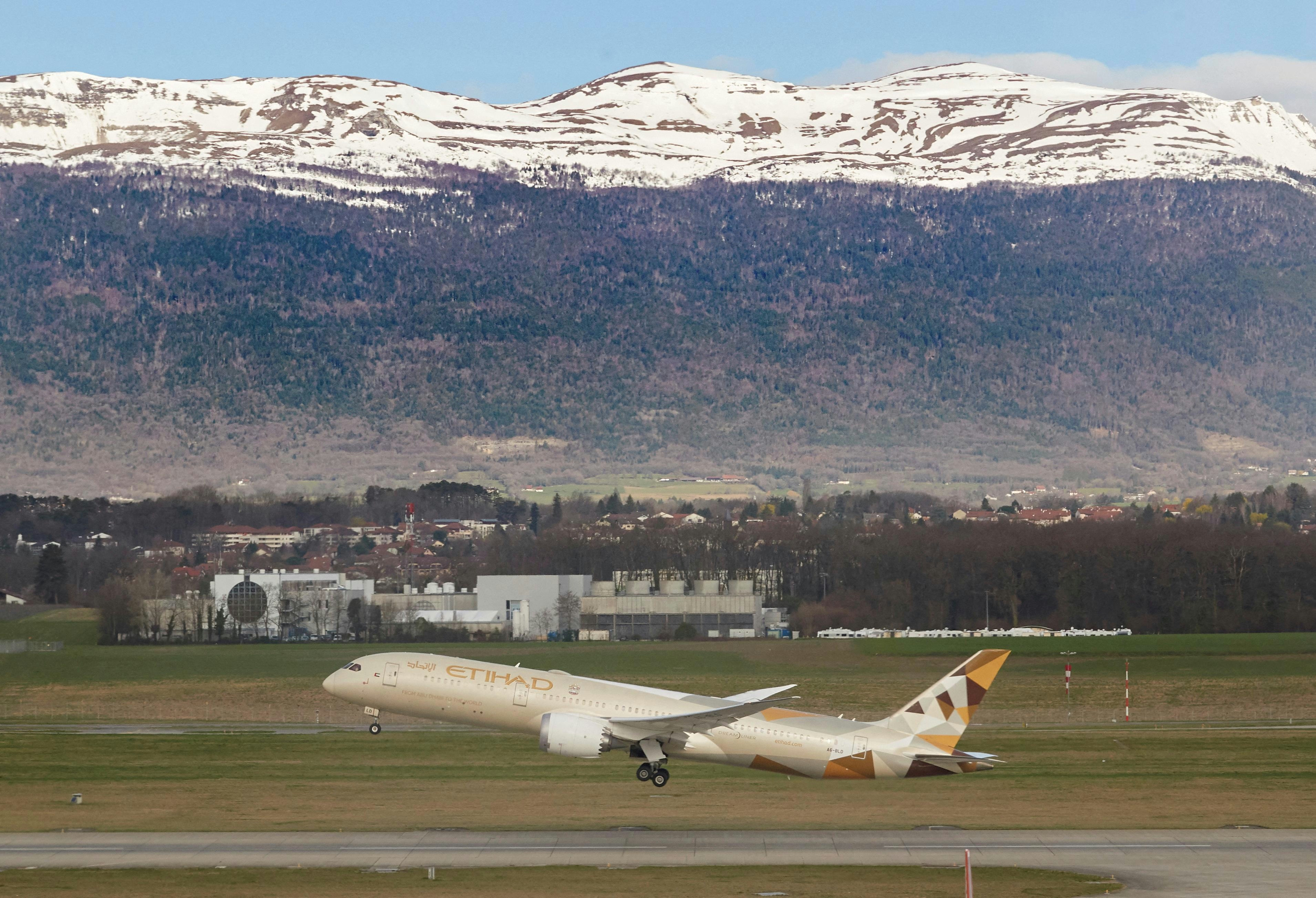
Etihad CEO Cites Aircraft Capacity as Limiting Factor Amid Growth in China and Africa
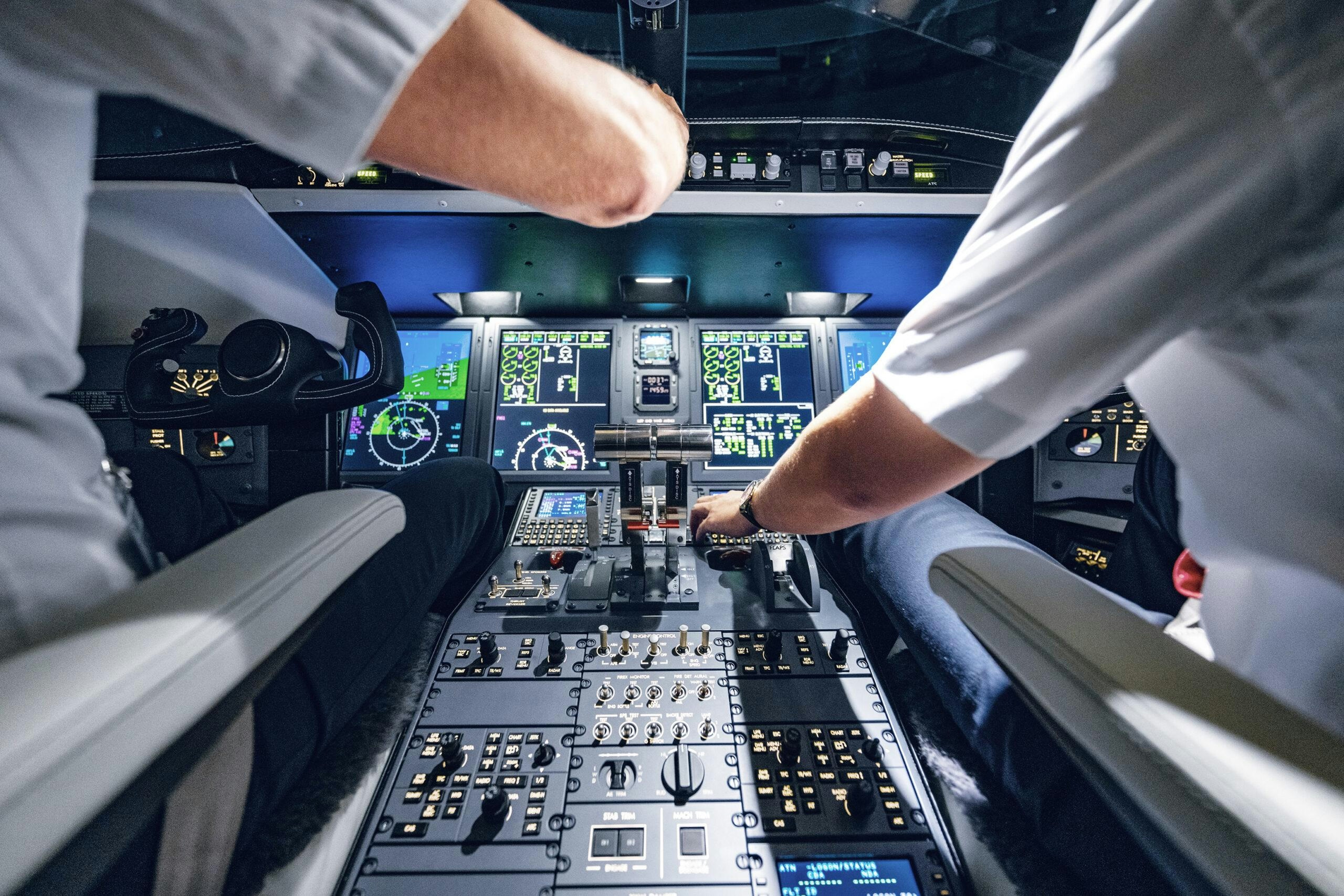
Artificial Intelligence Enters the Cockpit

How Southwest Airlines is using technology, data and AI to strengthen CX while keeping the human touch
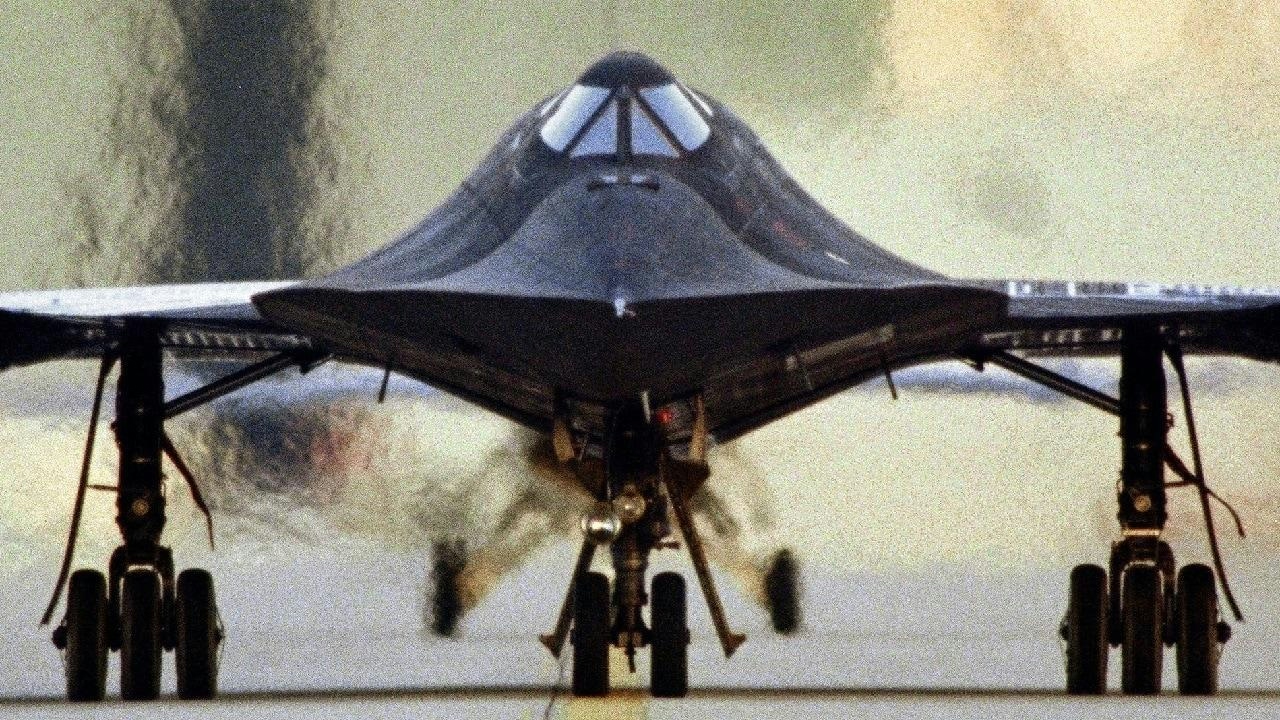
The SR-71 Blackbird Reached Mach 3.5 and 85,000 Feet Using Advanced Materials and Engines
