
Orquesta conocimientos de IA para convertirlos en acción

Tendencias
Categories
How Flawed Models and Overlooked Technology Contributed to an Airline’s Bankruptcy
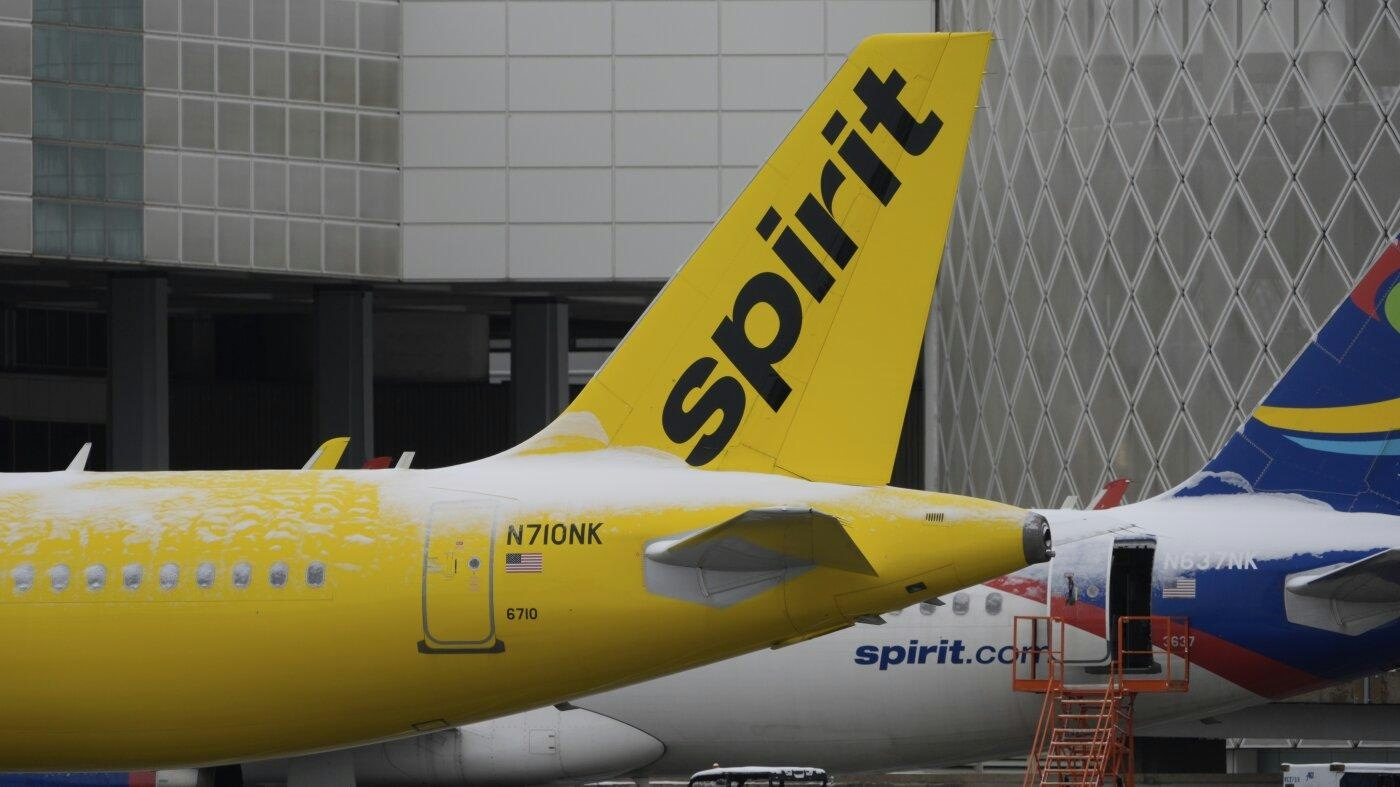
How Flawed Models and Overlooked Technology Contributed to an Airline’s Bankruptcy
The aviation industry currently finds itself in a paradoxical state. Despite soaring demand for air travel, rapid technological advancements, and readily available capital, airlines are collapsing at an unprecedented rate. The recent bankruptcy of Spirit Airlines is emblematic of a broader crisis, serving as a cautionary signal for the entire sector.
Governance Failures and Operational Risks
Industry experts emphasize that airline bankruptcies are rarely the result of isolated financial setbacks. Rather, they stem from deeper governance failures, where leadership fails to identify and address emerging risks. These risks often remain concealed within outdated data models and neglected technological systems. The inability to adapt to evolving operational demands and technological landscapes leaves carriers vulnerable to cascading failures.
This vulnerability was starkly illustrated by Delta Air Lines’ operational meltdown in 2024. The disruption affected 1.3 million passengers and inflicted a financial loss estimated at $500 million. Although a federal investigation into the incident concluded without penalties, the episode exposed the fragility of even the largest airlines’ technological infrastructure. It underscored the immense operational and financial consequences that can arise from system breakdowns.
Industry Response Amid Technological and Financial Challenges
In the wake of such incidents, many airlines have begun reassessing their technological frameworks. There is a growing emphasis on scrutinizing data models and investing in system upgrades to mitigate the risk of similar disruptions. However, this technological pivot occurs amid broader challenges within the tech sector, particularly concerning artificial intelligence. The high costs associated with implementing advanced technologies, coupled with uncertain returns on investment, have prompted a reevaluation of large-scale tech expenditures.
Rising financing costs and difficulties in justifying expansion have become recurring themes across the industry. For airlines, the imperative is clear: robust technology and accurate data models are no longer optional but essential for operational resilience and investor confidence. The Spirit Airlines bankruptcy serves as a stark reminder that the most significant risks in aviation often originate not from external factors in the skies, but from internal systems and strategic decisions on the ground.

Etihad and Swissport Extend Global Partnership

Sepehran Airlines B737 Returns to Mashhad After Tyre and Engine Issues

Etihad Deploys Widebody Fleet to Meet Strong Demand

Korean Air Finalizes $36.2 Billion Deal with Boeing
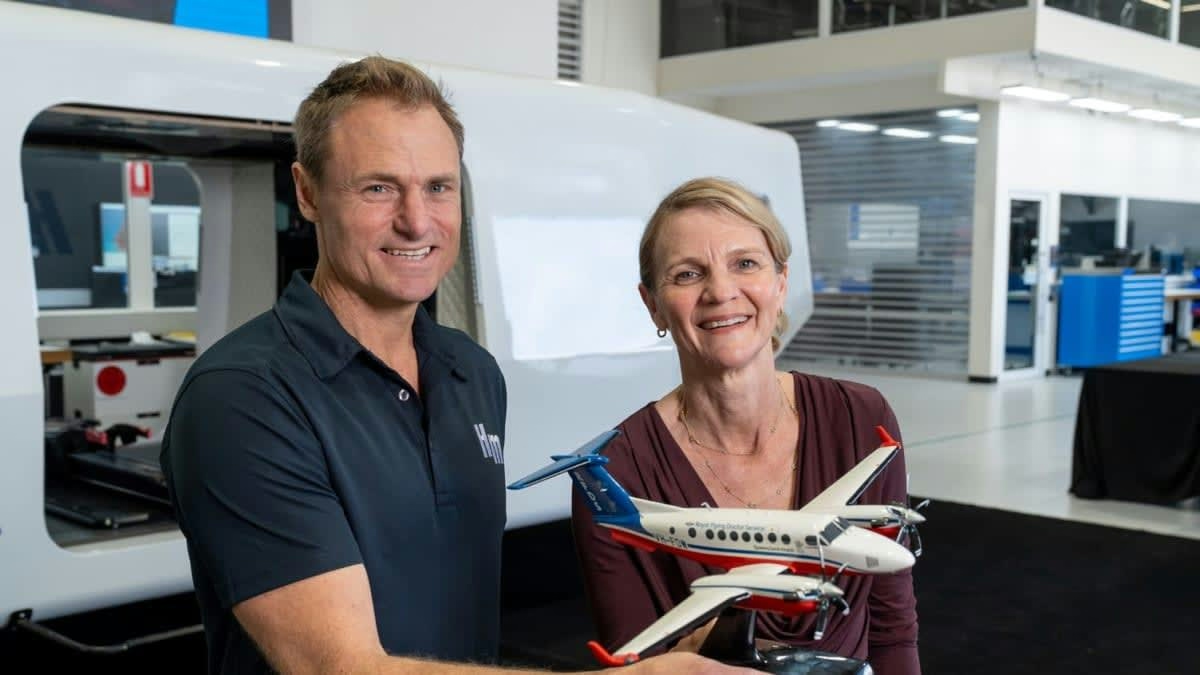
Australia’s RFDS Queensland Section Orders Six King Air 260Cs

Korean Air Finalizes Order for 103 Boeing Jets and Engines
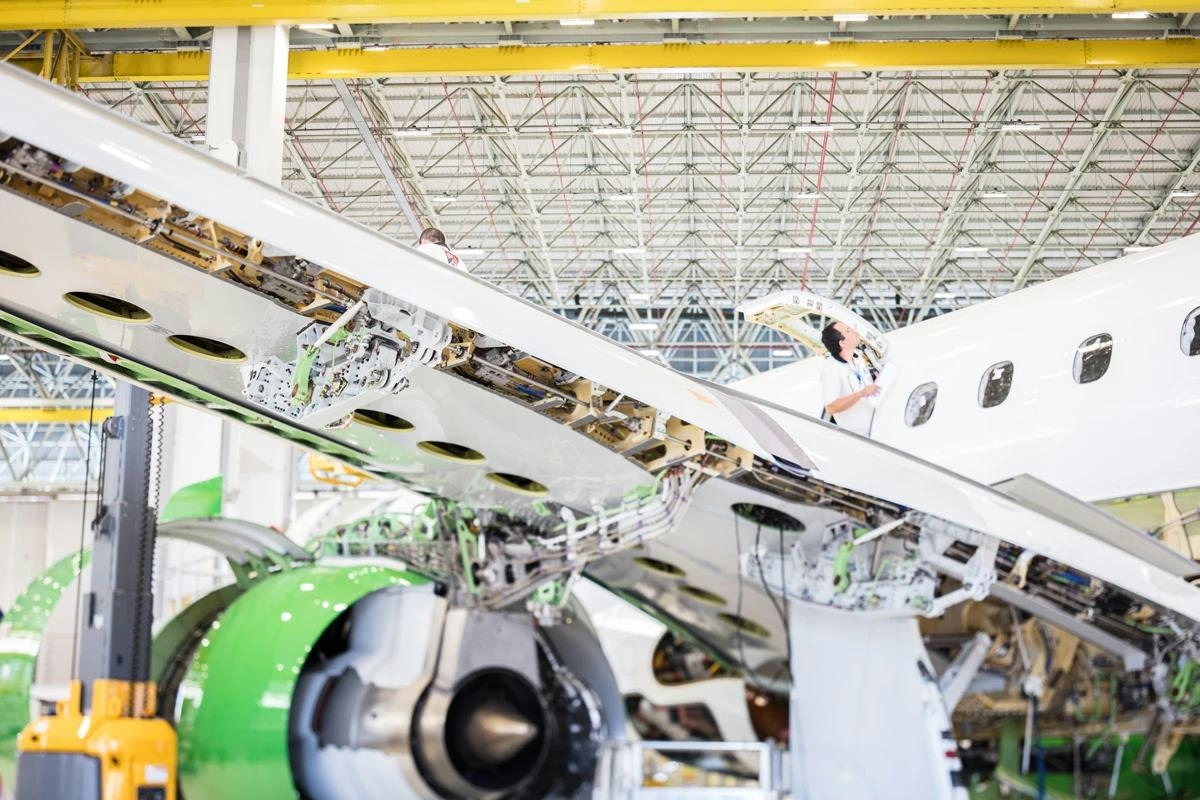
Embraer E195-E2 Features Distinctive Engine Placement Among Regional Jets

What Passengers Can Expect on Boeing’s New 777X Jet
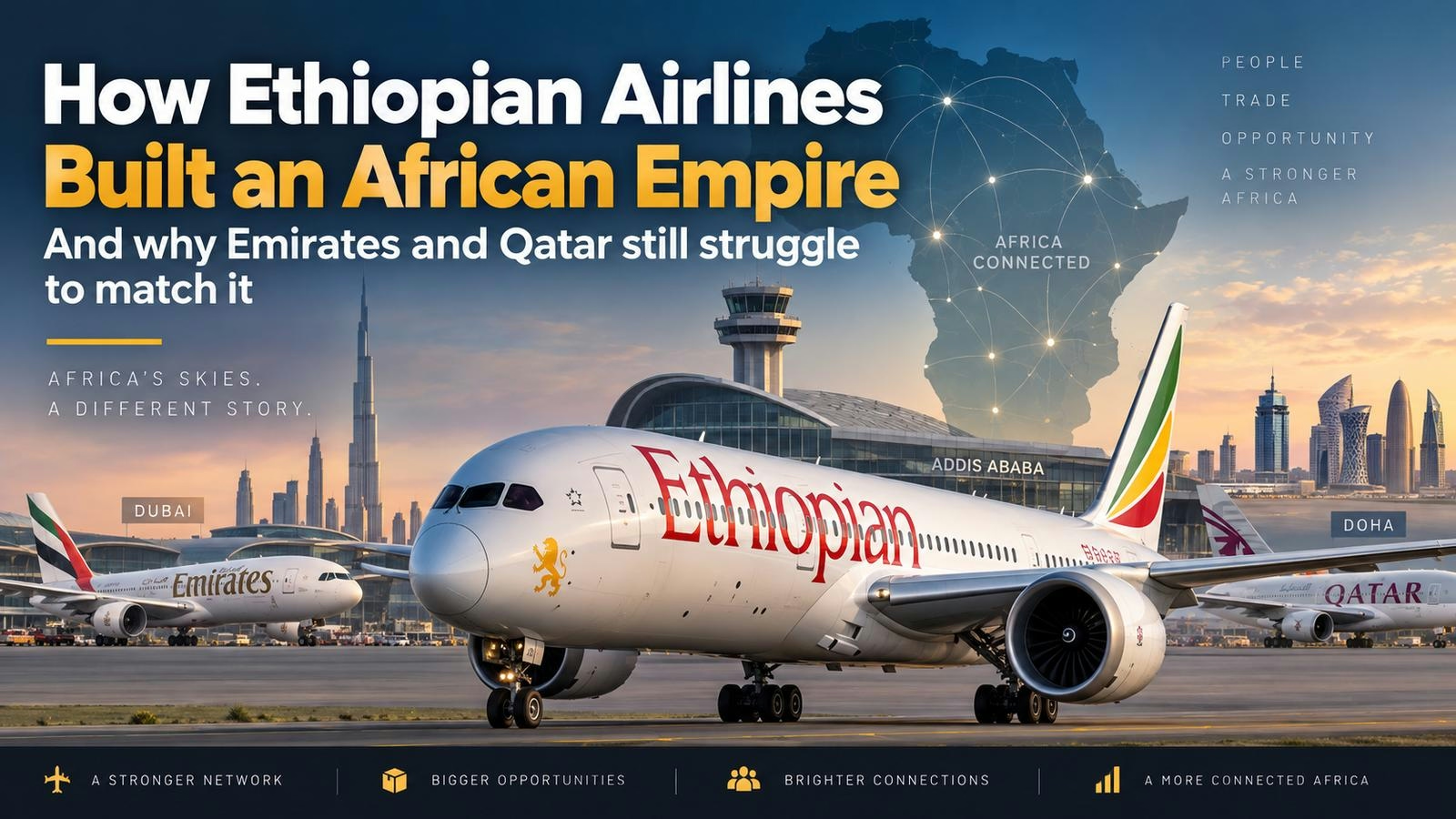
How Ethiopian Airlines Became Africa’s Leading Carrier Amid Gulf Competition

Joby Aviation Extends Autonomous Flight Capabilities with Cross-Country Tour
