
Orquesta conocimientos de IA para convertirlos en acción

Tendencias
Categories
How severe is the aircraft shortage—and what happens next?
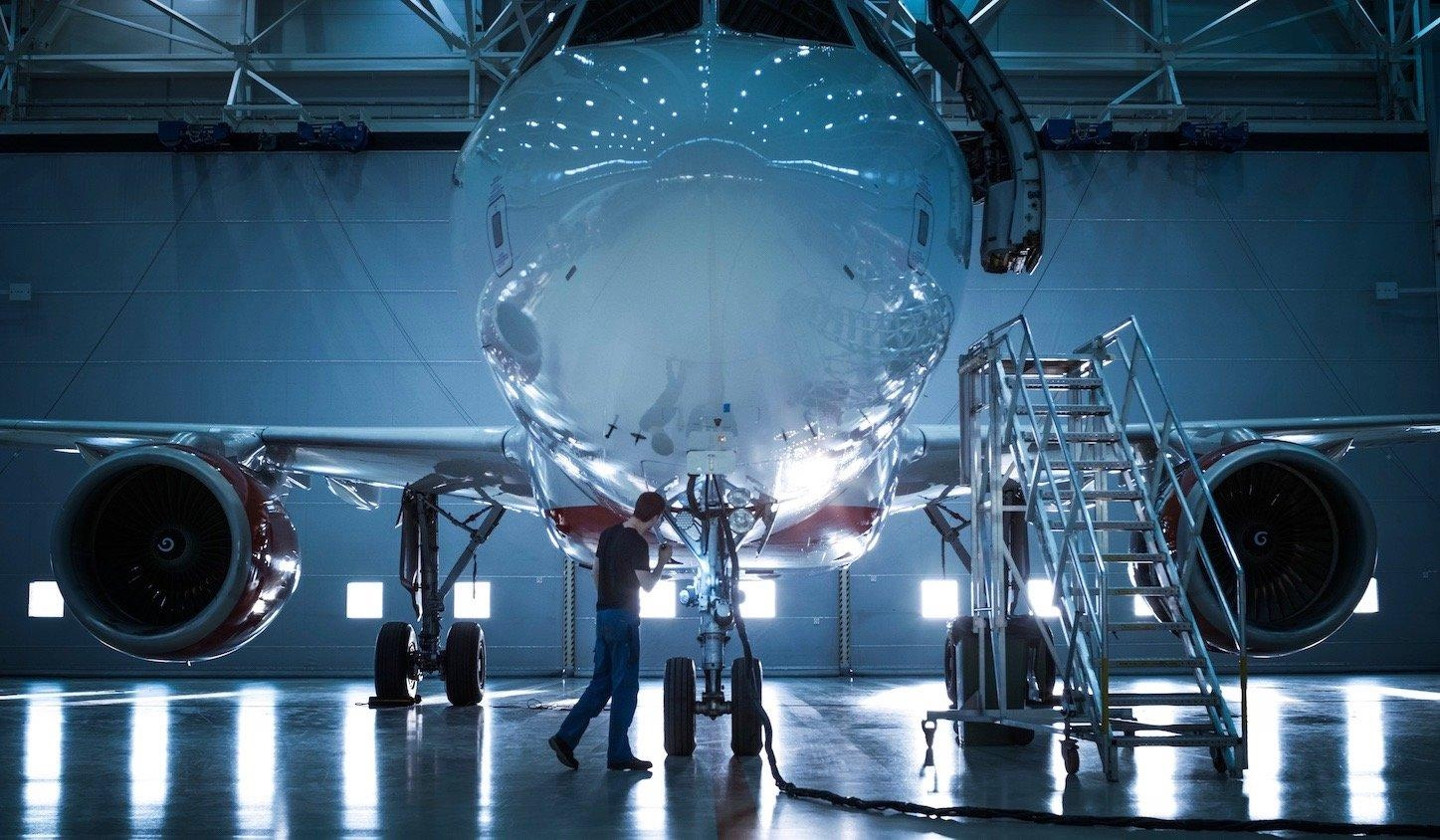
How Severe Is the Aircraft Shortage—and What Happens Next?
The aviation industry is currently confronting a significant imbalance between rapidly increasing air travel demand and its capacity to supply new aircraft. As passenger numbers recover from the pandemic downturn and continue to rise, airlines and manufacturers face prolonged delivery timelines for new planes alongside extended maintenance periods for existing fleets. This shortage of aircraft is generating widespread effects throughout the aviation value chain, prompting urgent inquiries into the scale of the problem, its future trajectory, and potential remedies.
Demand Outpaces Supply
Since the onset of the COVID-19 pandemic, commercial air travel demand, measured in revenue passenger kilometers (RPKs), has surged dramatically. Between 2023 and 2024 alone, demand grew by 10.4%, with projections indicating an annual increase of 4.2% through 2030. Despite this robust growth, the supply of new aircraft has failed to keep pace. The production of aircraft is an intricate and time-intensive process, hindered by ongoing shortages of skilled labor, raw materials, and essential components such as semiconductors and forgings. These challenges, exacerbated by pandemic-related disruptions, have resulted in significant delays in both the delivery of new aircraft and the maintenance of existing fleets.
Compounding these difficulties is the fragility of global supply chains. Aircraft manufacturing relies heavily on international collaboration, with critical parts like engines, avionics, and landing gear sourced from multiple countries. Geopolitical tensions, trade disputes, and tariffs—particularly those impacting North America—pose additional risks to the stability of these supply chains. The Association of Asia Pacific Airlines (AAPA) has called for urgent intervention from governments and suppliers to address these vulnerabilities, warning that unresolved supply chain issues could jeopardize the sector’s sustainability objectives.
Assessing the Shortage
The scale of the aircraft shortage is considerable. Between 2019 and 2024, approximately 7,000 aircraft were delivered, a figure substantially below the pre-pandemic forecast of around 12,000. This represents a shortfall of roughly 5,000 aircraft. However, the full impact is complex. Some industry experts suggest that the shortage may not be as severe as initially feared, as airlines have adapted by extending the operational lifespan of their current fleets and optimizing their use.
Nonetheless, the shortage is exerting upward pressure on costs for airlines, which are already contending with economic instability and inflationary pressures. Seasonal fluctuations have led to negative operating margins for certain carriers, including Ryanair, although strong summer bookings combined with limited aircraft availability provide a cautiously optimistic outlook. In parallel, defense manufacturers such as Northrop Grumman are advocating for increased production of military aircraft like the B-21, aiming to address both commercial and defense sector demands amid inflation and evolving production dynamics.
What Happens Next?
Looking forward, the aviation industry faces several potential scenarios. Should supply chain disruptions persist alongside rising demand, airlines may encounter difficulties in expanding capacity, potentially resulting in higher fares and constrained growth. Conversely, coordinated efforts among governments, suppliers, and manufacturers could help stabilize supply chains and expedite aircraft deliveries.
To mitigate these risks, industry stakeholders are encouraged to invest in workforce development, diversify their supplier networks, and enhance cross-border collaboration. Addressing these challenges is essential not only to meet growing passenger demand but also to advance sustainability goals and ensure the long-term viability of the aviation sector.

Adobe Warns AI-Driven Trip Planning Challenges Travel Sites

The Global Parts Shortage
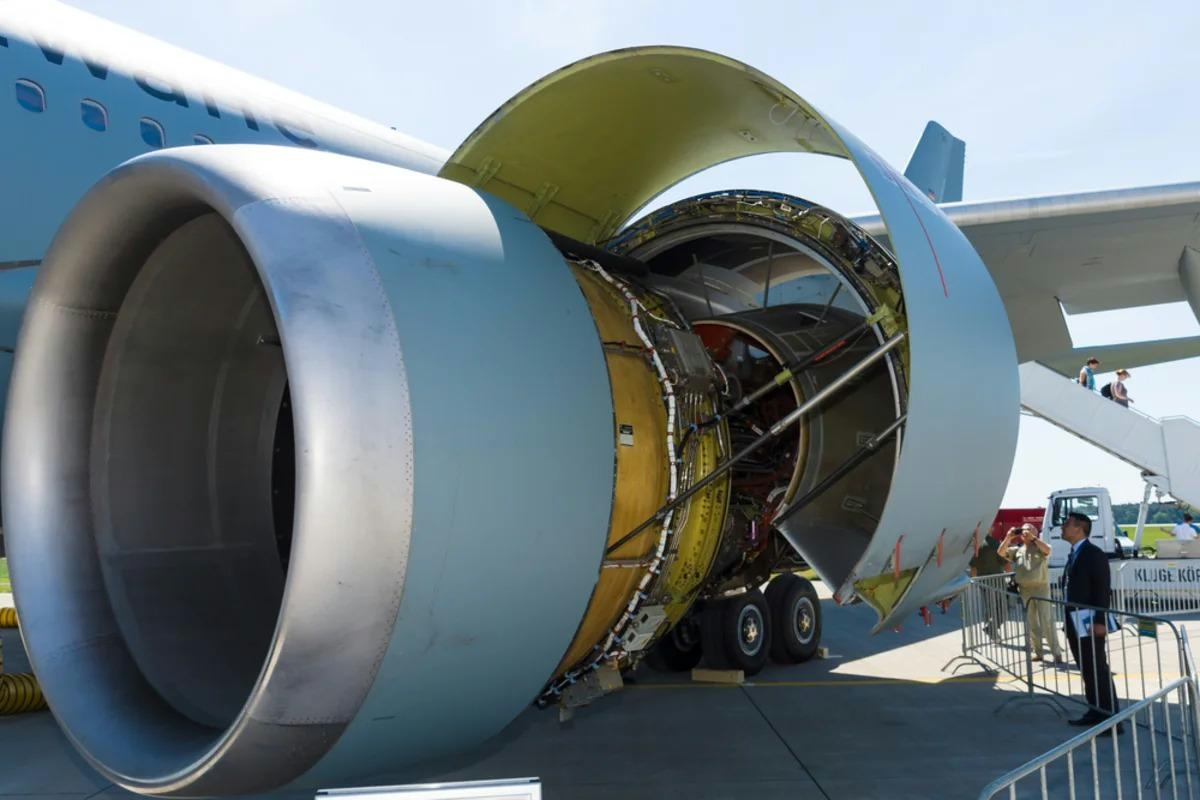
GE Aerospace's Robust Capital Position Fuels Higher Shareholder Returns
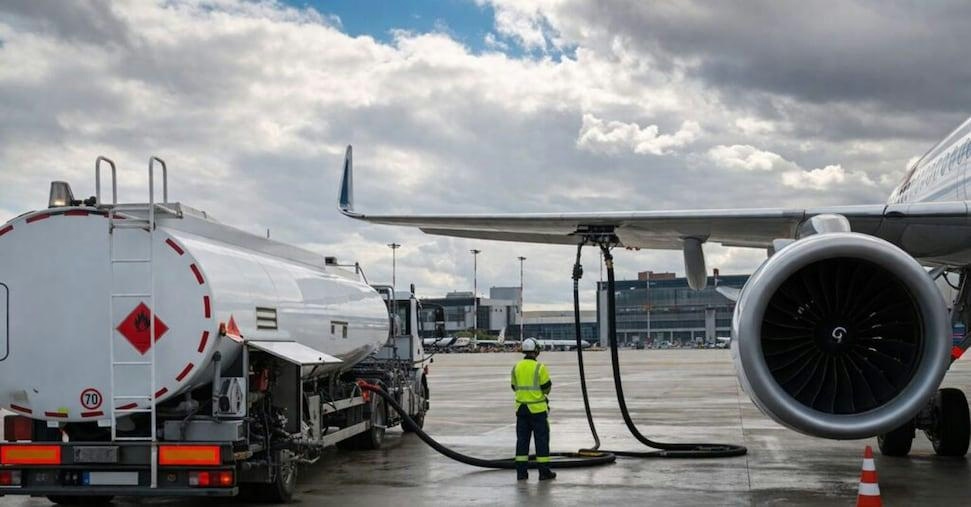
AI Advances Support Sustainable Aviation and Efficient Flight Paths

Airbus Faces Freighter Deadline Amid Weak Order Growth and Stagnant Shares

Integrated CNS System for Low-Altitude Aircraft

Chinese Robots Debut in Aviation and Military Roles at WRC 2026
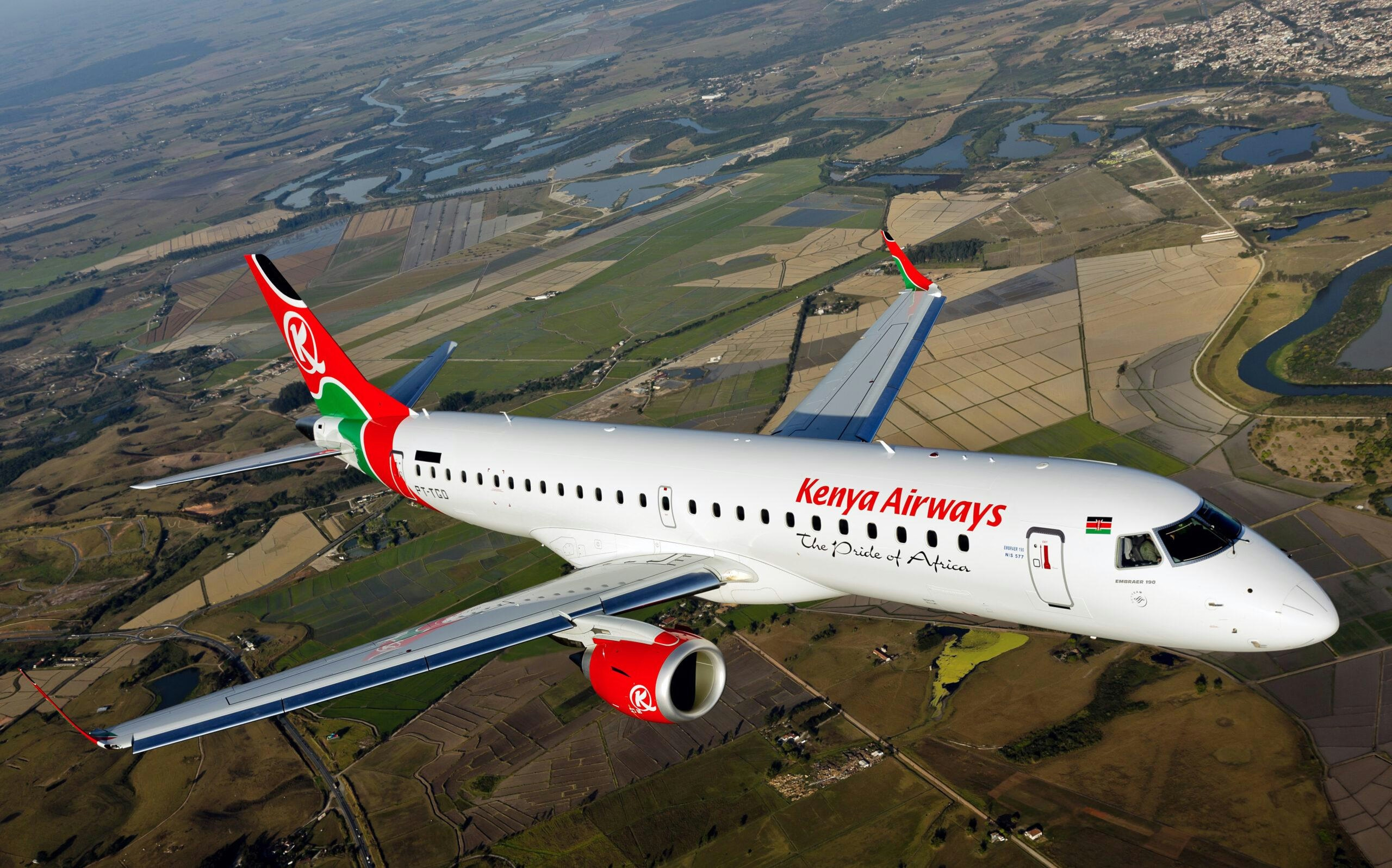
Kenya Airways Aims to Resume Operations of Grounded Fleet by Early 2027
Avora Aviation Completes A320 Sale-Leaseback Agreement with FTAI
StandardAero Expands Bombardier Global MRO Services at Van Nuys Facility
