
Orquesta conocimientos de IA para convertirlos en acción

Tendencias
Categories
Icelandair Adds A320neo Aircraft Through Aircastle Agreement
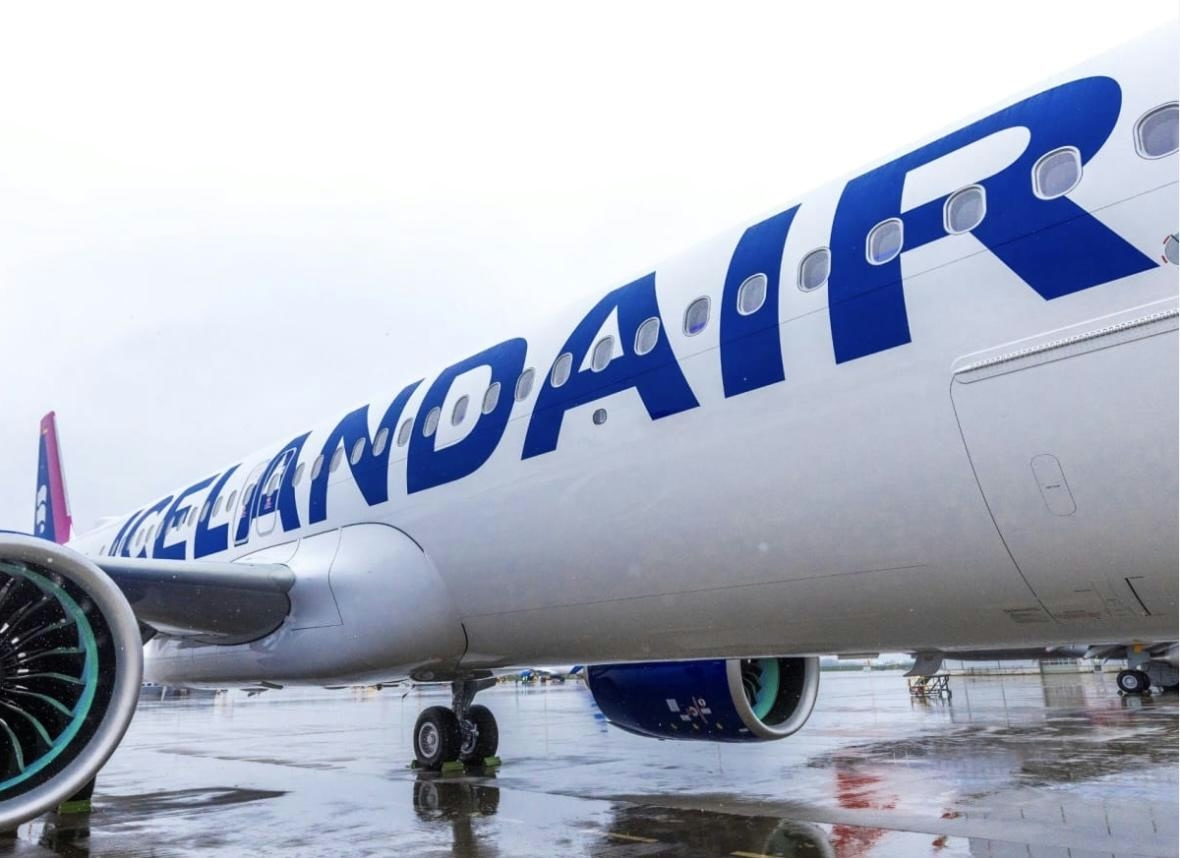
Icelandair Expands Fleet with Six Airbus A320neo Aircraft Through Aircastle Lease
Icelandair has entered into an agreement to lease six Airbus A320neo aircraft from Aircastle, marking a pivotal advancement in the airline’s ongoing fleet renewal programme. These Pratt & Whitney-powered jets, manufactured between 2018 and 2020, are slated to enter service before the summer of 2028, reinforcing Icelandair’s commitment to modernizing its fleet with more fuel-efficient aircraft.
Strategic Fleet Renewal and Expansion
This latest lease agreement follows Icelandair’s recent arrangement to acquire four A320neo aircraft from AviLease, expected to join the fleet in spring 2027. Alongside the arrival of three Airbus A321LRs later this year, these additions will increase Icelandair’s Airbus fleet to a total of 20 aircraft. The expanded Airbus presence is central to the airline’s strategy to phase out its older Boeing 757 and 767 models, replacing them with newer-generation aircraft that offer significant improvements in fuel efficiency and operational performance.
Icelandair plans to retire its 757 and 767 passenger operations by January 2027. The transition to the Airbus A320neo family is projected to reduce fuel consumption by up to 30% per seat, a critical factor in supporting both network growth and fleet simplification. This shift aligns with broader industry trends prioritizing sustainability and cost efficiency.
Operational Challenges and Market Implications
Despite the clear benefits, Icelandair faces potential challenges in executing its fleet renewal strategy. Persistent supply chain disruptions and shortages of airport personnel may affect the timely integration of new aircraft and overall operational efficiency. These industry-wide constraints could necessitate adjustments to rollout schedules and workforce management to ensure service reliability.
The airline’s fleet expansion is also attracting close scrutiny within the competitive transatlantic market. The introduction of more efficient aircraft by Icelandair may intensify pressure on rival carriers to upgrade their fleets or modify operational strategies to maintain market share. This dynamic underscores the strategic importance of Icelandair’s investment in modern aircraft as it seeks to strengthen its position in a rapidly evolving aviation landscape.
Through these new leases, Icelandair demonstrates a clear focus on enhancing operational efficiency, sustainability, and customer experience, positioning itself to capitalize on future growth opportunities despite the challenges ahead.

Etihad and Swissport Extend Global Partnership

Sepehran Airlines B737 Returns to Mashhad After Tyre and Engine Issues

Etihad Deploys Widebody Fleet to Meet Strong Demand

Korean Air Finalizes $36.2 Billion Deal with Boeing

Australia’s RFDS Queensland Section Orders Six King Air 260Cs

Korean Air Finalizes Order for 103 Boeing Jets and Engines

Embraer E195-E2 Features Distinctive Engine Placement Among Regional Jets

What Passengers Can Expect on Boeing’s New 777X Jet

How Ethiopian Airlines Became Africa’s Leading Carrier Amid Gulf Competition

Joby Aviation Extends Autonomous Flight Capabilities with Cross-Country Tour
