
Orquesta conocimientos de IA para convertirlos en acción

Tendencias
Categories
Is SAS Planning to Acquire 40 A330neos?
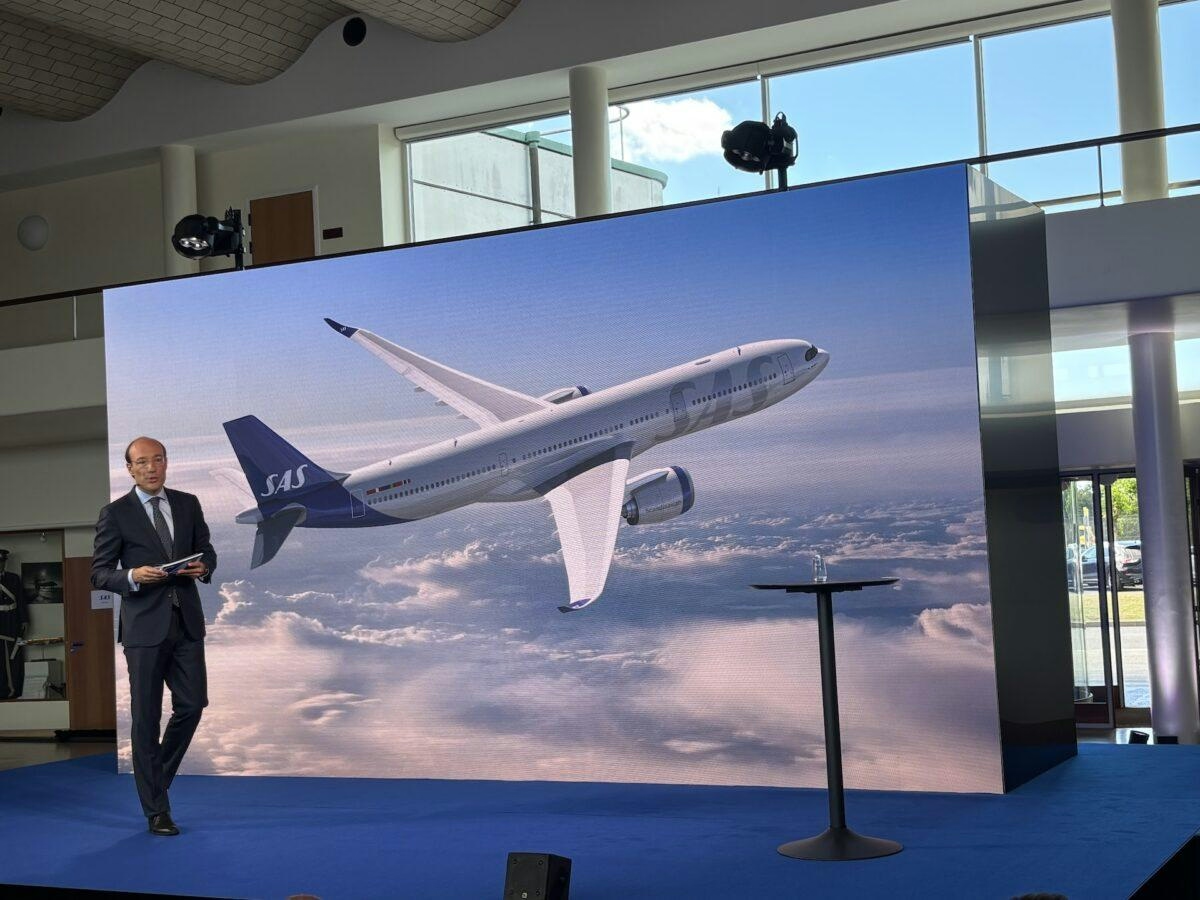
SAS’s Ambitious Widebody Aircraft Order
SAS Scandinavian Airlines has announced a landmark order for widebody aircraft, placing a firm commitment with Airbus for 18 A330neo jets as part of a broader plan to acquire up to 40 Airbus widebodies. Valued at over $10 billion, this represents the largest aircraft purchase in the airline’s history and underscores SAS’s confidence in its future growth prospects. Central to the airline’s strategy is an emphasis on Copenhagen Airport, where SAS aims to support an additional 25,000 jobs and contribute $3.8 billion to Denmark’s GDP by 2030.
The scale of this order has prompted debate within the industry regarding the commercial viability of such a significant capacity increase, especially given SAS’s current market position and financial standing. Observers are closely monitoring whether the airline’s ambitious expansion will strengthen its role as a key player in Northern Europe or present challenges amid evolving market conditions.
Industry Context and Contrasting Strategies
SAS’s move aligns with a broader industry trend toward acquiring modern, fuel-efficient widebody aircraft. Other carriers are making similar investments; for instance, China Eastern recently placed an order for 25 Airbus A330neos, reflecting a global shift toward next-generation fleet modernization aimed at enhancing operational efficiency and meeting stricter environmental standards.
In contrast, Air New Zealand is pursuing a different path. The airline has unveiled an updated turnaround plan focused on operational improvements and financial discipline to restore performance and ensure long-term viability. This approach highlights the varied strategies carriers are adopting to navigate a competitive and rapidly evolving aviation market.
These developments were recently analyzed in an episode of the Airline Weekly Lounge podcast, where industry experts provided insight into the strategic and financial rationale behind the moves by SAS and Air New Zealand. Their discussion offered a critical perspective on fleet strategy and recovery efforts, illustrating the divergent approaches these airlines are taking in response to shifting market dynamics.
As SAS advances its ambitious fleet renewal and Air New Zealand implements its disciplined turnaround, the global aviation industry will be watching closely to assess which strategies prove most effective in an increasingly competitive environment.

Etihad and Swissport Extend Global Partnership
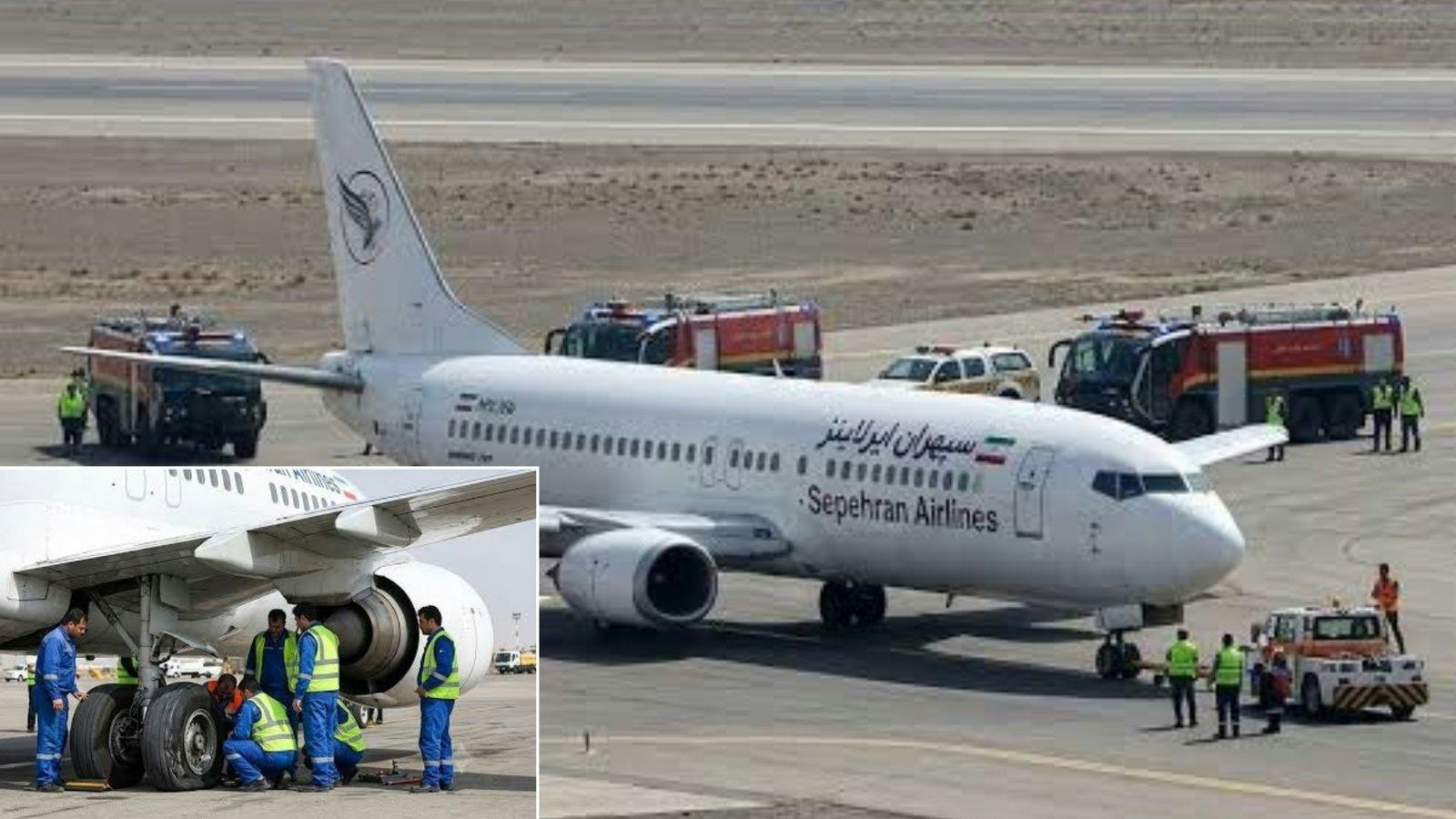
Sepehran Airlines B737 Returns to Mashhad After Tyre and Engine Issues

Etihad Deploys Widebody Fleet to Meet Strong Demand

Korean Air Finalizes $36.2 Billion Deal with Boeing
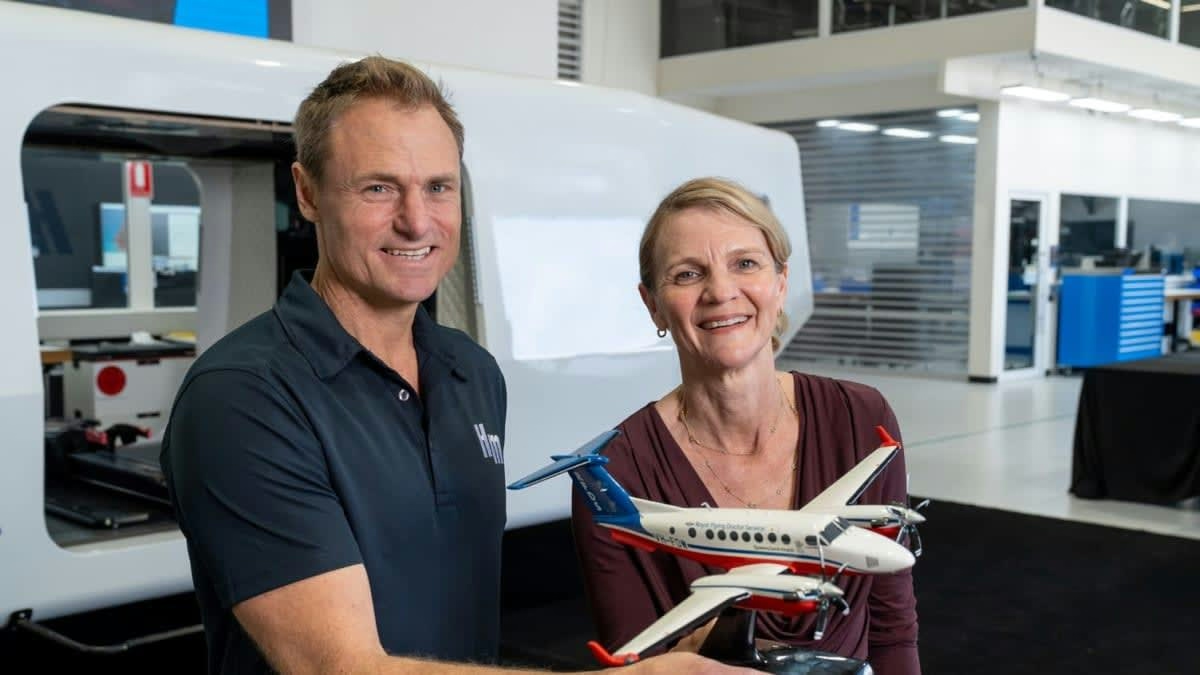
Australia’s RFDS Queensland Section Orders Six King Air 260Cs

Korean Air Finalizes Order for 103 Boeing Jets and Engines

Embraer E195-E2 Features Distinctive Engine Placement Among Regional Jets

What Passengers Can Expect on Boeing’s New 777X Jet
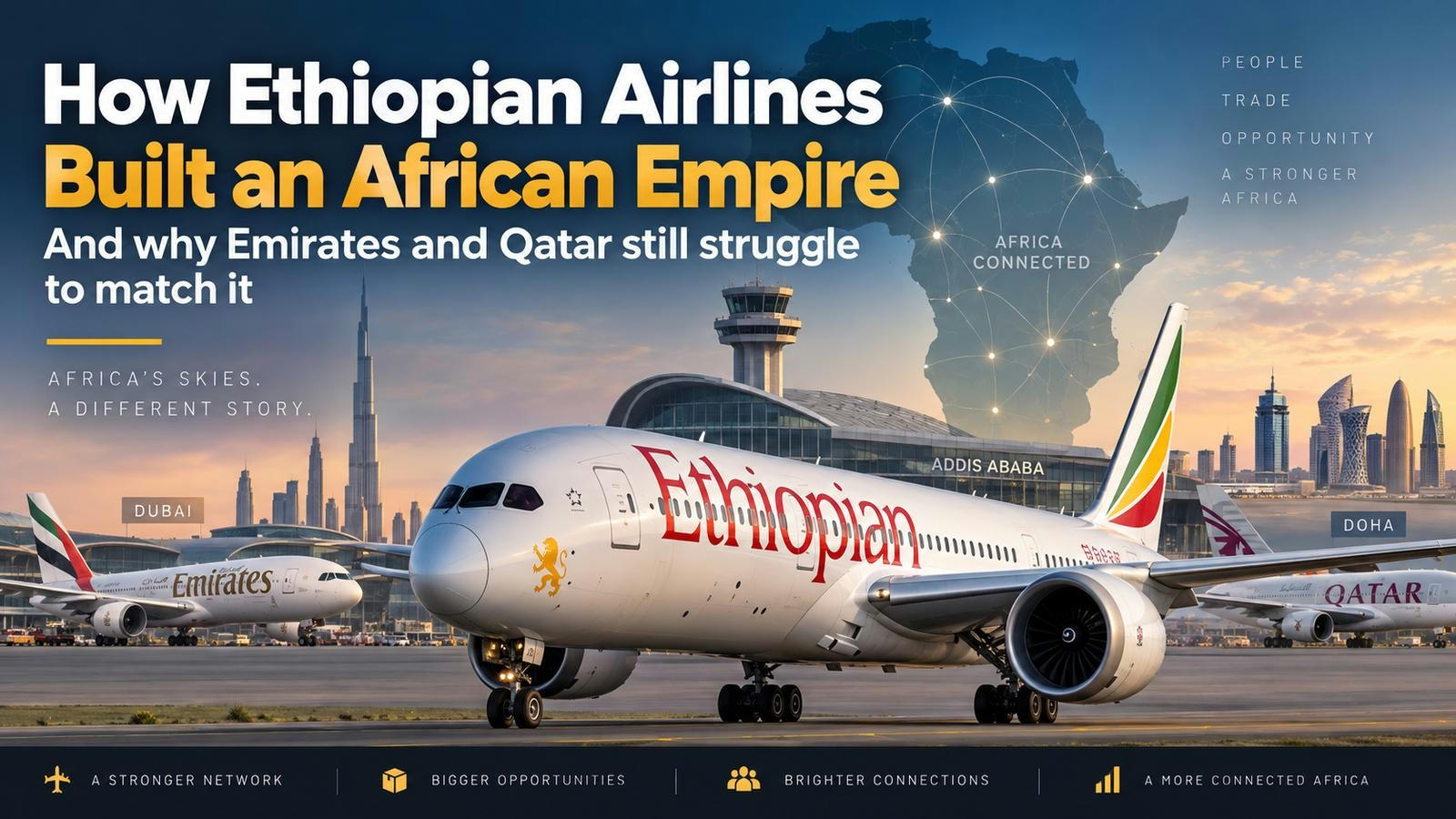
How Ethiopian Airlines Became Africa’s Leading Carrier Amid Gulf Competition

Joby Aviation Extends Autonomous Flight Capabilities with Cross-Country Tour
