
Orquesta conocimientos de IA para convertirlos en acción

Tendencias
Categories
Manoj Chacko Compares Aviation to a Test Match Rather Than a T20

Manoj Chacko: “Aviation Is a Test Match, Not a T20”
As Fly91 marks its third year of operations, the regional airline is focused on achieving cash break-even by the end of fiscal year 2027, despite ongoing challenges related to supply chains and financing. In a detailed interview, Manoj Chacko, Managing Director and CEO of Fly91, elaborates on the airline’s growth strategy, profitability targets, and the complexities of establishing a sustainable regional carrier within India’s dynamic aviation sector.
Profitability Outlook and Strategic Growth
Although Fly91 reported a profitable quarter in FY26, Chacko maintains a cautious outlook for the near term. He explains that FY27 will likely remain a loss-making year due to the airline’s expansion efforts, which involve upfront investments in new stations, aircraft, and personnel. The company anticipates reaching cash break-even by the end of FY27, with full profit and loss break-even expected the following year. Chacko notes that if Fly91 had maintained a smaller fleet of six aircraft, it would already be profitable, but the airline’s ambition is to build a significantly larger operation.
Over the past two years, Fly91 has doubled its fleet and aims to operate 60 aircraft by 2033. Chacko describes the initial phase as foundational, focusing on developing a robust pipeline of pilots and engineers, cultivating a loyal customer base, and establishing sound business fundamentals. He likens the airline’s approach to a test match rather than a T20 cricket game, emphasizing endurance and long-term strategy over rapid gains. This analogy reflects the airline’s measured growth amid fluctuating demand influenced by geopolitical tensions, such as those in the Middle East, which continue to affect operational stability and profitability in the aviation industry.
Navigating Supply Chain and Financing Challenges
Chacko identifies the global aviation supply chain, controlled by a limited number of key players, as Fly91’s most significant challenge. Additionally, securing financing within India remains difficult. He highlights the need for greater support from the banking sector, particularly in asset financing and debt provision. The cautious stance of Indian banks stems from previous losses incurred from defunct airlines, resulting in restricted funding availability for current carriers. This cautious approach is mirrored globally, as airlines adjust their strategies in response to market volatility, exemplified by moves such as Philippine Airlines’ fleet modernization efforts.
Regional Focus and Operational Discipline
Fly91’s expansion strategy is firmly rooted in commercial viability and operational discipline. The airline plans to commence FY28 with at least 11 aircraft, connecting major regional hubs to tier-II and tier-III cities. Chacko stresses that every aircraft induction and new route must be commercially justified. Currently operating from two bases, Fly91 intends to expand to six bases within five years, adding destinations including Tirupati, Visakhapatnam, and Indore.
What distinguishes Fly91, according to Chacko, is its integration of technology, operational rigor, and a strong regional focus. Markets such as Jalgaon, Pune, Sindhudurg, and Lakshadweep have demonstrated solid performance, supported by localized services like regional language announcements and community engagement initiatives. The airline’s objective is to build a sustainable regional carrier driven by efficiency rather than sheer scale.
Commitment to Sustainable Growth Beyond Subsidies
Fly91’s dependence on the government’s UDAN scheme is limited, with only 14 of its 40 daily flights operating under the program. Chacko emphasizes that routes are developed with the intention of sustaining operations after subsidy periods conclude, underscoring the airline’s commitment to long-term viability.
As the aviation sector continues to face global uncertainties and intense competition, Fly91’s deliberate, test match-style approach offers a potential model for sustainable growth in a challenging industry environment.

Etihad and Swissport Extend Global Partnership
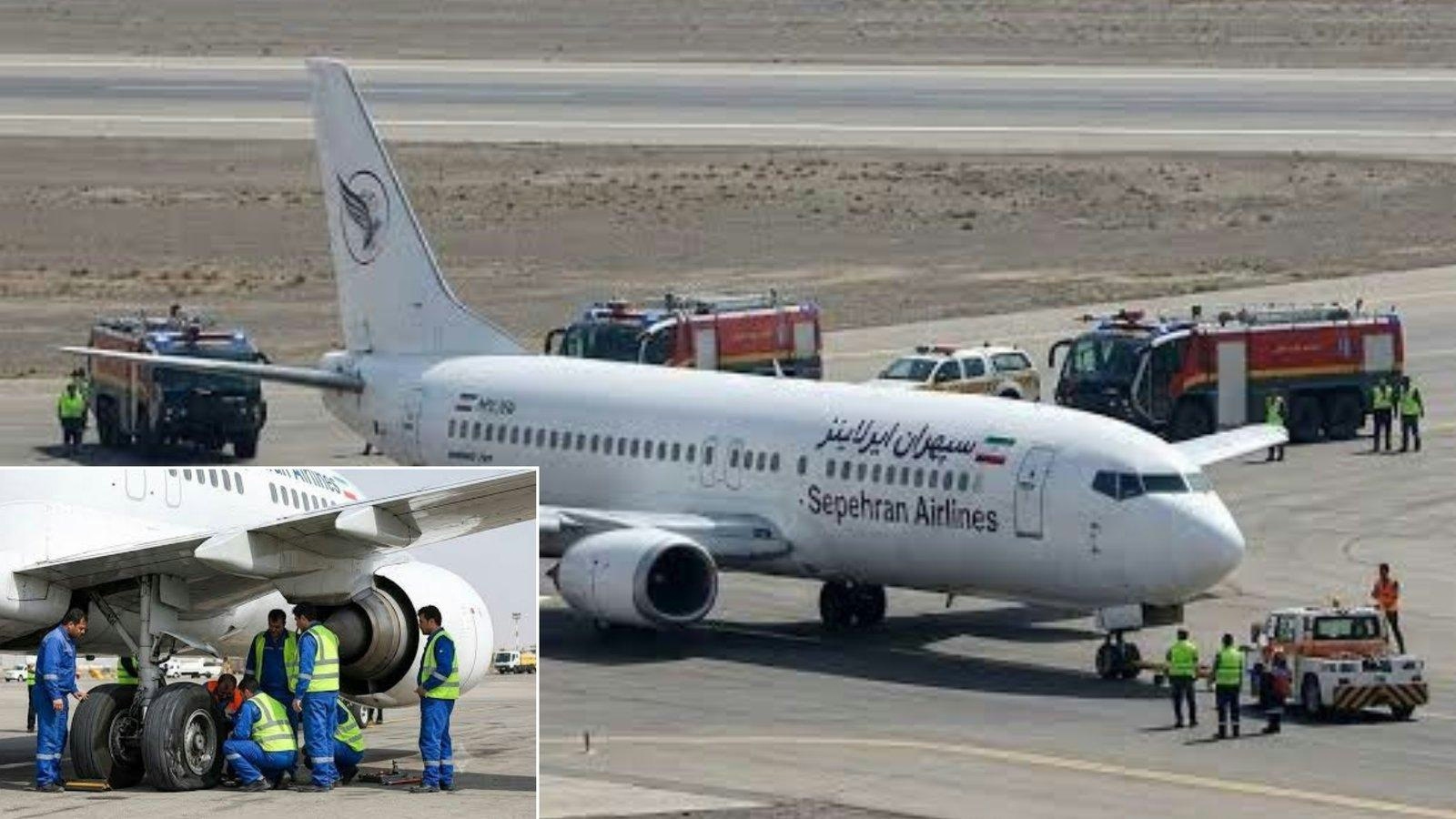
Sepehran Airlines B737 Returns to Mashhad After Tyre and Engine Issues

Etihad Deploys Widebody Fleet to Meet Strong Demand
Korean Air Finalizes $36.2 Billion Deal with Boeing
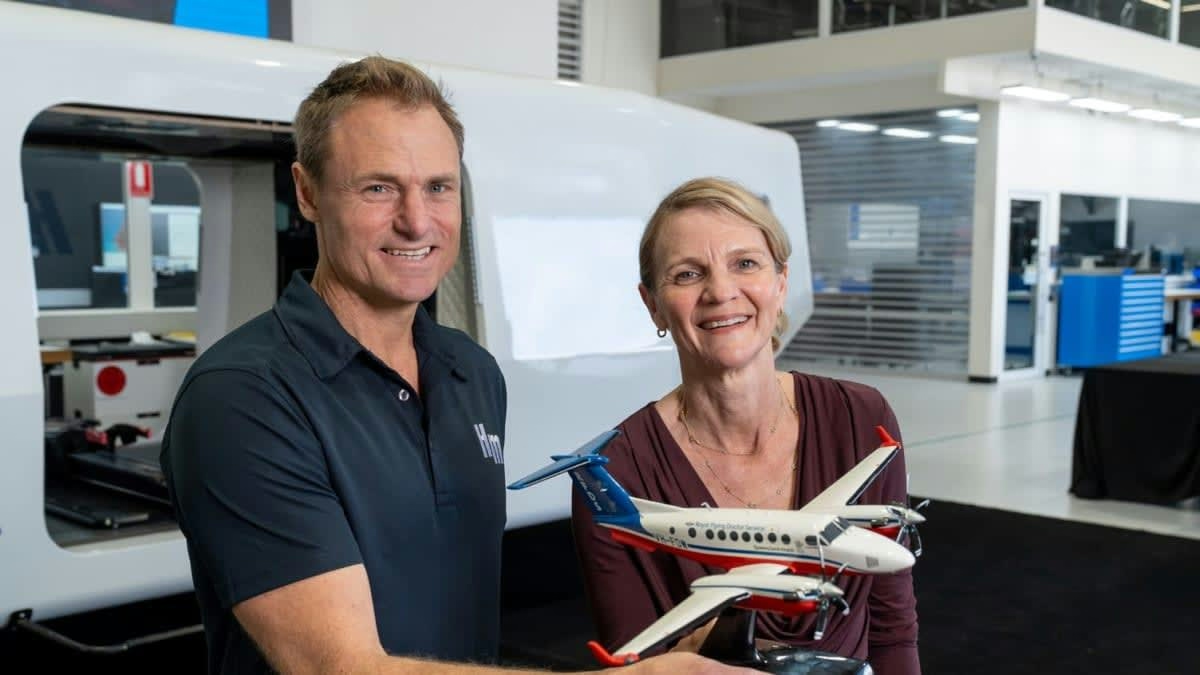
Australia’s RFDS Queensland Section Orders Six King Air 260Cs
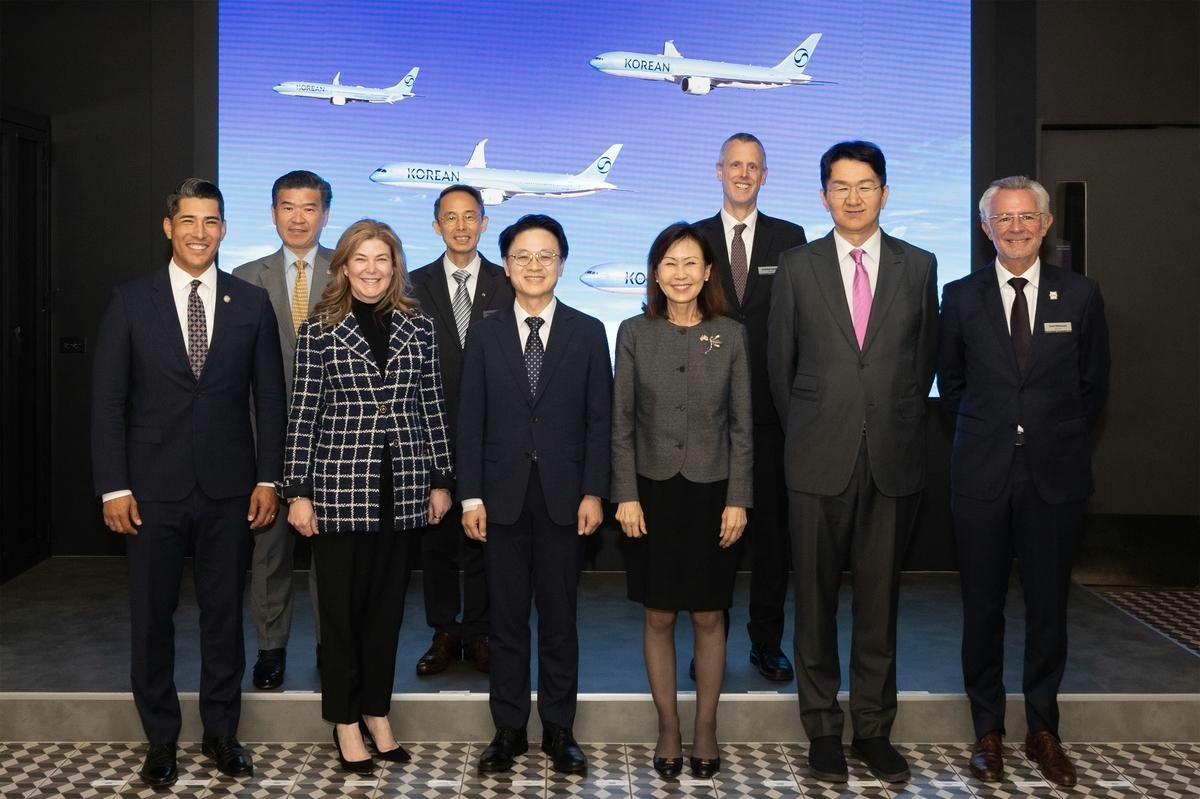
Korean Air Finalizes Order for 103 Boeing Jets and Engines

Embraer E195-E2 Features Distinctive Engine Placement Among Regional Jets

What Passengers Can Expect on Boeing’s New 777X Jet
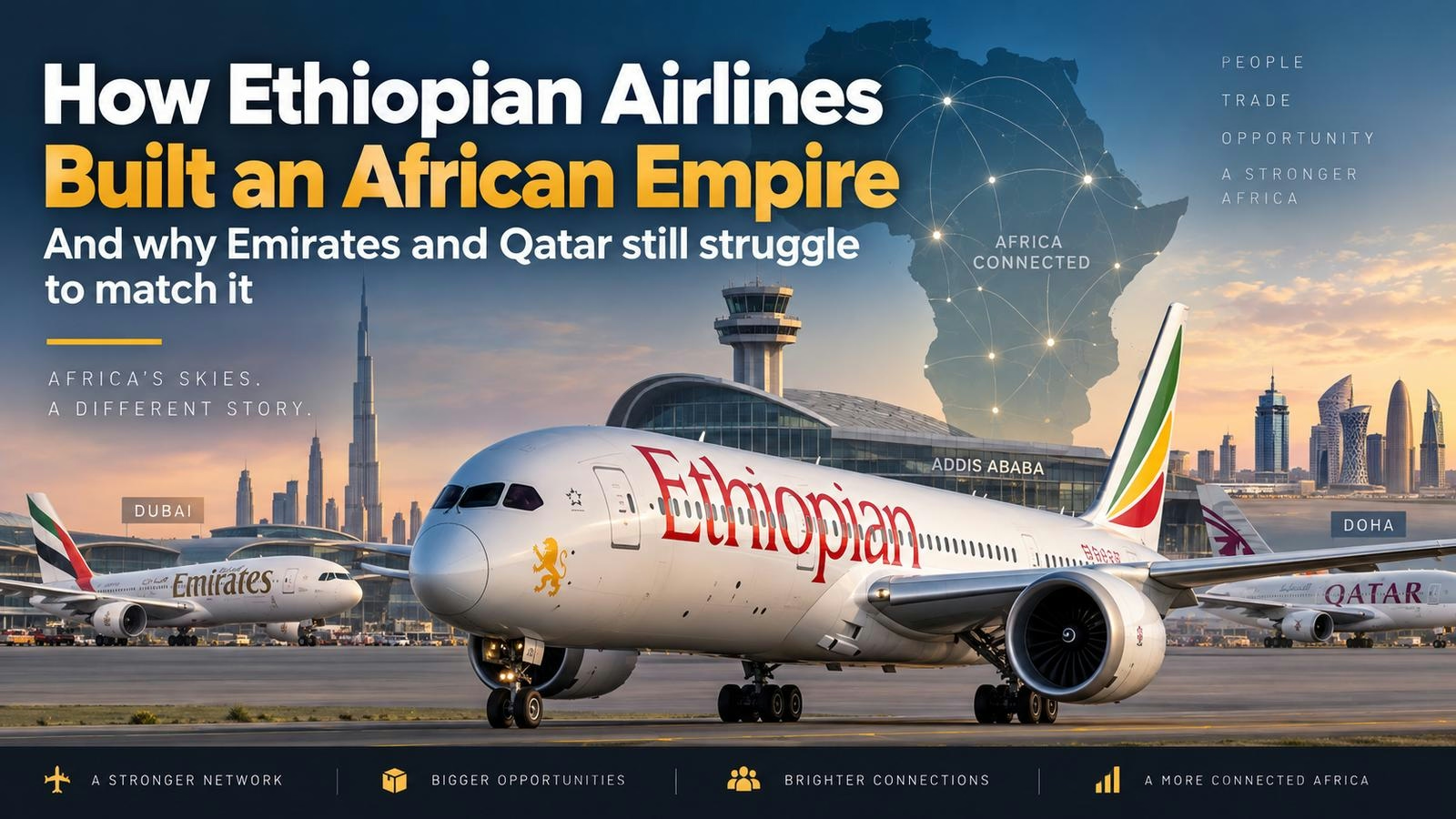
How Ethiopian Airlines Became Africa’s Leading Carrier Amid Gulf Competition

Joby Aviation Extends Autonomous Flight Capabilities with Cross-Country Tour
