
Orquesta conocimientos de IA para convertirlos en acción

Tendencias
Categories
Safran Chief Calls for Holistic Approach to Airframer-Engine Business Model
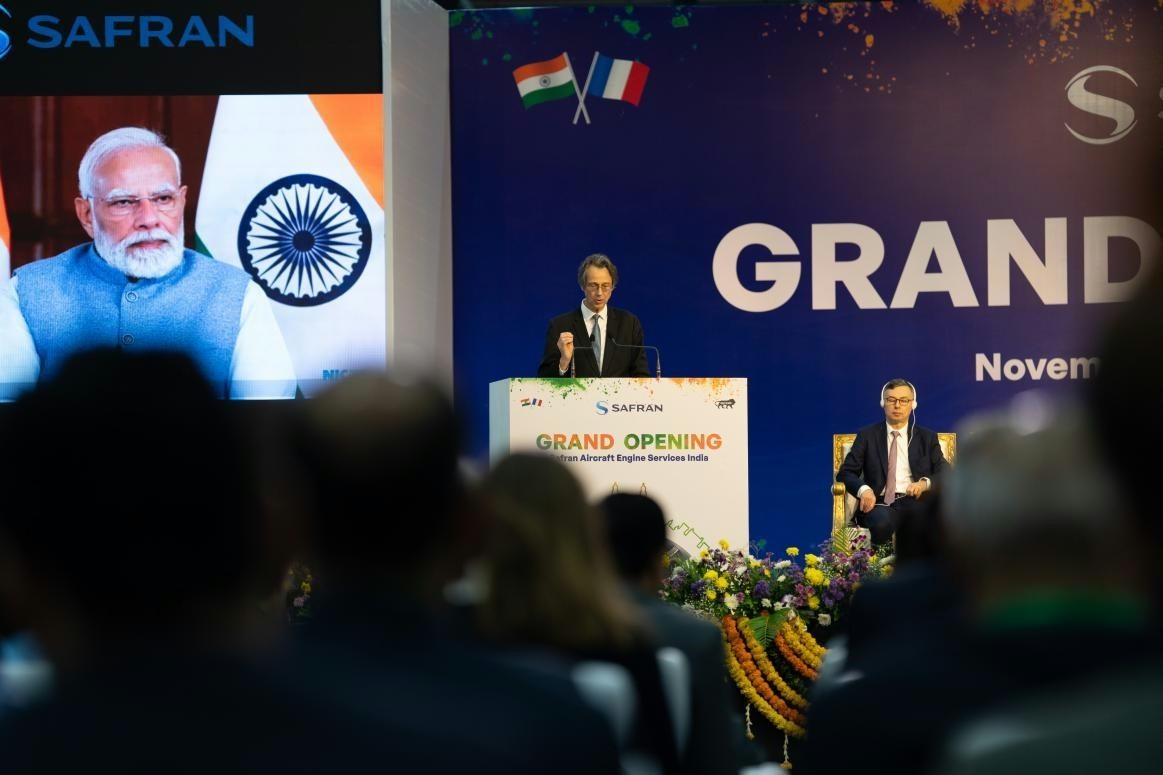
Safran Chief Advocates Comprehensive Overhaul of Airframer-Engine Business Model
Safran CEO Olivier Andries has called for a fundamental reevaluation of the business relationship between airframers and engine suppliers, as Airbus contemplates new partnership frameworks for its forthcoming single-aisle aircraft. Speaking during Safran’s first-half financial briefing on July 28, Andries stressed that any revision must encompass both original equipment sales and the long-term aftermarket, rather than addressing these components in isolation.
The Need for a Holistic Approach
Andries emphasized the importance of a holistic perspective, stating, “Any potential discussion on business model has to be holistic, taking into account the [original equipment] side and the aftermarket.” Safran, which collaborates with GE Aerospace through the CFM International joint venture supplying engines to Boeing and Airbus, faces a protracted investment-return cycle. He explained that the company incurs significant costs in development, industrialization, and ramp-up phases, often delivering engines at a loss for several years before profitability emerges through maintenance and shop visits.
This call for a comprehensive business model rethink coincides with Airbus’s exploration of new options for its next-generation single-aisle platform. Airbus commercial aircraft chief Lars Wagner described the program as a “once-in-a-lifetime opportunity to rebalance the business model” and to secure a share of the “three or four decades of aftermarket” revenue. Wagner highlighted that while details remain preliminary, the initiative presents a unique chance to reconsider industry roles, partnerships, and value distribution.
Airbus CEO Guillaume Faury echoed these views, suggesting that the current moment offers an opportunity to “embark our engine partners on a different way of doing business” and to better capture the enduring value generated by aircraft, engines, and systems.
Challenges and Industry Responses
While acknowledging Airbus’s intentions, Andries cautioned that the scope of any new business model will depend heavily on the specifics of engine supply arrangements. He noted, “If we are in a single-source discussion, then topics could be on the table that would not be in a typical dual-source situation.” He further affirmed Safran’s commitment to maintaining its internal rate-of-return targets before initiating any new engine development.
This push for a holistic approach emerges amid broader industry transformations. Safran’s strategy faces several challenges, including the risks associated with integrating new business areas, achieving anticipated cost savings and synergies, and ensuring that projected benefits are realized. Despite these hurdles, market response has been favorable, with Safran recently raising its full-year financial guidance, supported by strong demand for commercial aircraft engine maintenance and spare parts.
Competitors are also adapting to the evolving landscape. RTX, parent company of CFM rival Pratt & Whitney, has indicated plans to reshape its own business model, with CEO Chris Calio underscoring the substantial upfront investments and narrow margins on engine deliveries. Concurrently, industry collaborations are intensifying, exemplified by partnerships such as Sikorsky and Safran Helicopter Engines exploring joint ventures in vertical lift platforms. Technological progress continues as well, with initiatives like the CFM LEAP engine and GE Aerospace’s electric flight projects advancing the sector.
As the aerospace industry navigates these shifts, the future structure of airframer-engine partnerships remains a pivotal issue, with stakeholders striving to balance risk, reward, and sustainable long-term value creation.

Etihad and Swissport Extend Global Partnership
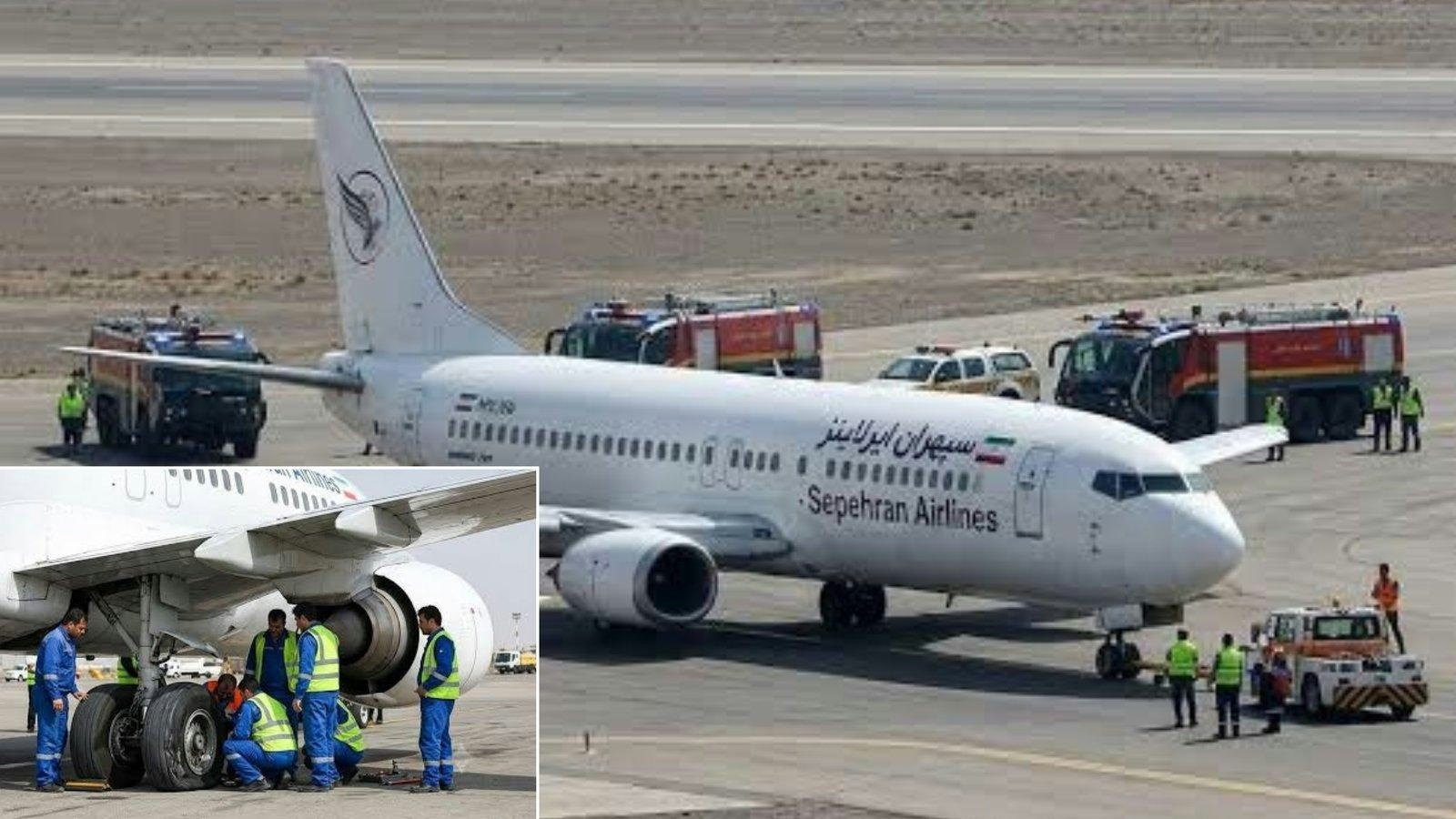
Sepehran Airlines B737 Returns to Mashhad After Tyre and Engine Issues

Etihad Deploys Widebody Fleet to Meet Strong Demand
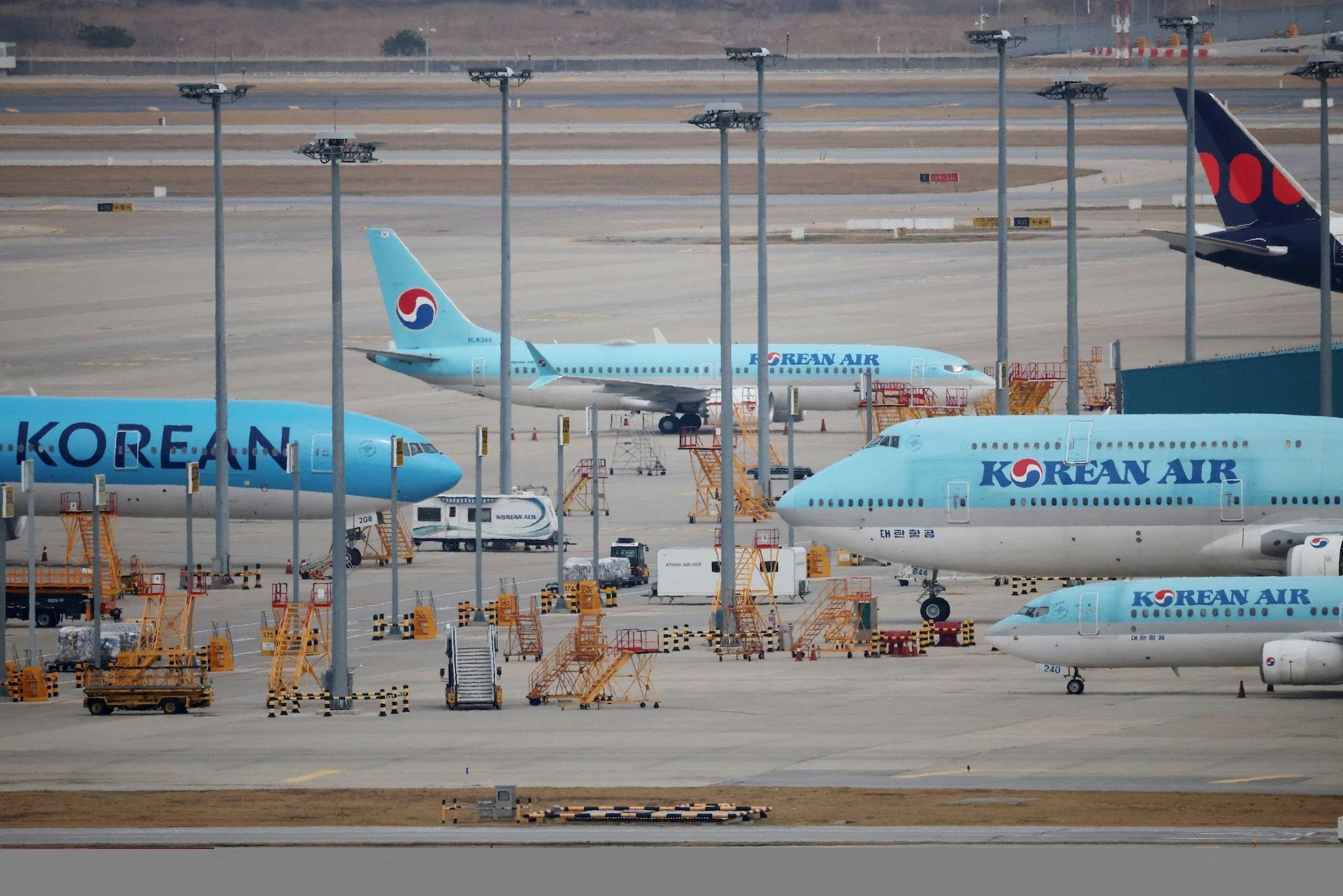
Korean Air Finalizes $36.2 Billion Deal with Boeing
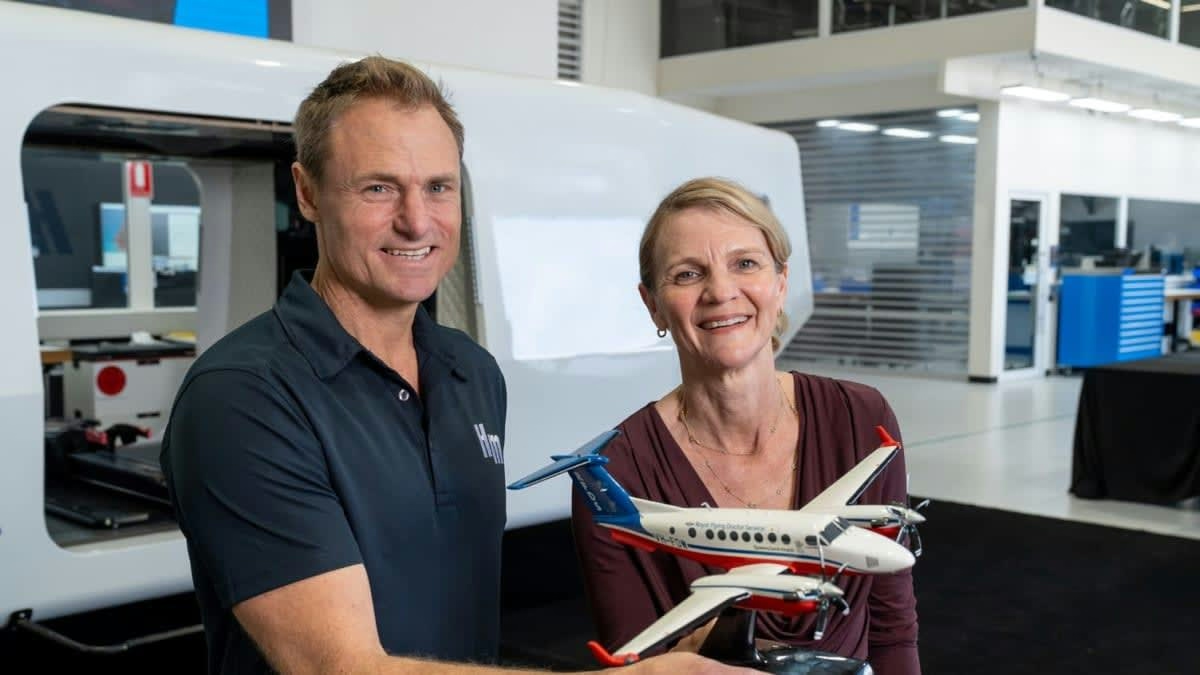
Australia’s RFDS Queensland Section Orders Six King Air 260Cs
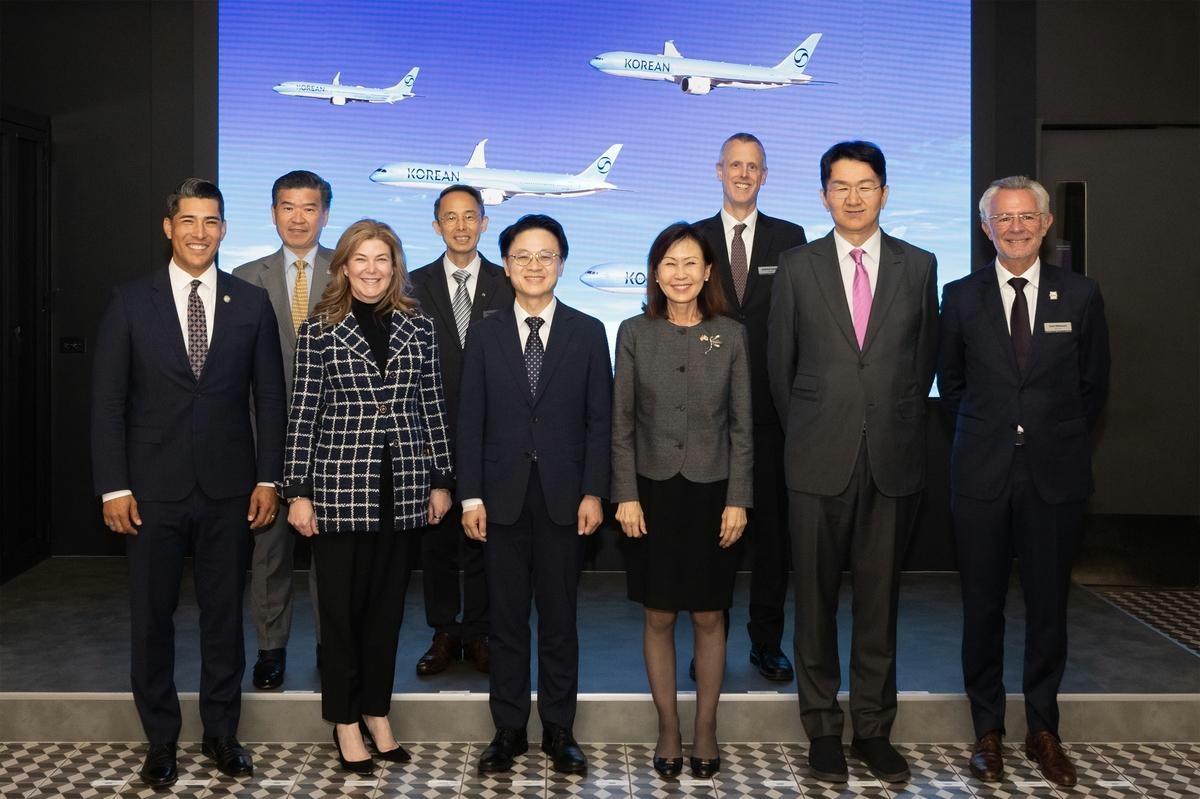
Korean Air Finalizes Order for 103 Boeing Jets and Engines
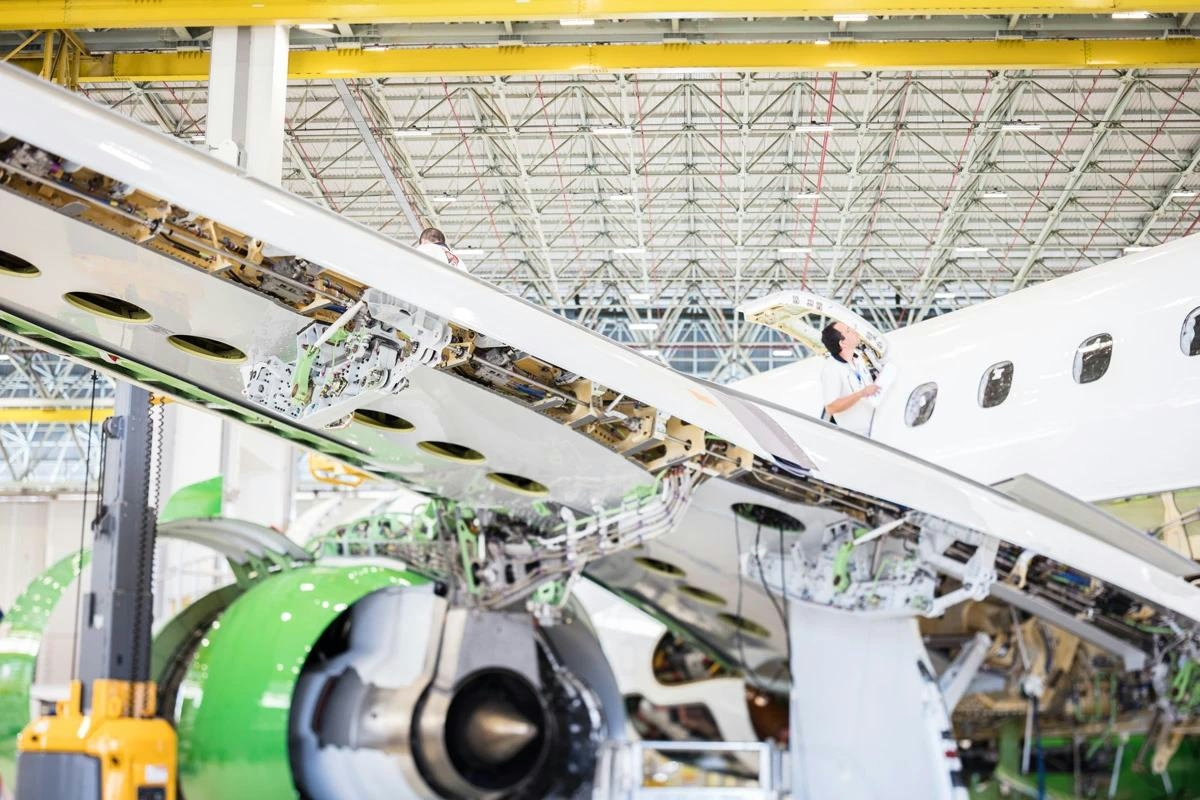
Embraer E195-E2 Features Distinctive Engine Placement Among Regional Jets
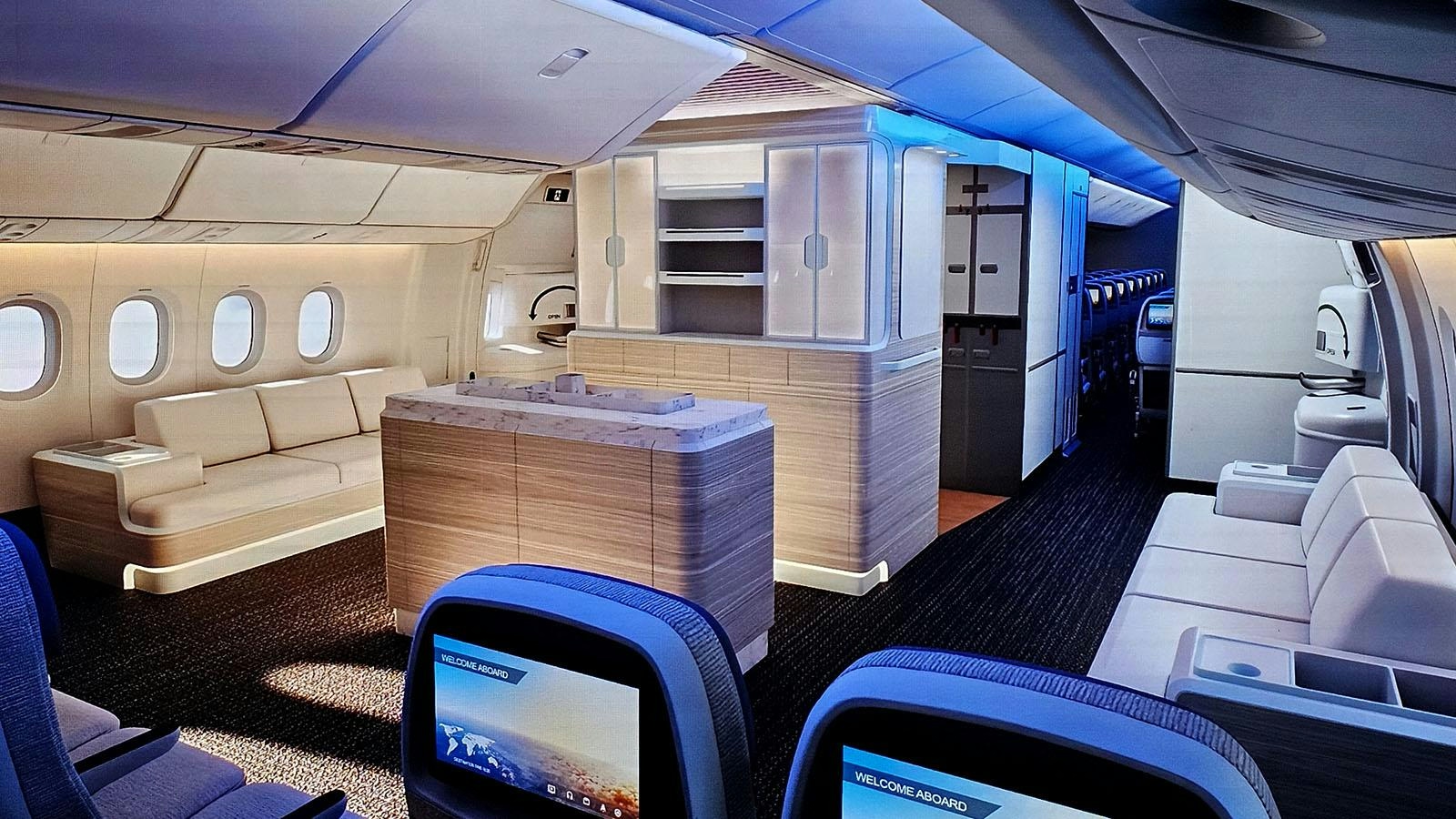
What Passengers Can Expect on Boeing’s New 777X Jet
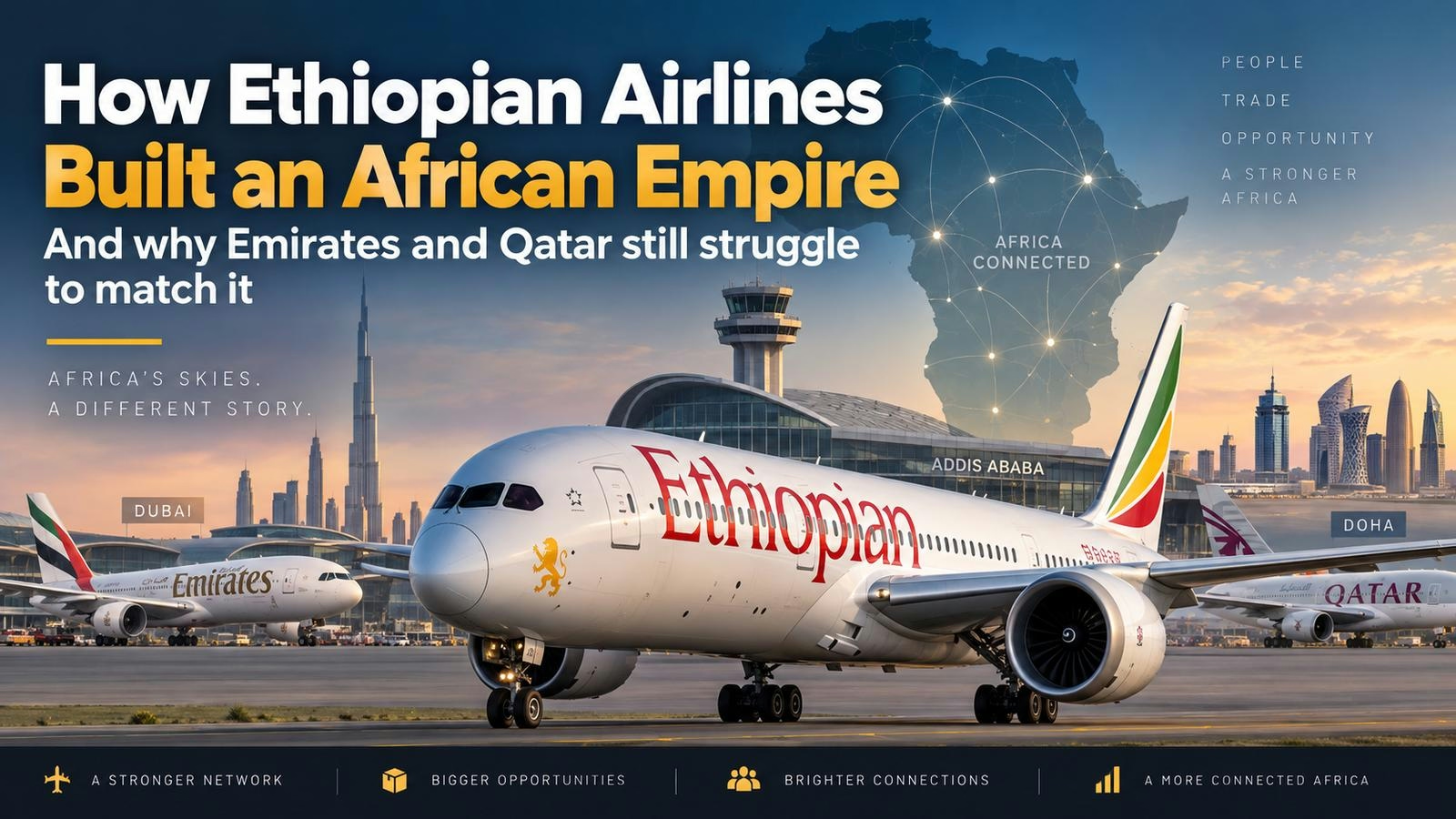
How Ethiopian Airlines Became Africa’s Leading Carrier Amid Gulf Competition
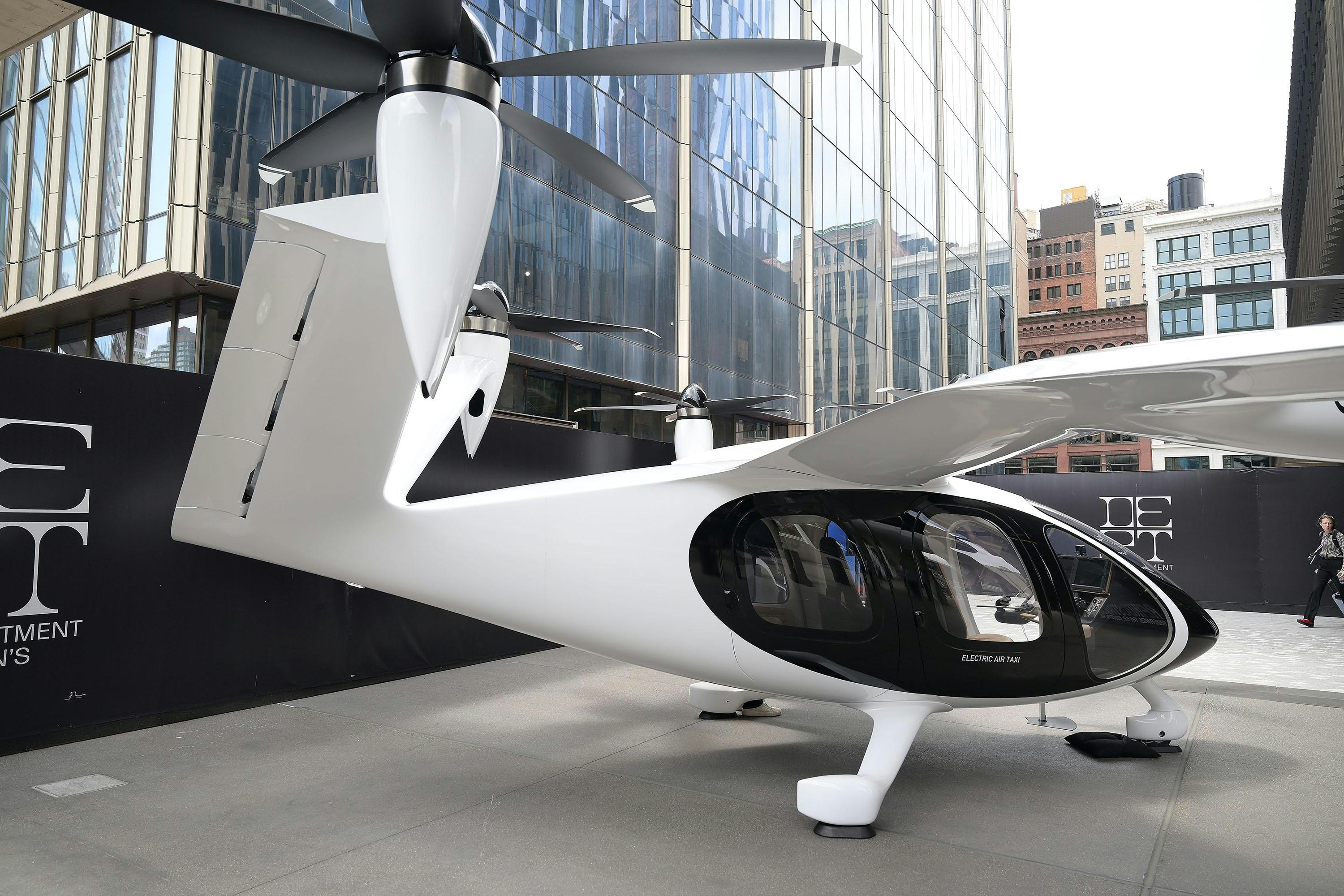
Joby Aviation Extends Autonomous Flight Capabilities with Cross-Country Tour
