
Orquesta conocimientos de IA para convertirlos en acción

Tendencias
Categories
Serial Production of Re-Engined Be-200 Could Begin in Three Years
Serial Production of Re-Engined Be-200 Amphibious Aircraft Projected for 2028
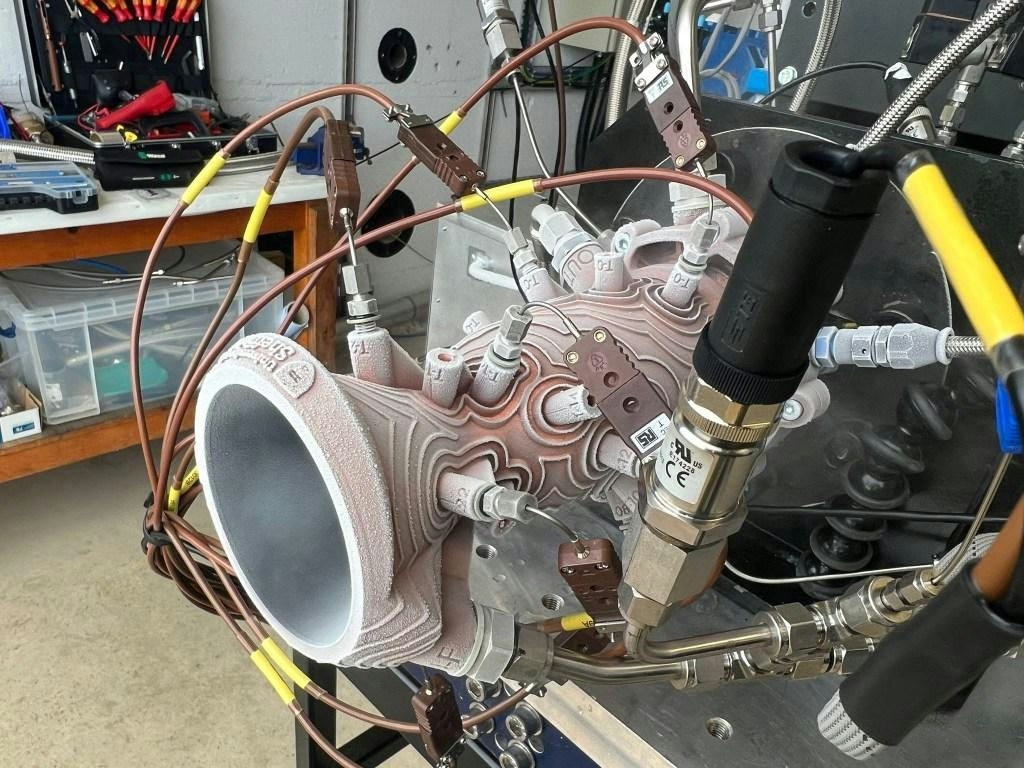
The serial production of a modernized Beriev Be-200 amphibious aircraft, featuring new Russian-made engines, could commence as early as 2028. This timeline was outlined by Russian Trade Minister Anton Alikhanov, who confirmed that the initiative aims to replace the current Progress D-436TP engines with the domestically developed Aviadvigatel PD-8. The PD-8 engine, also intended for the Yakovlev SJ-100 regional jet, is currently undergoing certification tests.
During a recent visit to the Beriev manufacturing plant in Taganrog, Alikhanov revealed that research and development funding for the re-engining program has been secured for this year and the next. He stated, “We are funding the research and development this year and will continue next year.” The ministry anticipates completing the research phase by 2027, adding, “If the results are positive, we will begin production of the serial aircraft in 2028.”
Modernization Efforts and Strategic Importance
The re-engining program forms part of a broader strategy to modernize the Beriev facility. Alikhanov discussed these plans with Yuri Slyusar, acting governor of the Rostov region and former head of the United Aircraft Corporation, which oversees Beriev. Slyusar emphasized the project’s priority status, noting, “The minister noted that this project is a priority, and by 2028 we should start serial production of these unique aircraft with fully-Russian PD-8 engines.” He further highlighted that upgrading the plant’s equipment would “significantly increase” the production capacity of the Be-200.
Despite the clear strategic intent, the project faces several challenges. Securing advanced technology for the new engines remains a significant obstacle, particularly given ongoing complexities in international supply chains. Additionally, workforce shortages in key manufacturing regions could affect both the timeline and scale of production.
Market interest in the re-engined Be-200 is expected to rise, especially from firefighting and search-and-rescue sectors, which are experiencing growing demand amid climate change. Competitors in this niche may respond by enhancing their own aircraft or pursuing strategic partnerships to maintain market share. Slyusar underscored the urgency of the project, stating, “In the conditions of a changing climate, the need for firefighting aircraft will only grow, and we must be ready to meet this demand.”

Etihad Airways Suspends Airbus A380 Flights on Key Route

Aditya Birla Group Seeks Approval for Aircraft Leasing in GIFT City

Qatar Airways Highlights Innovation and Connectivity at Arabian Travel Market 2026

Hong Kong's Five-Year Plan Includes Andrew Fan's Aircraft Parts Processing Hub Proposal

ACIA Aero Leasing Delivers ATR72-600 to Air Nostrum

RTX Appoints Jill Albertelli as Head of Pratt & Whitney

TAT Technologies Joins Beyond Aero Hydrogen Aircraft Program

AURAK Study Highlights Barriers to Air Taxi Adoption in Emerging Economies

Xiamen Air Selects Altitude for 787 Maintenance at Heathrow

Etihad and Swissport Extend Global Partnership
