
Orquesta conocimientos de IA para convertirlos en acción

Tendencias
Categories
Silk Way West Adds Fourth Boeing 777F to Cargo Fleet
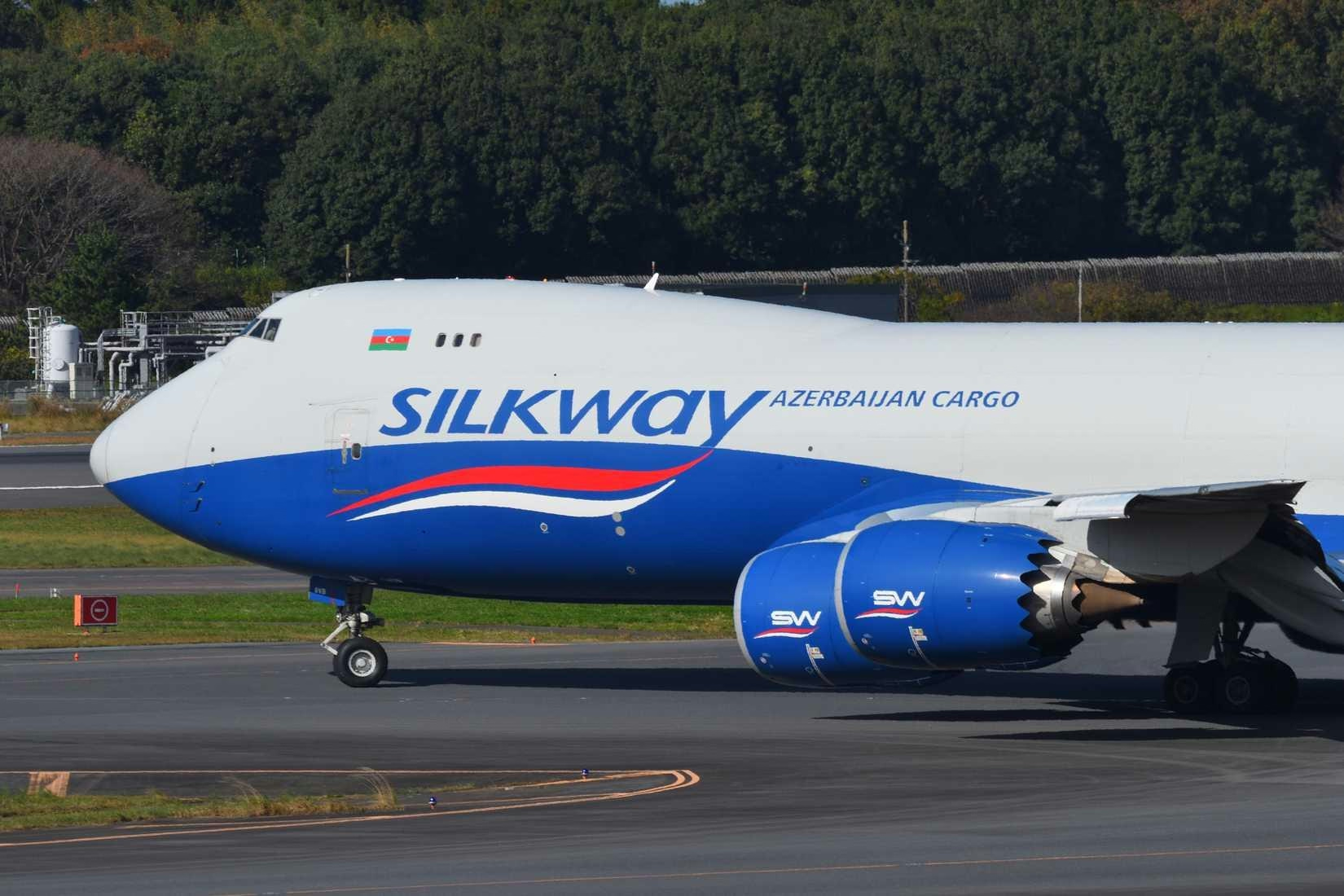
Silk Way West Expands Cargo Fleet with Fourth Boeing 777F Amid Rising Market Competition
BAKU — Silk Way West Airlines has taken delivery of its fourth Boeing 777 Freighter (777F), marking a significant step in the Azerbaijan-based carrier’s ongoing fleet renewal program. The aircraft arrived in Baku following a direct ferry flight from Seattle and is part of an order for six 777Fs. This latest addition comes as the airline retires older models, including two 747-400 Freighters, with the remaining two 777Fs expected to join the fleet by 2027, completing the initial phase of its modernization strategy.
Strategic Fleet Modernization and Future Plans
Wolfgang Meier, president of Silk Way West, described the delivery as a component of a “disciplined approach” to fleet modernization. The airline is focused on replacing aging aircraft to improve operational efficiency and advance sustainability goals. With the new 777F, Silk Way West’s fleet now comprises 12 aircraft.
Looking ahead, the airline plans to initiate the second phase of its renewal program in 2028. This phase will introduce four Airbus A350 Freighters alongside four Boeing 777-8 Freighters, aiming to expand the fleet to 20 widebody aircraft by 2030. This ambitious growth plan underscores Silk Way West’s commitment to maintaining a competitive edge in the evolving air cargo market.
Industry Context and Market Dynamics
The Boeing 777F is recognized as the manufacturer’s longest-range twin-engine freighter, capable of flying 4,970 nautical miles with a payload capacity of 102 tonnes. Since its launch, over 300 units have been delivered globally, with more than 200 actively operating as of mid-2025. FedEx Express remains the largest operator, maintaining a fleet of 51 777Fs.
Silk Way West’s investment in the 777F aligns with a broader industry trend favoring twin-engine freighters for their efficiency and reliability, as cargo airlines phase out older quad-jet models. However, this expansion occurs amid intensifying competition in the global air cargo sector. Rival carriers are accelerating their own fleet renewals, with some placing orders for new aircraft from both Airbus and Boeing. Notable recent moves include Delta Air Lines’ order for up to 60 Boeing 787 Dreamliners and Air Cambodia’s agreement for up to 20 Boeing 737 Max narrowbodies, reflecting a widespread push to modernize and expand cargo capabilities.
These developments are expected to influence market share dynamics, prompting competitors to respond through fleet expansions, new cargo services, or strategic partnerships and alliances. As Silk Way West strengthens its near-term operational reliability with the 777F and prepares for next-generation freighters, its strategy remains closely linked to evolving program timelines and regulatory factors shaping the future of the freighter market.

Adobe Warns AI-Driven Trip Planning Challenges Travel Sites

The Global Parts Shortage
GE Aerospace's Robust Capital Position Fuels Higher Shareholder Returns
AI Advances Support Sustainable Aviation and Efficient Flight Paths

Airbus Faces Freighter Deadline Amid Weak Order Growth and Stagnant Shares

Integrated CNS System for Low-Altitude Aircraft

Chinese Robots Debut in Aviation and Military Roles at WRC 2026
Kenya Airways Aims to Resume Operations of Grounded Fleet by Early 2027
Avora Aviation Completes A320 Sale-Leaseback Agreement with FTAI
StandardAero Expands Bombardier Global MRO Services at Van Nuys Facility
