
Orquesta conocimientos de IA para convertirlos en acción

Tendencias
Categories
Sinopec Merges with CNAF to Strengthen Position in China’s Aviation Fuel Market

Sinopec Merges with CNAF to Strengthen Position in China’s Aviation Fuel Market
Strategic Consolidation Amid Shifting Energy Demand
Aviation fuel is rapidly becoming the primary growth driver for China’s refined oil demand, even as consumption of gasoline and diesel declines due to the rising adoption of electric vehicles and a slowing economy. In this context, Sinopec’s merger with China National Aviation Fuel Group (CNAF) represents a strategic effort to consolidate its foothold in the country’s aviation fuel sector.
Sinopec cites projections from S&P Global indicating that China’s domestic jet fuel consumption is expected to increase significantly, from 39.28 million tonnes (309 million barrels) in 2024 to 75 million tonnes (591 million barrels) by 2040. This growth trajectory is further influenced by geopolitical tensions, such as the conflict in Iran, which have heightened supply risks and driven crude prices upward. These factors are accelerating the shift away from road fuels and reinforcing the central role of jet fuel within China’s refining industry.
Addressing Fragmentation and Enhancing Competitiveness
Before the merger, China’s aviation fuel industry was characterized by a fragmented supply chain, with production, sales, and refueling operations managed by separate entities. Sinopec highlighted that, unlike major international aviation fuel suppliers—typically integrated oil and petrochemical companies—China’s jet fuel sector suffered from divided operations, which limited overall competitiveness. The merger unifies production, supply, sales, trading, and airport refueling under a single operator, aiming to reduce transaction costs and improve service efficiency.
CNAF, which operates at nearly all of China’s commercial airports, reported revenues of $33.45 billion in 2024 alongside a remarkable 286.5% increase in net profit over the year. The combination of CNAF’s extensive logistics network with Sinopec’s refining capacity is expected to create a more streamlined and competitive entity in the aviation fuel market.
Alignment with Government Policy and Future Challenges
The restructuring aligns closely with Beijing’s industrial policy objectives. Approved by the State Council in January 2026 and finalized in July, the merger reflects the government’s intent to streamline the aviation logistics chain and mitigate supply disruption risks. Sinopec asserts that the integration will not only bolster China’s domestic market but also enhance its competitiveness in global jet fuel markets, positioning the merged group as a central player in China’s petroleum strategy through 2040.
Nonetheless, the merger faces several challenges. Regulatory approvals remain pending, and investors are closely monitoring Sinopec’s ability to effectively integrate resources and operations. The consolidation is also expected to intensify competition, prompting rival firms to accelerate efforts to secure sustainable aviation fuel supplies and defend their market positions. Furthermore, adapting to evolving sustainability standards will be critical for the long-term success of the combined entity.
Market analysts suggest that Sinopec’s merger with CNAF could trigger similar alliances among other companies, potentially reshaping the competitive landscape of China’s aviation fuel sector as it adapts to emerging growth drivers and policy priorities.

Etihad and Swissport Extend Global Partnership
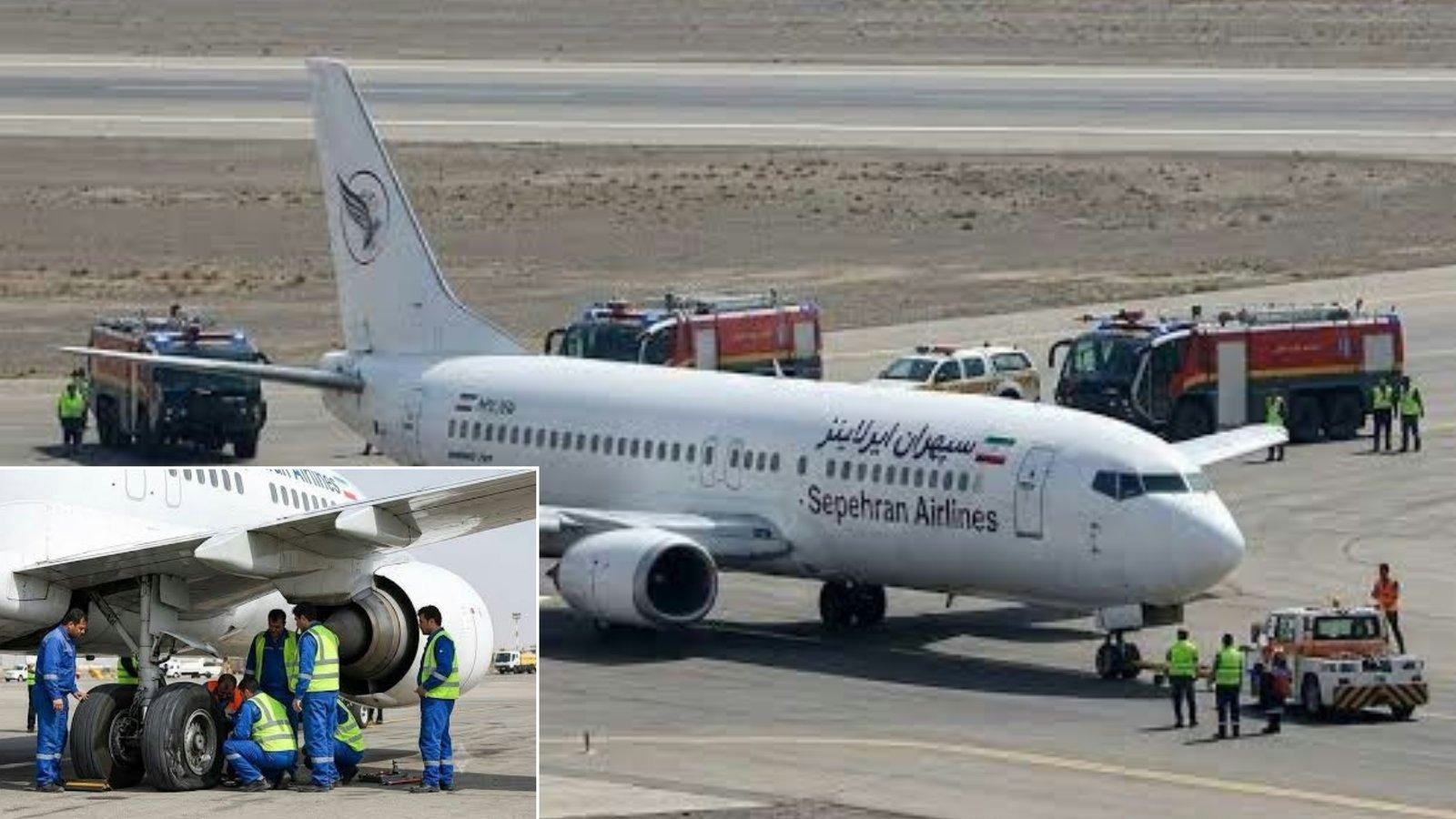
Sepehran Airlines B737 Returns to Mashhad After Tyre and Engine Issues

Etihad Deploys Widebody Fleet to Meet Strong Demand
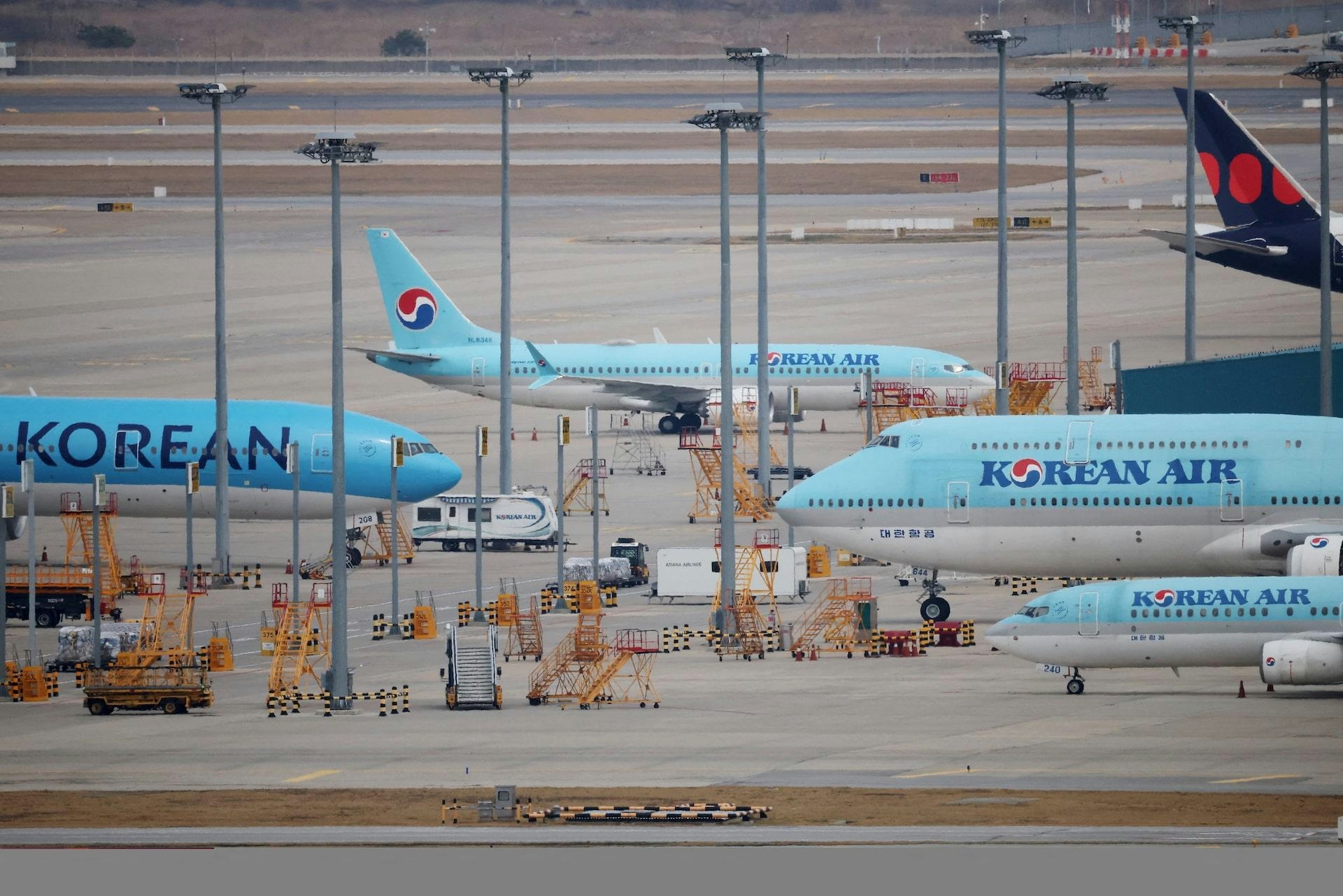
Korean Air Finalizes $36.2 Billion Deal with Boeing

Australia’s RFDS Queensland Section Orders Six King Air 260Cs

Korean Air Finalizes Order for 103 Boeing Jets and Engines
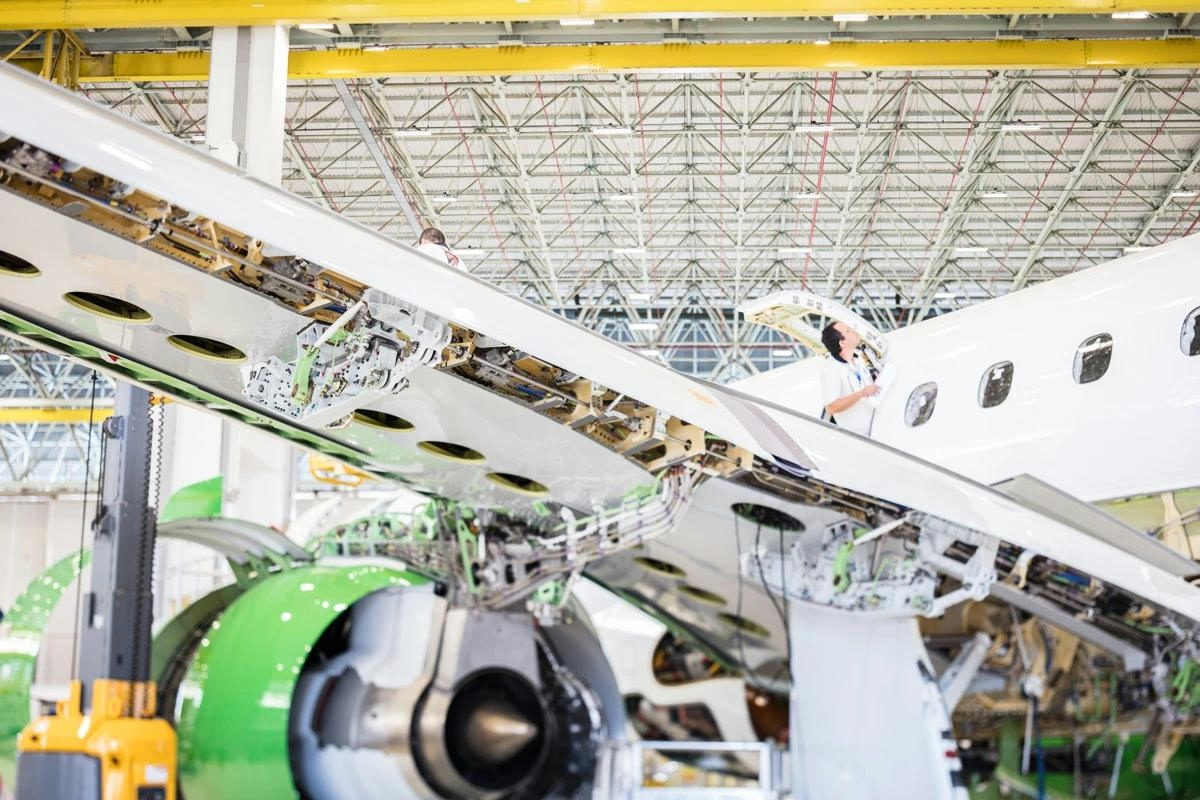
Embraer E195-E2 Features Distinctive Engine Placement Among Regional Jets

What Passengers Can Expect on Boeing’s New 777X Jet

How Ethiopian Airlines Became Africa’s Leading Carrier Amid Gulf Competition

Joby Aviation Extends Autonomous Flight Capabilities with Cross-Country Tour
