
Orquesta conocimientos de IA para convertirlos en acción

Tendencias
Categories
Thai Airways Receives First A321neo Aircraft
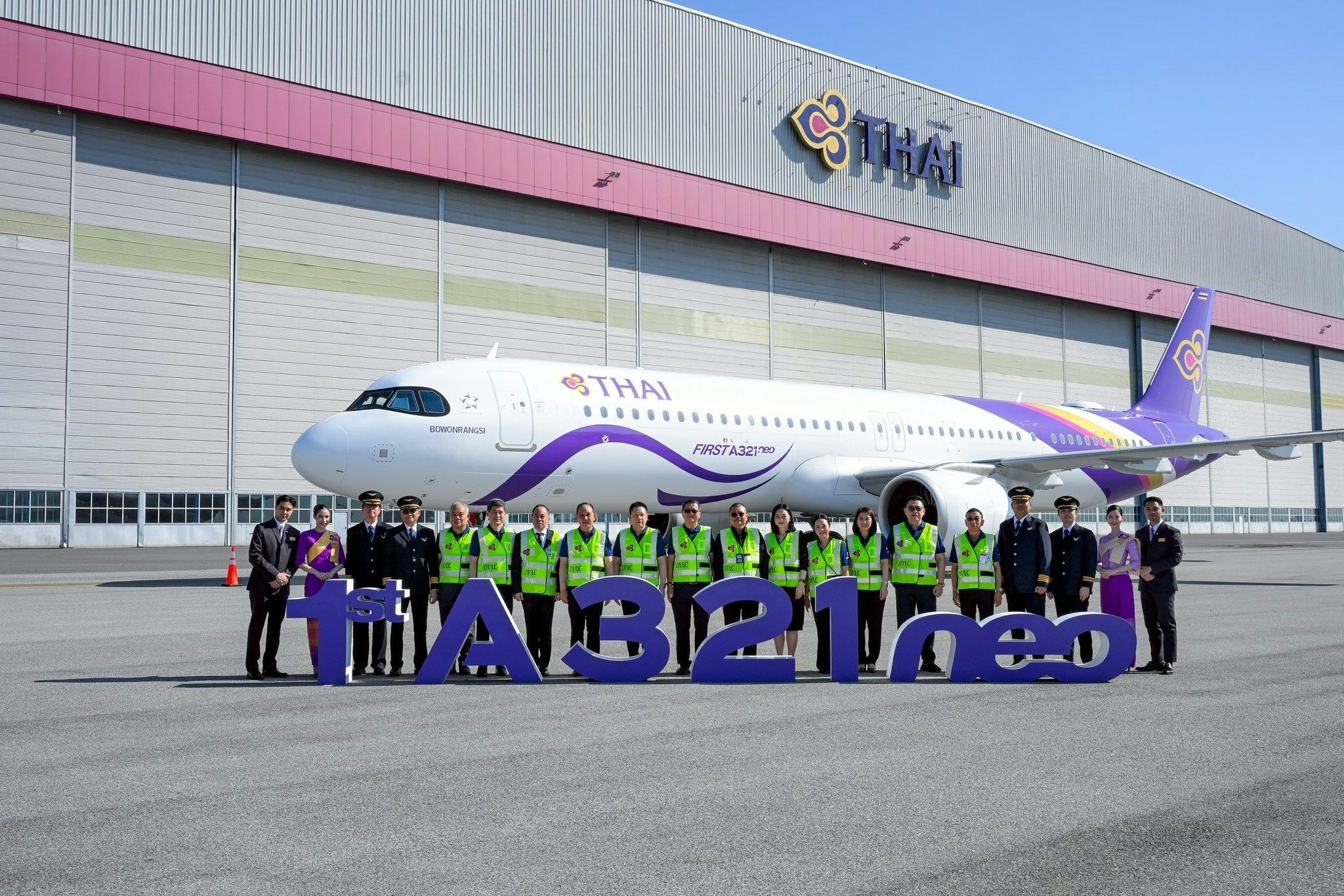
Thai Airways Takes Delivery of First Airbus A321neo
Thai Airways International has received its first Airbus A321-200neo aircraft, marking a pivotal advancement in the airline’s fleet modernization efforts. The aircraft, registered HS-TOA (msn 12846), was delivered on December 23 and subsequently ferried from Hamburg Finkenwerder to Bangkok Suvarnabhumi Airport via Dubai World Central the following day. This delivery inaugurates a lease agreement with AerCap for ten A321neo jets, with the remaining nine scheduled for phased delivery through 2028. The second aircraft, HS-TOB (msn 12942), is anticipated to arrive shortly.
Strategic Fleet Modernization and Operational Plans
Chief Executive Chai Eamsiri emphasized the significance of this milestone, highlighting its role in enhancing the efficiency and competitiveness of Thai Airways’ fleet. He noted that the lease partnership with AerCap is integral to the airline’s broader strategy to modernize its narrowbody fleet and strengthen its position in the global aviation market. The airline intends to introduce the A321neo into commercial service by mid-January 2026, gradually replacing and expanding its current narrowbody fleet, which presently comprises twenty A320-200 aircraft.
Although Thai Airways has not placed direct orders with Airbus for the A321neo, it has secured a total of 32 aircraft of this type through various lessors, including the ten from AerCap. This approach reflects a strategic preference for leasing arrangements to facilitate fleet renewal while managing capital expenditure.
Challenges and Market Implications
The introduction of the A321neo is not without potential challenges. Industry observers have noted that other carriers, such as Delta Air Lines and American Airlines, have encountered delays related to seat certification and software integration issues with this aircraft model. Thai Airways may face similar obstacles, which could impact the planned timeline for the aircraft’s entry into service.
The arrival of the A321neo is also expected to intensify competition within the regional aviation market. Rival airlines, including Tigerair Taiwan, may respond by revising their fleet strategies or enhancing onboard services to maintain market share. Thai Airways’ decision to equip its A321neo fleet with new flat-bed business class seats is likely to influence passenger preferences, potentially setting a new benchmark for comfort on regional routes and prompting competitors to upgrade their cabin offerings.
As Thai Airways advances its fleet renewal program, its capacity to manage operational challenges and respond effectively to competitive pressures will be closely monitored by industry analysts and travelers alike.
Comments

Etihad Airways Suspends Airbus A380 Flights on Key Route

Aditya Birla Group Seeks Approval for Aircraft Leasing in GIFT City

Qatar Airways Highlights Innovation and Connectivity at Arabian Travel Market 2026

Hong Kong's Five-Year Plan Includes Andrew Fan's Aircraft Parts Processing Hub Proposal

ACIA Aero Leasing Delivers ATR72-600 to Air Nostrum

RTX Appoints Jill Albertelli as Head of Pratt & Whitney

TAT Technologies Joins Beyond Aero Hydrogen Aircraft Program

AURAK Study Highlights Barriers to Air Taxi Adoption in Emerging Economies

Xiamen Air Selects Altitude for 787 Maintenance at Heathrow

Etihad and Swissport Extend Global Partnership
