
Orquesta conocimientos de IA para convertirlos en acción

Tendencias
Categories
The Future of U.S. Airpower Depends on Dual-Use Technology
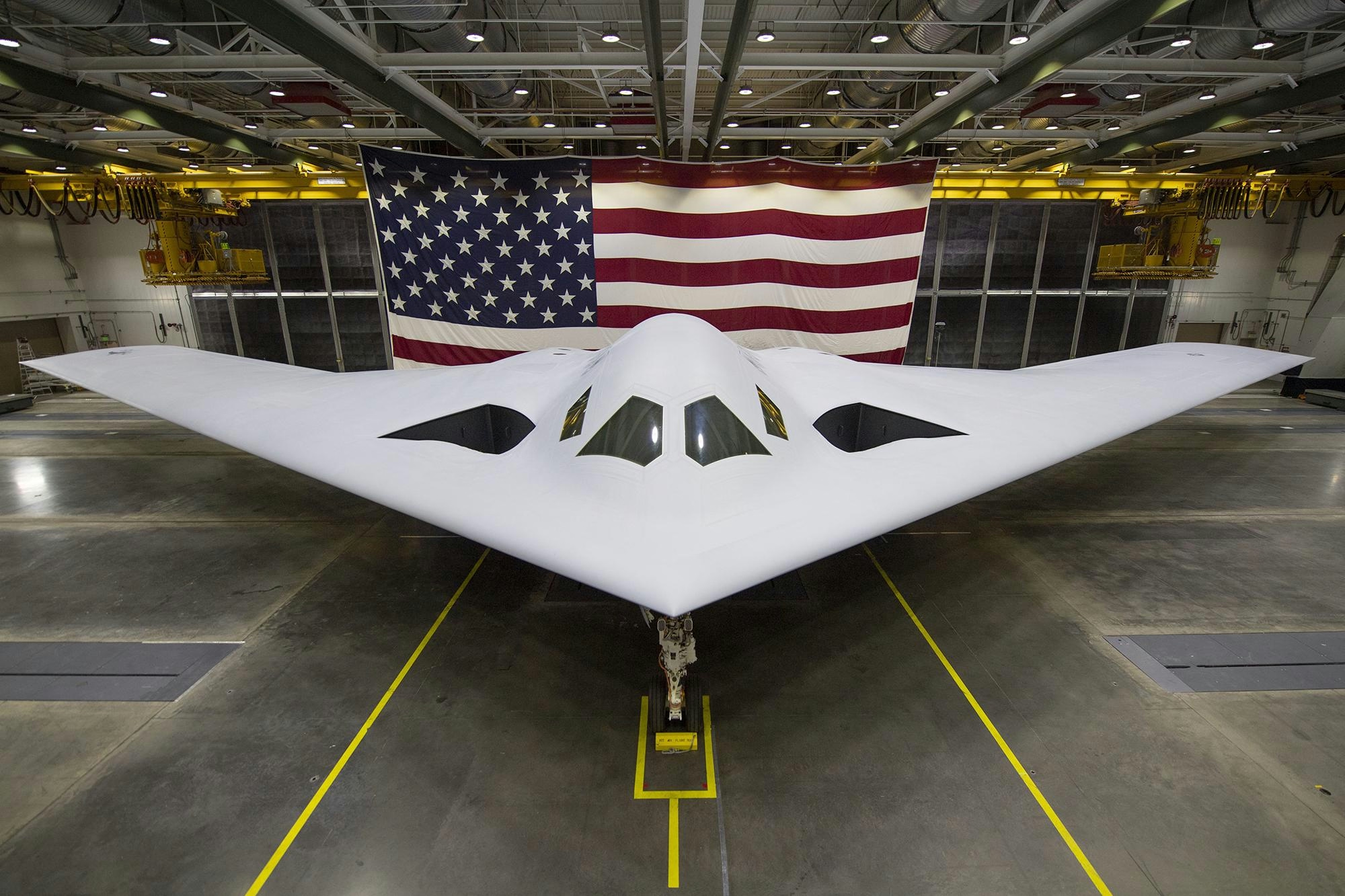
The Future of U.S. Airpower Hinges on Dual-Use Technology
Challenges to Air Dominance and the Role of Dual-Use Innovation
As the United States confronts increasing challenges to its air superiority, industry leaders from JetZero, Joby Aviation, and Mach Industries have called for an accelerated embrace of dual-use aerospace technologies—innovations that serve both commercial and defense sectors. Speaking at the AIAA AVIATION Forum 2026 in San Diego, panelists underscored that the future of U.S. airpower depends not only on technological breakthroughs but also on reimagining the systems and incentives that enable these advances to be rapidly deployed in operational settings.
Roberto “Bert” Guerrero, Deputy Assistant Secretary of the Air Force for Operational Energy, Safety and Occupational Health, moderated the discussion and reframed operational energy as a critical combat multiplier. Guerrero emphasized that efficiency should be viewed beyond cost savings, highlighting its potential to extend aircraft range, increase payload capacity, and enhance what he termed “lethality per gallon.” He cited a recent Air Force fuel-efficiency initiative that saved $40 million in a single year, with a portion of those savings reinvested into air bases to foster further innovation.
Despite these gains, Guerrero and other panelists warned that incremental improvements will not suffice. “For a 21st-century fight, we need 24th-century aircraft,” Guerrero asserted, advocating for new acquisition models that incentivize risk-taking and accelerate development timelines. Nathan Diller, President and Chief Strategy Officer at Mach Industries, echoed this urgency, recalling congressional debates focused on translating emerging technologies—such as artificial intelligence, digital engineering, and automated assembly—into deployable hardware more swiftly.
Innovation Decline and Market Shifts Toward Dual-Use Solutions
The panelists collectively identified dual-use technology as the current center of gravity for U.S. airpower. Tom O’Leary, CEO and co-founder of JetZero, highlighted a troubling decline in aerospace innovation. He noted that while the U.S. produced dozens of new commercial jets in the three decades preceding the Boeing-McDonnell Douglas merger, only one large aircraft has been developed since. O’Leary pointed out that fundamental principles of flight have remained largely unchanged even as the complexity of threats has increased, underscoring the urgent need for renewed innovation.
This pivot toward dual-use solutions is also reflected in evolving market dynamics. Dean Donovan, managing director and co-founder of DiamondStream Partners, explained that his investment firm, which initially focused on commercial aerospace, now invests almost exclusively in dual-use companies. The defense technology venture capital market remained robust in the second quarter of 2026, with significant funding directed toward firms operating beyond traditional defense sectors. This trend highlights the growing reliance on dual-use innovation across multiple industries.
Recent Air Force contracts awarded to General Atomics and Anduril for drone wingman production further illustrate the strategic importance of dual-use companies in advancing U.S. airpower capabilities. However, the competitive landscape is becoming more complex. In response to U.S. sanctions restricting Chinese exports to American defense firms, China has imposed retaliatory sanctions on ten U.S. military-related companies. This assertive move, aimed at protecting China’s national security interests, could reshape global market dynamics for dual-use technologies.
Breaking Barriers Between Commercial and Defense Innovation
As the United States seeks to maintain its technological edge, panelists agreed that success will depend on dismantling barriers between commercial and defense innovation. Building faster, more flexible pathways from prototype to production is essential to ensuring that emerging technologies can be effectively integrated into military operations. The future of U.S. airpower, they concluded, will rely heavily on the ability to leverage dual-use technologies and foster collaboration across sectors to meet the demands of modern warfare.

Etihad and Swissport Extend Global Partnership
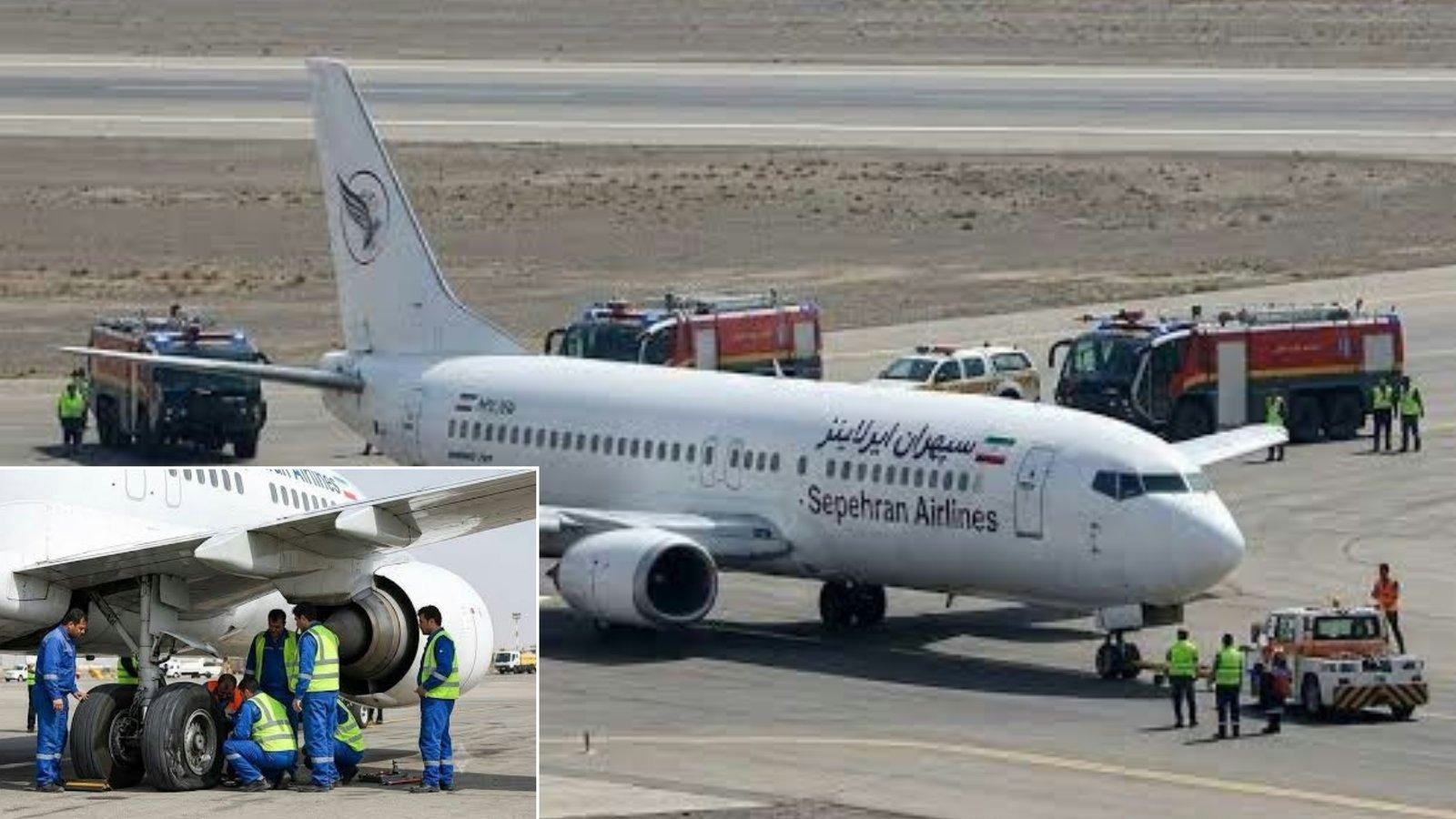
Sepehran Airlines B737 Returns to Mashhad After Tyre and Engine Issues

Etihad Deploys Widebody Fleet to Meet Strong Demand
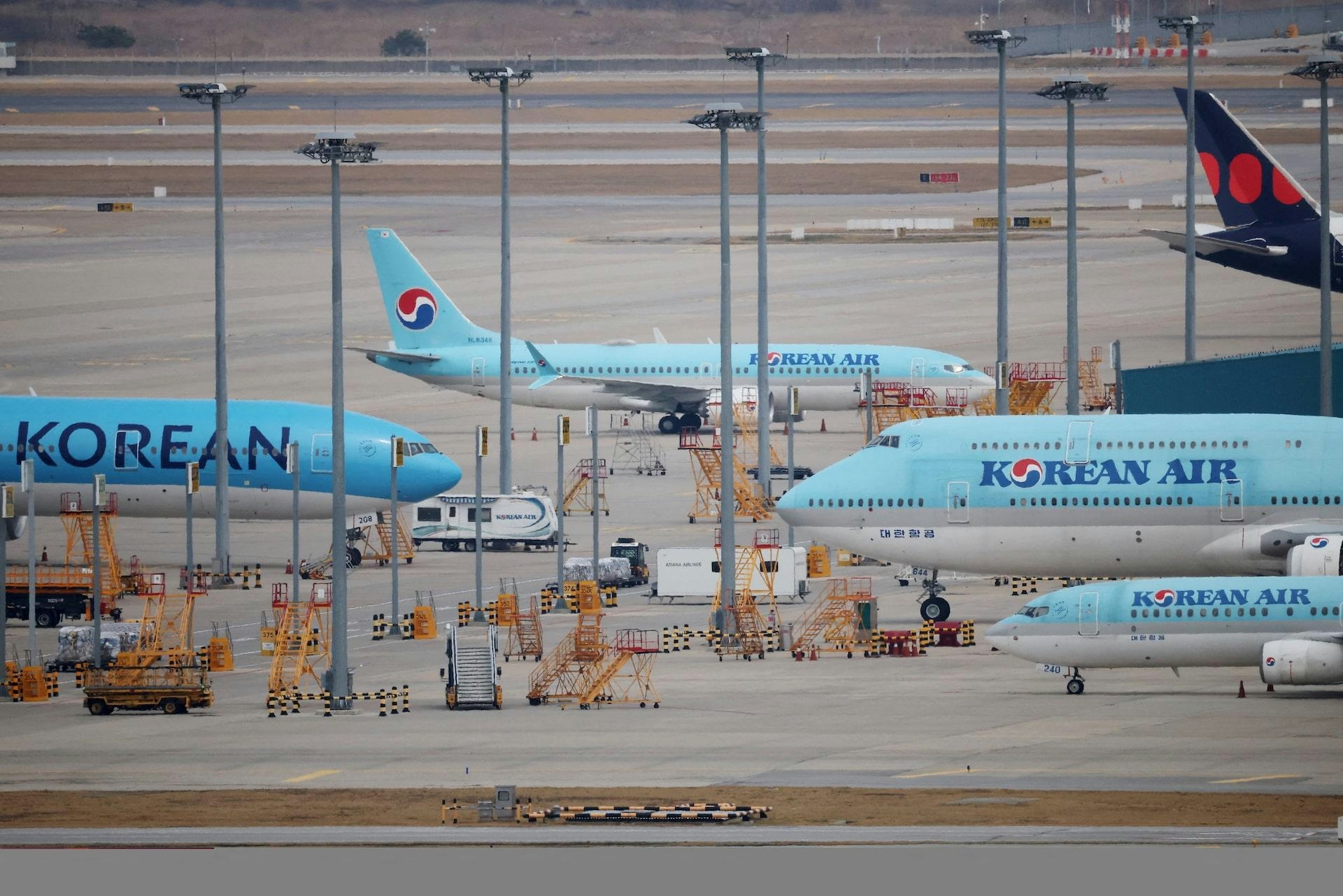
Korean Air Finalizes $36.2 Billion Deal with Boeing
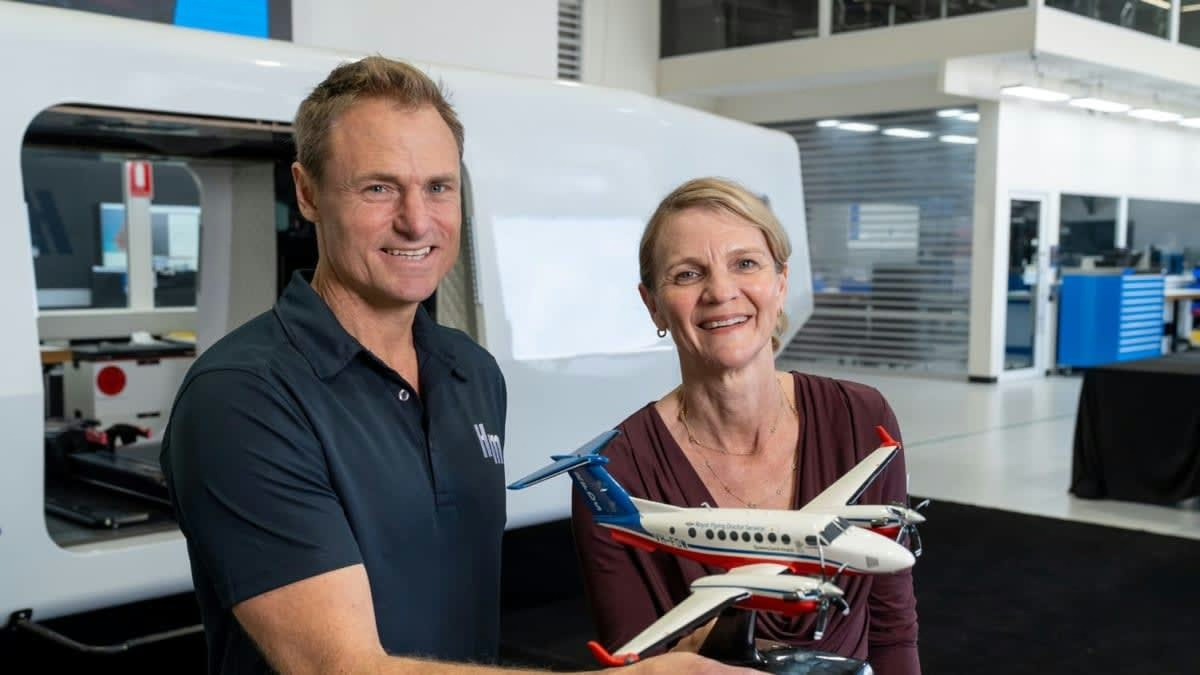
Australia’s RFDS Queensland Section Orders Six King Air 260Cs
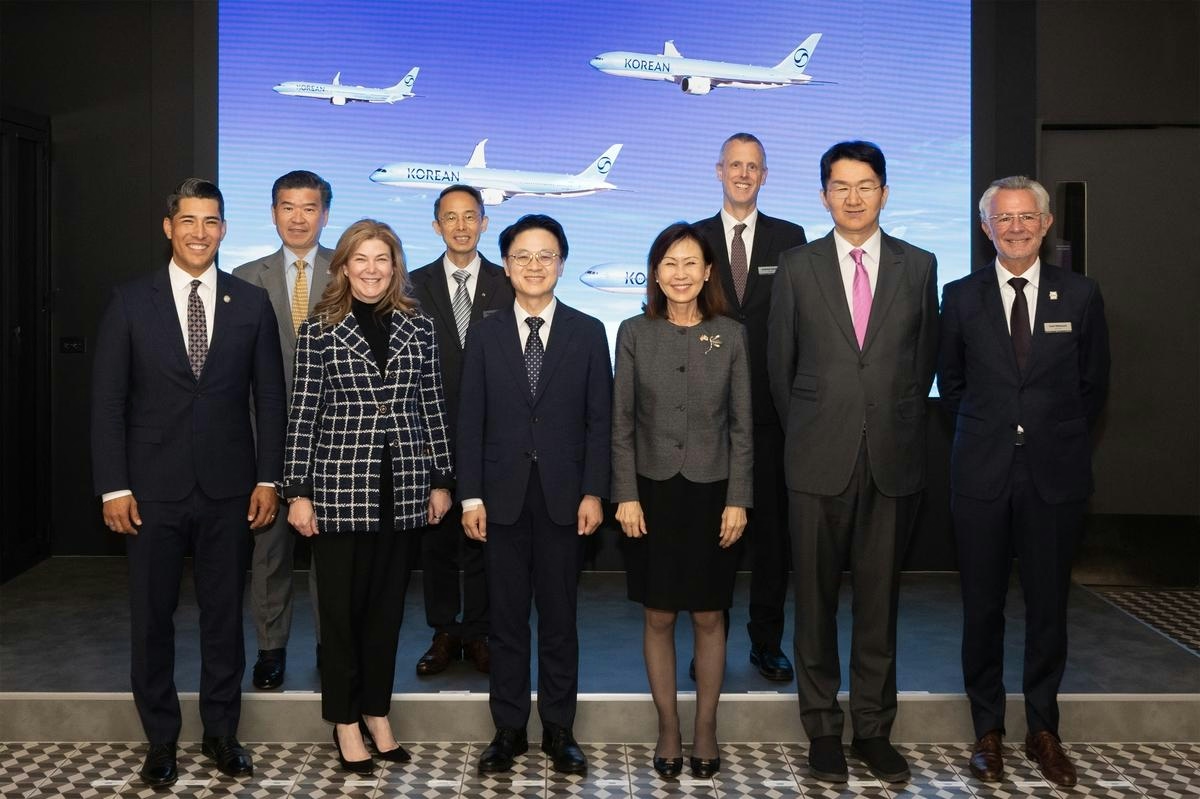
Korean Air Finalizes Order for 103 Boeing Jets and Engines
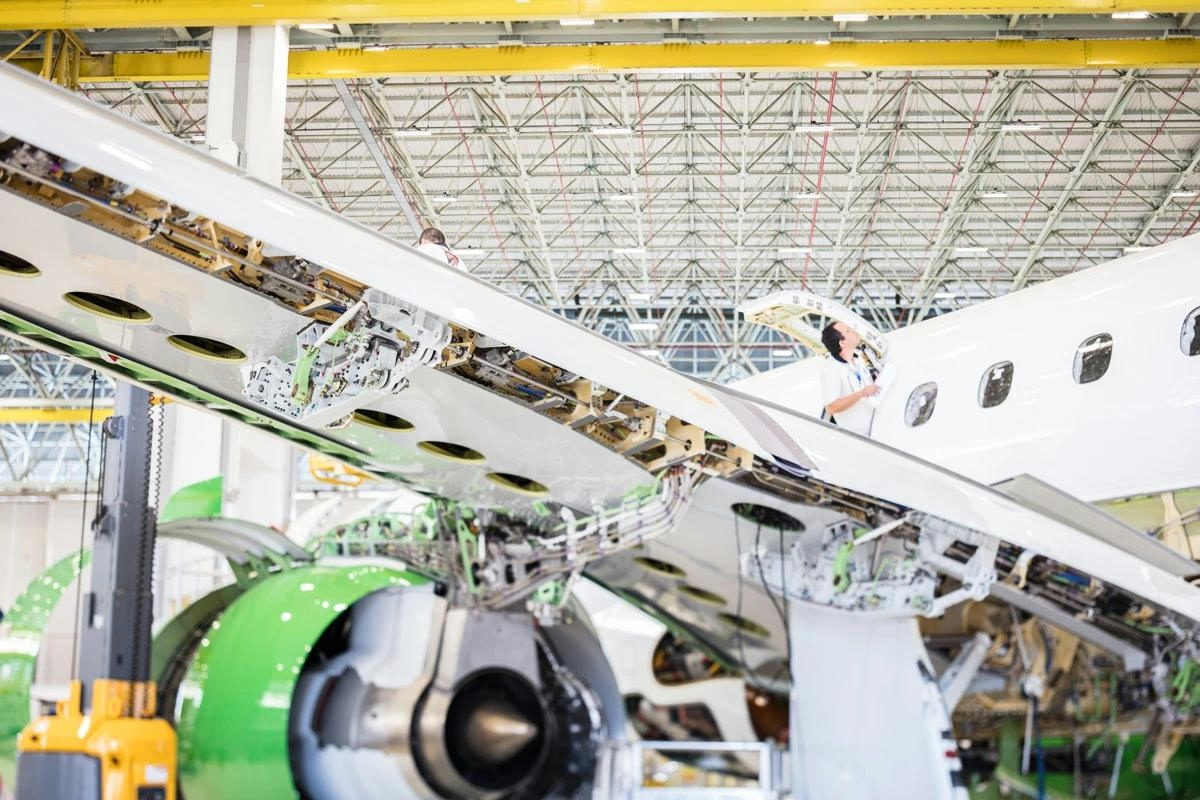
Embraer E195-E2 Features Distinctive Engine Placement Among Regional Jets
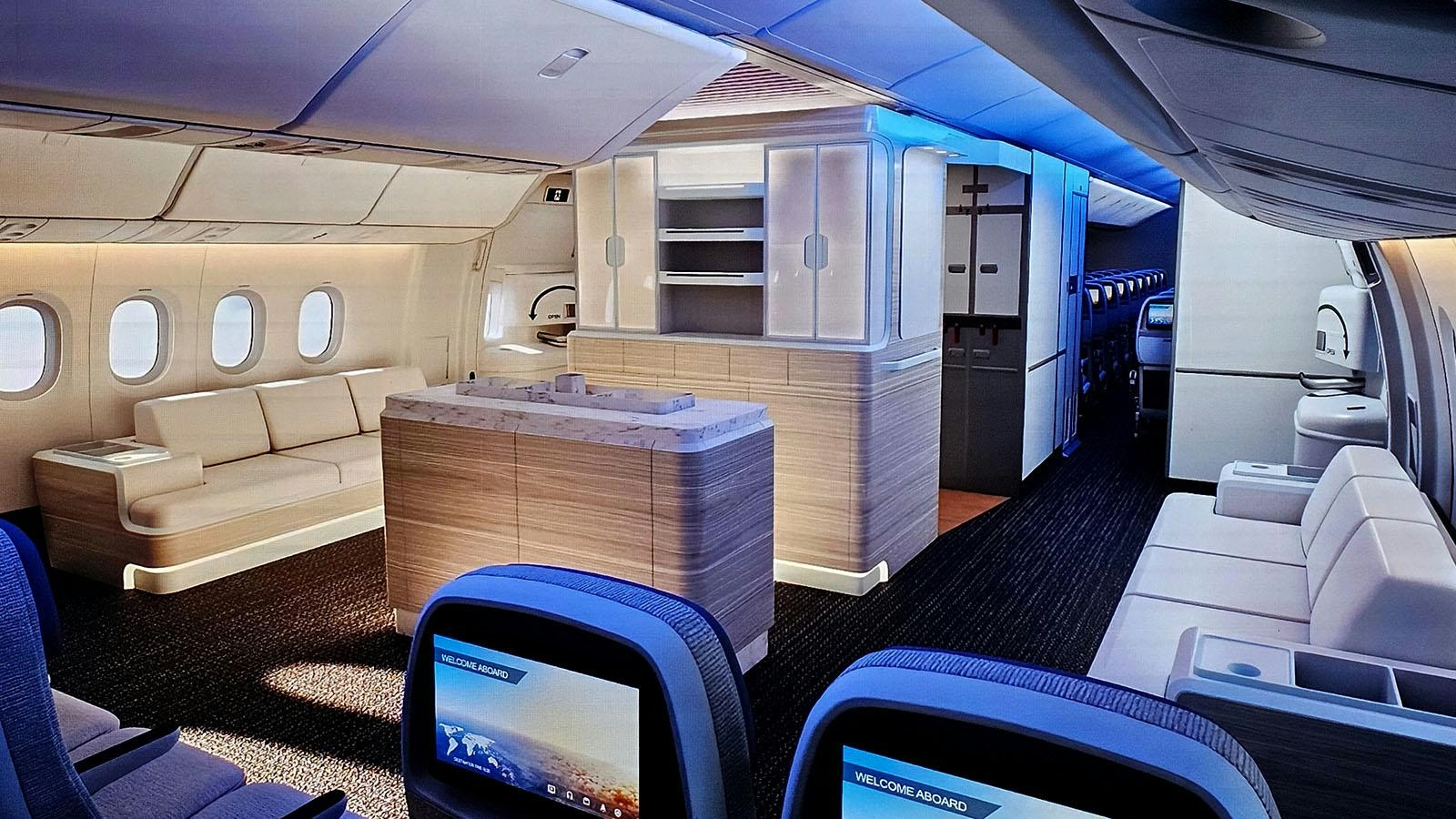
What Passengers Can Expect on Boeing’s New 777X Jet

How Ethiopian Airlines Became Africa’s Leading Carrier Amid Gulf Competition
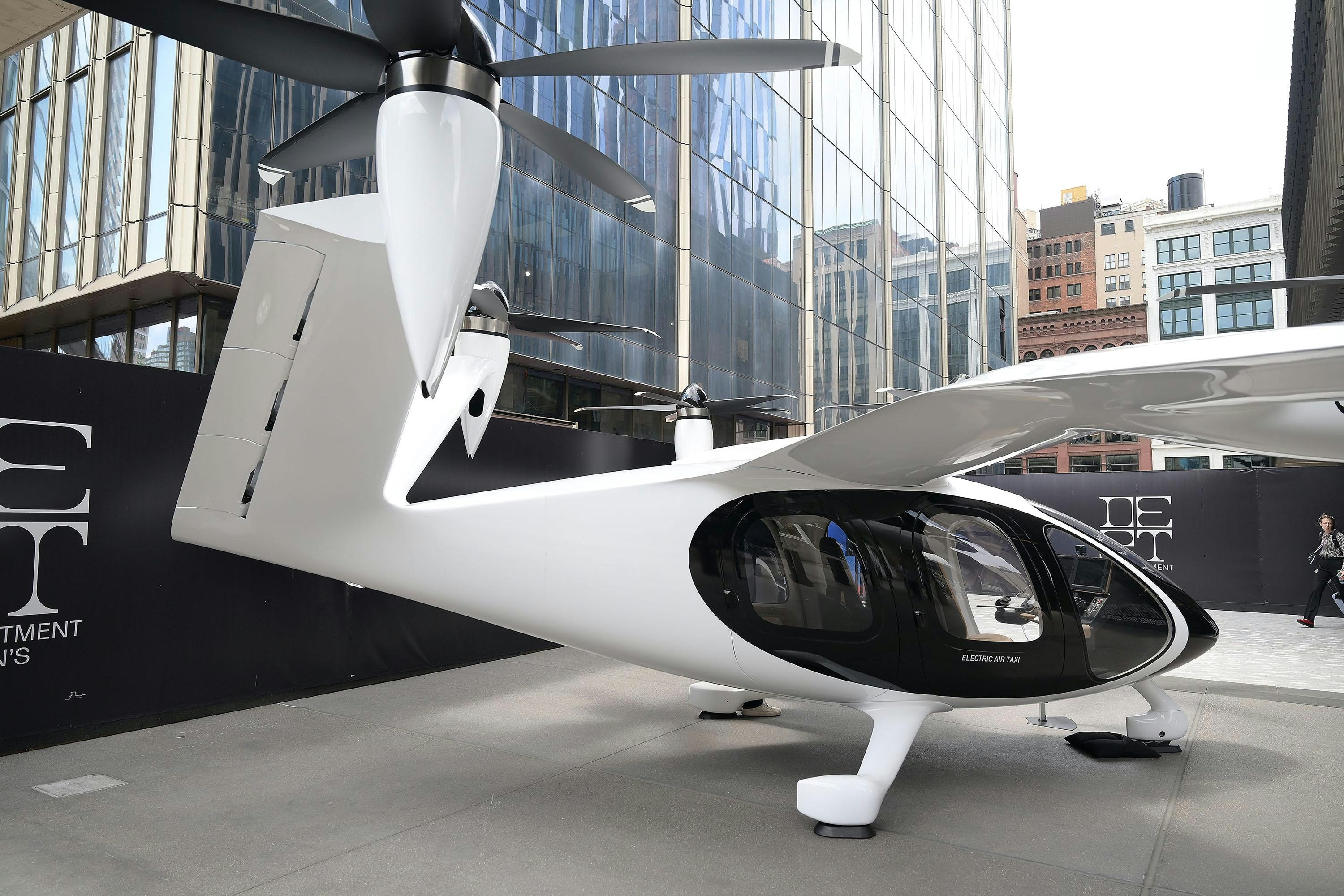
Joby Aviation Extends Autonomous Flight Capabilities with Cross-Country Tour
