
Orquesta conocimientos de IA para convertirlos en acción

Tendencias
Categories
United Boeing 767 Flight to Newark Diverts to Ireland Due to Engine Vibrations
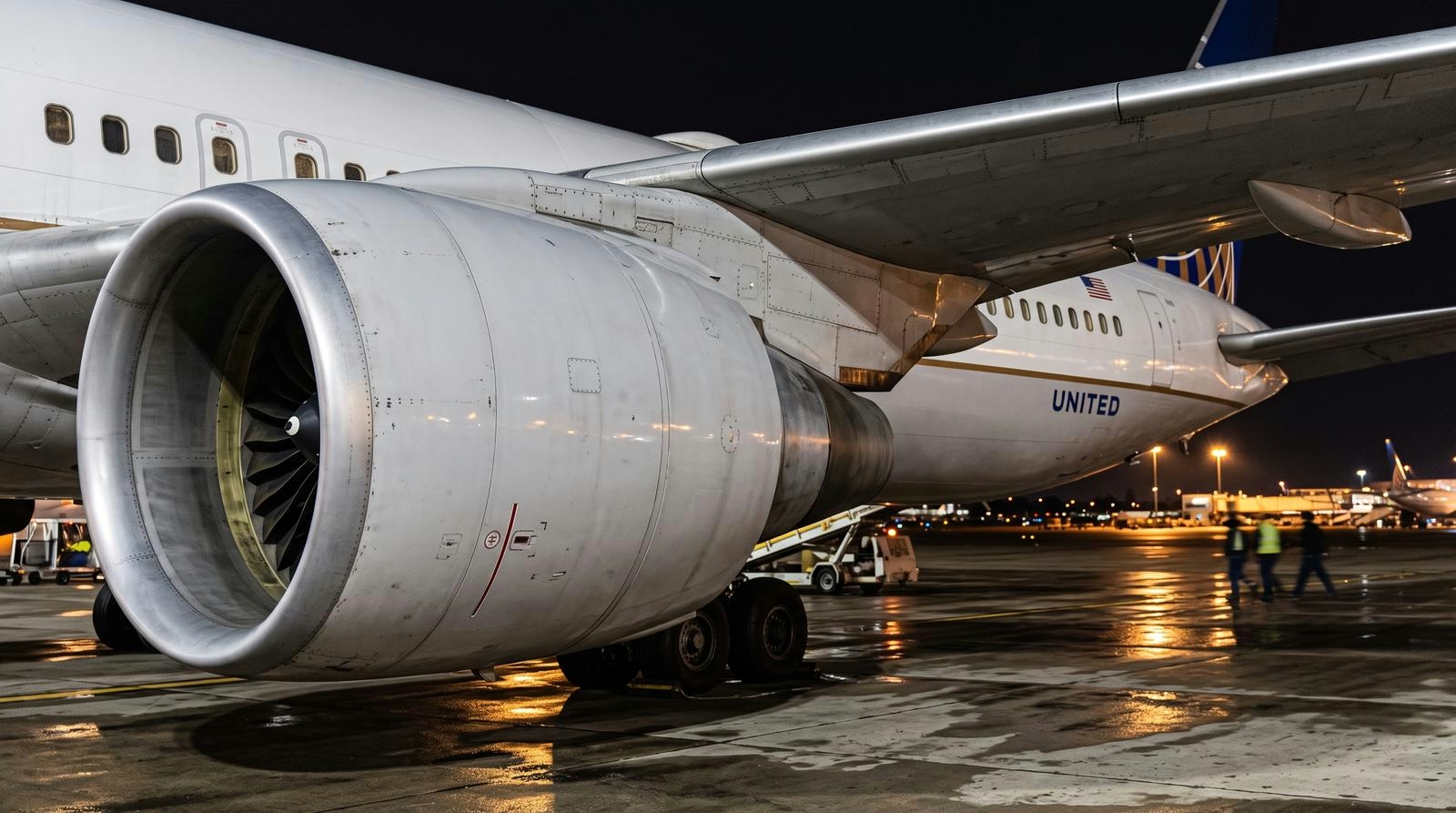
United Airlines Boeing 767 Diverts to Ireland Following Engine Vibrations
Mid-Flight Emergency Forces Diversion
On July 11, 2026, United Airlines Flight UA509, a Boeing 767-400ER registered as N76065, was compelled to make an emergency landing in Shannon, Ireland, after encountering technical difficulties during its transatlantic journey. The flight, carrying 227 passengers and crew, had departed Rome Fiumicino Airport bound for Newark Liberty International Airport. Approximately three hours into the flight, while cruising at 32,000 feet over French airspace and entering the Atlantic crossing, the crew detected unusual vibrations emanating from the right-hand engine. Concurrently, an unfamiliar odor was reported within the cabin, prompting the flight crew to declare an emergency and divert the aircraft to the nearest suitable airport.
The pilots responded by reducing power on the affected engine and initiating a descent to mitigate potential risks. Aviation tracking data confirmed the aircraft’s course alteration toward Ireland, a frequent diversion point for transatlantic flights experiencing technical issues.
Safe Arrival and Ongoing Investigations
The Boeing 767 landed safely at Shannon Airport on Ireland’s west coast, where emergency services were on standby as a precautionary measure. All passengers and crew disembarked without injury. United Airlines subsequently cancelled the remainder of Flight UA509 and commenced a thorough inspection of the aircraft, focusing on the right engine to ascertain the cause of the vibrations and odor reported during the flight. Passengers affected by the disruption were assisted and rebooked on alternative flights.
Broader Industry Context and Implications
This incident underscores the operational challenges associated with maintaining aging aircraft fleets and highlights the critical importance of stringent maintenance protocols. The diversion occurs amid increased scrutiny of airline safety standards, following recent high-profile events such as the emergency landing of a Ryanair Boeing 737 due to engine complications. Such occurrences often trigger heightened regulatory attention and can impact passenger confidence in airline reliability.
In a competitive market, airlines may leverage these incidents to reinforce their own safety records and operational dependability. The aviation sector continues to navigate the complex balance between fleet age, maintenance demands, and the imperative to maintain public and regulatory trust.
United Airlines has yet to disclose the definitive cause of the engine vibrations. However, the episode is expected to undergo detailed examination by aviation authorities and industry experts as part of ongoing efforts to enhance the safety of transatlantic air travel.

Etihad and Swissport Extend Global Partnership
Sepehran Airlines B737 Returns to Mashhad After Tyre and Engine Issues

Etihad Deploys Widebody Fleet to Meet Strong Demand
Korean Air Finalizes $36.2 Billion Deal with Boeing

Australia’s RFDS Queensland Section Orders Six King Air 260Cs

Korean Air Finalizes Order for 103 Boeing Jets and Engines
Embraer E195-E2 Features Distinctive Engine Placement Among Regional Jets
What Passengers Can Expect on Boeing’s New 777X Jet

How Ethiopian Airlines Became Africa’s Leading Carrier Amid Gulf Competition
Joby Aviation Extends Autonomous Flight Capabilities with Cross-Country Tour
