
Orquesta conocimientos de IA para convertirlos en acción

Tendencias
Categories
Vallair Introduces New Governance Structure to Enhance Efficiency and Growth
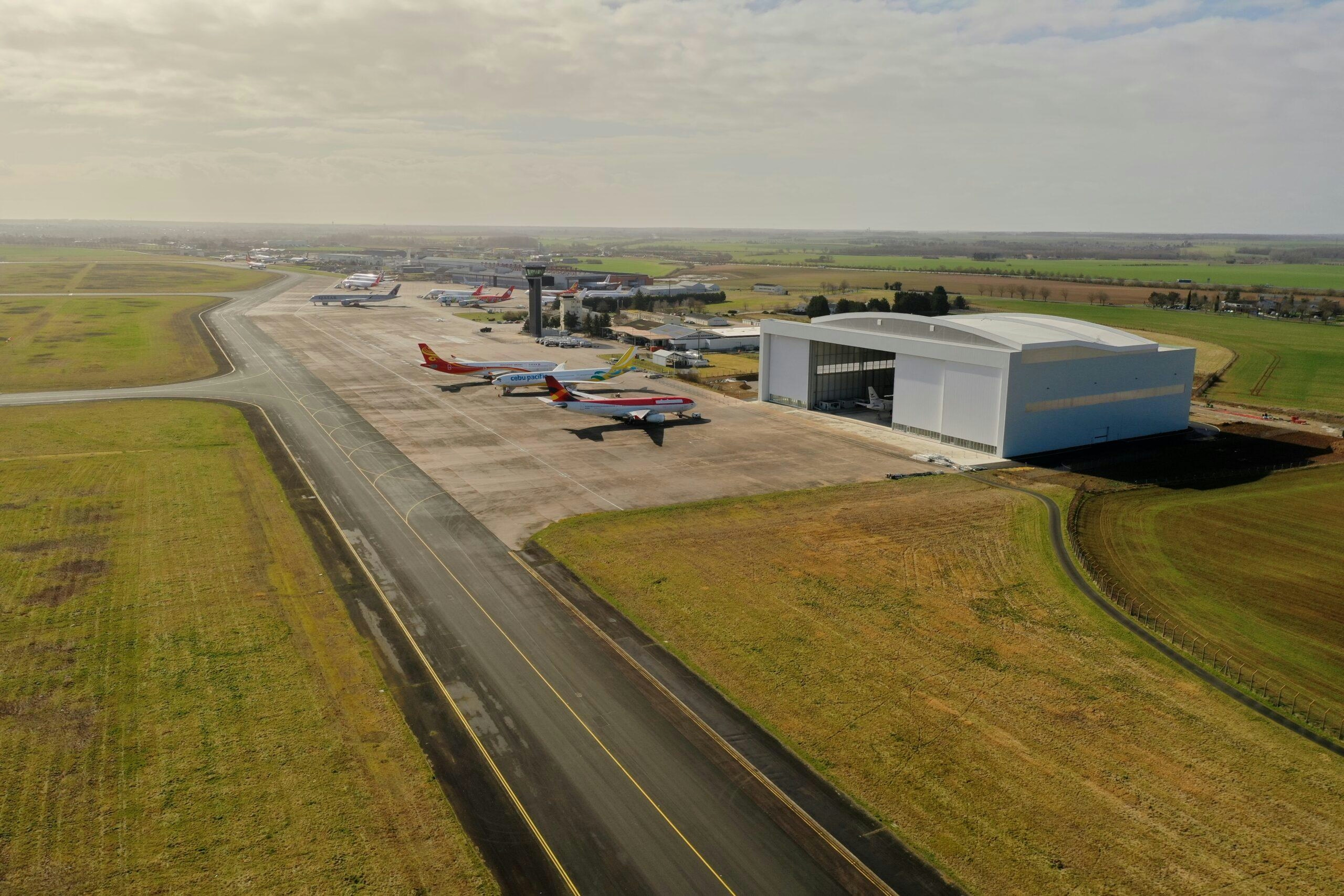
Vallair Introduces New Governance Structure to Enhance Efficiency and Growth
Vallair has announced a comprehensive overhaul of its governance structure across its maintenance centres, a strategic move intended to improve management efficiency and support the company’s long-term growth objectives. This restructuring aligns with shifting market dynamics and evolving customer demands, enabling Vallair to better address industry transformations such as the increasing prevalence of composite-intensive aircraft, emerging technologies, and changing airline requirements.
Leadership Realignment Across Key Centres
In the new governance framework, Grégoire Lebigot resumes his role as CEO of Vallair Industries and will also oversee the Châteauroux MRO centre. He will work in close partnership with François Fermaut, who has been appointed Director of Operations. Fermaut, formerly responsible for the aerostructure centre, now manages both the engine business unit and the CHR2 airframe maintenance centre, consolidating operational oversight in these critical areas.
At the Montpellier MRO centre, Gilles Fossecave has been named CEO, supported by Jean-François Deorocki as Director of Operations. This site-specific leadership model is designed to enhance operational proximity and ensure that each facility benefits from management with deep sector expertise and hands-on experience.
Strengthening Financial and Strategic Foundations
At the group level, Vallair has created the position of Chief Financial Officer, appointing Maxime Gorsse—currently Treasurer and CEO of Vallair Asset Solutions—to this role. The CFO position consolidates responsibilities for accounting, finance, and investor relations, reflecting the company’s expanding scale and ambition. This move aims to reinforce Vallair’s financial and strategic infrastructure as it navigates a complex and competitive market environment.
Market and Industry Implications
While Vallair’s leadership anticipates that these organisational changes will enhance operational efficiency and better prepare the company for future challenges, the restructuring occurs amid a competitive landscape where market responses may vary. Some investors may regard the new governance model as a proactive measure to secure sustainable growth, whereas others might express concerns about potential short-term disruptions during the transition. Stakeholders could also demonstrate skepticism or resistance as the company implements the new structure.
Competitors such as Alfa Laval AG, 3M Company, and CECO Environmental Corp. are expected to observe Vallair’s restructuring closely. These industry peers may seize the opportunity to reassess their own strategic approaches, potentially accelerating innovation and operational improvements to maintain or strengthen their market positions.
Vallair’s organisational adjustments highlight its forward-looking strategy, positioning the group to anticipate and respond effectively to ongoing industry trends. By initiating these changes early, Vallair aims to confidently face the challenges and opportunities that lie ahead.

Etihad Airways Suspends Airbus A380 Flights on Key Route

Aditya Birla Group Seeks Approval for Aircraft Leasing in GIFT City

Qatar Airways Highlights Innovation and Connectivity at Arabian Travel Market 2026

Hong Kong's Five-Year Plan Includes Andrew Fan's Aircraft Parts Processing Hub Proposal

ACIA Aero Leasing Delivers ATR72-600 to Air Nostrum

RTX Appoints Jill Albertelli as Head of Pratt & Whitney

TAT Technologies Joins Beyond Aero Hydrogen Aircraft Program

AURAK Study Highlights Barriers to Air Taxi Adoption in Emerging Economies

Xiamen Air Selects Altitude for 787 Maintenance at Heathrow

Etihad and Swissport Extend Global Partnership
