
Orquesta conocimientos de IA para convertirlos en acción

Tendencias
Categories
VietJet Negotiates Purchase of Approximately 100 Airbus Jets
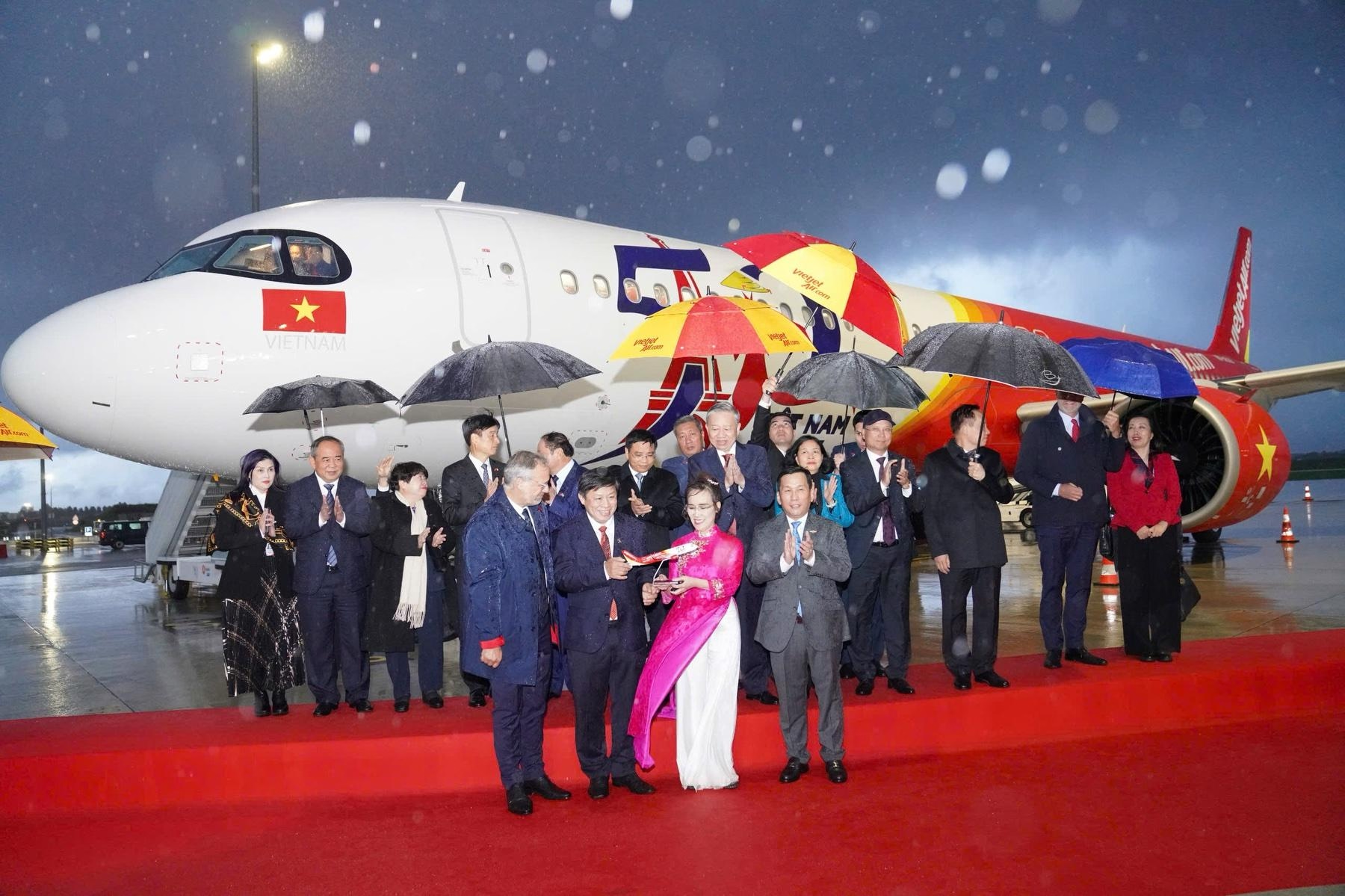
VietJet in Negotiations to Acquire Approximately 100 Airbus Jets
VietJet is engaged in discussions to purchase around 100 Airbus aircraft, a development that could substantially transform the airline’s fleet composition and influence regional aviation dynamics. These negotiations are unfolding amid significant economic uncertainties, prompting questions about VietJet’s capacity to secure the necessary financing for such a large-scale acquisition.
Financial and Competitive Challenges
Industry experts emphasize that large aircraft orders often invite rigorous examination of an airline’s financial stability and operational capabilities. For VietJet, the primary challenge lies in managing both the immediate financial outlay and the long-term obligations associated with expanding its fleet to this extent. The airline’s financial resilience is expected to be closely scrutinized, particularly as global economic pressures continue to mount.
The potential deal also emerges in a context of intensifying competition within the aerospace sector. Several major carriers, including prominent Chinese airlines, are reportedly contemplating substantial aircraft purchases themselves. This competitive environment may complicate VietJet’s efforts to negotiate favorable terms with Airbus, as rival airlines seek to leverage their own orders to secure advantageous conditions. Consequently, VietJet faces not only internal financial constraints but also external pressures from competitors adjusting their strategies in response.
Rival airlines are likely to monitor VietJet’s negotiations attentively, with some potentially responding by modifying route networks, enhancing service quality, or accelerating fleet renewal initiatives. Such strategic responses could further alter the competitive landscape in Southeast Asia’s aviation market.
Implications for Airbus and the Regional Market
For Airbus, securing a deal with VietJet would represent a significant achievement, reinforcing its market position in a region where demand for new aircraft is experiencing a resurgence. Nonetheless, the manufacturer must carefully manage its production capacity to accommodate multiple large orders from various global carriers.
As negotiations continue, industry observers will be watching closely for indications of how VietJet intends to finance the acquisition and integrate the new jets into its operations. The outcome of these talks has the potential to influence not only VietJet’s growth trajectory but also broader trends in airline competition and aircraft procurement across Asia.
While no final agreement has yet been announced, the prospective order highlights the complex interplay of opportunities and challenges confronting airlines and manufacturers in an evolving global aviation industry.

Etihad Airways Suspends Airbus A380 Flights on Key Route

Aditya Birla Group Seeks Approval for Aircraft Leasing in GIFT City

Qatar Airways Highlights Innovation and Connectivity at Arabian Travel Market 2026

Hong Kong's Five-Year Plan Includes Andrew Fan's Aircraft Parts Processing Hub Proposal

ACIA Aero Leasing Delivers ATR72-600 to Air Nostrum

RTX Appoints Jill Albertelli as Head of Pratt & Whitney

TAT Technologies Joins Beyond Aero Hydrogen Aircraft Program

AURAK Study Highlights Barriers to Air Taxi Adoption in Emerging Economies

Xiamen Air Selects Altitude for 787 Maintenance at Heathrow

Etihad and Swissport Extend Global Partnership
