
Orquesta conocimientos de IA para convertirlos en acción

Tendencias
Categories
Virgin Atlantic Reduces A330-900neo Seating to Add Upper Class Suites
Virgin Atlantic Reduces A330-900neo Seating to Add Upper Class Suites
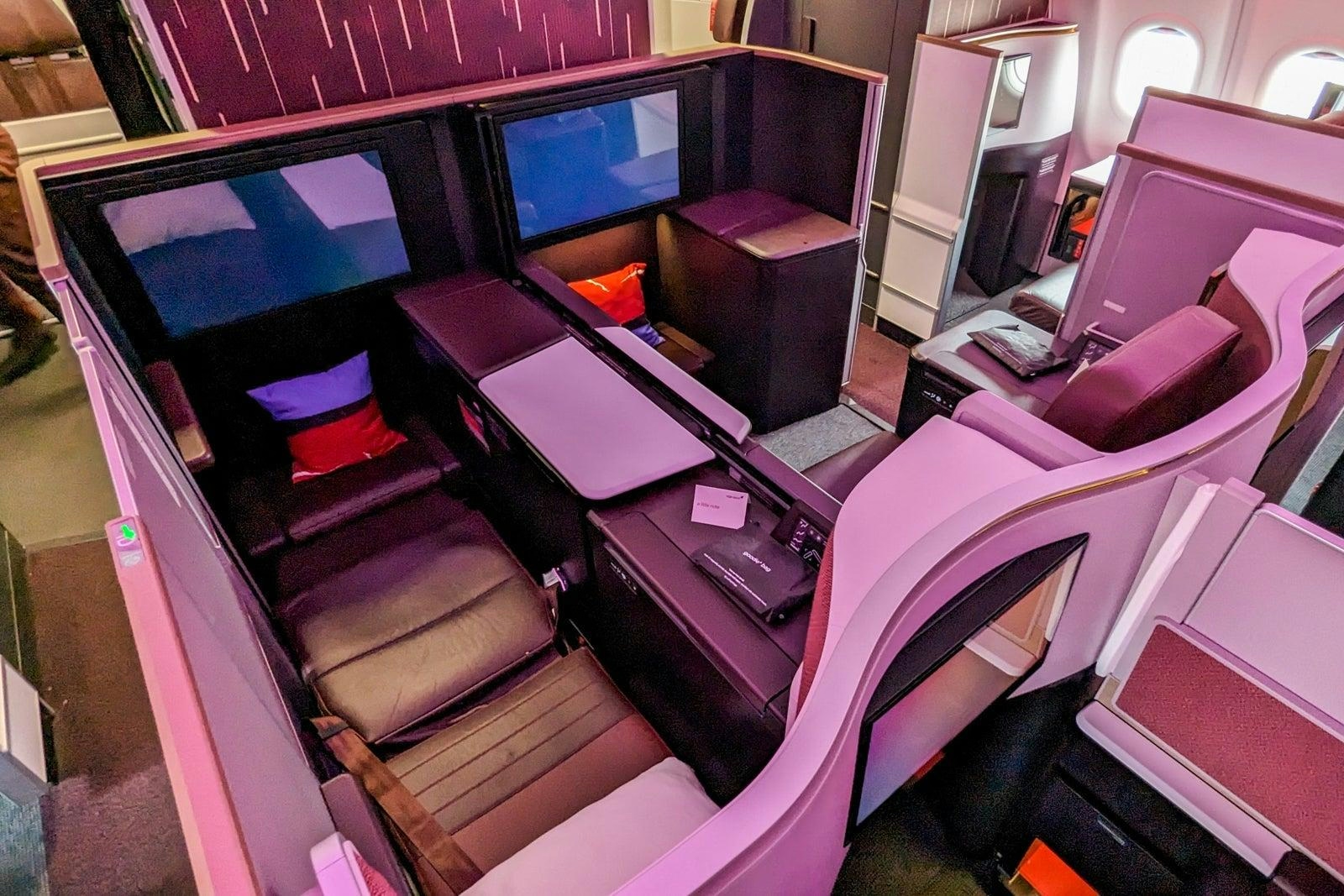
Virgin Atlantic is undertaking a significant strategic shift by reducing the seating capacity on its incoming Airbus A330-900neo fleet to enhance its premium travel offerings. The airline plans to remove 30 seats from each of its ten new widebody aircraft, decreasing standard economy seating by 56 seats. This adjustment will allow the expansion of Upper Class suites to 48 and Premium Economy seats to 56, reflecting a clear focus on attracting high-margin corporate and upscale leisure travelers on key routes from London Heathrow.
Financing and Strategic Rationale
This transformation is supported by a $745 million financing agreement with Apollo Global Management, secured against 27 of Virgin Atlantic’s valuable Heathrow takeoff and landing slots. The private credit facility will enable the airline to restructure its balance sheet and invest in new cabin configurations alongside fleet-wide technology upgrades. Approximately $180 million of the funds will be allocated to repaying legacy debt from a previous slot-backed loan, with the remainder dedicated to the premium-focused redesign.
Virgin Atlantic’s decision aligns with a broader industry trend where airlines prioritize premium products over high-density seating to maximize revenue per square foot. By reducing the total aircraft capacity from 262 to 232 seats, the airline is betting on the growing demand for privacy, comfort, and connectivity among high-yield corporate travelers, particularly on transatlantic routes.
Cabin Layout and Market Implications
The revised cabin layout is notably ambitious. Upper Class seating will increase by 16 suites, from 32 to 48, including a tripling of the exclusive front-row Retreat Suites—from two to six per aircraft. These suites will offer solo window options and central pairs that can convert into quad-dining spaces, catering to groups. Premium Economy will also expand from 46 to 56 seats, targeting mid-tier business and upscale leisure passengers. This reallocation comes at the expense of standard economy, which will be reduced from 184 to 128 seats.
Despite the potential benefits, the transformation faces challenges. Regulatory approval for new cabin configurations can be a protracted and complex process, potentially delaying the rollout. Market reactions may include intensified competition as rival carriers enhance their own premium offerings, alongside possible resistance from passengers accustomed to traditional seating arrangements. Competitors are expected to adopt similar strategies to capture travelers seeking enhanced privacy and connectivity.
Virgin Atlantic’s decision to use highly valuable Heathrow slots as collateral underscores its confidence in this premium-focused approach. While leveraging such critical operational assets involves inherent risks, the move aims to maximize per-passenger revenue and strengthen the airline’s competitive position in the transatlantic market. In close partnership with Delta Air Lines, Virgin Atlantic is positioning itself to secure a larger share of the premium corporate travel segment amid evolving passenger expectations and regulatory challenges.

Etihad Airways Suspends Airbus A380 Flights on Key Route

Aditya Birla Group Seeks Approval for Aircraft Leasing in GIFT City

Qatar Airways Highlights Innovation and Connectivity at Arabian Travel Market 2026

Hong Kong's Five-Year Plan Includes Andrew Fan's Aircraft Parts Processing Hub Proposal

ACIA Aero Leasing Delivers ATR72-600 to Air Nostrum

RTX Appoints Jill Albertelli as Head of Pratt & Whitney

TAT Technologies Joins Beyond Aero Hydrogen Aircraft Program

AURAK Study Highlights Barriers to Air Taxi Adoption in Emerging Economies

Xiamen Air Selects Altitude for 787 Maintenance at Heathrow

Etihad and Swissport Extend Global Partnership
