
Orchestrer les insights d’IA pour les transformer en actions

Tendances
Categories
Advances in AI Enhance F-16 Flight and Combat Capabilities
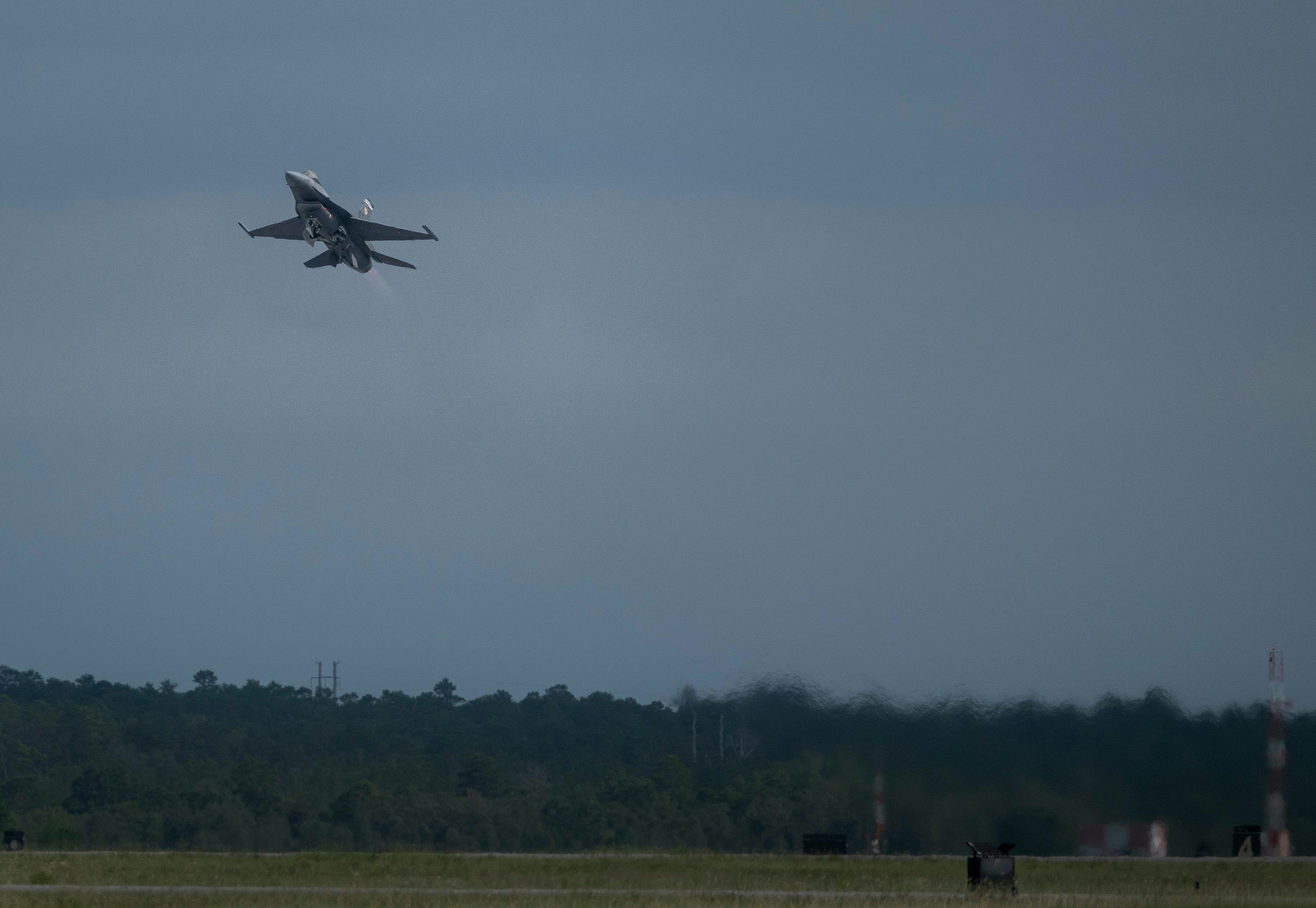
Advances in AI Enhance F-16 Flight and Combat Capabilities
Pioneering AI Integration in Military Aviation
The U.S. Air Force’s X-62 VISTA has become a critical platform for advancing artificial intelligence within military aviation, serving as a testbed for the development and refinement of AI agents capable of piloting fighter jets in complex operational environments. Recent flight campaigns have demonstrated the AI software’s increasing proficiency in processing live sensor data, autonomously tracking targets, and executing sophisticated mission tasks. These capabilities are now being extended to modified operational F-16 aircraft through the Defense Advanced Research Projects Agency’s (DARPA) VENOM program, marking a significant evolution from earlier AI efforts that focused primarily on basic flight maneuvers.
The X-62 VISTA enables researchers to push the boundaries of autonomous flight, laying the foundation for advanced human-machine teaming in future air combat operations. This progression reflects a broader shift toward integrating AI not only as a support tool but as an active participant in mission execution, enhancing the tactical flexibility and responsiveness of fighter jets.
Challenges and Industry Response
Despite these technological advances, integrating AI into frontline fighter jets presents considerable challenges. A primary concern is ensuring that AI systems can reliably predict aircraft failures and improve sustainment processes, thereby enhancing maintenance efficiency and operational readiness. The complexity of managing AI-driven decision-making in real-time combat scenarios raises critical questions about system reliability, safety, and adaptability to rapidly evolving battlefield conditions.
In response, the defense industry has shown increased interest in AI-powered solutions, particularly those focused on predictive maintenance and fleet optimization. Defense contractors are investing heavily in technologies that leverage AI to streamline aircraft upkeep and reduce downtime, recognizing the strategic advantage such innovations could provide in maintaining fleet readiness and operational superiority.
Global Developments and Strategic Implications
The international race to integrate AI into combat aircraft is intensifying. Russia has publicized advancements in this domain, asserting that its Su-57D fighter jet is equipped with combat AI capabilities. Concurrently, China has demonstrated its technological ambitions through joint air force exercises with Egypt, featuring its J-16 fighter jets. These developments highlight a broader global push among major powers to adopt advanced military technologies and cultivate strategic partnerships.
As the U.S. Air Force continues to refine AI integration in platforms such as the F-16, insights gained from the X-62 VISTA and DARPA’s VENOM program are expected to influence the future trajectory of aerial warfare. The ongoing challenge will be to balance the promise of AI-driven capabilities with the operational complexities of real-world combat, as militaries worldwide compete for technological dominance in the skies.

Etihad and Swissport Extend Global Partnership
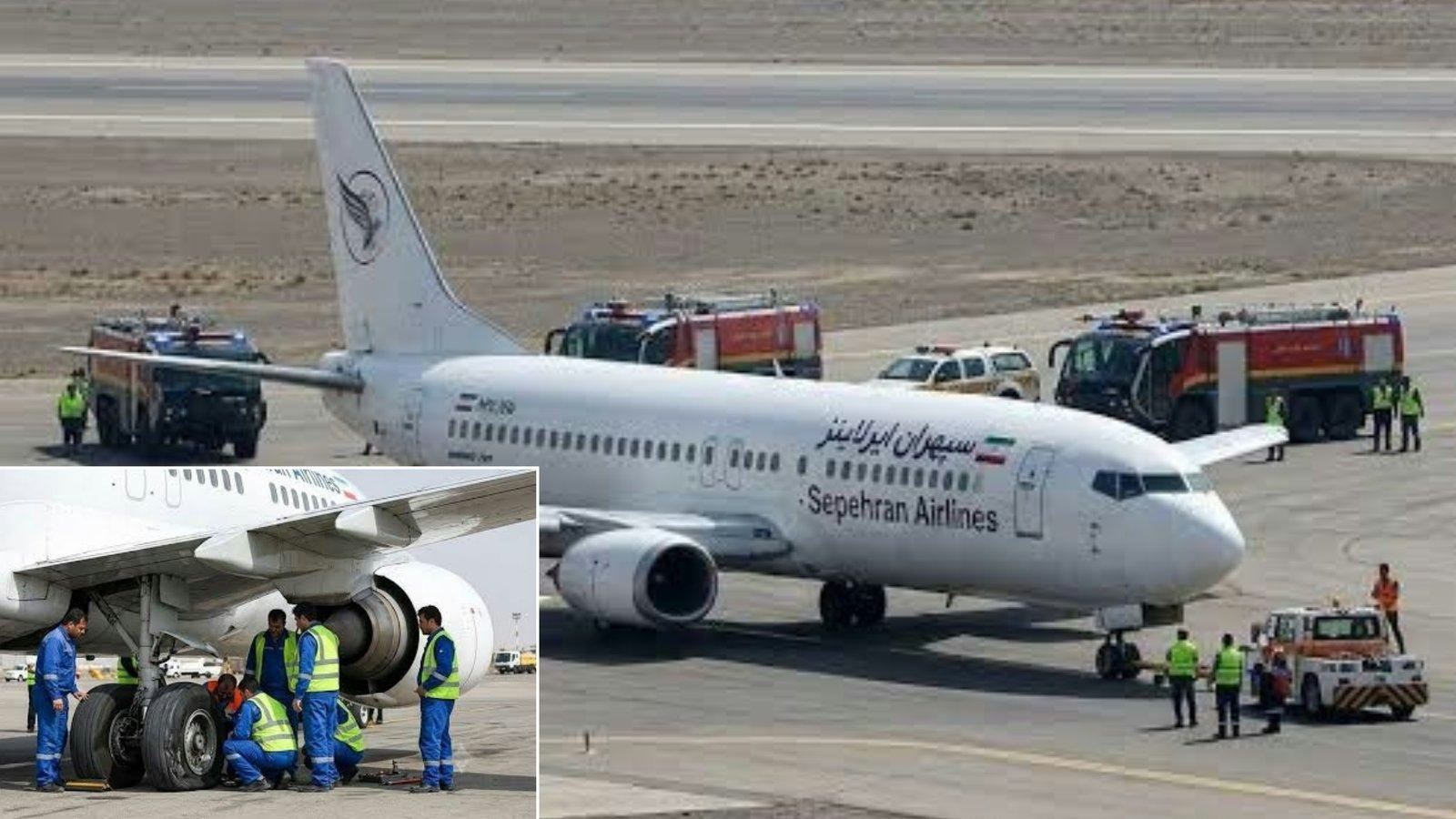
Sepehran Airlines B737 Returns to Mashhad After Tyre and Engine Issues

Etihad Deploys Widebody Fleet to Meet Strong Demand
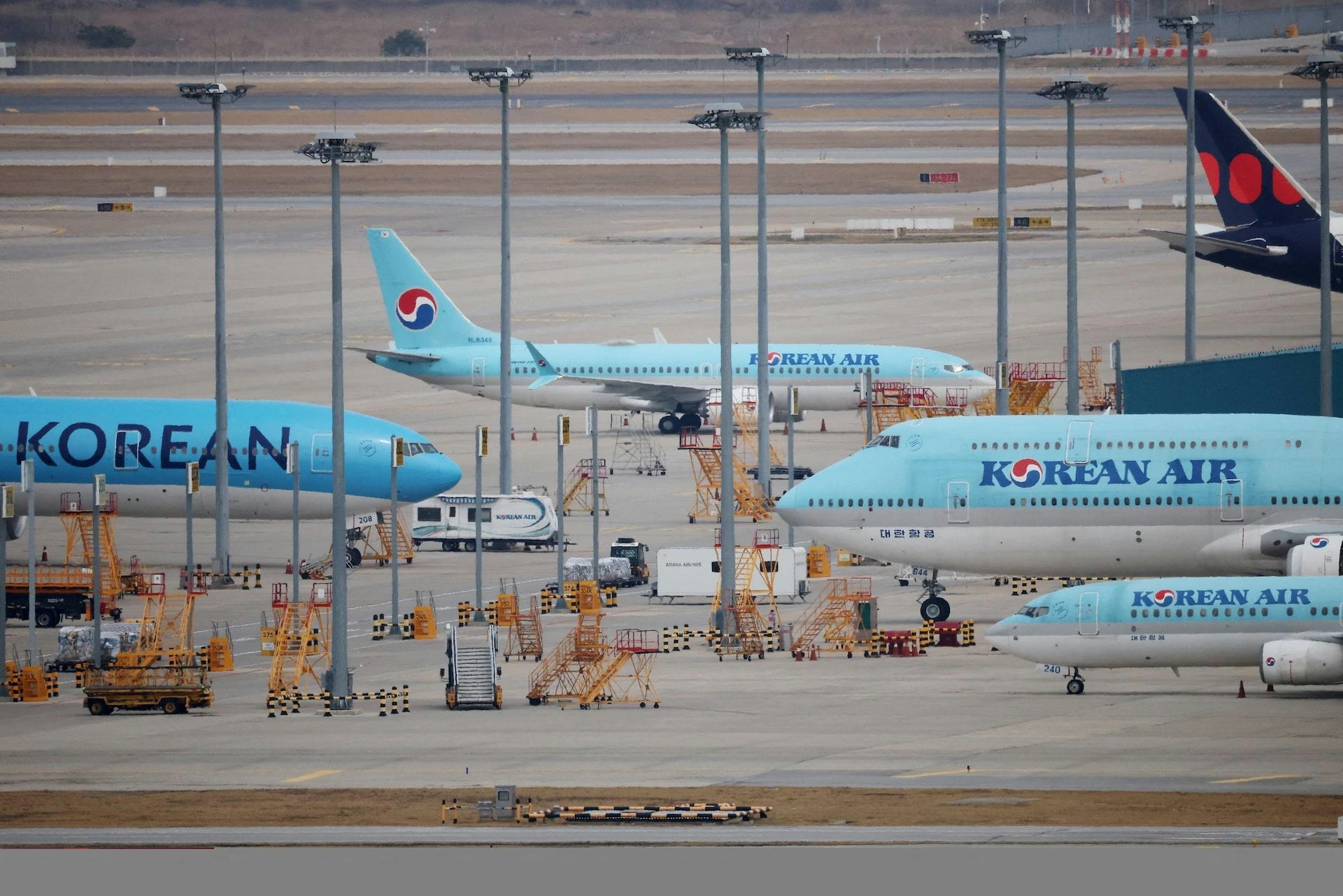
Korean Air Finalizes $36.2 Billion Deal with Boeing
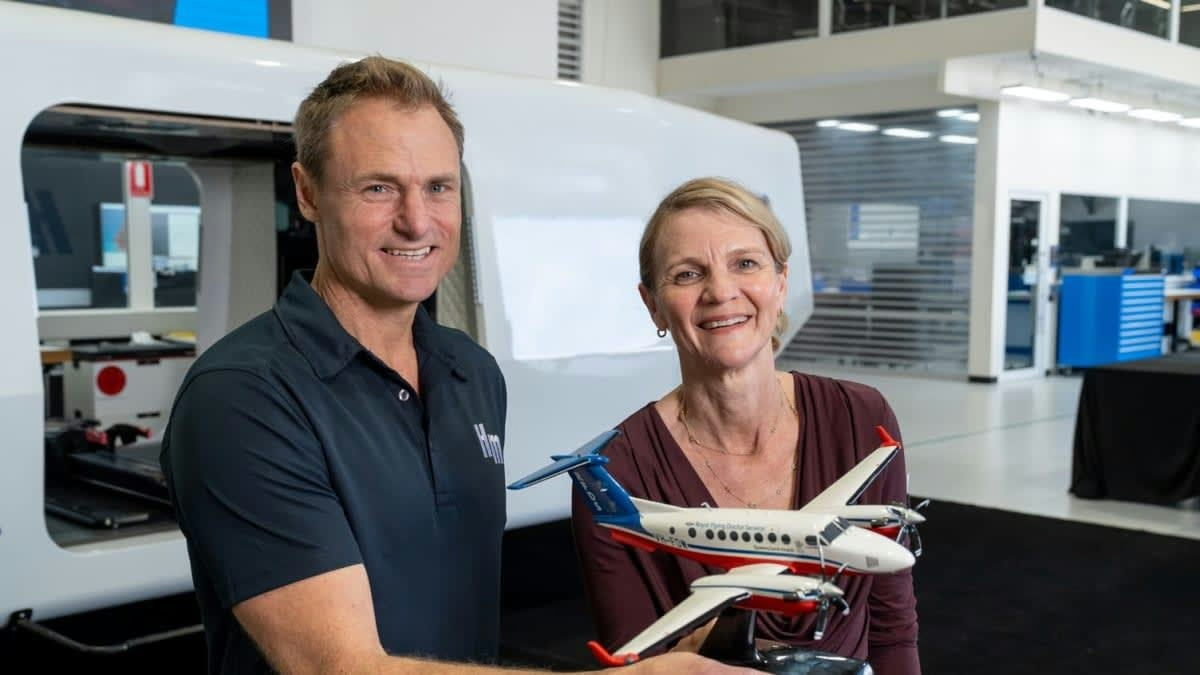
Australia’s RFDS Queensland Section Orders Six King Air 260Cs
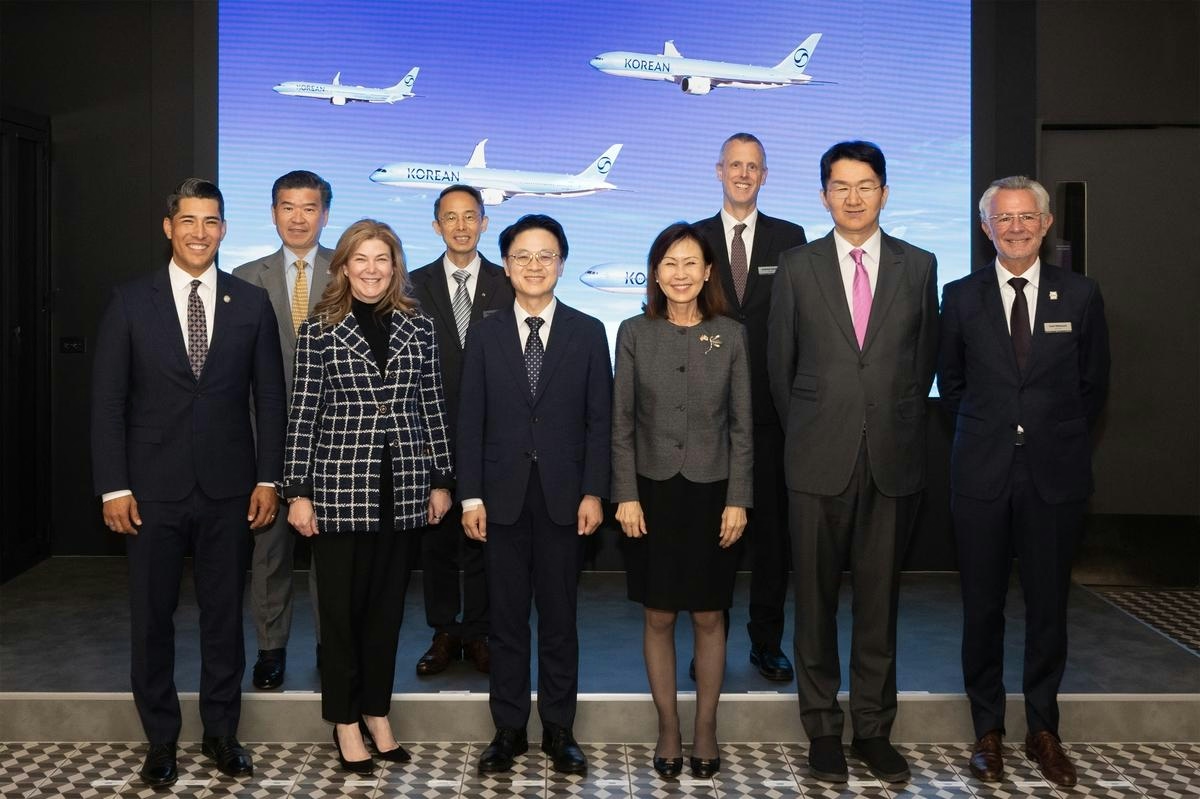
Korean Air Finalizes Order for 103 Boeing Jets and Engines
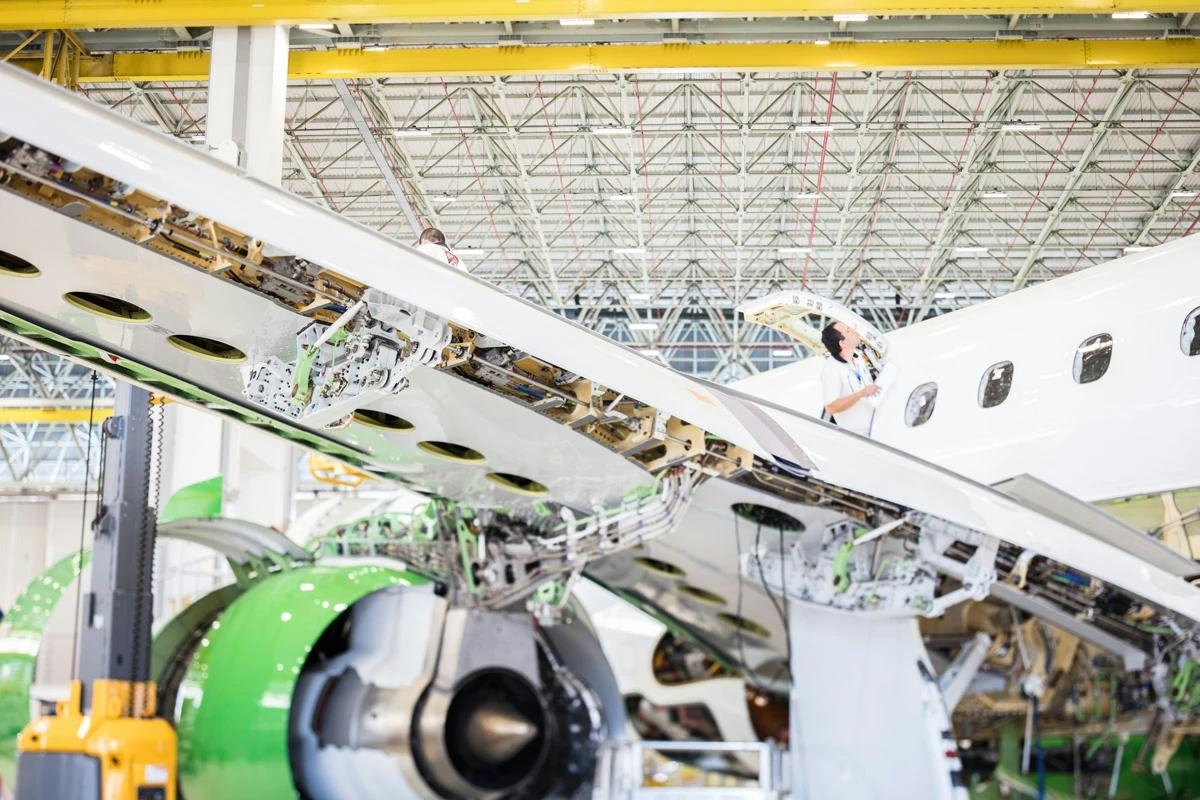
Embraer E195-E2 Features Distinctive Engine Placement Among Regional Jets

What Passengers Can Expect on Boeing’s New 777X Jet

How Ethiopian Airlines Became Africa’s Leading Carrier Amid Gulf Competition
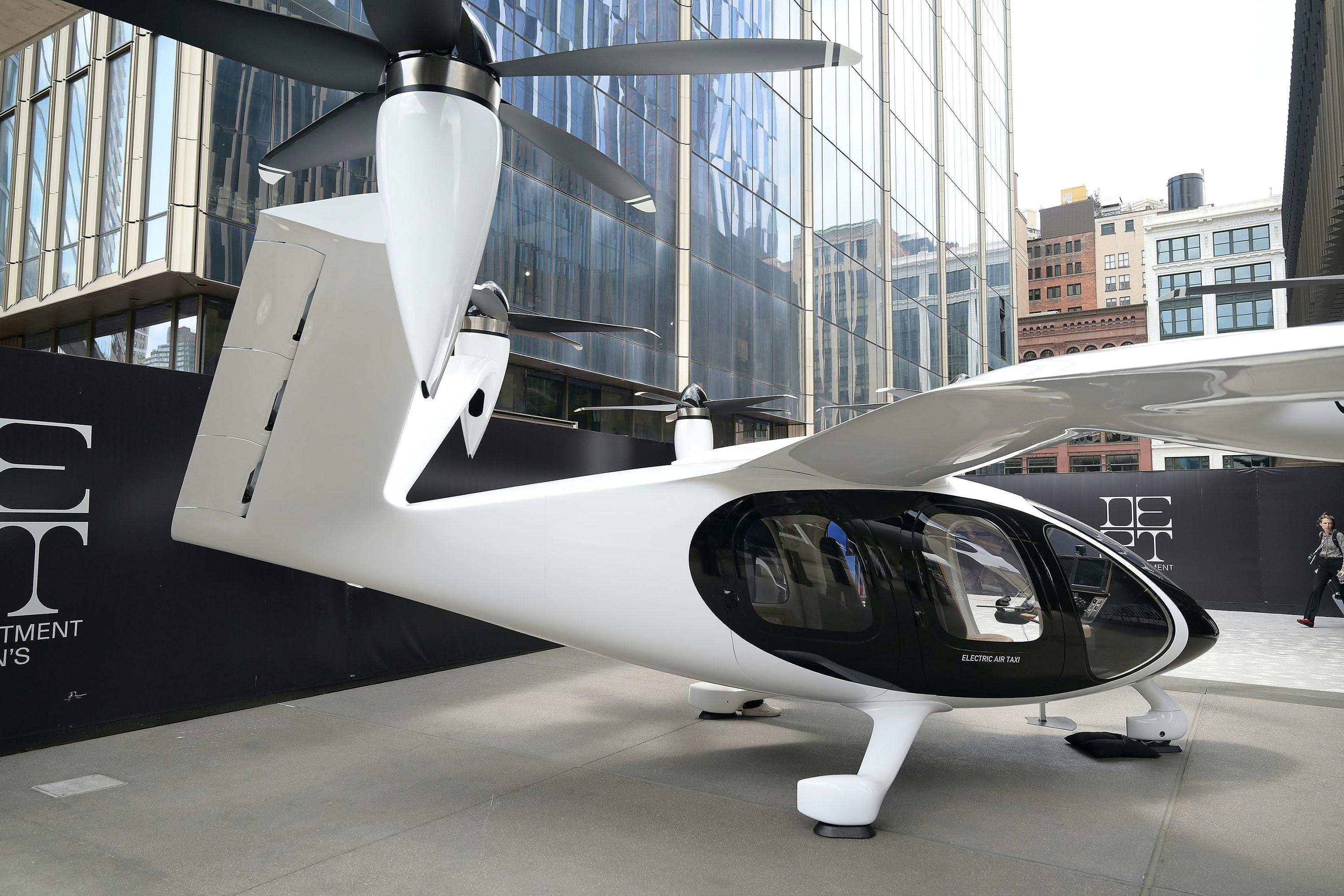
Joby Aviation Extends Autonomous Flight Capabilities with Cross-Country Tour
