
Orchestrer les insights d’IA pour les transformer en actions

Tendances
Categories
Air Canada Ends Widebody Monopoly with Airbus A321XLR Transatlantic Flight from Montreal to Toulouse
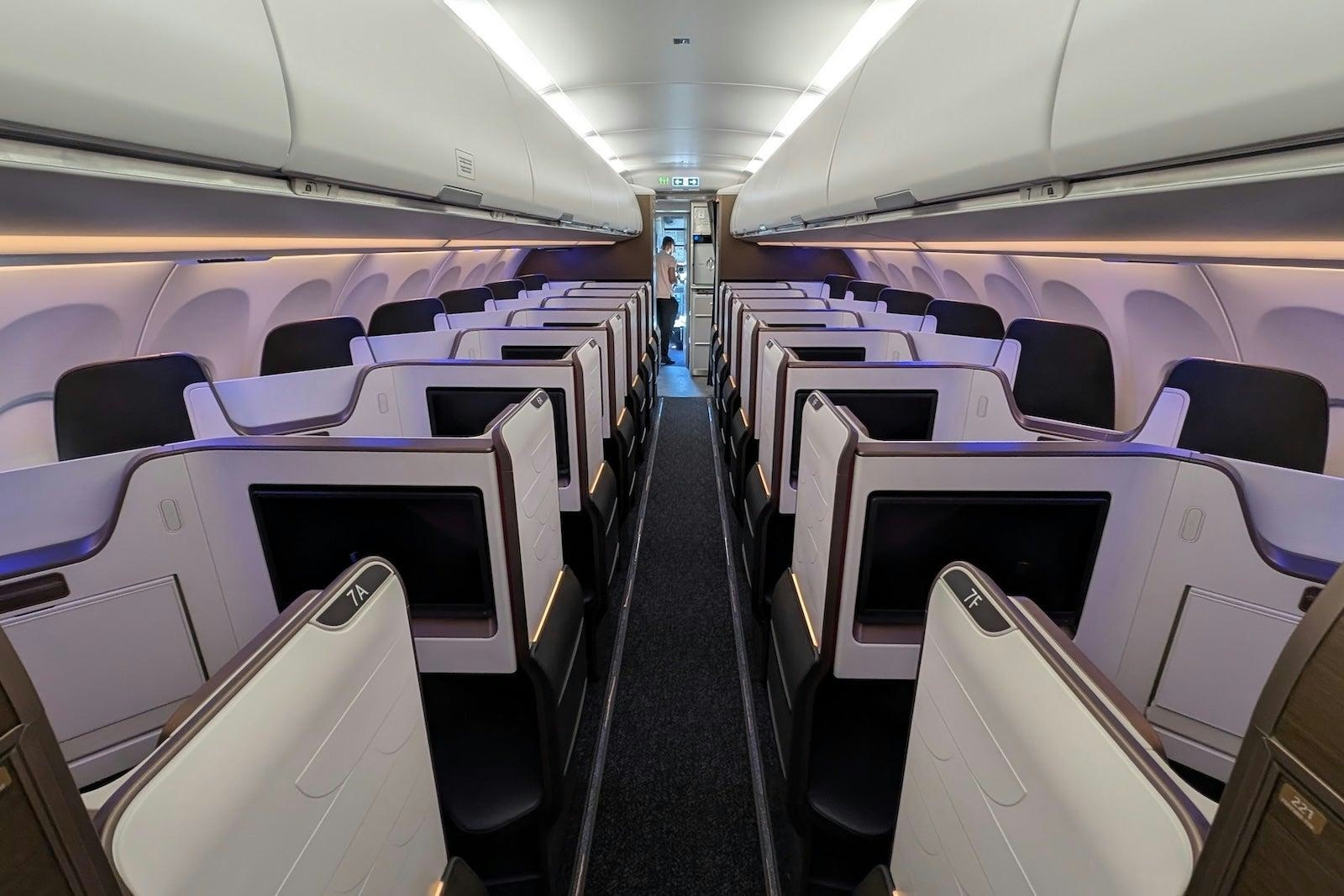
Air Canada Ends Widebody Monopoly with Airbus A321XLR Transatlantic Flight from Montreal to Toulouse
In a significant development for international aviation, Air Canada has successfully completed the first commercial transatlantic flight operated by the Airbus A321XLR, flying nonstop from Montreal–Trudeau International Airport to Toulouse-Blagnac Airport. This achievement challenges the traditional reliance on widebody aircraft for intercontinental routes and introduces a new paradigm in which single-aisle jets can efficiently traverse the North Atlantic.
A New Era for Transatlantic Travel
Historically, airlines have depended on large twin-aisle aircraft such as the Boeing 777, 787, or Airbus A330 to service transatlantic flights. This approach often required passengers from secondary cities to endure complex hub-and-spoke itineraries, involving lengthy layovers and increased susceptibility to delays. The Airbus A321XLR, with its extended range of approximately 8,700 kilometers, disrupts this model by enabling direct, point-to-point flights between cities that previously lacked the passenger volume to justify widebody service. This innovation promises to reduce connections, minimize travel fatigue, and streamline journeys for travelers.
Montreal was a strategic choice for this inaugural flight. Serving as Air Canada’s primary gateway to Francophone Europe, Montreal–Trudeau International Airport allows the airline to profitably operate routes to secondary European destinations that cannot sustain larger aircraft. The direct flight to Toulouse, home to Airbus’s global manufacturing headquarters, highlights the industrial significance of this milestone and marks the transition of the A321XLR from testing to commercial operation.
Overcoming Challenges and Industry Implications
Air Canada’s introduction of the A321XLR followed considerable delays in aircraft delivery, which extended over two years and complicated fleet planning and route development. Despite these obstacles, the airline’s deployment of the aircraft positions it at the forefront of an emerging industry trend. Major carriers are increasingly exploring long-haul narrowbody operations to enhance flexibility and reduce operational costs. Competitors such as American Airlines are reportedly considering new widebody orders to remain competitive with Delta and United, while other airlines are expected to follow Air Canada’s lead by expanding their transatlantic services with next-generation narrowbody jets.
This shift is likely to intensify competition on key routes, reshape market dynamics, and provide passengers with greater choice. By leveraging the capabilities of the A321XLR, Air Canada is expanding its network and redefining the possibilities of transatlantic air travel.
For travelers seeking additional information, Montreal–Trudeau Airport offers comprehensive resources including live flight schedules, terminal maps, and check-in details. Passengers can also access Air Canada’s official portal for booking, baggage policies, and cabin information specific to the A321XLR, while real-time flight tracking and route monitoring are available through services such as FlightAware.
Air Canada’s historic A321XLR flight marks a pivotal moment in international aviation, signaling the end of the widebody monopoly and ushering in a new era of direct, efficient, and passenger-centric transatlantic service.
How AI Could Transform Bird-Strike Prevention for Business Aviation
American Airlines and Boeing Complete First 737 MAX Landing Gear Swap

Vietjet and Thales sign major MRO and AI deals in Paris
Etihad CEO Cites Aircraft Capacity as Limiting Factor Amid Growth in China and Africa

Artificial Intelligence Enters the Cockpit

How Southwest Airlines is using technology, data and AI to strengthen CX while keeping the human touch
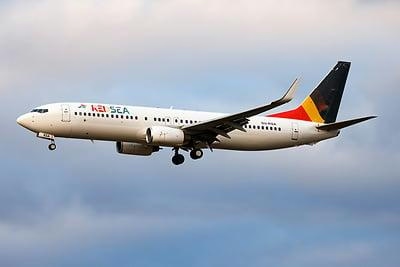
Red Sea Airlines to Lease Two Boeing 737 MAX 8 Aircraft
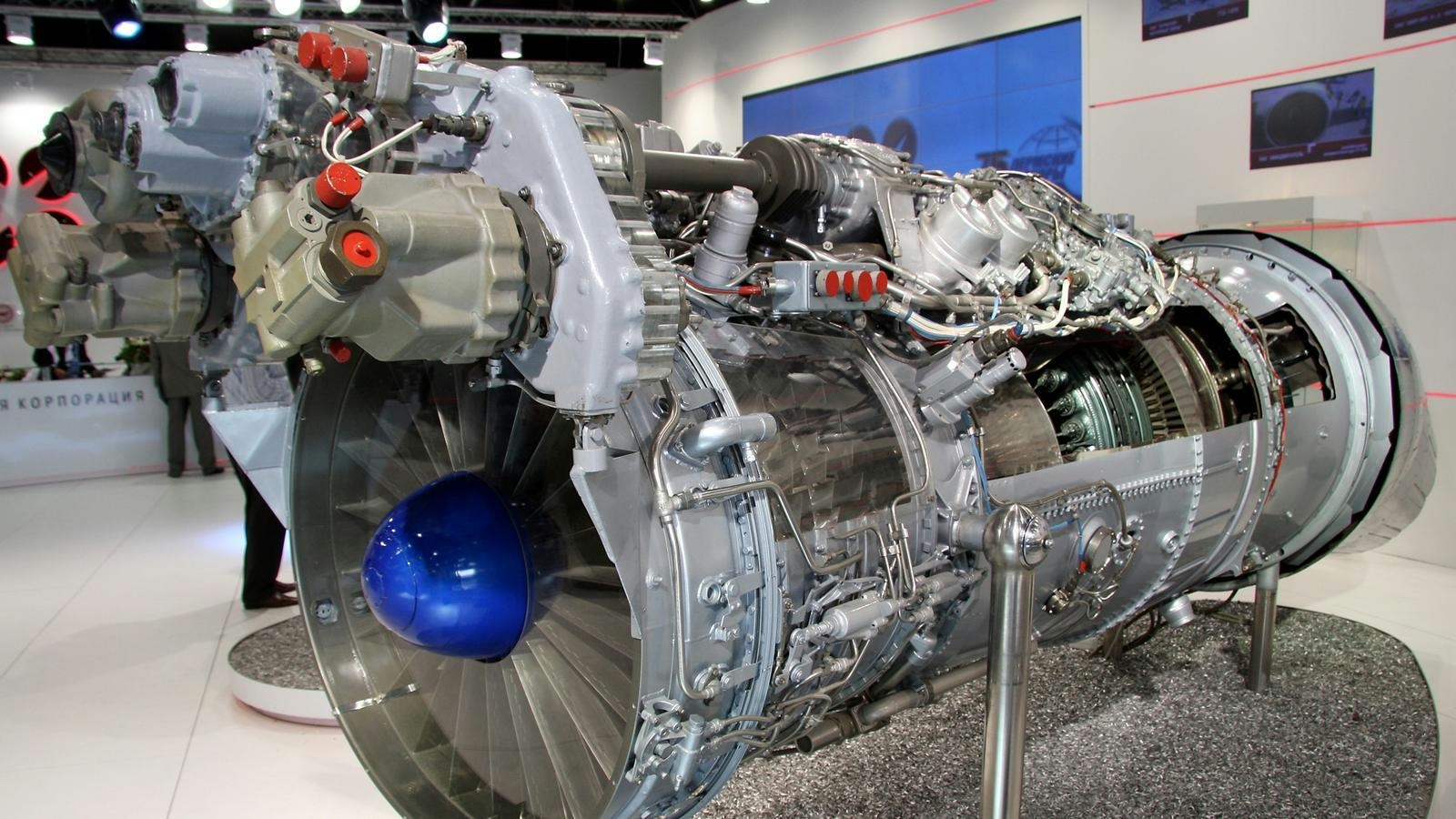
Su-30 and Su-34 Fighter Jets' Engines Contribute to Urban Heat

Airlines Urge Increased Competition in Used Jet Engine Parts Market
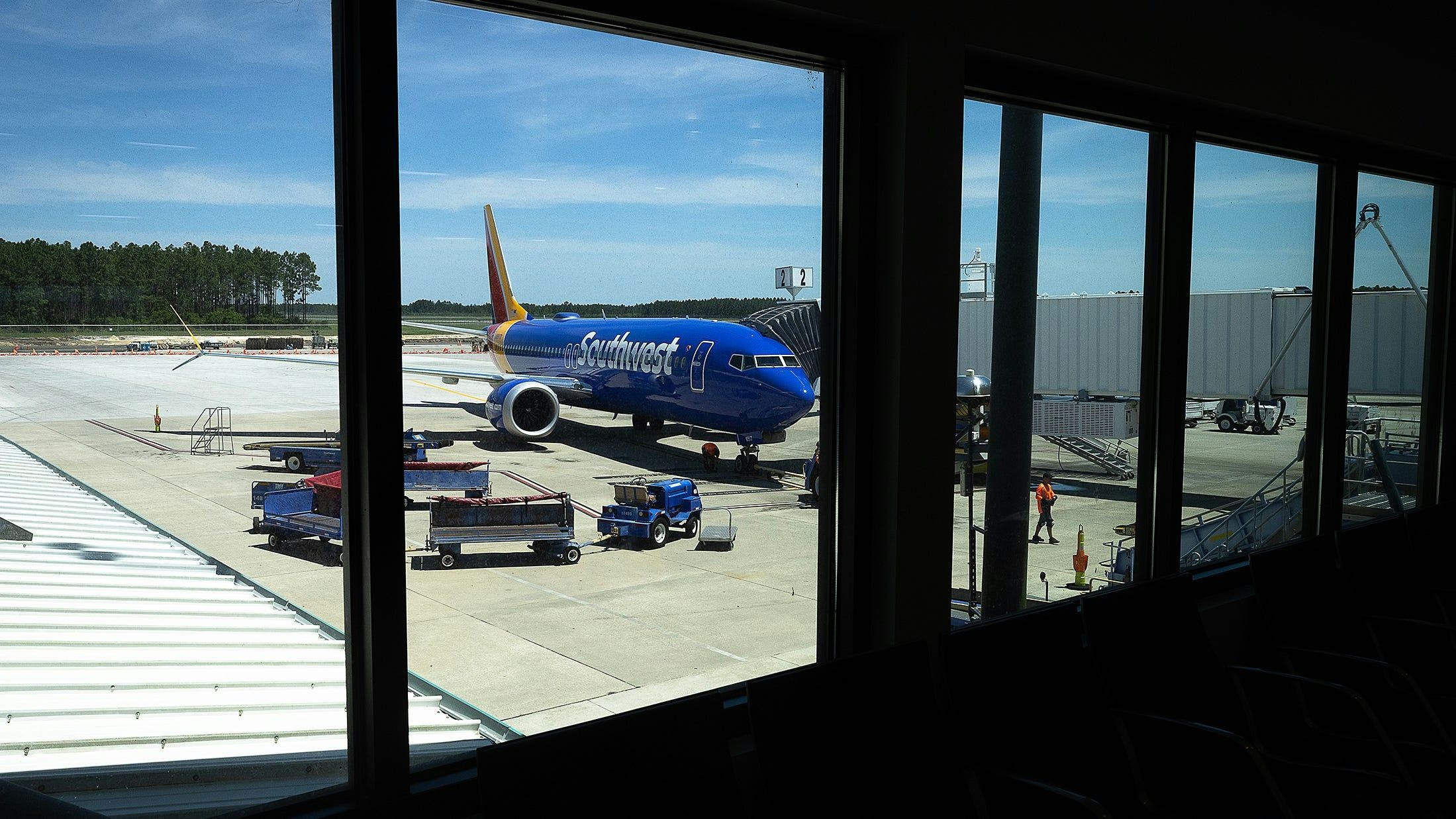
Future Developments Planned for NWF Beaches Airport
