Image

Orchestrer les insights d’IA pour les transformer en actions

Inscrivez-vous dès aujourd’hui sur la liste d’attente d’AeroGenie !

Tendances

Categories

Airlines Urge Increased Competition in Used Jet Engine Parts Market

September 14, 2026By ePlane AI
Airlines Urge Increased Competition in Used Jet Engine Parts Market
0
0
Used Jet Engine Parts
IATA
Antitrust Regulation

Airlines Call for Greater Competition in the Used Jet Engine Parts Market

Global airlines are intensifying their appeals to jet engine manufacturers to relax restrictions on independent suppliers of reconditioned engine components. The industry continues to face persistent shortages and escalating costs, prompting the International Air Transport Association (IATA), which represents approximately 300 airlines worldwide, to advocate for a more open market for used parts. This push follows a recent European antitrust settlement concerning turboprop engines, which has raised hopes for broader reform.

European Antitrust Settlement and Its Implications

In a significant development last month, the European Commission concluded an antitrust investigation into Pratt & Whitney Canada, the leading producer of turboprop engines. The company agreed to remove contractual barriers that had previously limited access to used engine sections. This decision is expected to benefit operators of ATR and Dash-8 turboprop aircraft by enabling independent firms to source, refurbish, and resell certified used parts, thereby fostering competition with new components.

Nick Careen, IATA’s senior vice president for operations, safety, and security, emphasized the importance of this ruling, noting that it will assist ATR and Dash-8 operators. He further highlighted the potential for similar measures to be extended to the main jet engine markets, which represent the most significant challenges and opportunities within the sector. Pratt & Whitney Canada welcomed the agreement, while its parent company, RTX, declined to comment.

Supply Chain Challenges and Market Pressures

The call for expanded access to used jet engine parts arises amid ongoing supply chain disruptions that have particularly affected the jet engine sector. Airlines have reported acute shortages of high-pressure turbine blades, especially for CFM56 engine overhauls. These shortages have resulted in prolonged maintenance cycles and increased reliance on spare engines and short-term leases. The situation has been exacerbated by the lingering impacts of the COVID-19 pandemic and the continuing jet fuel crisis, complicating the market dynamics further.

Airlines contend that the limited competition in the aftermarket for engine parts has driven prices upward and intensified operational difficulties. According to IATA estimates, shortages of engine parts and maintenance capacity cost airlines nearly $6 billion in the previous year.

Industry Responses and Future Outlook

Engine manufacturers argue that their restrictions are necessary to recoup substantial investments in technology and innovation, and their openness to independent aftermarket suppliers varies across companies. In response to growing pressure, some manufacturers are exploring strategic partnerships and alternative supply chains to mitigate the effects of parts shortages.

The debate over the availability of used parts is central to a broader industry challenge concerning engine supplies, which has emerged as one of the most pressing issues in 2023. Increasing the repair and reuse of existing components could help alleviate shortages by freeing new parts for recently delivered aircraft.

At the International Society of Transport Aircraft Trading conference in Copenhagen, aviation executives warned that engine delays and shortages are expected to persist for the foreseeable future. Jennifer Moulton, global head of sales at Dubai Aerospace Enterprise, remarked, “It is going to take a long time before this issue is resolved—who knows, a few years.”

While Pratt & Whitney indicated in July that some maintenance disruptions were beginning to ease, airlines and industry observers anticipate ongoing challenges as the sector continues to navigate complex supply and demand pressures.
More news
Red Sea Airlines to Lease Two Boeing 737 MAX 8 Aircraft
Red Sea Airlines to Lease Two Boeing 737 MAX 8 Aircraft

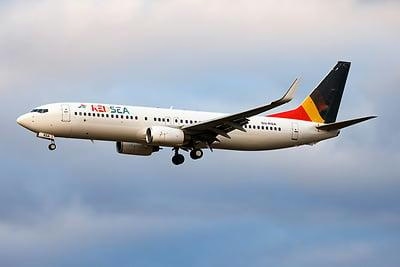
Red Sea Airlines to Expand Fleet with Boeing 737 MAX 8 Leases Egypt’s Red Sea Airlines has entered into a leasing agreement with SMBC Aviation Capital to acquire two Boeing 737 MAX 8 aircraft, with deliveries slated for July and August 2027. The contract was signed by Chief Executive Ahmed Shanan, alongside Chairman and founder Hatem Kenawy and other board members, marking a significant step in the airline’s fleet expansion plans. In addition to the MAX 8s, Red Sea Airlines is set to receive a Boeing 737-800 NG from Aergo Capital by the end of 2026, following a recent agreement with Boeing. The airline is actively negotiating with international lessors to secure seven additional aircraft, aiming to grow its fleet to 14 planes by 2028. This expansion is designed to strengthen connectivity to prominent Egyptian destinations including Sharm El Sheikh, Hurghada, and Sphinx, as well as key cultural and tourist sites such as the Red Sea region, the Pyramids, and the Grand Egyptian Museum. Strategic Growth Amid Operational Challenges Red Sea Airlines has underscored its commitment to investing in safety, crew training, maintenance, technology, and customer experience as it pursues this growth trajectory. However, the ambitious leasing strategy faces potential obstacles. Rising fuel costs and ongoing route disruptions linked to the Middle East conflict pose risks to operational efficiency and profitability. Industry analysts suggest that these challenges, coupled with the rapid scale of expansion, may invite closer scrutiny of the airline’s financial stability and capacity to manage accelerated growth. The competitive landscape in Egypt’s aviation sector is also expected to intensify, as rival carriers may respond with their own fleet modernization initiatives or strategic adjustments to protect market share. Despite these headwinds, Red Sea Airlines remains resolute in its expansion efforts, positioning itself to meet increasing demand for travel to Egypt’s major tourist hubs.
Su-30 and Su-34 Fighter Jets' Engines Contribute to Urban Heat
Su-30 and Su-34 Fighter Jets' Engines Contribute to Urban Heat

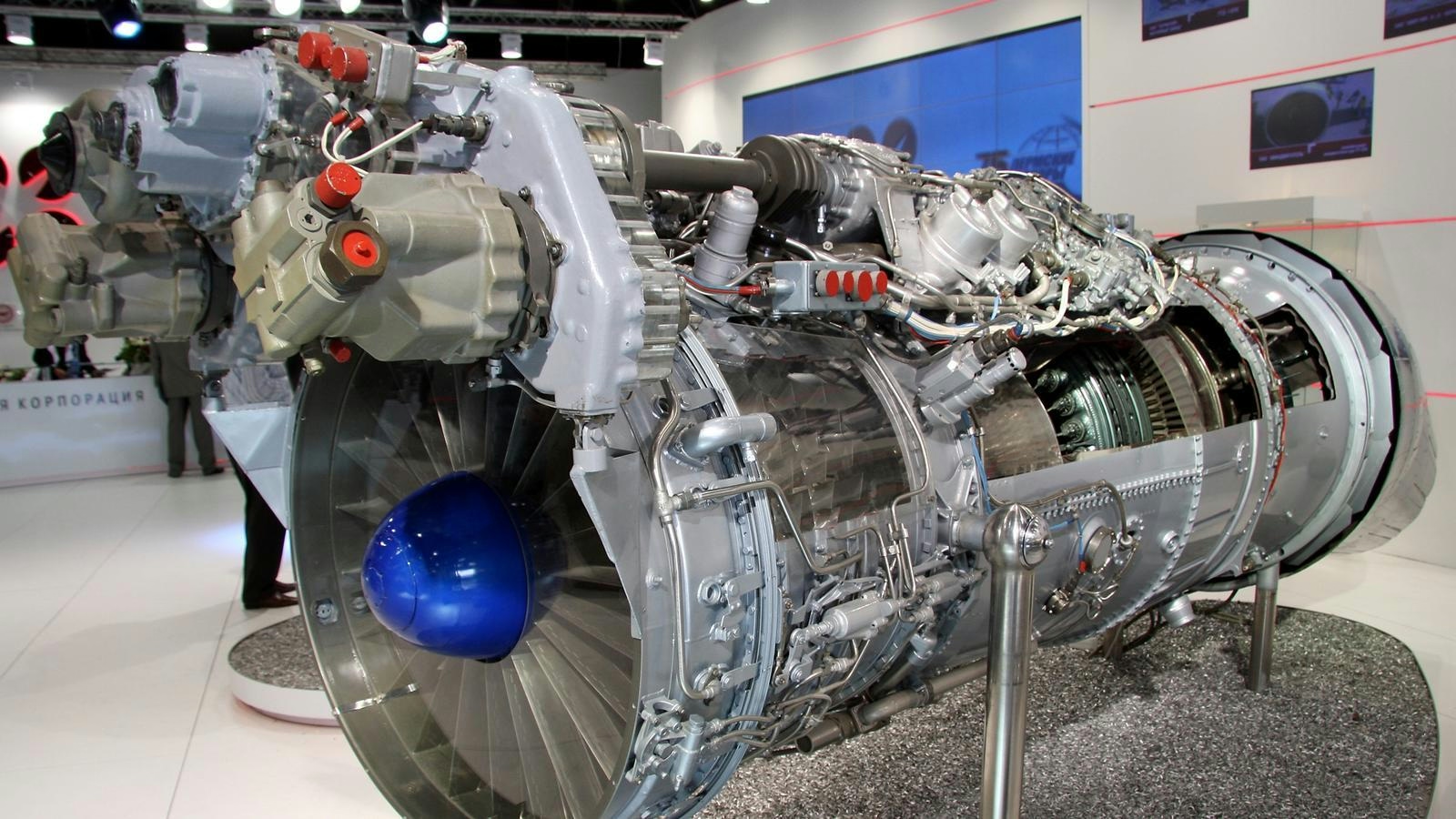
Su-30 and Su-34 Fighter Jet Engines Linked to Urban Heat Concerns Rostec’s United Engine Corporation (ODK) is advancing the development of the GTD-8SM, a next-generation intelligent gas turbine engine designed to deliver 8 megawatts of power. This new engine is based on the AL-31ST gas generator, itself derived from the AL-31F aircraft engine that powers Russia’s Su-27, Su-30, and Su-34 fighter jets. While the AL-31F has long been a cornerstone of Russia’s military aviation, its adaptation for ground-based energy centers, data centers, and industrial facilities represents a significant broadening of its application. Environmental Impact and Urban Heat Concerns The extensive use of these engines in both military and civilian contexts has raised environmental concerns, particularly regarding their contribution to urban heat. The high thermal output of engines like those found in the Su-30 and Su-34 can exacerbate the urban heat island effect, which may adversely affect public health and local climates. These issues have attracted the attention of international organizations and local governments, leading to increased scrutiny of emissions and environmental policies related to such technologies. In response to these challenges, ODK is integrating modern solutions into the GTD-8SM. The engine will incorporate a digital twin for real-time monitoring and predictive maintenance, enabling early detection of wear and optimizing operational efficiency. Its modular design—dividing the compressor, combustion chamber, power turbine, and auxiliary drive—aims to facilitate repairs and reduce downtime. ODK projects that the GTD-8SM will achieve an efficiency exceeding 30 percent, with an overhaul life of 30,000 hours and a total service life of at least 120,000 hours. The engine is engineered to operate in extreme temperatures ranging from -60°C to +40°C. Strategic and Industrial Implications Despite these technological advancements, environmental concerns remain a contentious issue. Russia’s accelerated production and delivery of Su-34 strike fighters, despite low sales and supply challenges in other markets, underscore a strategic emphasis on military capability that may come at the expense of environmental considerations. This dynamic has prompted competitors to explore engine technologies that reduce heat output and emissions, while some governments are reevaluating procurement strategies to prioritize more environmentally sustainable aircraft. ODK’s expertise in adapting aviation engines for energy use is well established. For example, its GTD-6RM engines, based on the D-30KU/KP from Il-76 transport aircraft, have accumulated over five million hours in industrial operation. The company is also preparing new power plants based on the AL-41 gas generator, further extending the application of aviation-derived technology into the energy sector. The first prototype of the GTD-8SM is scheduled for release in 2028. As military technology increasingly intersects with civilian energy infrastructure, balancing efficiency, strategic priorities, and environmental responsibility will remain a critical challenge for industry and policymakers alike.
Future Developments Planned for NWF Beaches Airport
Future Developments Planned for NWF Beaches Airport

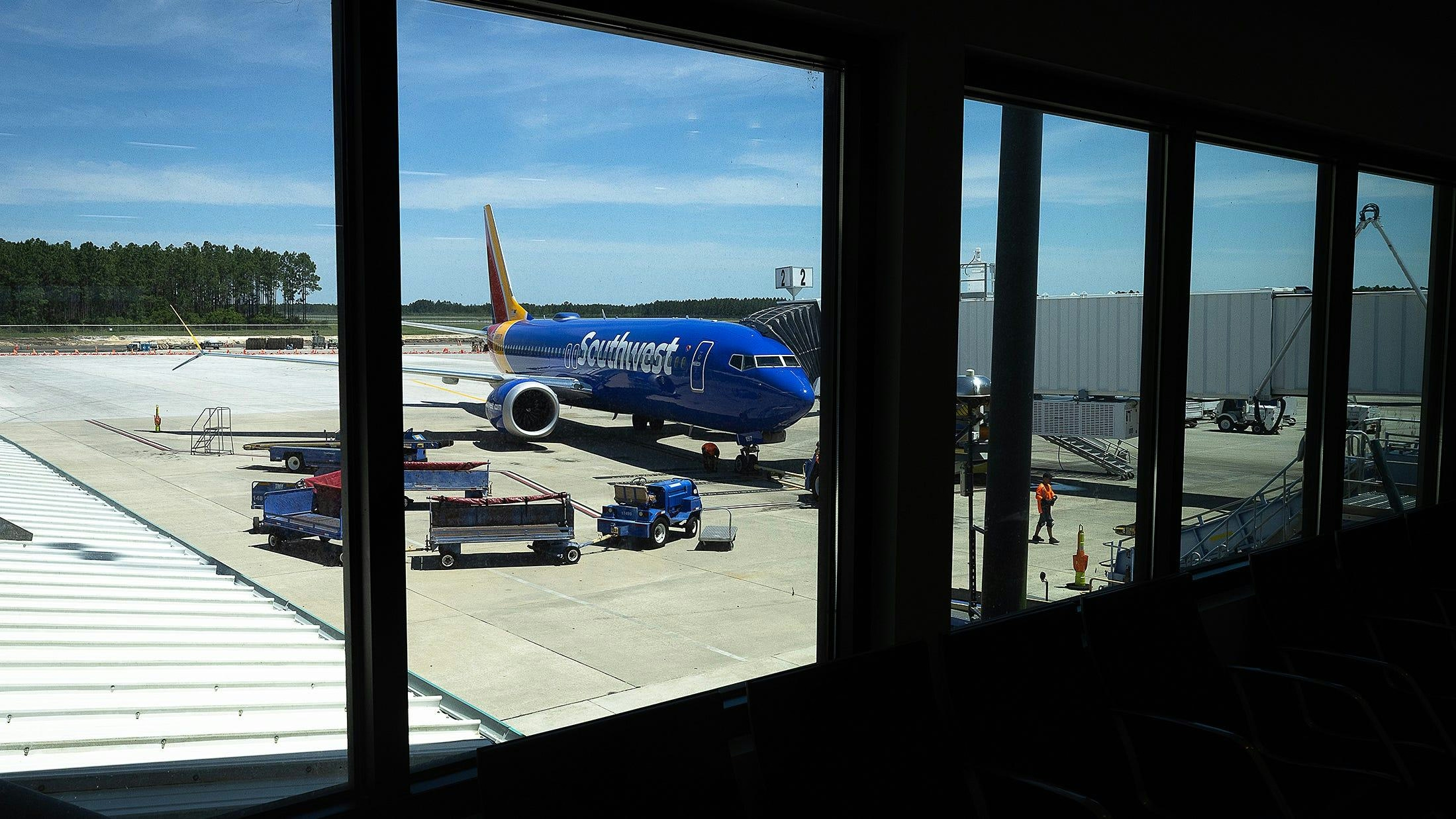
Future Developments Planned for NWF Beaches Airport Major Expansion Projects Underway Northwest Florida Beaches International Airport (ECP) in Panama City Beach is embarking on a series of significant expansion initiatives amid record passenger growth and shifting regional dynamics. A nearly $100 million terminal expansion has advanced into its vertical construction phase. This project will introduce three new gates, six additional baggage offices, and four more baggage claim carousels. The terminal will also see expanded TSA checkpoint facilities, increased passenger seating, and the installation of new escalators, elevators, restrooms, and concessions. These enhancements are designed to accommodate the airport’s rapidly increasing traffic and improve overall passenger experience. Growth in Maintenance and Repair Facilities In addition to terminal improvements, two major maintenance, repair, and overhaul (MRO) facilities are planned at ECP. IAG Aero Group and Premier Aviation USA Overhaul Services, both recruited by the Bay Economic Development Alliance, are expected to commence construction in early 2027. IAG Aero Group will develop a 120,000-square-foot engine MRO facility, complementing its recently opened 140,000-square-foot logistics and distribution center in nearby Lynn Haven. Premier Aviation plans to build a two-bay, narrow-body hangar, further diversifying the region’s aviation sector. Parker McClellan, executive director of the airport, emphasized the importance of the MRO industry, noting that these businesses not only diversify the local economy but also bring well-paying jobs and strengthen the region’s economic foundation. Record Passenger Numbers and Emerging Challenges ECP continues to break records, having served 1,263,735 passengers in the first seven months of 2026, a 5.5% increase compared to the same period in 2025. The airport’s busiest year on record was 2025, with 1,937,244 passengers handled. Despite this growth, the airport faces challenges, including legal disputes over funding and land use. Notably, the City of Newport has filed a lawsuit against federal agencies concerning halted construction and alleged contract breaches, underscoring potential obstacles for future development. While ECP’s recent nomination for “Best Resort Airport” has been welcomed by some as a positive indicator of continued growth, concerns remain regarding the airport’s capacity and resources, particularly in relation to proposed detention facility plans. Market reactions to ECP’s expansion are varied. Regional competitors may adjust their strategies in response to ECP’s growth, though specific industry responses remain uncertain. As construction advances and new facilities come online, the airport’s future trajectory will depend on its ability to manage expansion effectively while navigating legal, financial, and competitive challenges within the evolving aviation landscape.
airBaltic Files for Chapter 11 Bankruptcy Protection
airBaltic Files for Chapter 11 Bankruptcy Protection

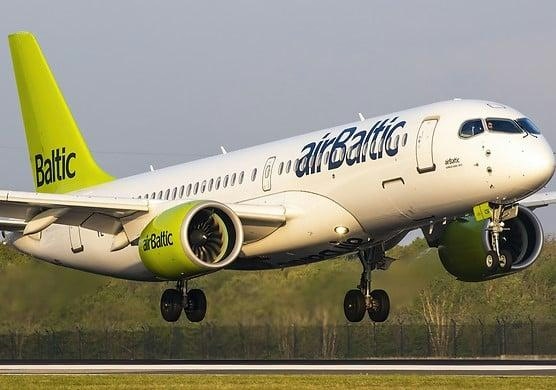
airBaltic Files for Chapter 11 Bankruptcy Protection Latvia’s national carrier, airBaltic, announced on Monday that it and certain subsidiaries have voluntarily filed for Chapter 11 bankruptcy protection in the United States. The filing, made in the U.S. Bankruptcy Court for the Southern District of New York, aims to facilitate a financial restructuring while allowing the airline to maintain normal flight operations throughout the process. Restructuring Framework and Operational Continuity The Chapter 11 proceedings provide airBaltic with a legal framework to negotiate with creditors, including aircraft lessors and other stakeholders, while protecting the airline from creditor claims during the restructuring period. Andrejs Martinovs, Chairman of airBaltic’s Supervisory Board, emphasized that the court-supervised process offers a clear timetable and structure for reaching agreements with creditors. Importantly, airBaltic assured passengers that the bankruptcy filing will not affect daily operations. Flights are expected to continue as scheduled, with all tickets and reservations remaining valid. Customers are not required to take any action, and the airline will continue to process refunds, vouchers, gift cards, and credits related to baggage or service claims under existing policies. Financial Support and Future Outlook To support its operations during the restructuring, airBaltic has secured a commitment for €350 million (approximately $404 million) in debtor-in-possession (DIP) financing. This funding, arranged by Strategic Value Partners with participation from Barclays, Hayfin Capital Management, Morgan Stanley, and Oaktree Capital Management, is subject to court approval in the coming days. Combined with cash flow from ongoing operations, the financing is expected to provide sufficient liquidity for the airline to operate throughout the Chapter 11 process, which is projected to continue until around June 2027. The airline’s goal is to emerge from restructuring with a stronger financial position and a significantly reduced debt burden that can be managed sustainably over the long term. Martinovs highlighted that the process will demand strict financial discipline and adherence to several conditions. He underscored the management board’s central priority: to maintain flight operations and preserve Latvia’s connectivity. Market Implications and Industry Response airBaltic’s Chapter 11 filing reflects its efforts to address mounting financial obligations while safeguarding its role as a vital link between Latvia and the broader Baltic region. The company noted it has a strong management team and experienced advisers with direct Chapter 11 expertise guiding the process. Market reactions to the filing are expected to be mixed. Some investors have expressed concerns about the airline’s long-term viability, while others view the restructuring plan as a potential path to recovery. Competitors may respond by intensifying competition on routes previously served by airBaltic, potentially altering market dynamics within the Baltic region and beyond. Fitch Ratings has warned that airBaltic’s options could become constrained if stakeholders do not approve the proposed funding plan, highlighting the critical importance of securing a sustainable long-term financing structure for the airline’s future.
PD-8 Engine Encounters Corrosion Issues from Saltwater Exposure

PD-8 Engine Encounters Corrosion Issues from Saltwater Exposure

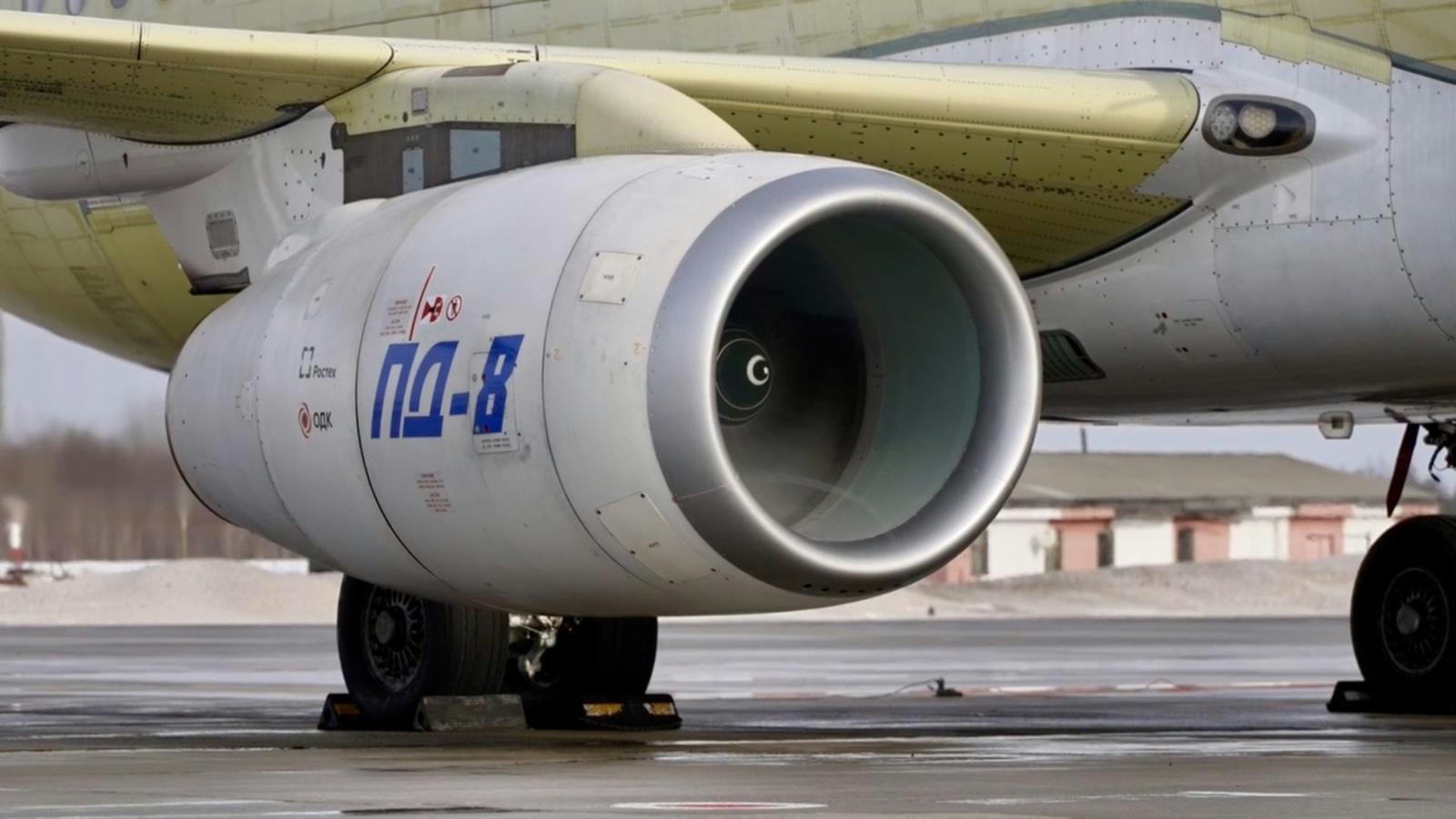
PD-8 Engine Encounters Corrosion Issues from Saltwater Exposure on Be-200 Aircraft The integration of the PD-8 engine into the Be-200 amphibious aircraft has revealed significant engineering challenges, extending far beyond a simple replacement of the existing D-436TP powerplant. According to reports from *Tekhnosfera Rossiya*, the adaptation process demands extensive modifications and is anticipated to span several years before completion. Technical Challenges and Environmental Considerations Although the PD-8 engine aligns with the Be-200’s specifications—boasting a mass of approximately 2,300 kilograms, a length of 3.6 meters, a fan diameter of 1.22 meters, and a take-off thrust ranging between 7,477 and 8,056 kilogram-force—it was originally designed for operational environments distinct from those encountered by the Be-200. This fundamental difference necessitates dedicated engineering efforts to ensure the engine’s compatibility and reliability within the amphibious aircraft’s unique operational context. A critical technical obstacle involves safeguarding the PD-8 against corrosion induced by saltwater exposure and high humidity, conditions inherent to amphibious operations. Industry experts emphasize that engine replacement in such environments is far from straightforward, requiring comprehensive design adjustments to mitigate the corrosive stresses imposed by maritime conditions. Implications for Maintenance and Industry Response Corrosion-related degradation of engine components poses a significant risk of increased maintenance demands and operational downtime, raising concerns among regulators and potential operators regarding the PD-8’s durability and reliability. This issue extends beyond aviation; recent research into corrosion caused by molten salts and the advancement of protective coatings in nuclear applications highlight a broader industrial imperative to develop innovative materials and solutions to combat corrosion. In response, aerospace competitors are accelerating the development of corrosion-resistant technologies to address these challenges, aiming to safeguard their market positions amid growing scrutiny. Program Status and Future Outlook The re-engining program for the Be-200 with the PD-8 officially commenced in May 2026, as confirmed by ODK head Alexander Grachev. However, since this announcement, there have been no public updates, test footage, or official statements from the Beriev Aircraft Plant or the corporation’s press service, leaving the current progress of the program uncertain. As the project advances, the success of corrosion protection measures will be pivotal not only for the PD-8’s integration into the Be-200 but also for maintaining confidence among operators and stakeholders regarding the aircraft’s long-term operational viability.
Weekly Summary: August Deliveries, Year-to-Date Orders, and 4.1 Million Share Buyback
Weekly Summary: August Deliveries, Year-to-Date Orders, and 4.1 Million Share Buyback

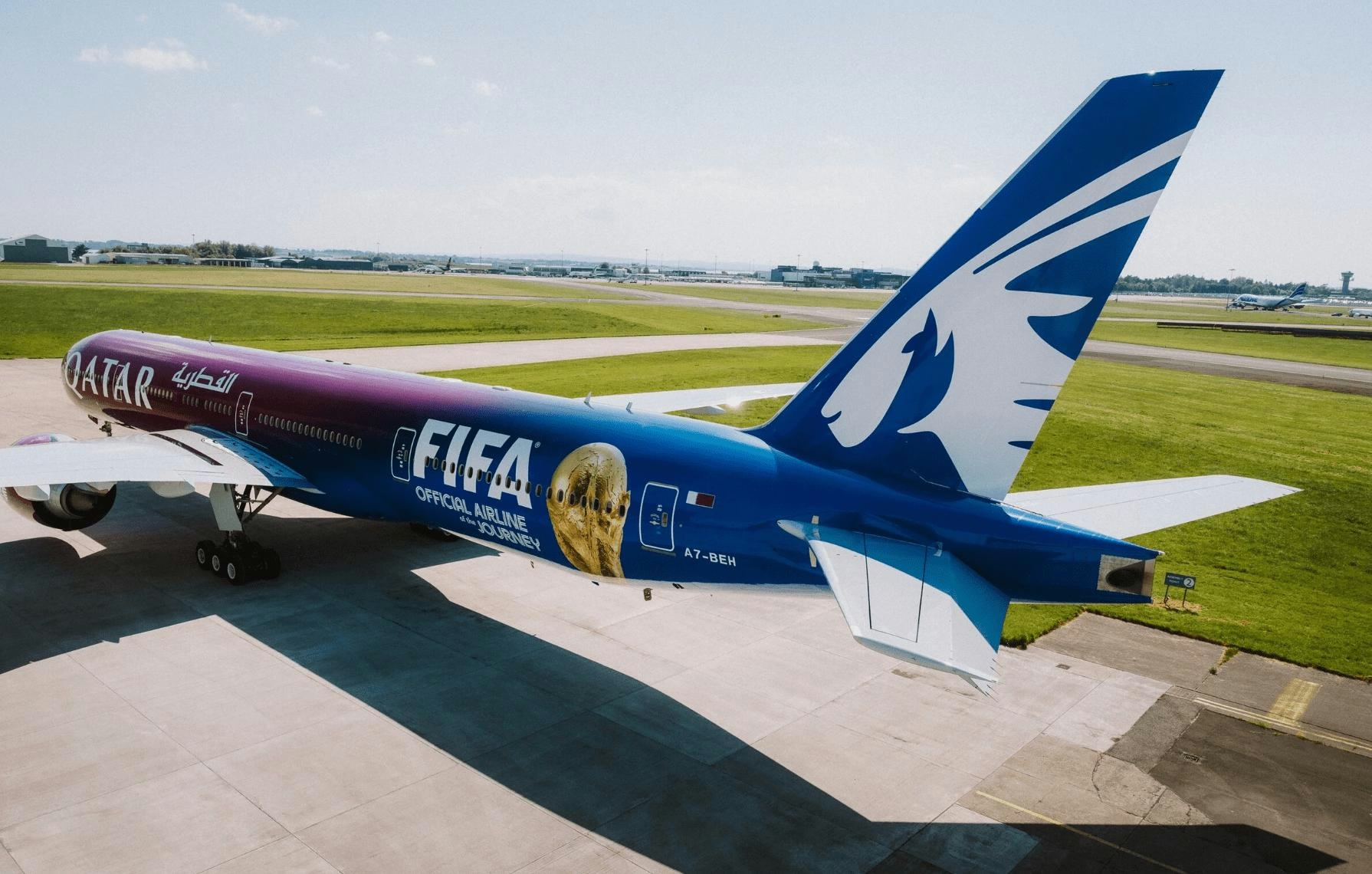
Airbus Reports Strong August Performance and Strategic Advances Airbus SE (EURONEXT: AIR) delivered a robust performance in August, accelerating both aircraft deliveries and new orders while progressing key initiatives across its commercial, defense, and space divisions. The company completed 57 aircraft deliveries during the month, raising its year-to-date total to 475, compared to 434 in the same period last year. Gross orders for August reached 67, contributing to a cumulative 1,157 gross and 1,091 net orders in 2026. Airbus reaffirmed its full-year delivery target of 870 aircraft, underscoring its confidence in sustained operational momentum. The competitive environment remains intense, with Airbus and Boeing collectively securing 82 gross orders in August, highlighting the ongoing rivalry for market share in the commercial aerospace sector. This competition unfolds amid broader macroeconomic uncertainties, including the US Treasury’s expanded buyback program for long-dated bonds aimed at managing yields and liquidity. These financial measures may indirectly influence market stability and investor sentiment, with potential implications for the aerospace industry. Strategic Initiatives and Market Developments In a strategic move to support employee share plans and equity compensation, Airbus initiated an open-market buyback program to repurchase up to 4.1 million shares between September 11 and November 6, 2026. Authorized by the company’s 2026 Annual General Meeting, this buyback is intended to reinforce investor confidence and may impact stock performance amid prevailing market volatility. On the product development front, Airbus is preparing for the maiden flight of its A350F freighter, scheduled for September 29 in Toulouse. While the date remains subject to weather conditions, this milestone marks Airbus’s formal entry into the cargo aircraft market, positioning it to compete directly with Boeing’s freighter offerings. In the defense and space sectors, Airbus Defence and Space secured several significant contracts. Notably, the company received approval to commence work with Eutelsat on an additional 229 OneWeb satellites, supplementing the 440 units already ordered, though financial details were not disclosed. Airbus also won the lead contract for France’s CASSIOPÉE SIGINT satellite program, collaborating with Unseenlabs to replace the CERES system and maintain France’s space-based intelligence capabilities through 2032. Further strengthening its defense portfolio, Airbus obtained a French military order for four U050 Capa-X drone systems, with two units allocated to the French Navy and two to the French Army. Commercially, Airbus secured a firm order from Air Cairo for approximately 15 A320/A320neo jets, with options for an additional 15 aircraft. This order supports Air Cairo’s fleet expansion plans, aiming to exceed 130 aircraft by 2034. Additionally, BOC Aviation placed an order for 12 A320neo jets scheduled for delivery in 2029, accompanied by a long-term lease agreement with Avianca. As Airbus advances across multiple domains, it faces ongoing challenges from competitive pressures, evolving macroeconomic conditions, and market responses to its share buyback program. Nevertheless, the company’s recent delivery performance and contract successes position it strongly within the dynamic global aerospace market.
Linking Ireland’s Aircraft Leasing Industry to Elite Football
Linking Ireland’s Aircraft Leasing Industry to Elite Football

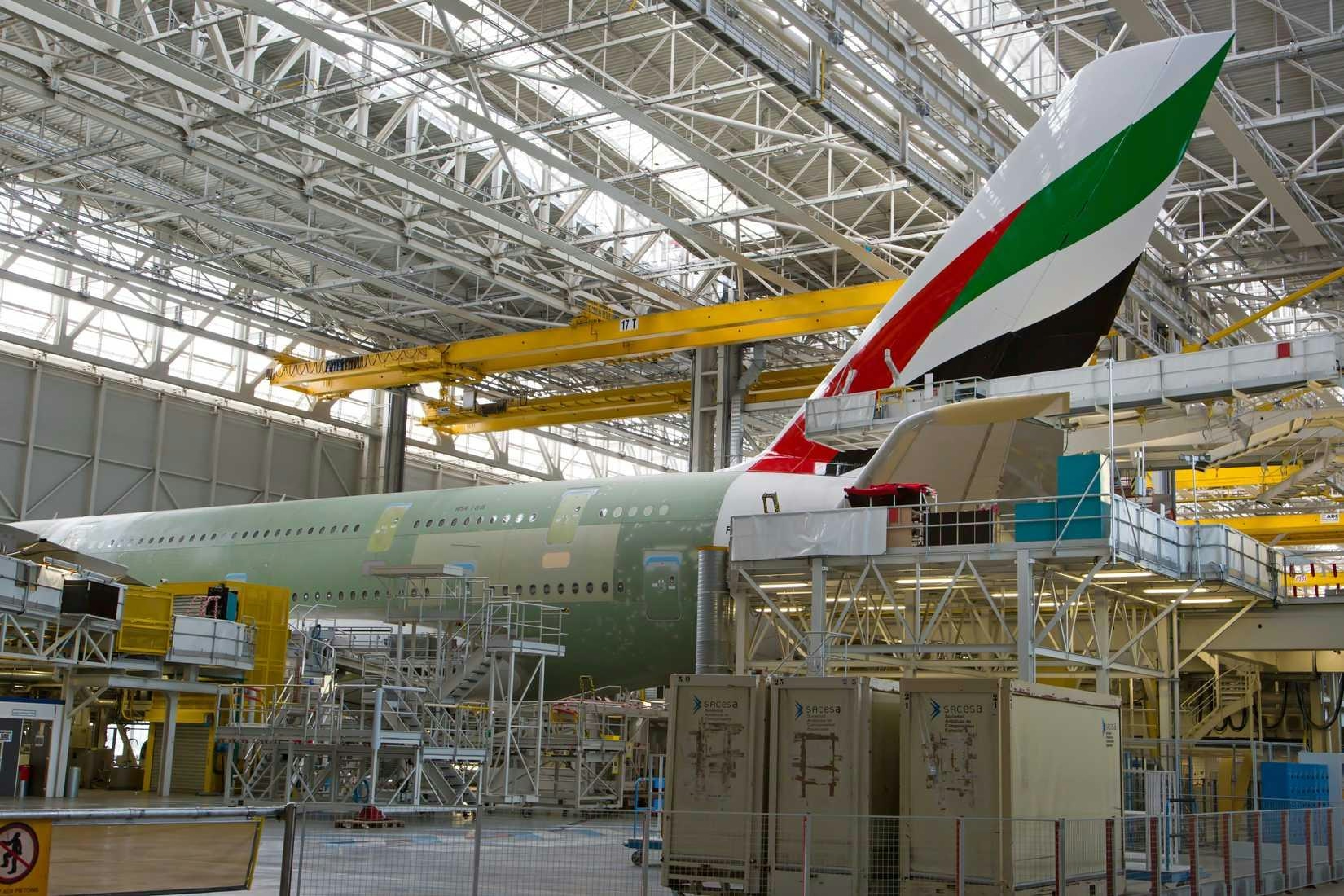
Linking Ireland’s Aircraft Leasing Industry to Elite Football Teddy Murphy, founder and CEO of Miagen, has established a consultancy and technology firm that manages over €100 billion in global aviation assets. Since its inception in 2003, Miagen has become a pivotal player in the aircraft leasing sector through its LeaseGen platform, which currently models one in five of the world’s leased aircraft and 30% of future orders from Boeing and Airbus. Building on this expertise, Murphy is now applying Miagen’s advanced financial modelling capabilities to the realm of elite football with the launch of SportsGen. From Aviation Leasing to Football Finance SportsGen repurposes the sophisticated financial tools originally developed for the complex aviation leasing market to address the equally intricate financial environment of professional football. The platform allows football clubs to simulate various financial scenarios, including wages, transfers, and revenues, while ensuring compliance with increasingly stringent financial fair play regulations. Miagen is actively engaged in discussions with several Serie A clubs regarding the adoption of this innovative technology. Murphy notes that the company has experienced steady growth over the past two years, despite challenges faced by both the aviation and sports sectors. He acknowledges that fluctuations in funding and acquisitions can impede progress. Reflecting on Miagen’s journey, Murphy highlights the difficulties encountered in gaining early traction as a start-up, navigating economic downturns, and managing the impact of the Covid-19 pandemic. “There are learnings all the way through,” he says. “While you occasionally look back thinking we haven’t done too badly, you are always looking ahead thinking we should be doing better than we are.” Industry-Specific Innovation and Future Prospects Miagen’s strategy centers on developing industry-specific applications rather than generic solutions. With a team predominantly composed of accountants, the company empowers finance professionals to model scenarios in real time, a capability Murphy describes as “a sat-nav for business.” This focused approach has enabled Miagen to expand beyond aviation into areas such as ESG and sustainability reporting, and now into professional sports. However, integrating Ireland’s aircraft leasing expertise with elite football finance presents significant complexities. The company must navigate diverse regulatory frameworks, ensure compliance with both aviation and sports industry standards, and manage the financial risks inherent in these sectors. Investor skepticism remains a challenge, particularly among those unfamiliar with the synergy between aviation and sports. Competitors may respond with strategic partnerships or heightened competition across both markets. Additionally, recent fluctuations in aircraft engine values and maintenance costs are influencing lessor strategies and financial planning, adding further complexity to Miagen’s core business. Looking forward, Murphy envisions technology, especially artificial intelligence, as a transformative force in financial decision-making. He anticipates the evolution of the CFO role into that of a “Chief Decision Officer,” a concept Miagen is integrating into SportsGen through AI-driven player valuation and scouting insights. “The advent of technology has been incredible,” Murphy remarks. “Nowadays, finance and business users are actually defining the technology themselves with AI. I really could say that I have never been as excited as I am now.” As Miagen continues to bridge the worlds of aviation and elite sport, its trajectory underscores both the opportunities and challenges inherent in cross-industry innovation within a rapidly evolving global landscape.
Airbus A380 at Tarbes Yields Over 90% of Parts for Active Fleets Through Careful Dismantling
Airbus A380 at Tarbes Yields Over 90% of Parts for Active Fleets Through Careful Dismantling

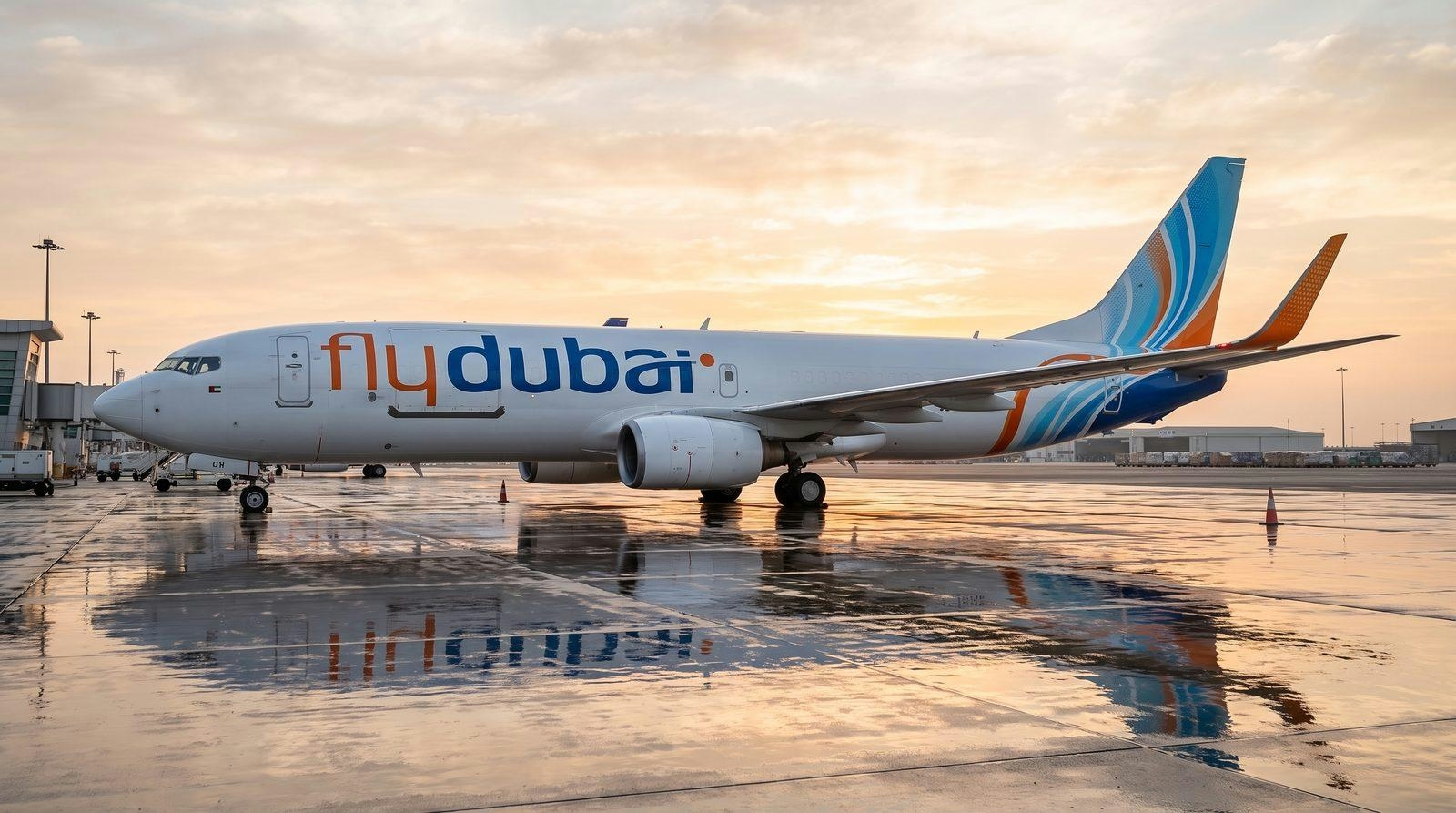
Airbus A380 at Tarbes Yields Over 90% of Parts for Active Fleets Through Careful Dismantling The Decline of the A380 and the Rise of Aircraft Recycling The Airbus A380, once hailed as the pinnacle of long-haul air travel, symbolized a new era with its double decks, four engines, and capacity to carry over 500 passengers. As the largest passenger aircraft ever constructed, it was designed to dominate the busiest global routes for decades. However, less than two decades after its introduction, the A380’s future has become uncertain. Its value increasingly lies not in active service but in the careful dismantling and recycling of its components. At Tarbes, located in the foothills of the French Pyrenees, the specialist firm Tarmac Aerosave is leading this transformation. The company is responsible for dismantling retired A380s, including those formerly operated by Singapore Airlines, which have struggled to find new operators amid declining demand for the superjumbo. Over several months, these 250-ton aircraft are methodically broken down into sorted piles of reusable parts and recyclable metals, with less than 10% of the material ultimately discarded as waste. Economic and Operational Factors Driving Dismantling The economic realities underpinning this shift are clear. The A380’s operation is expensive, with four fuel-intensive engines and a cabin configuration optimized for a hub-and-spoke model that many airlines have moved away from. As demand for used A380s has sharply declined, their resale value has plummeted. Nevertheless, with approximately 190 A380s still in service worldwide, the demand for spare parts remains robust. For grounded aircraft, the aggregate value of their components now surpasses that of the intact airframe. The engines are the most valuable assets. Each of the A380’s four Rolls-Royce Trent 900 engines can command prices in the millions or generate significant monthly revenue when leased to airlines continuing to operate the type. These engines are removed first, followed by landing gear, avionics, hydraulic systems, and thousands of other parts. The fate of each component depends on its maintenance history and certification status; only parts with proper documentation are refurbished or resold, while others are scrapped. Recycling and Sustainability in Aviation After the removal of valuable systems, the airframe itself is dismantled. The A380 contains roughly 120 tons of aluminum, which is carefully sorted and melted down to re-enter the supply chain as raw material. Tarmac Aerosave, a joint venture partly owned by Airbus, reports that it recovers more than 90% of each aircraft by weight, often exceeding 92% across its operations. Only a small portion, primarily composites and hazardous materials, is discarded as waste. This exceptionally high recovery rate is particularly notable given the complexity of wide-body jets. Nearly every part that once flew is either returned to service or recycled, reflecting a broader industry trend toward sustainability and resource optimization. Rising maintenance costs and parts shortages have prompted airlines to reconsider the viability of the A380, as exemplified by Qantas’ decision to retire its fleet four years ahead of schedule, by 2028. While some carriers continue to operate the superjumbo, others are scaling back, favoring more fuel-efficient models such as the Airbus A320neo and Boeing 737 Max. These newer aircraft are also increasingly dismantled for parts by recycling specialists like Tarmac Aerosave, underscoring a growing commitment to environmental responsibility within the aviation sector. At Tarbes, the meticulous disassembly of the A380 represents not merely an end but a transformation, ensuring that even as the era of the superjumbo wanes, its legacy endures through the fleets that continue to take to the skies.
flydubai Begins Dedicated Freighter Operations with Three Leased 737-800s
flydubai Begins Dedicated Freighter Operations with Three Leased 737-800s

flydubai Launches Dedicated Freighter Operations with Leased Boeing 737-800s flydubai has officially commenced dedicated freighter services by introducing three Boeing 737-800 aircraft on wet lease from SolitAir. This development represents a significant expansion of the Dubai-based carrier’s cargo capabilities, adding main deck capacity at Al Maktoum International Airport (Dubai World Central) alongside its existing bellyhold cargo operations on passenger flights. The initiative is strategically timed to meet the anticipated surge in demand during the fourth quarter. Strategic Alignment and Regional Impact The launch of these dedicated freighter operations aligns closely with Dubai’s D33 economic agenda and complements the widebody cargo fleet operated by Emirates SkyCargo, fostering enhanced synergy between the two carriers. By integrating both narrowbody and widebody assets, Dubai aims to reinforce its position as a leading global logistics and cargo hub. This dual approach is expected to optimize cargo throughput and operational flexibility across the emirate’s aviation infrastructure. Operational Challenges and Market Implications Despite the promising outlook, flydubai faces several challenges in establishing its new cargo network from Dubai World Central. The airline must navigate complex regulatory requirements and manage the logistical intricacies associated with operating wet-leased aircraft. Building a robust and efficient cargo network from the ground up will demand substantial coordination and investment. The market’s response to flydubai’s entry into dedicated freighter services is anticipated to be closely monitored. The increased competition within the regional air cargo sector may compel rival carriers to reassess their strategies, potentially accelerating the expansion of their own freighter fleets or enhancing service offerings. As flydubai contemplates converting passenger aircraft to freighters starting in 2029, competitors may similarly explore retrofitting or acquiring additional freighter capacity to maintain their market positions. flydubai’s expansion into dedicated cargo operations highlights the growing significance of air freight in the Middle East and signals a new phase of competition and innovation among regional carriers.
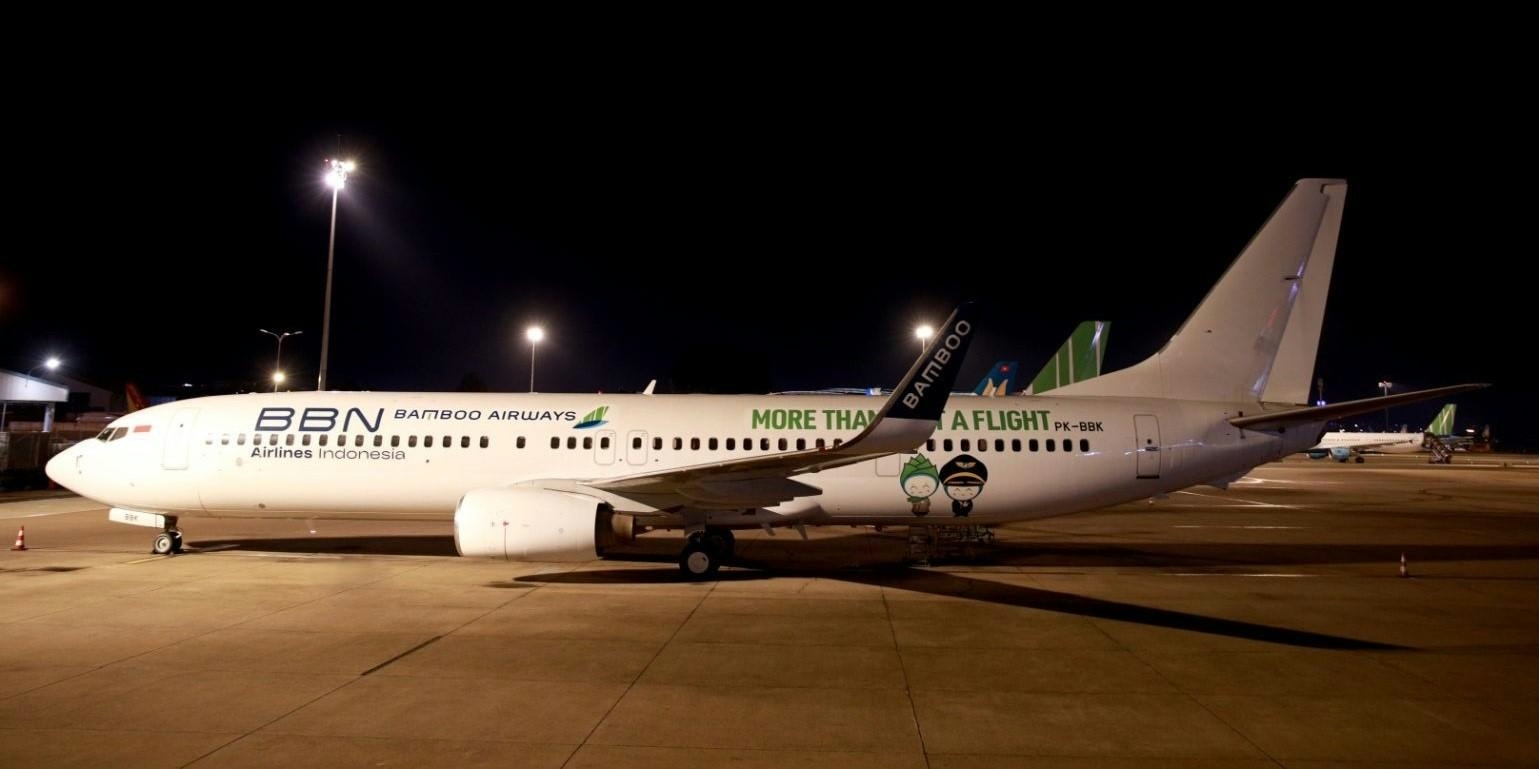
BBN Airlines Becomes IATA Member

BBN Airlines Becomes IATA Member

BBN Airlines Indonesia Joins IATA Amid Ambitious Growth Plans JAKARTA, 14 September 2026 — BBN Airlines Indonesia has officially become a member of the International Air Transport Association (IATA), joining a global alliance that represents over 370 airlines across more than 120 countries. Collectively, IATA members account for approximately 85% of worldwide air traffic, marking a significant milestone for the Jakarta-based carrier. Founded in 2022, BBN Airlines Indonesia focuses on wet-lease and charter services, serving airlines and aviation clients throughout Indonesia and the broader Asia-Pacific region. The airline currently operates two Boeing 737-800 aircraft, registered as PK-BBF and PK-BBG, and has plans to expand its fleet with the addition of an Airbus A320, expected to commence commercial operations in December 2026. Strategic Implications of IATA Membership Membership in IATA is contingent upon maintaining an IATA Operational Safety Audit (IOSA) registration, a standard BBN Airlines Indonesia achieved in 2025. This certification enabled the airline’s entry into the association, allowing it to engage more deeply in industry discussions, advisory groups, and initiatives centered on safety, operational efficiency, and regulatory development. Werry Orbani, Chief Executive Officer of BBN Airlines Indonesia, emphasized the significance of this development, stating, “This membership represents an important step in our development as we continue expanding our wet-lease and charter operations. It strengthens our connection with the international aviation community and allows us to contribute to industry discussions while providing reliable capacity solutions to our partners across Indonesia and the wider Asia-Pacific region.” However, the timing of BBN Airlines’ IATA membership coincides with increased regulatory scrutiny in critical markets such as Russia, which may complicate efforts to secure international routes. Navigating these evolving regulatory landscapes will be essential as the airline seeks to broaden its global presence. Additionally, the aviation sector is currently facing challenges related to aircraft delivery delays, which are impeding progress toward decarbonization goals and could affect BBN Airlines’ operational and strategic planning. Market responses to BBN Airlines’ IATA membership have been varied. While some investors view the affiliation as a positive move toward global recognition and operational standardization, others express concerns about the heightened compliance obligations that accompany IATA membership. Competitors’ reactions also differ; established carriers may perceive BBN Airlines as a potential disruptor to market dynamics, whereas others might see opportunities for codeshare partnerships and expanded route networks. Parent Company and Industry Positioning BBN Airlines Indonesia operates as a subsidiary of Avia Solutions Group, the world’s largest provider of ACMI (aircraft, crew, maintenance, and insurance) services. The group manages a fleet of 136 aircraft across six continents and employs over 11,000 aviation professionals through more than 250 subsidiaries. Its extensive portfolio includes maintenance, repair and overhaul (MRO), pilot and crew training, ground handling, and other aviation services worldwide. As BBN Airlines Indonesia integrates into the IATA framework, its capacity to adapt to regulatory changes and industry challenges will be critical to sustaining growth and enhancing its competitive position within the Asia-Pacific aviation market.
line
