
Orchestrer les insights d’IA pour les transformer en actions

Tendances
Categories
Asia-Pacific Low-Cost Carriers Strengthen Market Position

Asia-Pacific Low-Cost Carriers Strengthen Market Position
Post-Pandemic Growth and Market Dynamics
The post-pandemic recovery has significantly accelerated the growth of low-cost carriers (LCCs) across the Asia-Pacific region, with these airlines outpacing traditional full-service competitors. The LCC business model aligns well with the region’s expanding middle class, which is driving increased demand for affordable air travel. This positive outlook is underscored by substantial aircraft orders placed by regional LCCs, reflecting strong confidence in sustained expansion.
In recent years, Asia-Pacific LCCs have moved beyond the conventional no-frills approach. Many now offer bundled fares, premium seating options, and operate widebody aircraft to serve longer-haul routes and connecting traffic. This strategic evolution is narrowing the gap between LCCs and full-service carriers, allowing low-cost airlines to access new market segments and broaden their customer base.
Regional Variations and Operational Challenges
Despite these advances, LCC penetration varies considerably across the Asia-Pacific region. Southeast Asia and the Indian subcontinent remain the most robust markets for low-cost carriers, while North Asia continues to lag, indicating significant potential for further growth. The expansion of widebody operations by Asia-Pacific LCCs is particularly noteworthy, positioning the region as a global leader in this segment.
However, the sector faces mounting challenges as it matures. Maintaining competitive pricing amid rising operational costs—including fuel, labor, and airport fees—remains a critical concern. Additionally, regulatory changes and heightened scrutiny over aviation emissions are compelling carriers to adapt, as environmental sustainability becomes an increasing priority for governments and consumers alike. Shifts in traveler preferences toward greener options are likely to influence airline strategies, encouraging LCCs to invest in more fuel-efficient aircraft and sustainable operational practices.
Industry Outlook and Strategic Responses
Competitive pressures within the sector are expected to intensify, with the possibility of further consolidation as larger carriers seek to acquire smaller rivals to strengthen their market positions. To remain competitive, LCCs are investing in technology and innovation aimed at enhancing operational efficiency and improving the customer experience.
These trends and challenges were central topics at the recent CAPA Airline Leader Summit – Asia, held in Singapore on 30 October 2025. Industry leaders convened to discuss the evolving dynamics of the Asia-Pacific aviation market. As low-cost carriers continue to adapt and expand, their ability to navigate operational, regulatory, and environmental hurdles will be pivotal in shaping the future of air travel in the region.
American Airlines Plans to Receive New Aircraft Deliveries in 2026
Delta Flight Returns to Atlanta Airport Due to Engine Trouble

Samoa Airways Recovers Damaged DHC-6-300 Aircraft
Man Ingested by Frontier Airlines Engine Marks Denver’s Sixth Airfield Security Breach in Three Years

The Advantages and Disadvantages of Owning Versus Leasing a Private Jet
Former Spirit Employees Express Concerns Over AI Partnership With Google
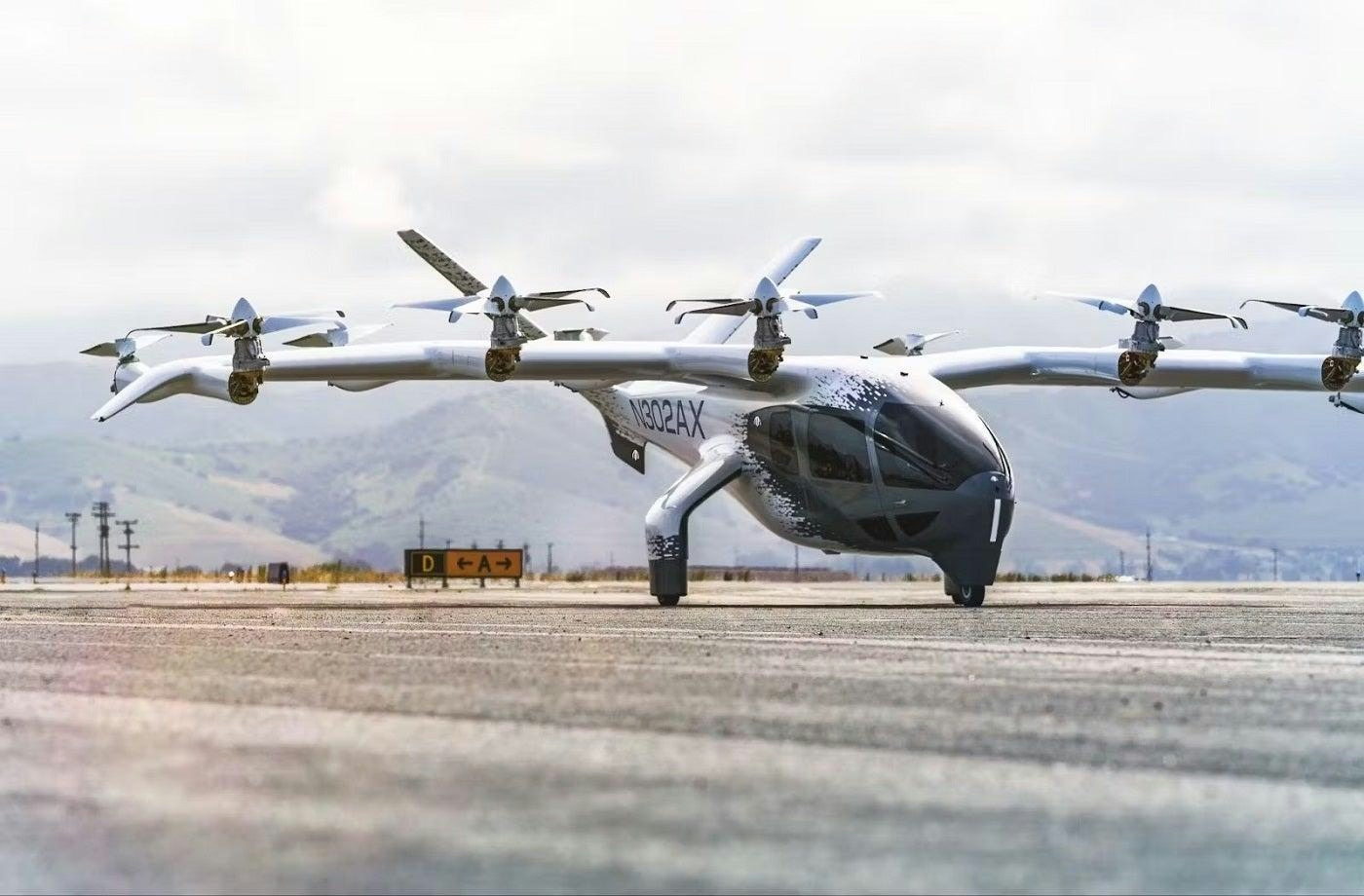
China Certifies Pilotless Air Taxi for Export; Sri Lanka First Buyer

US Pilot Hourly Pay Ranges from $90 for Regional to $465 for Widebody Flights

NASA Chooses University Teams to Support Aviation Research

Airbus Conducts Freighter First Flight as Delivery Figures Influence Stock
