
Orchestrer les insights d’IA pour les transformer en actions

Tendances
Categories
Balancing Innovation and Safety in HEMS Interior Design

Balancing Innovation and Safety in HEMS Interior Design
The design of Helicopter Emergency Medical Service (HEMS) interiors is undergoing significant transformation, driven by the dual imperatives of innovation and safety. These airborne medical environments must cater to the complex needs of both patients and medical crews, accommodating a spectrum of equipment ranging from basic medical supplies to highly specialized devices used by doctors and paramedics. At their most advanced, HEMS interiors operate as flying Intensive Care Units (ICUs), yet their configurations are shaped by a multifaceted set of factors including patient requirements, operational concepts, climate, geography, population distribution, and the inherent constraints of aircraft space and weight.
Navigating the Challenges of Innovation and Safety
Striking the right balance between cutting-edge technology and uncompromising safety standards presents a multifaceted challenge for designers and manufacturers. The integration of new medical technologies often increases system complexity, necessitating user-friendly interfaces that enable medical crews to perform efficiently under pressure. Moreover, regulatory frameworks continue to evolve in response to technological advancements, compelling manufacturers to remain agile and proactive in ensuring compliance. While innovation promises enhanced capabilities, it must not come at the expense of established safety protocols.
Market responses to these innovations remain mixed. Some operators and end-users embrace advanced features enthusiastically, recognizing their potential to improve patient outcomes. However, skepticism persists regarding the safety and reliability of unproven technologies, influencing purchasing decisions and heightening demand for robust safety assurances. Within this competitive landscape, HEMS providers may either adopt similar safety measures to meet market expectations or accelerate their innovation cycles to secure a competitive advantage.
Industry Perspectives on Balancing Innovation and Safety
Leading industry practitioners offer diverse approaches to managing the tension between innovation and safety in HEMS interiors. Aerolite focuses on lightweight, ergonomic designs that support advanced critical care equipment, working closely with operators to tailor solutions that enhance safety and usability across a variety of medical missions. Gama Aviation provides a comprehensive service model encompassing the identification of commercial off-the-shelf (COTS) equipment, design, production, and turnkey HEMS programs. Their integrated approach extends beyond outfitting aircraft to managing flight operations, facilitating the seamless incorporation of new technologies within established safety frameworks.
Bucher, with its experience spanning automotive, railway, and aviation sectors, delivers versatile EMS systems including quick-change helicopter interiors. This cross-industry expertise informs a design philosophy that emphasizes adaptability alongside rigorous safety standards. United Rotorcraft operates as a mission system designer and integrator across multiple airborne operations such as law enforcement, search and rescue, aerial firefighting, corporate aviation, and HEMS. Their mission-specific customization ensures that safety remains paramount even as they integrate the latest technological advancements.
As HEMS interiors continue to evolve, the industry’s capacity to harmonize innovation with safety will remain a critical determinant of success. Achieving this balance requires close collaboration among aviation, medical, and engineering experts, alongside vigilant attention to regulatory developments and market demands. In this high-stakes environment, the overarching objective is unequivocal: to deliver life-saving care in the air without compromising safety.

Etihad Airways Suspends Airbus A380 Flights on Key Route

Aditya Birla Group Seeks Approval for Aircraft Leasing in GIFT City

Qatar Airways Highlights Innovation and Connectivity at Arabian Travel Market 2026
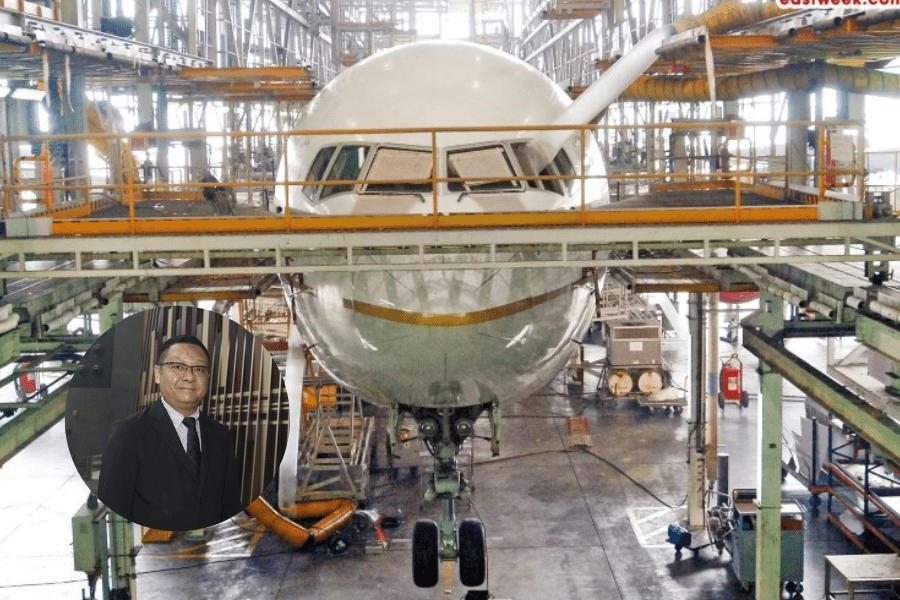
Hong Kong's Five-Year Plan Includes Andrew Fan's Aircraft Parts Processing Hub Proposal

ACIA Aero Leasing Delivers ATR72-600 to Air Nostrum
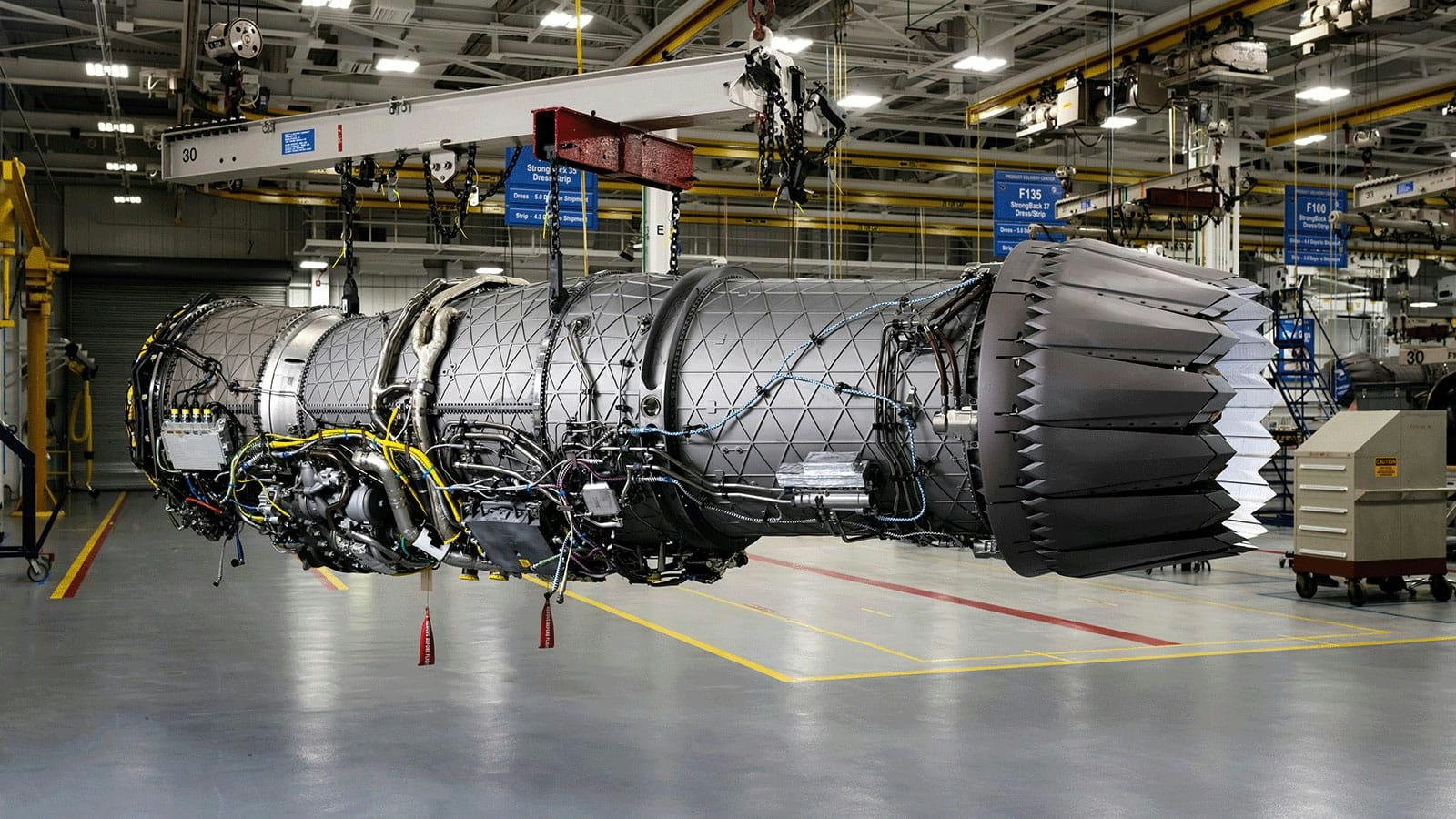
RTX Appoints Jill Albertelli as Head of Pratt & Whitney

TAT Technologies Joins Beyond Aero Hydrogen Aircraft Program

AURAK Study Highlights Barriers to Air Taxi Adoption in Emerging Economies
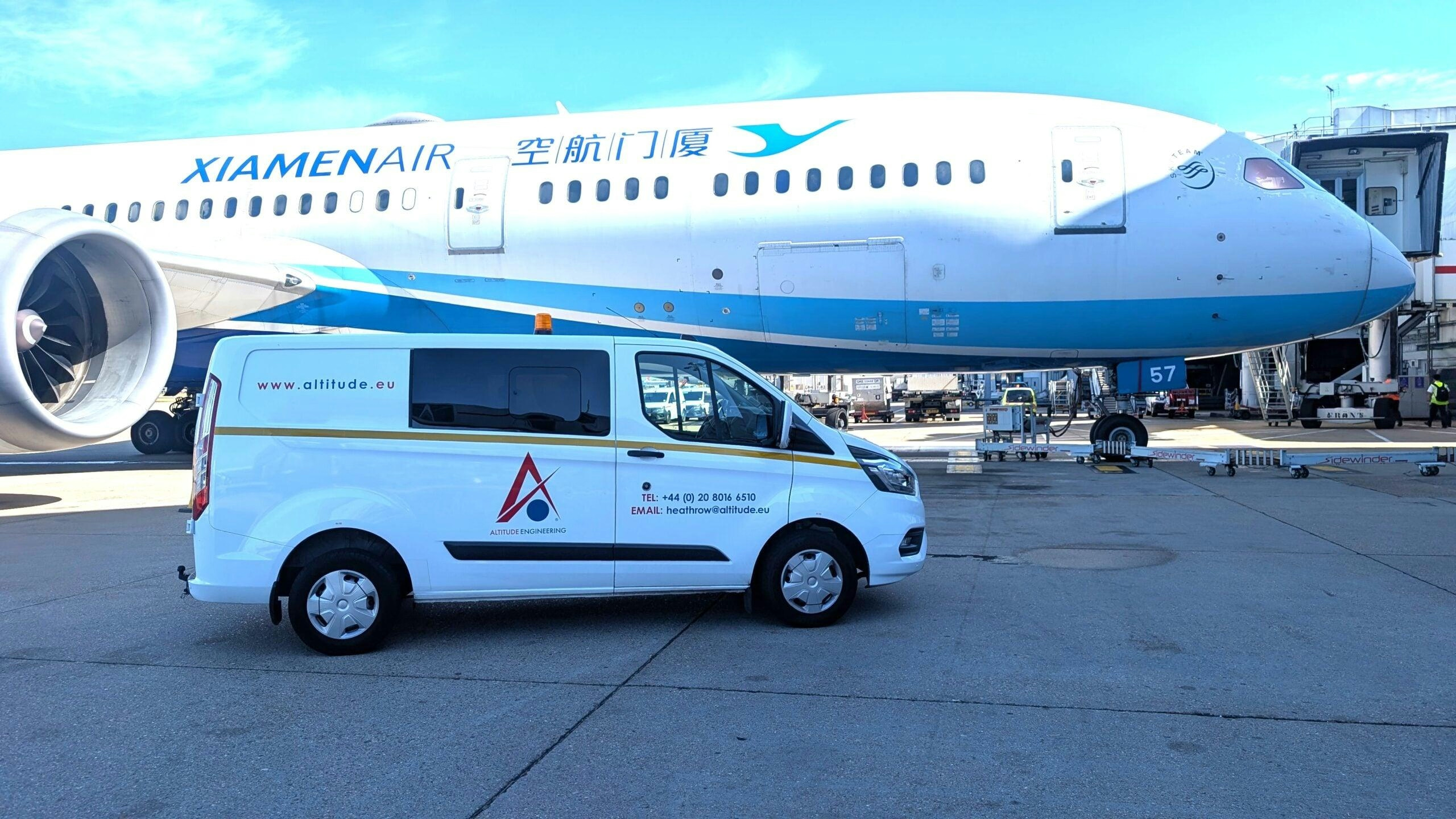
Xiamen Air Selects Altitude for 787 Maintenance at Heathrow

Etihad and Swissport Extend Global Partnership
