
Orchestrer les insights d’IA pour les transformer en actions

Tendances
Categories
Breeze Airways to Add Learjet 45s for Crew and Parts Transport

Breeze Airways to Add Learjet 45s for Crew and Parts Transport
Strategic Fleet Expansion to Enhance Operational Reliability
Breeze Airways is preparing to enhance its operational capabilities by incorporating two Learjet 45 aircraft into its fleet, according to founder David Neeleman in an interview with Aviation Week Network. These jets will be dedicated to transporting parts, engineers, and repositioning flight crews, a strategy Neeleman previously employed at Azul Linhas Aéreas Brasileiras, where he continues to serve as chairman.
The Learjet 45s will be stationed at Breeze’s maintenance hub at Charleston International Airport, with service expected to commence by mid-February. The airline has already recruited five of the eight pilots required to operate the jets, with training scheduled to begin on February 2. Details regarding the aircraft serial numbers and registrations have not yet been disclosed.
Neeleman highlighted that this initiative aims to improve operational reliability and reduce downtime for Breeze’s expanding fleet. Currently, the airline operates 52 Airbus A220-300s, with 46 more on order and options for an additional 30 units, alongside eight Embraer E190s planned for retirement by 2026. He noted the challenges faced when serving approximately 100 cities without alternative airline service, where mechanical issues or crew shortages previously proved difficult to resolve without spare aircraft.
Lessons from Azul and Operational Challenges Ahead
At Azul, which operates over 200 aircraft across its mainline and Azul Conecta divisions, two PC-12 turboprops are used to transport parts and crews throughout Brazil. These aircraft, recently transferred between Azul and Azul Conecta’s RBAC 135 operations, also serve air taxi and scheduled services. While it remains unclear if both are deployed simultaneously for these missions, the model has demonstrated effectiveness in supporting operational needs.
Integrating the Learjet 45s into Breeze’s operations, however, presents several challenges. The airline must ensure smooth logistical integration with existing processes and address potential supply chain disruptions. Additionally, comprehensive training will be necessary for staff to operate and maintain the new aircraft type. These adjustments come amid an increasingly competitive airline industry facing profitability pressures and intensifying market dynamics, described by analysts as “class wars” expected to escalate by 2026.
Market analysts suggest that Breeze’s move may attract heightened scrutiny from competitors and regulators, potentially prompting rival carriers to adopt similar strategies to improve operational efficiency. Concurrently, Breeze is navigating a legal dispute with the Air Line Pilots Association (ALPA), which alleges bad faith negotiations. This lawsuit could complicate the airline’s operational and financial planning as it pursues fleet expansion and modernization.
Despite these obstacles, Breeze Airways remains committed to its plan, aiming to leverage the Learjet 45s to reduce delays and enhance service reliability amid its rapid growth in the U.S. aviation market.
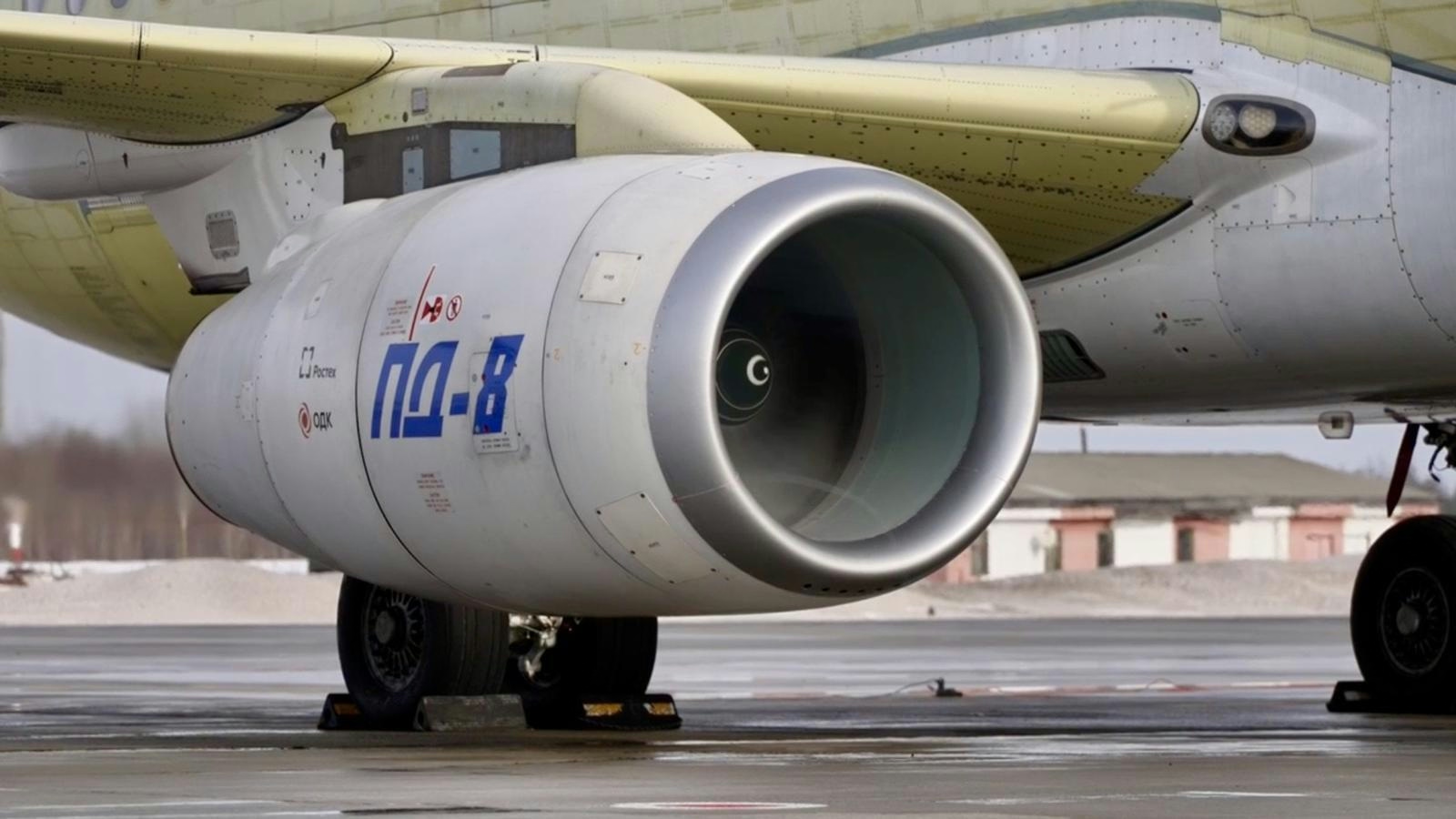
PD-8 Engine Encounters Corrosion Issues from Saltwater Exposure

Weekly Summary: August Deliveries, Year-to-Date Orders, and 4.1 Million Share Buyback
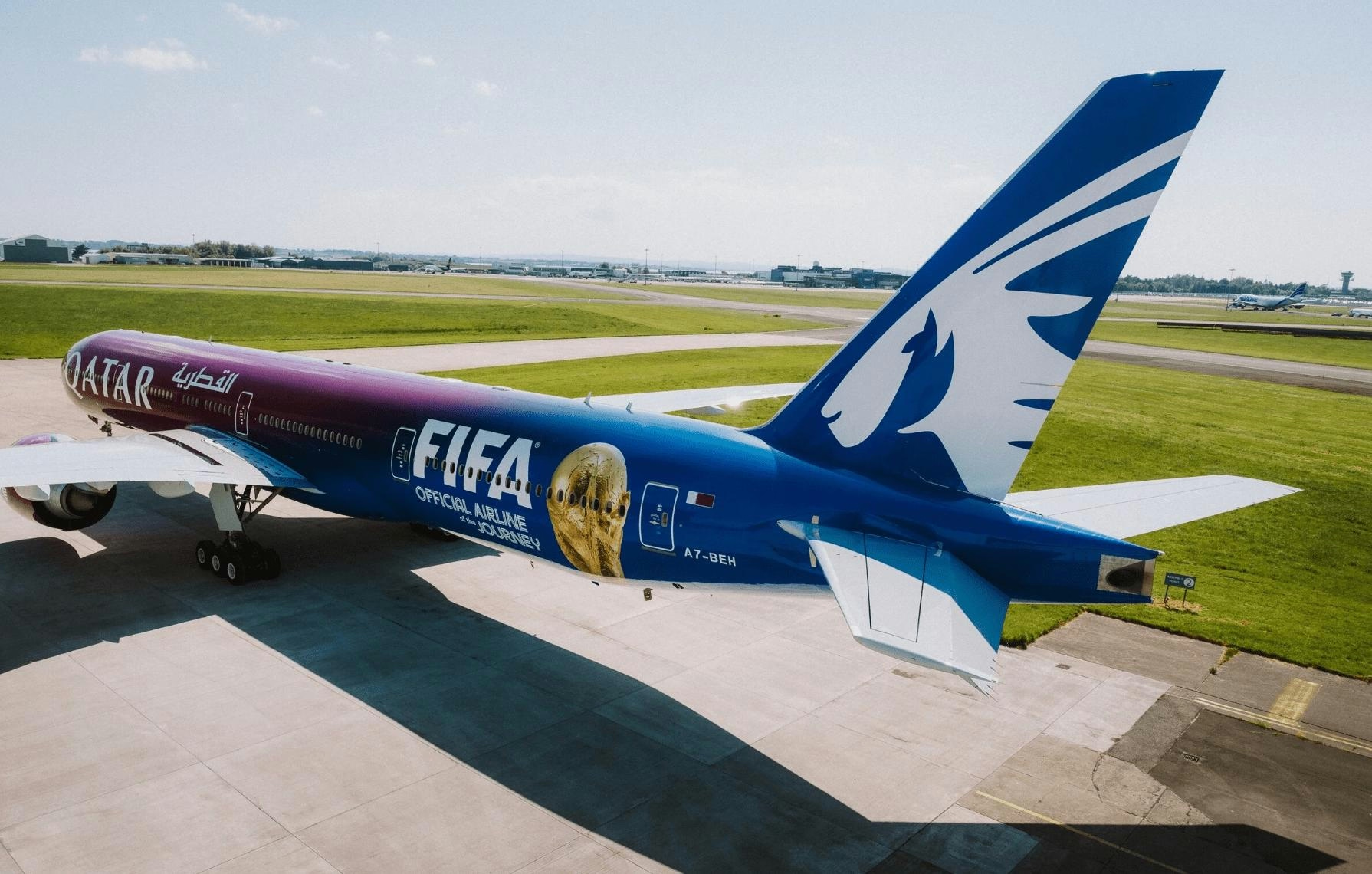
Linking Ireland’s Aircraft Leasing Industry to Elite Football
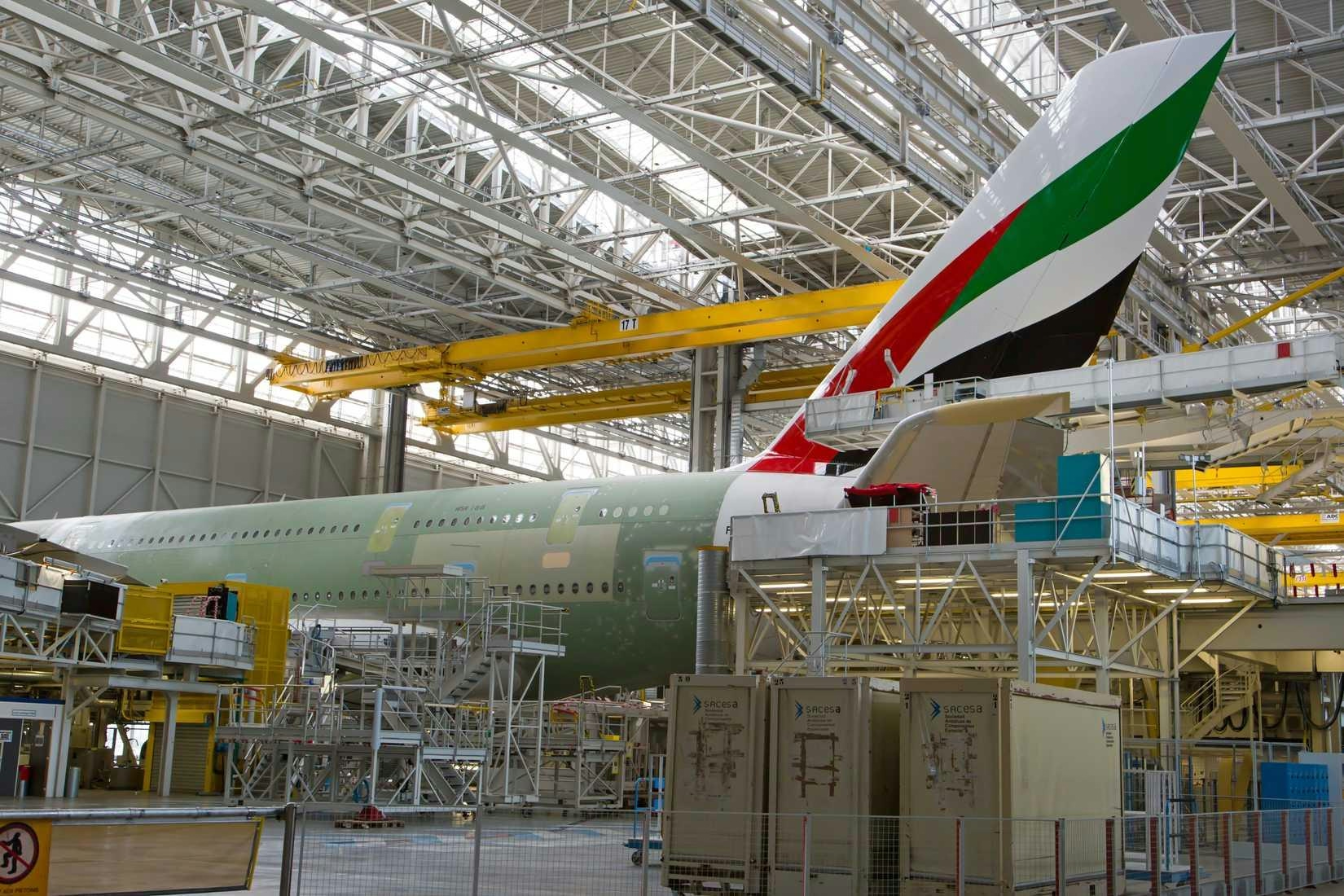
Airbus A380 at Tarbes Yields Over 90% of Parts for Active Fleets Through Careful Dismantling
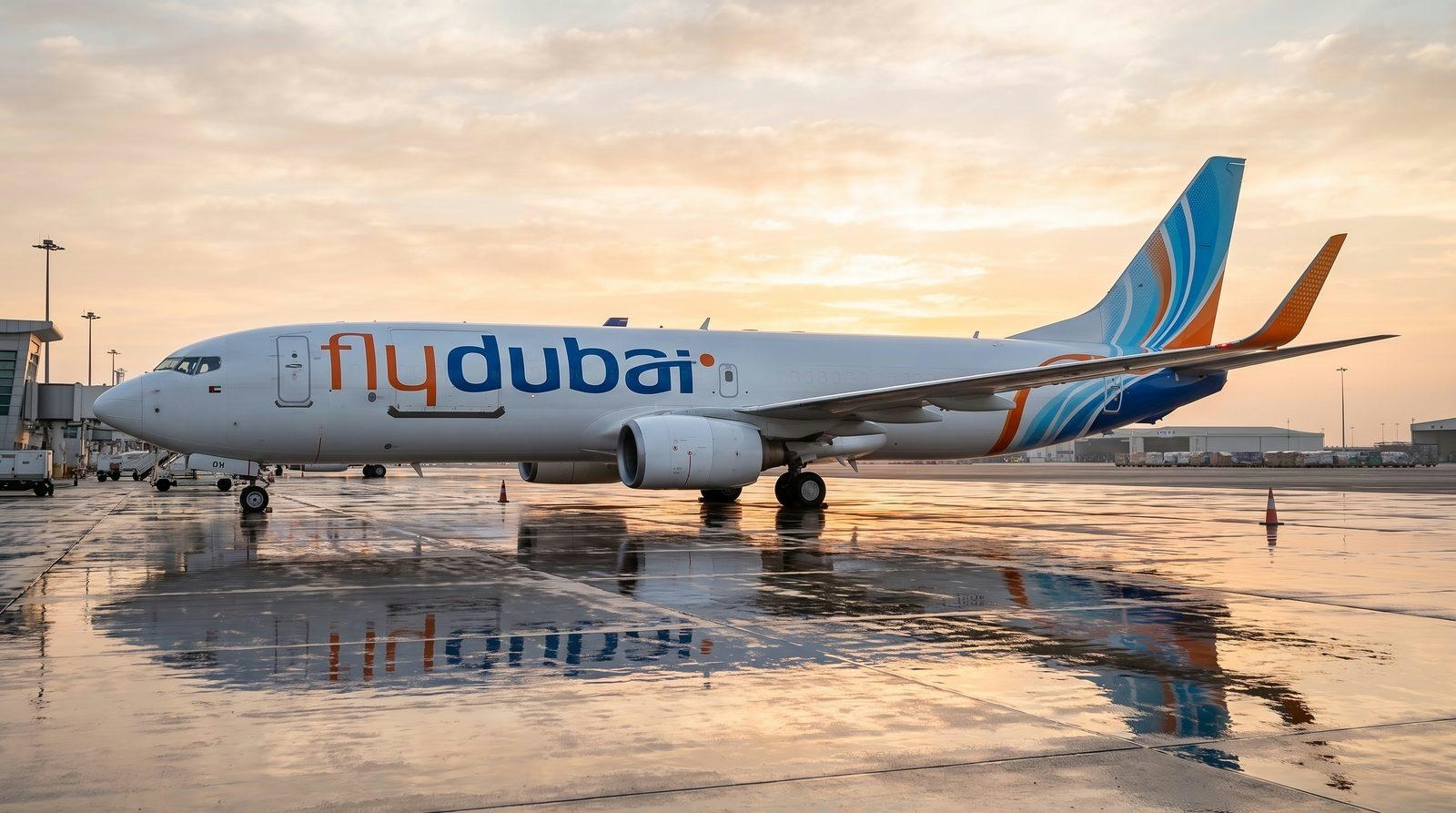
flydubai Begins Dedicated Freighter Operations with Three Leased 737-800s
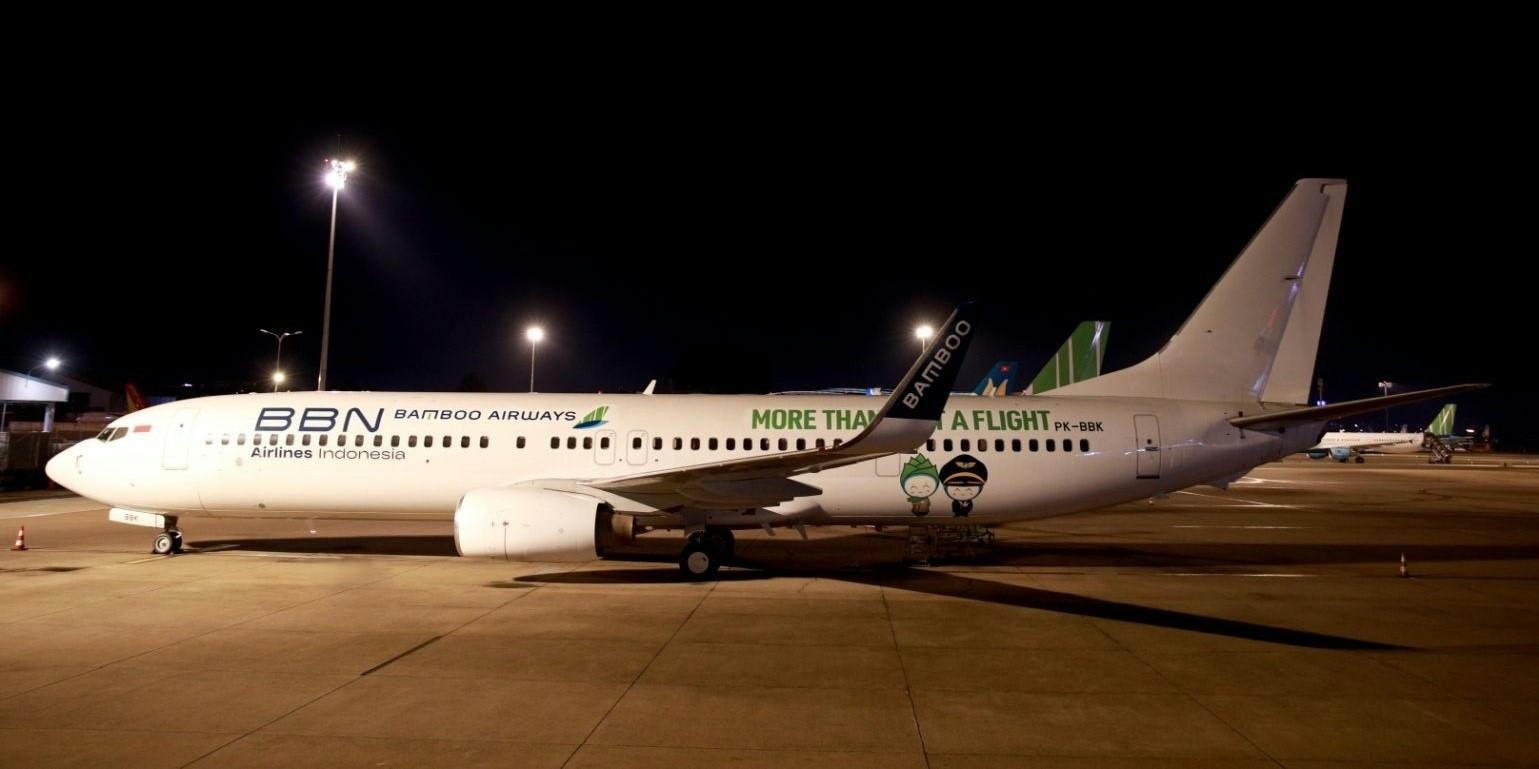
BBN Airlines Becomes IATA Member
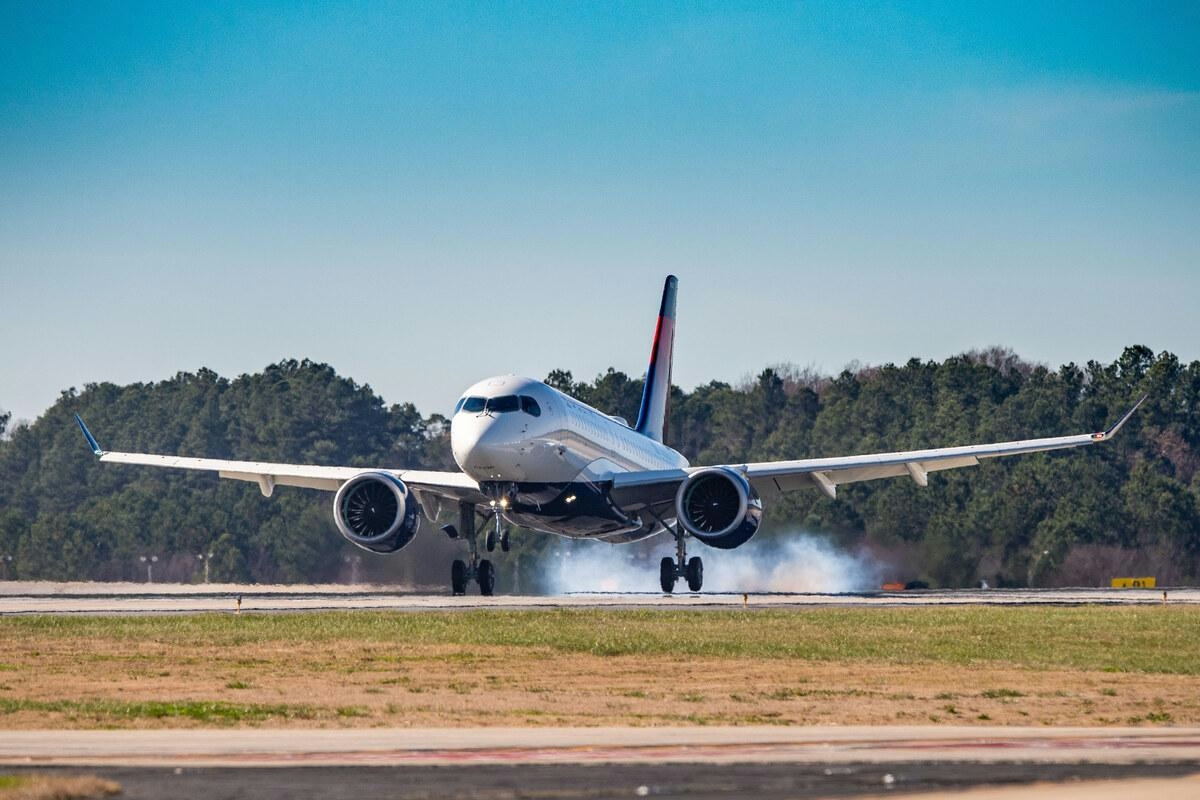
FAA Orders Breeze Airways and Delta to Inspect Airbus A220 Fuel Hoses

Philippine Aviation Navigates Expansion and Costs Amid Fuel Price Volatility
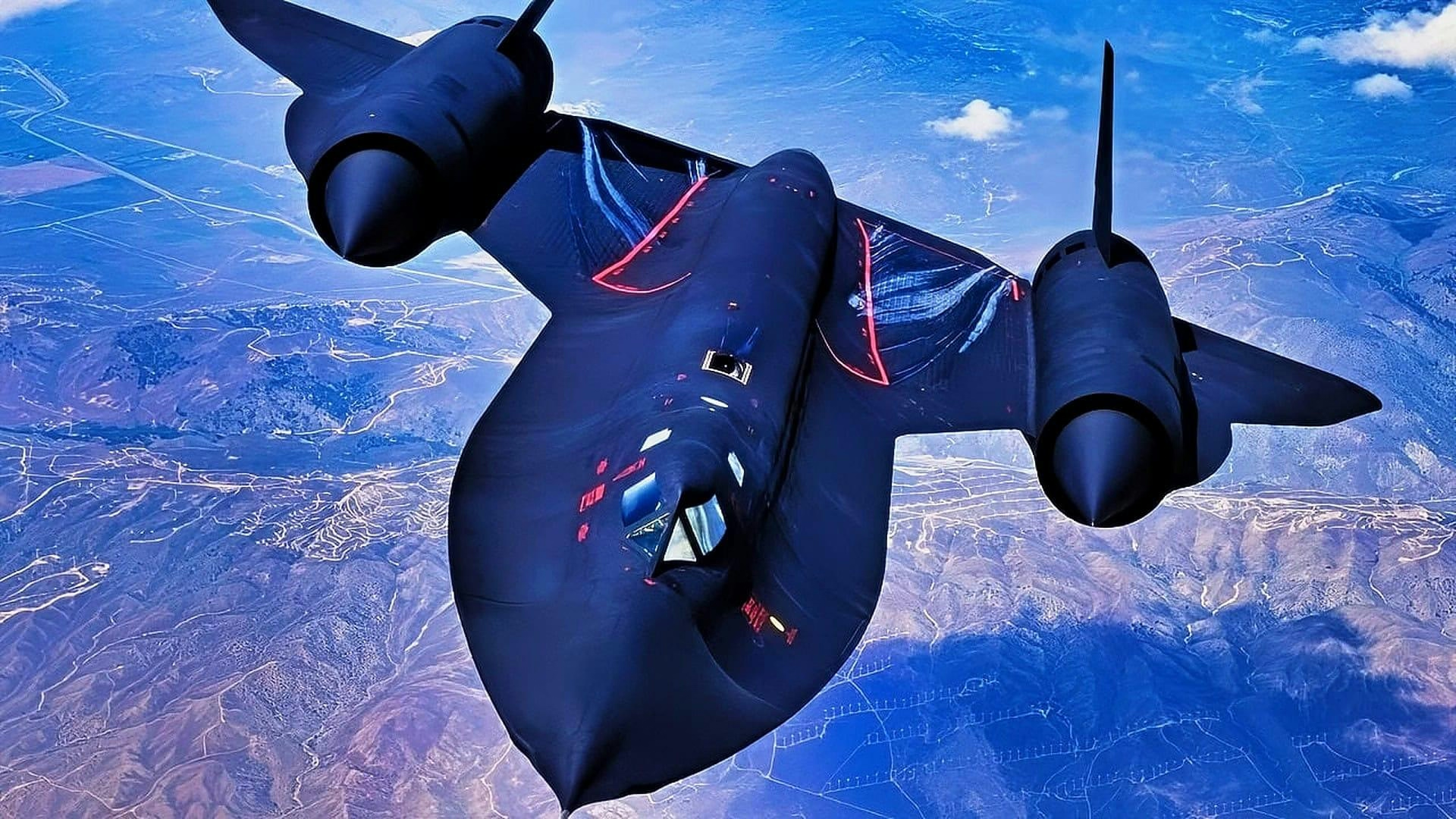
On April 26, 1971, an SR-71 Blackbird Flew Over 15,000 Miles in 10.5 Hours, Limited by Liquid Nitrogen Supply
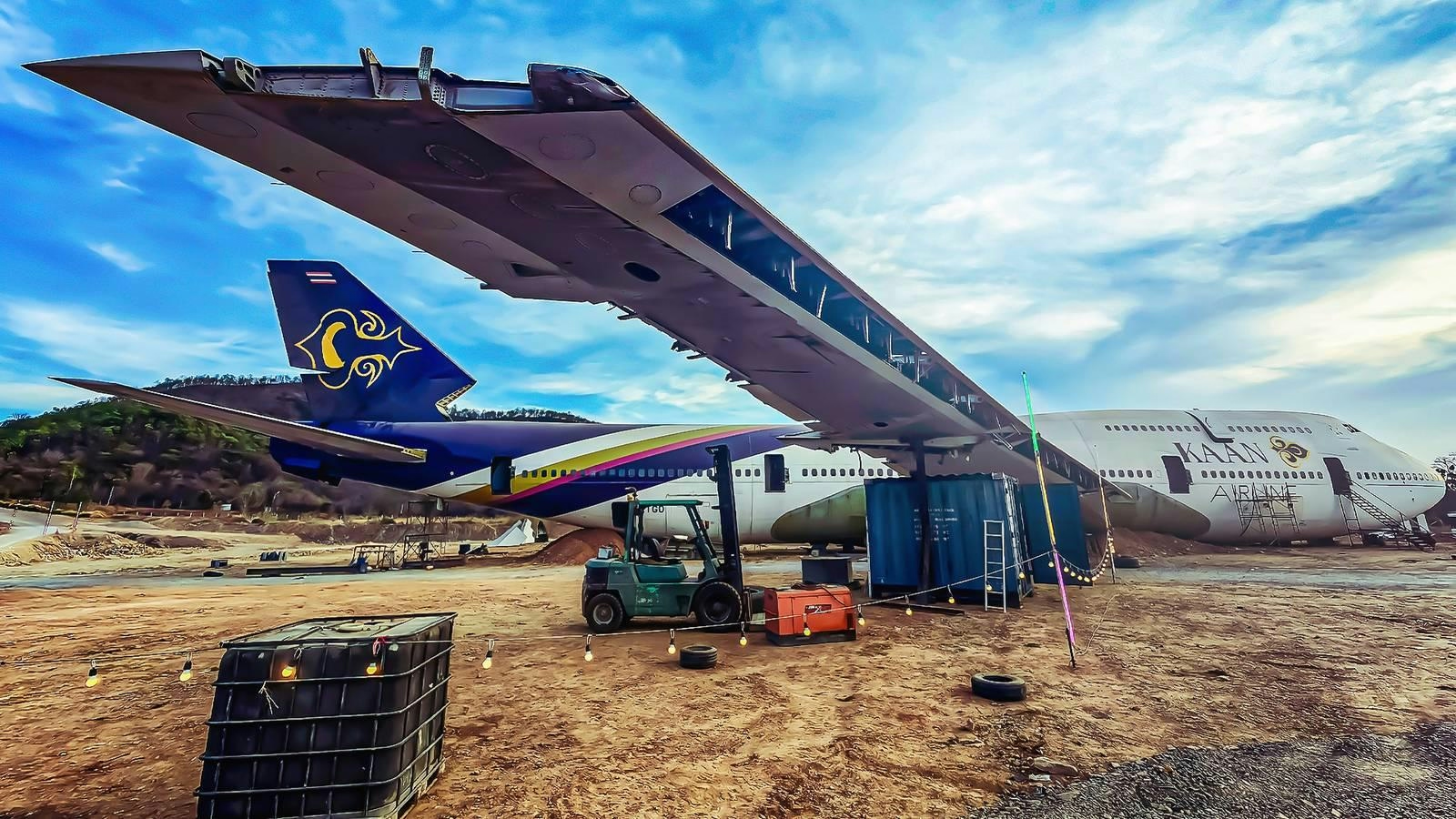
Boeing 747 Airframe Valued Less Than One Landing Gear Component
