
Orchestrer les insights d’IA pour les transformer en actions

Tendances
Categories
China Develops AI to Detect F-35 Stealth Technology
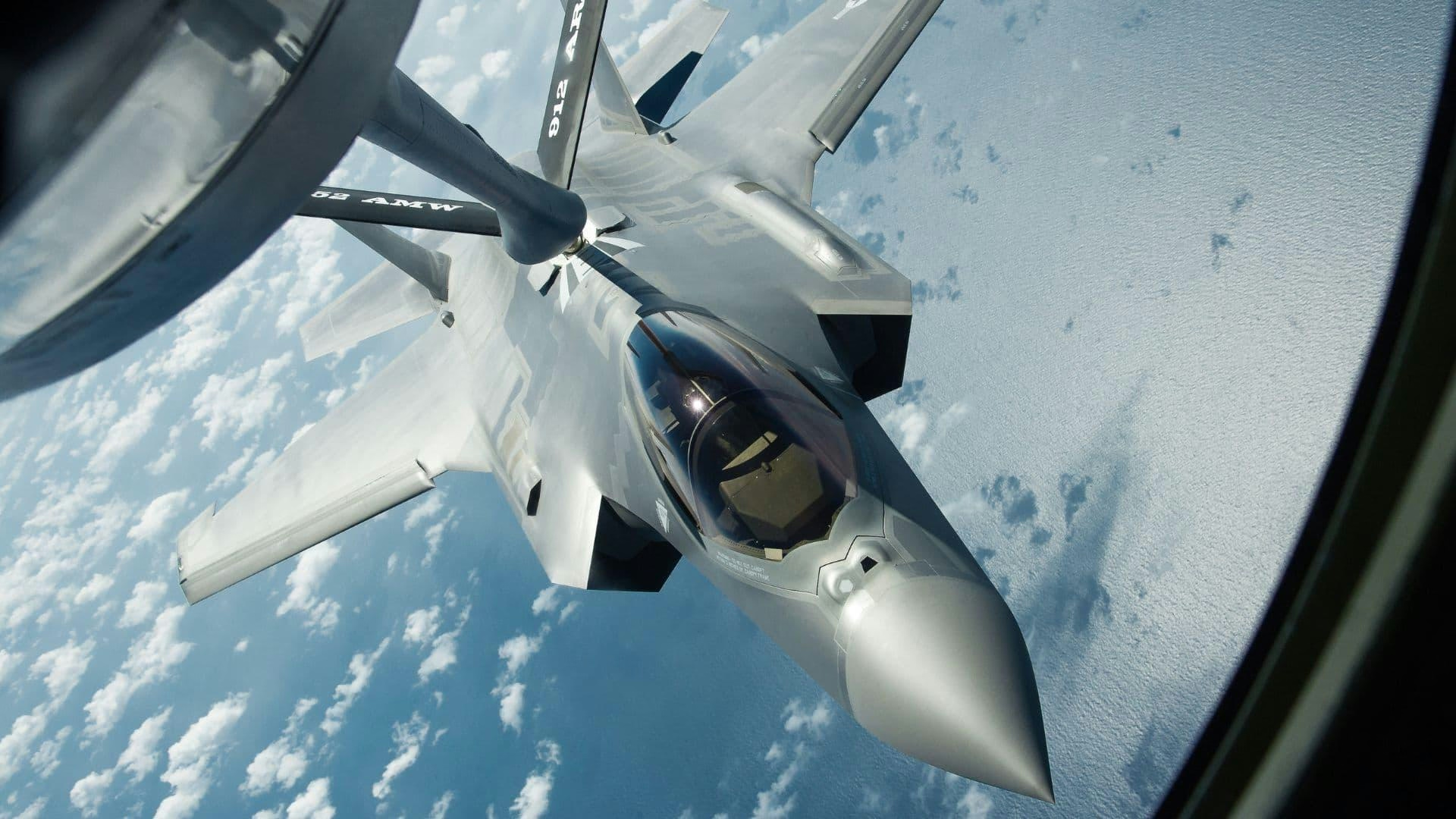
China Develops AI System to Detect F-35 Stealth Technology
Advancements in Infrared Detection
Chinese researchers have introduced a compact artificial intelligence system designed to detect the thermal signatures of U.S. stealth fighters, specifically the F-22 and F-35 models. These aircraft are engineered to minimize radar and sensor visibility, yet their residual infrared emissions remain a potential vulnerability. The newly developed AI system targets these thermal characteristics, analyzing heat generated by engines, exhaust, and heated airframe components during flight. Unlike traditional radar, infrared sensors capture these emissions, offering an alternative method of detection.
The research team asserts that the AI can differentiate the unique thermal patterns of the F-22 and F-35 from other airborne objects, even when pilots deploy infrared countermeasures such as flares. According to lead author An Jiangshan, the system combines high-speed data processing with robust recognition accuracy, making it suitable for integration into missile guidance systems. Its compact design suggests potential incorporation into air-to-air weapons, enabling rapid target identification without compromising performance. Laboratory tests reportedly demonstrated identification accuracy exceeding 90%.
Challenges and Strategic Implications
Despite promising laboratory results, the system’s effectiveness in real-world combat scenarios remains unproven. Actual operational environments introduce complexities such as dynamic thermal signatures, atmospheric interference, varying viewing angles, aggressive maneuvers, and electronic countermeasures—factors difficult to replicate in controlled testing. The researchers acknowledge these limitations and emphasize the need for further validation against operational aircraft.
This development marks a significant moment in the evolving contest between stealth and counter-stealth technologies. The emergence of AI-driven infrared detection systems may compel future stealth fighter designs to prioritize advanced heat management to mitigate AI-based detection. Consequently, this could stimulate increased investment in counter-detection technologies and accelerate the broader technological competition between the United States and China, both of which continue to advance their stealth and detection capabilities.
While thermal sensors have long been employed in missile systems, the integration of machine-learning algorithms represents a notable enhancement in identifying complex infrared signatures. However, the current findings do not yet confirm the system’s ability to reliably track or engage real F-22 or F-35 aircraft under the demanding conditions of aerial combat. As both nations persist in their technological innovations, the interplay between stealth and detection is poised to intensify, shaping the future landscape of aerial warfare and defense strategy.

Etihad Airways Suspends Airbus A380 Flights on Key Route

Aditya Birla Group Seeks Approval for Aircraft Leasing in GIFT City

Qatar Airways Highlights Innovation and Connectivity at Arabian Travel Market 2026

Hong Kong's Five-Year Plan Includes Andrew Fan's Aircraft Parts Processing Hub Proposal

ACIA Aero Leasing Delivers ATR72-600 to Air Nostrum

RTX Appoints Jill Albertelli as Head of Pratt & Whitney

TAT Technologies Joins Beyond Aero Hydrogen Aircraft Program

AURAK Study Highlights Barriers to Air Taxi Adoption in Emerging Economies

Xiamen Air Selects Altitude for 787 Maintenance at Heathrow

Etihad and Swissport Extend Global Partnership
