
Orchestrer les insights d’IA pour les transformer en actions

Tendances
Categories
COMAC Can Disrupt the Airliner Market Without Surpassing Airbus or Boeing
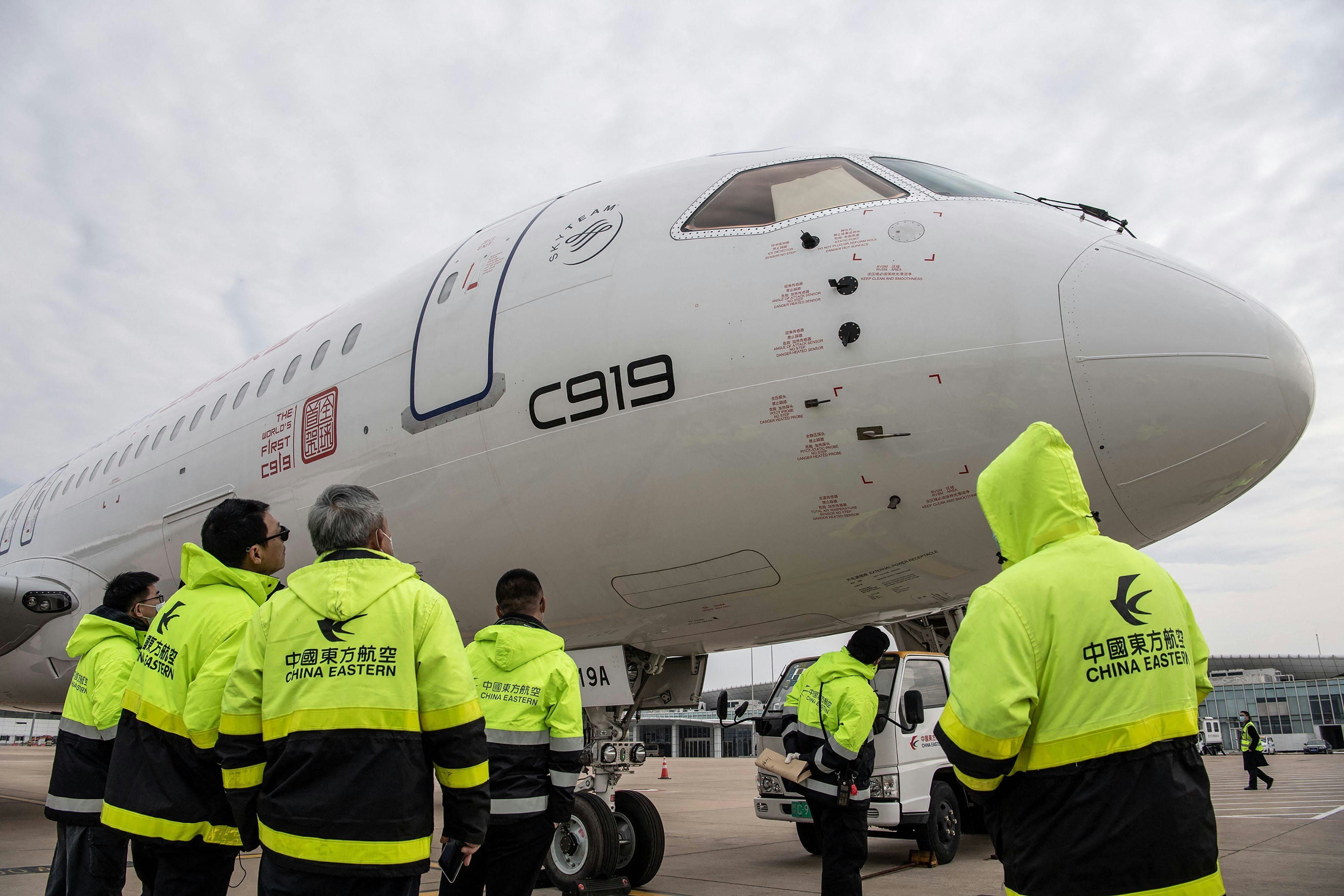
COMAC Can Disrupt the Airliner Market Without Surpassing Airbus or Boeing
While much of the analysis surrounding COMAC’s C919 and its related aircraft focuses on their economic competitiveness against Airbus and Boeing, this approach overlooks a critical dimension: geopolitics. These aircraft are not merely commercial products but state-backed instruments designed to advance China’s political and strategic interests. Their objective is not to outperform the Airbus A320neo or Boeing 737 MAX in fuel efficiency or technological innovation, but rather to provide a credible alternative to Western manufacturers, particularly in markets where political, financial, or strategic factors favor Chinese suppliers.
Geopolitical Ambitions and Market Realities
The C919’s first international commercial flight marked a significant milestone in China’s challenge to the longstanding Boeing-Airbus duopoly. Despite this achievement, the aircraft remains heavily dependent on foreign components and lacks certification from key U.S. and European aviation authorities, which restricts its access to many international markets. By mid-2026, COMAC had delivered approximately 40 C919s—a modest figure compared to the production volumes of Airbus and Boeing. Industry experts caution that it may take several generations before COMAC can seriously threaten the global dominance of these Western manufacturers.
Nevertheless, the importance of the C919 extends beyond immediate market share. It symbolizes a potential shift in the global aviation landscape, particularly if geopolitical tensions continue or intensify. In such a scenario, COMAC could become a cornerstone of a bifurcated aviation market, with its export prospects closely tied to China’s expanding economic and geopolitical influence. Under these conditions, COMAC’s competition with Airbus and Boeing would not follow traditional free-market dynamics.
The Impact of Western Sanctions
Western countries, especially the United States, maintain considerable influence over COMAC’s production capabilities due to the reliance on Western-made components such as engines, avionics, landing gear, and life support systems. In 2025, the U.S. temporarily suspended export licenses for the CFM International LEAP-1C engines used by the C919. Although China had stockpiled enough engines to meet short-term production needs, this embargo threatened to create shortages by 2026. This vulnerability mirrors the effects of Western sanctions on Russia’s aviation sector, which severely disrupted production of the Sukhoi Superjet and MC-21 aircraft.
Despite these challenges, such disruptions are expected to be temporary. China is actively developing domestic alternatives, including the AECC CJ-1000A turbofan engine, which is anticipated to enter service in the early 2030s. While Western sanctions may delay production, they are unlikely to permanently derail COMAC’s progress.
Domestic Market Support and State Control
As of mid-2026, the majority of orders for the C919 and the upcoming C909 remain within China. The country’s aviation market, the world’s second largest, is sufficiently robust to support and sustain its own regional and narrowbody aircraft programs. Unlike Western markets, Chinese airlines operate within a state-directed framework where backing domestic manufacturers is often a matter of government policy rather than pure market competition.
COMAC’s aircraft do not need to surpass Airbus or Boeing in performance or scale to disrupt the global airliner market. Their strategic value lies in offering an alternative aligned with China’s geopolitical objectives, particularly as global divisions deepen. Even if it takes decades for COMAC to rival Western giants in production volume, its emergence alone signals a profound shift in the structure and politics of the aviation industry.
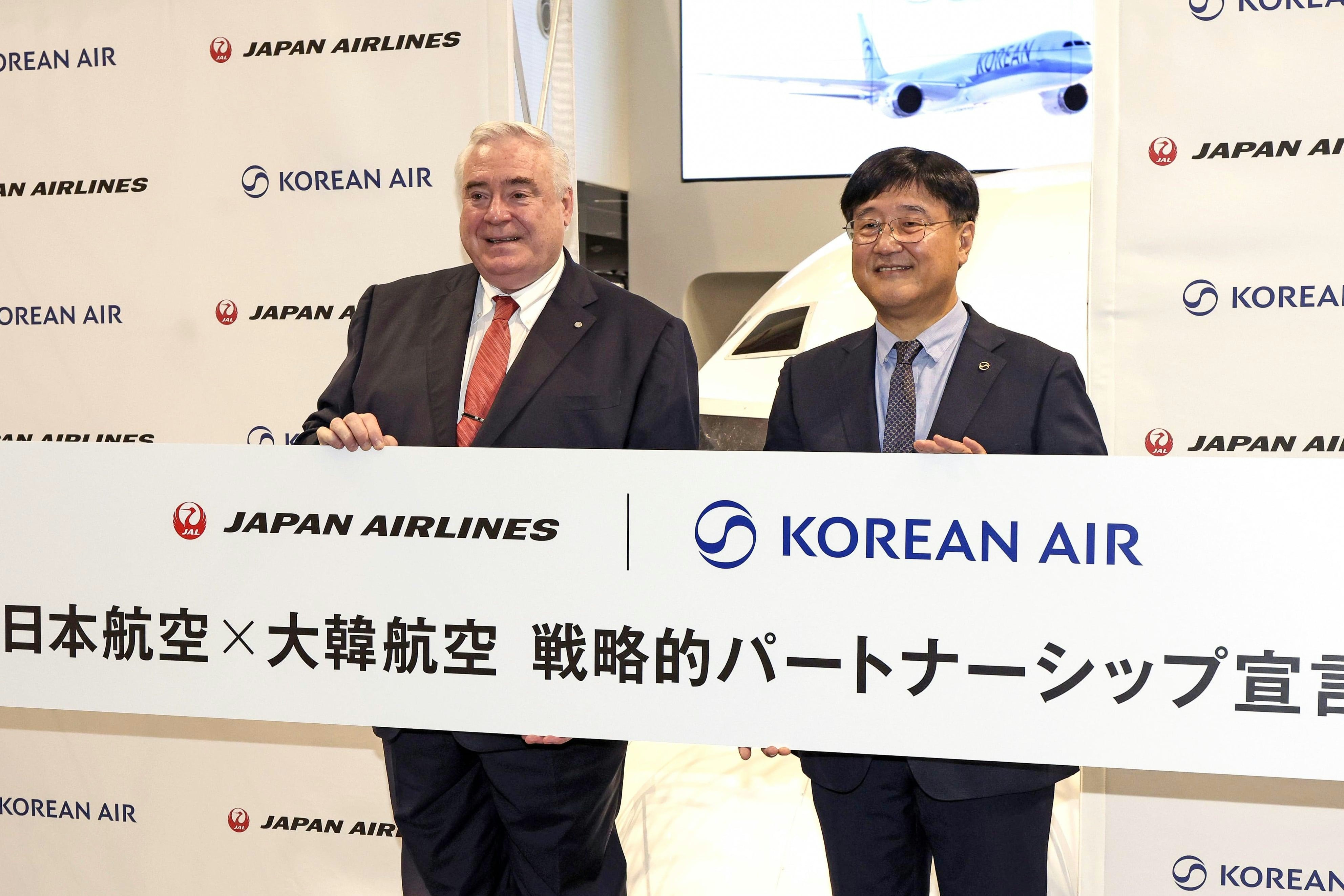
JAL Acquires Hanjin KAL Stake, Strengthening Alliance with Korean Air
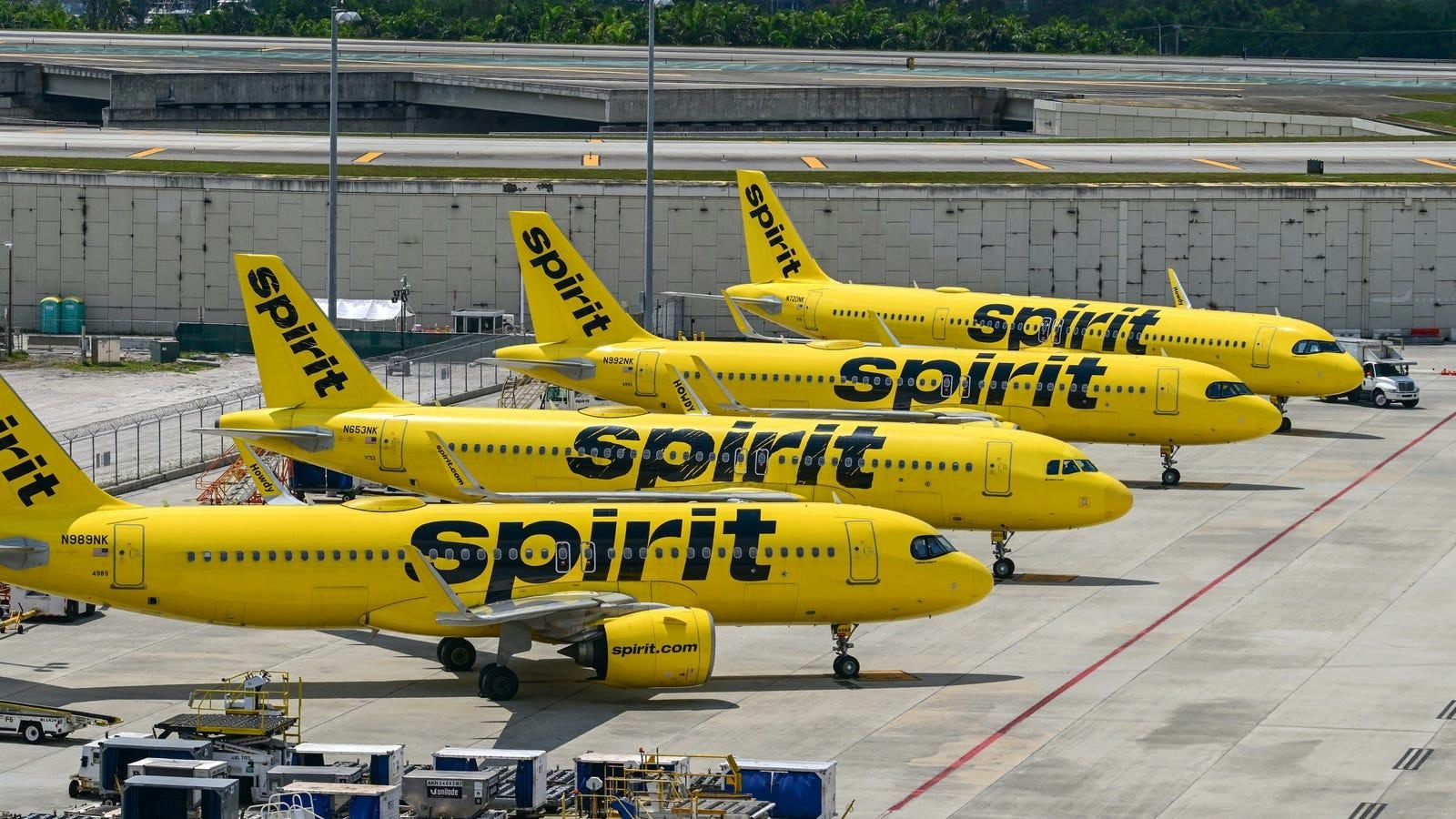
AI Startup Offers $12.5 Million for Spirit Aviation Data
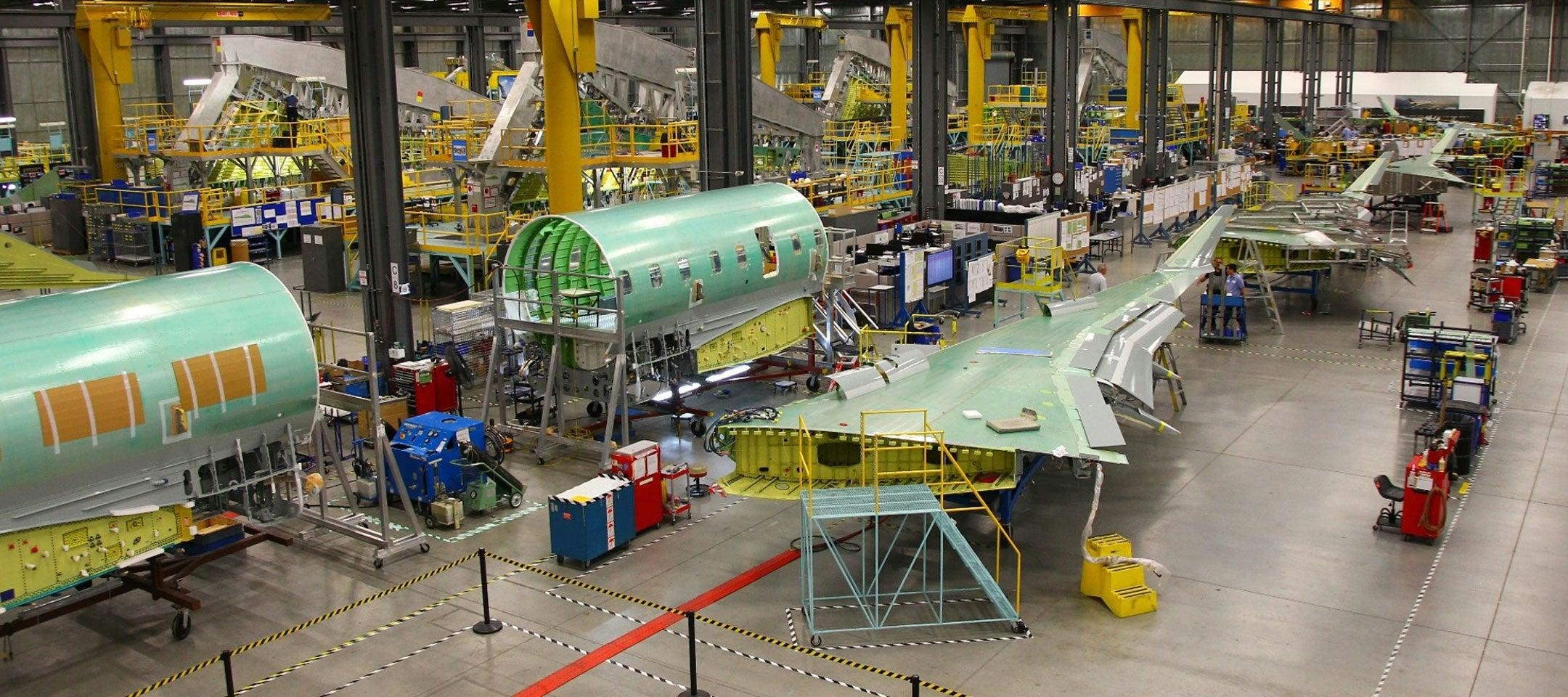
Bombardier to Acquire MHICA, Internalize Wing Production
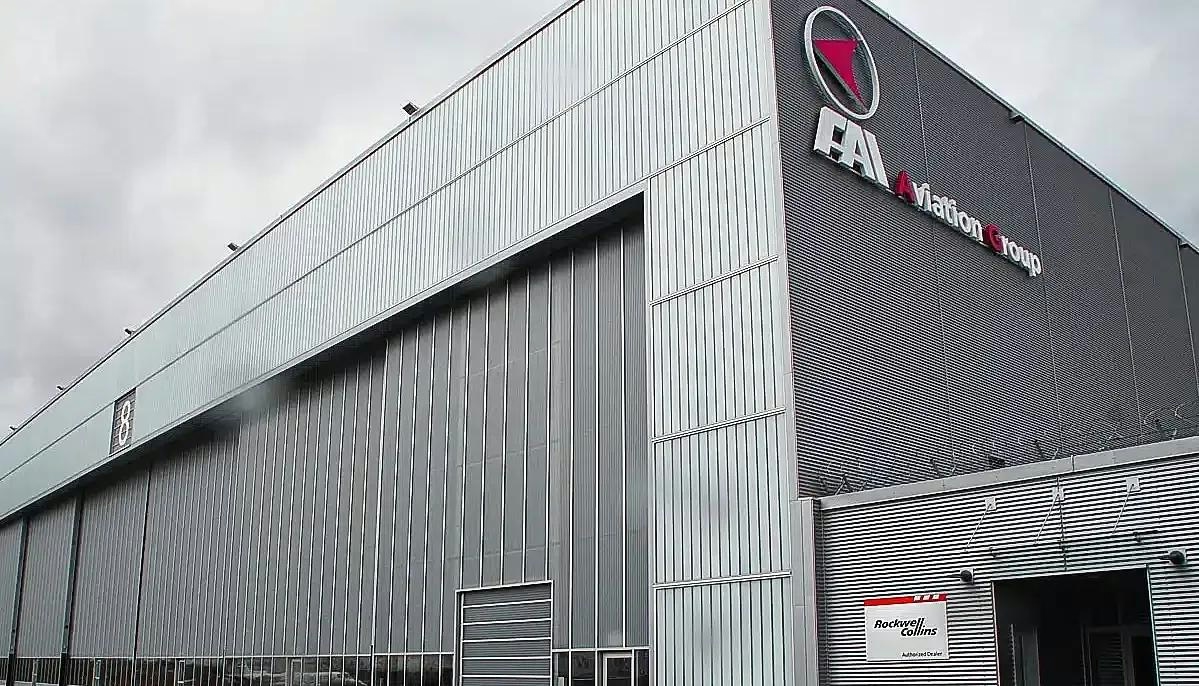
FAI Technik Authorized as Starlink Dealer

AI Flight Between Madurai and Chennai to End After 68 Years on Oct. 25
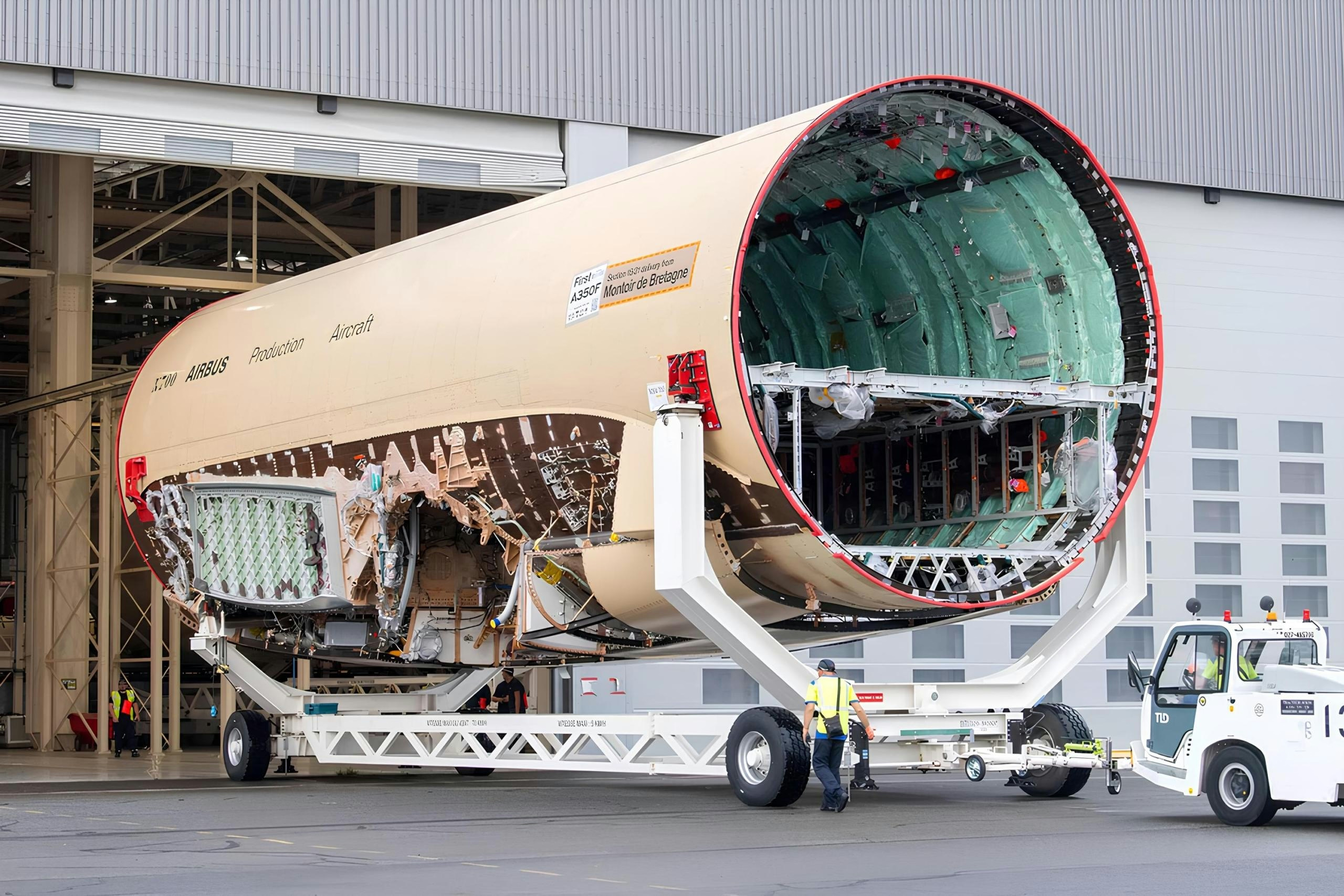
Airbus Reaches 1,000 Orders Amid Delivery Concerns
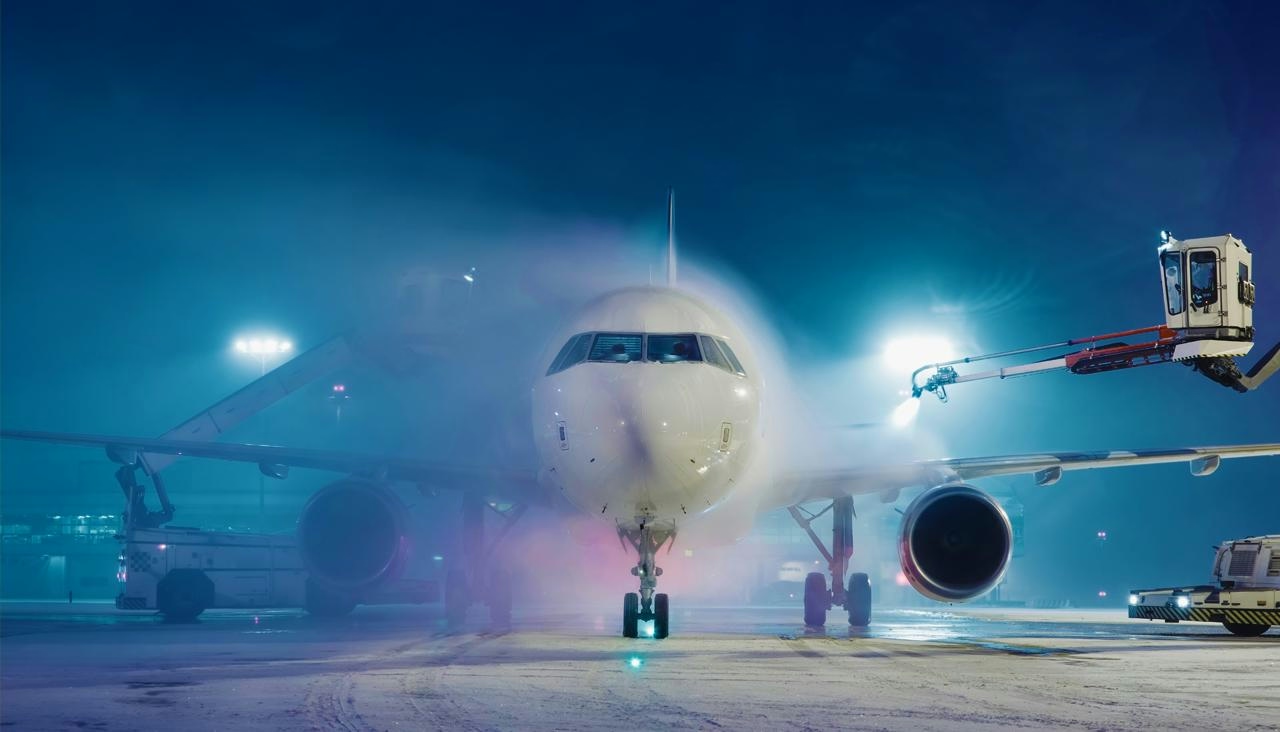
The Cost of De-Icing a Boeing 777 for Airlines
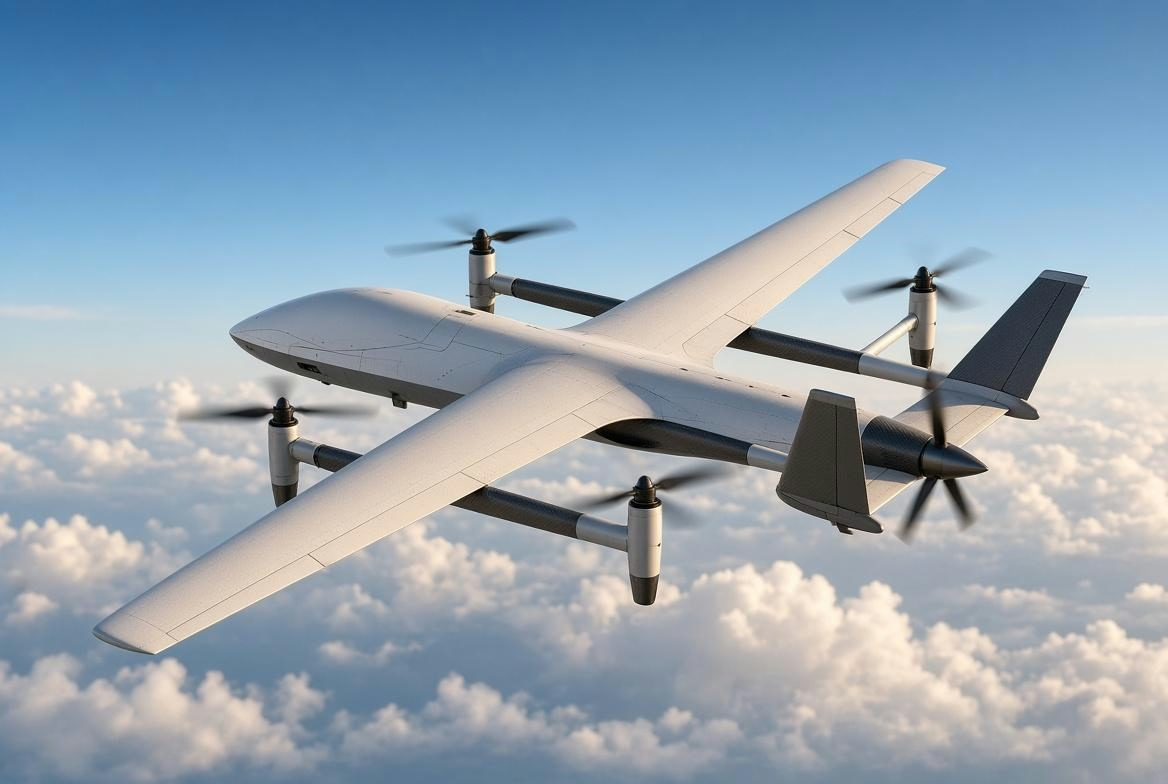
AVAKS-GeoService Patents UAV with Four Lift Propellers and One for Acceleration

Could AI Agents Turn the Time Between Trips Into a Revenue Channel?
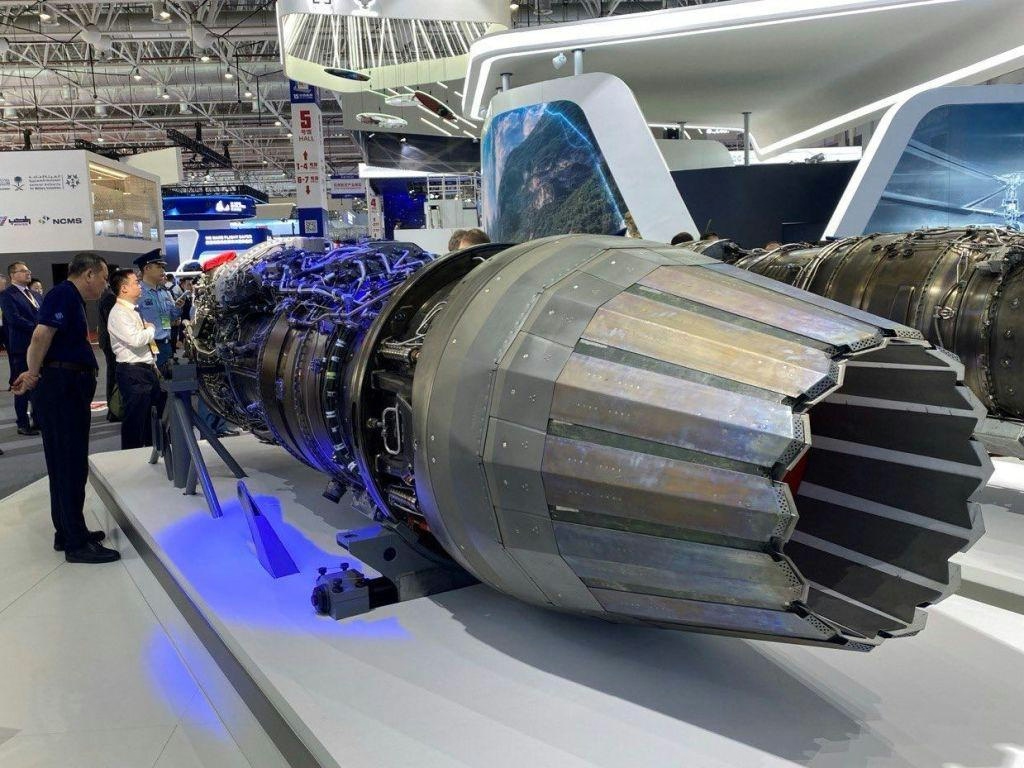
AL-51F1 Engine Extends Su-57's Range Beyond Air-to-Air Missiles
