
Orchestrer les insights d’IA pour les transformer en actions

Tendances
Categories
Comparing the Size of the Boeing 777-300ER and 787 Dreamliner
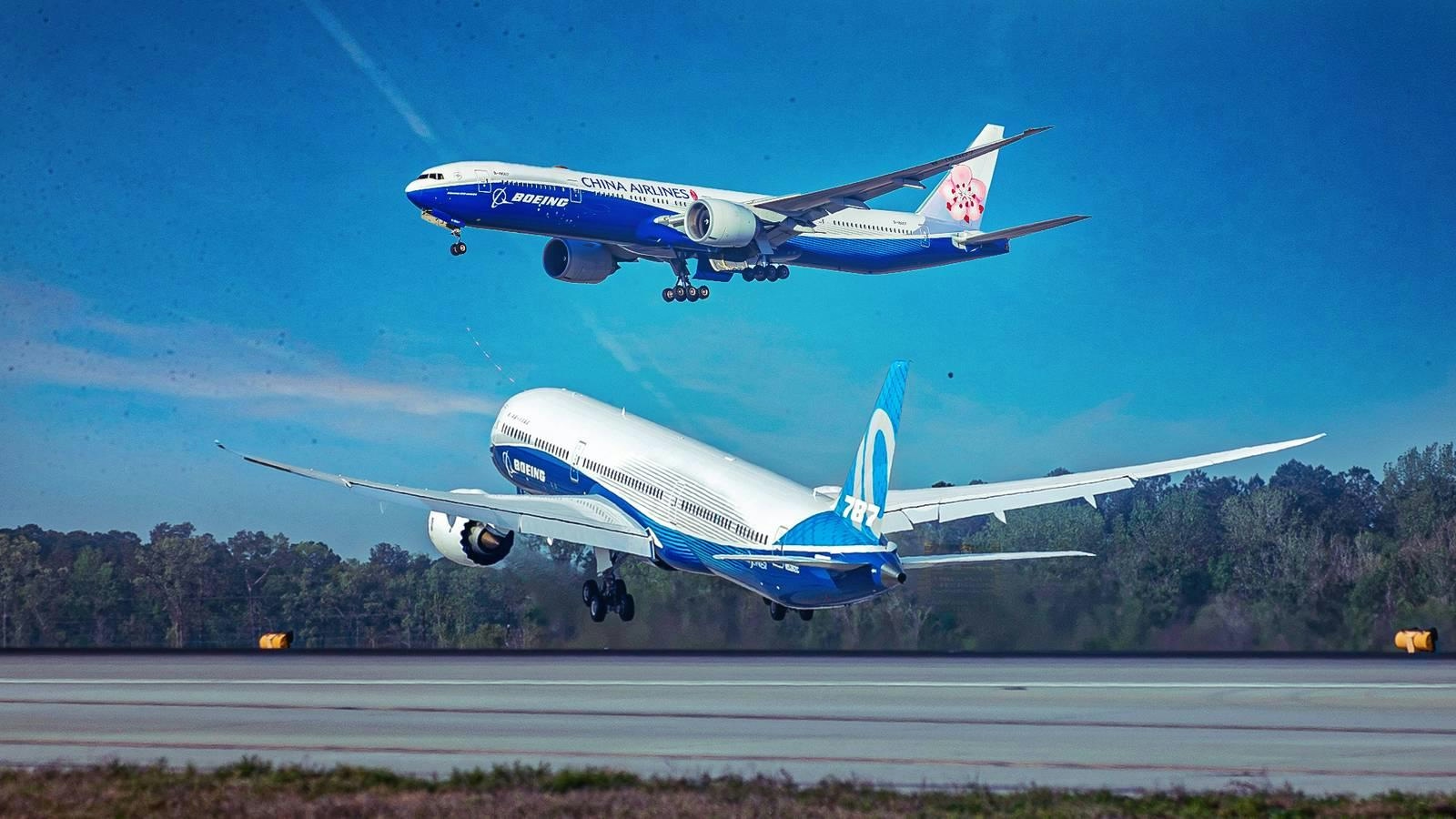
Comparing the Size of the Boeing 777-300ER and 787 Dreamliner
At first glance, the Boeing 777-300ER and the Boeing 787 Dreamliner appear to fulfill similar roles within global aviation. Both are twin-engine, widebody jets manufactured by Boeing and widely employed by major airlines for long-haul routes. However, a closer examination reveals that these aircraft are designed with distinct purposes in mind and occupy different positions within Boeing’s product lineup.
The 777-300ER was developed to transport large numbers of passengers over extended distances, effectively replacing older four-engine aircraft such as the Boeing 747-400 and Airbus A340. In contrast, the 787 Dreamliner was engineered to prioritize efficiency, flexibility, and reduced operating costs, particularly on long routes with lower passenger demand. These differing design philosophies are evident in their size, capacity, and operational roles.
Overall Size and Dimensions
The most immediate distinction between the two aircraft lies in their physical dimensions. The Boeing 777-300ER measures approximately 242 feet (73.9 meters) in length, making it longer than any variant of the 787, including the stretched 787-10, which is about 224 feet (68.3 meters) long. The smallest Dreamliner, the 787-8, is significantly shorter at 186 feet (56.7 meters).
Wingspan further accentuates this disparity: the 777-300ER spans roughly 212 feet (64.8 meters), compared to the 787’s 197 feet (60.1 meters). While the 787’s wings incorporate advanced composite materials and optimized aerodynamics, the larger wings of the 777 are necessary to support its heavier airframe. In terms of height, the 777-300ER stands approximately 61 feet (18.5 meters) tall, whereas the 787 measures around 56 feet (17 meters). When positioned side by side, the 777-300ER’s larger presence is unmistakable.
Passenger Capacity
Passenger capacity serves as a key indicator of an aircraft’s size and market role. The 777-300ER typically accommodates between 350 and 370 passengers in a two-class configuration, with some high-density layouts capable of seating over 400. In all-economy arrangements, the aircraft can carry up to 550 passengers, underscoring its role as a long-haul workhorse. Emirates, the largest operator of the 777-300ER, configures its fleet to seat between 324 and 421 passengers depending on route demand.
By comparison, the 787 Dreamliner is designed to serve smaller markets. The 787-9, the most popular variant, generally seats around 296 passengers in a two-class layout. This emphasis on efficiency and right-sizing has made the Dreamliner a preferred choice for airlines seeking to open new, thinner long-haul routes.
Market and Industry Context
Market responses to these aircraft have varied over time. Despite its technological advancements, the 787 Dreamliner experienced initial production delays and quality control issues that affected its reputation. Safety concerns have occasionally emerged, such as the recent nose gear collapse of a Lufthansa 787 at Frankfurt Airport. Meanwhile, the 777-300ER has established itself as a reliable mainstay on high-demand routes.
Competition in the long-haul widebody market remains intense. Airbus’s A350 directly challenges both Boeing models, and recent supply chain disruptions have delayed A350-1000 deliveries to Qantas, impacting plans for nonstop flights to London and New York. On the Boeing side, Riyadh Air recently took delivery of its first 787-9 Dreamliners, while Boeing anticipates securing extended-range twin operations (ETOPS) approval for the upcoming 777-9 model in 2027.
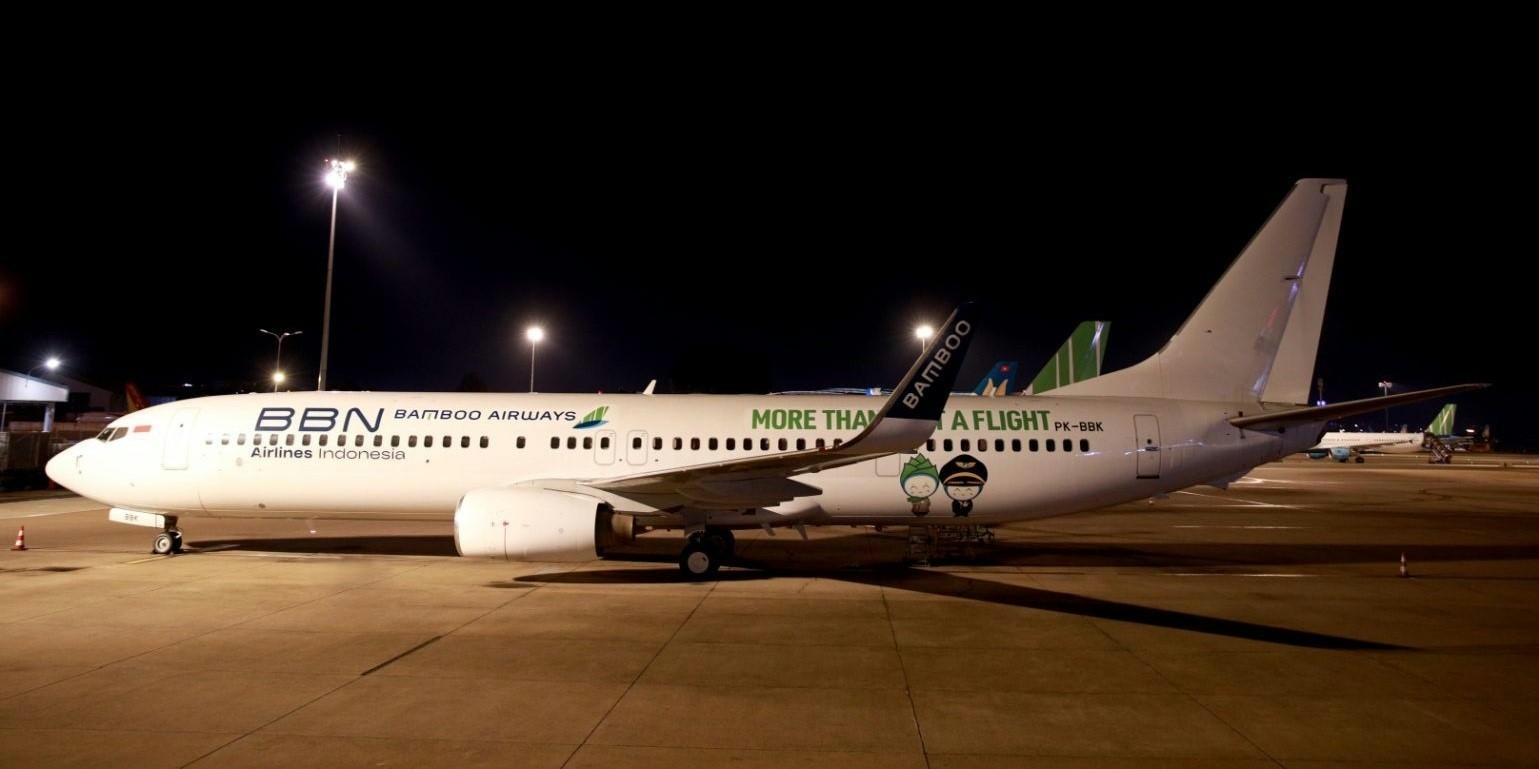
BBN Airlines Becomes IATA Member
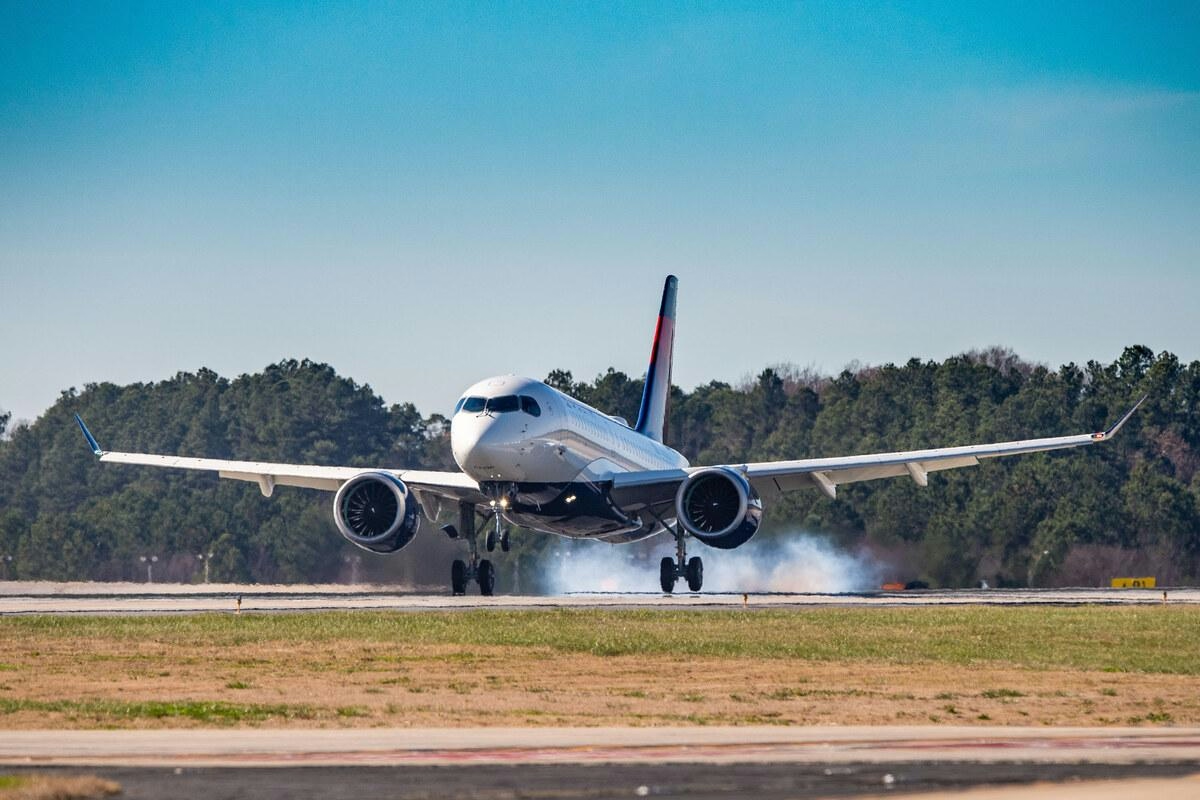
FAA Orders Breeze Airways and Delta to Inspect Airbus A220 Fuel Hoses

Philippine Aviation Navigates Expansion and Costs Amid Fuel Price Volatility
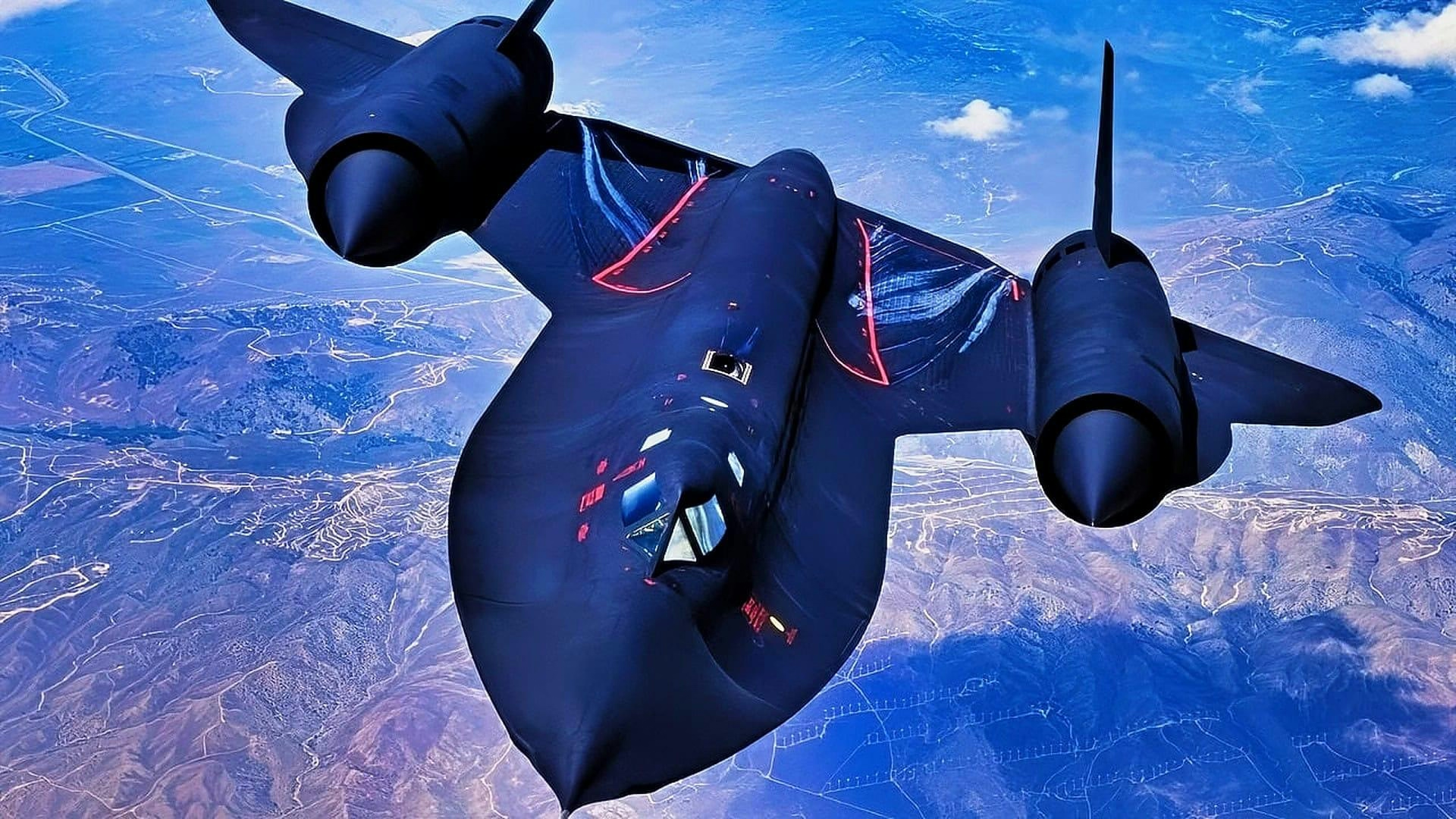
On April 26, 1971, an SR-71 Blackbird Flew Over 15,000 Miles in 10.5 Hours, Limited by Liquid Nitrogen Supply
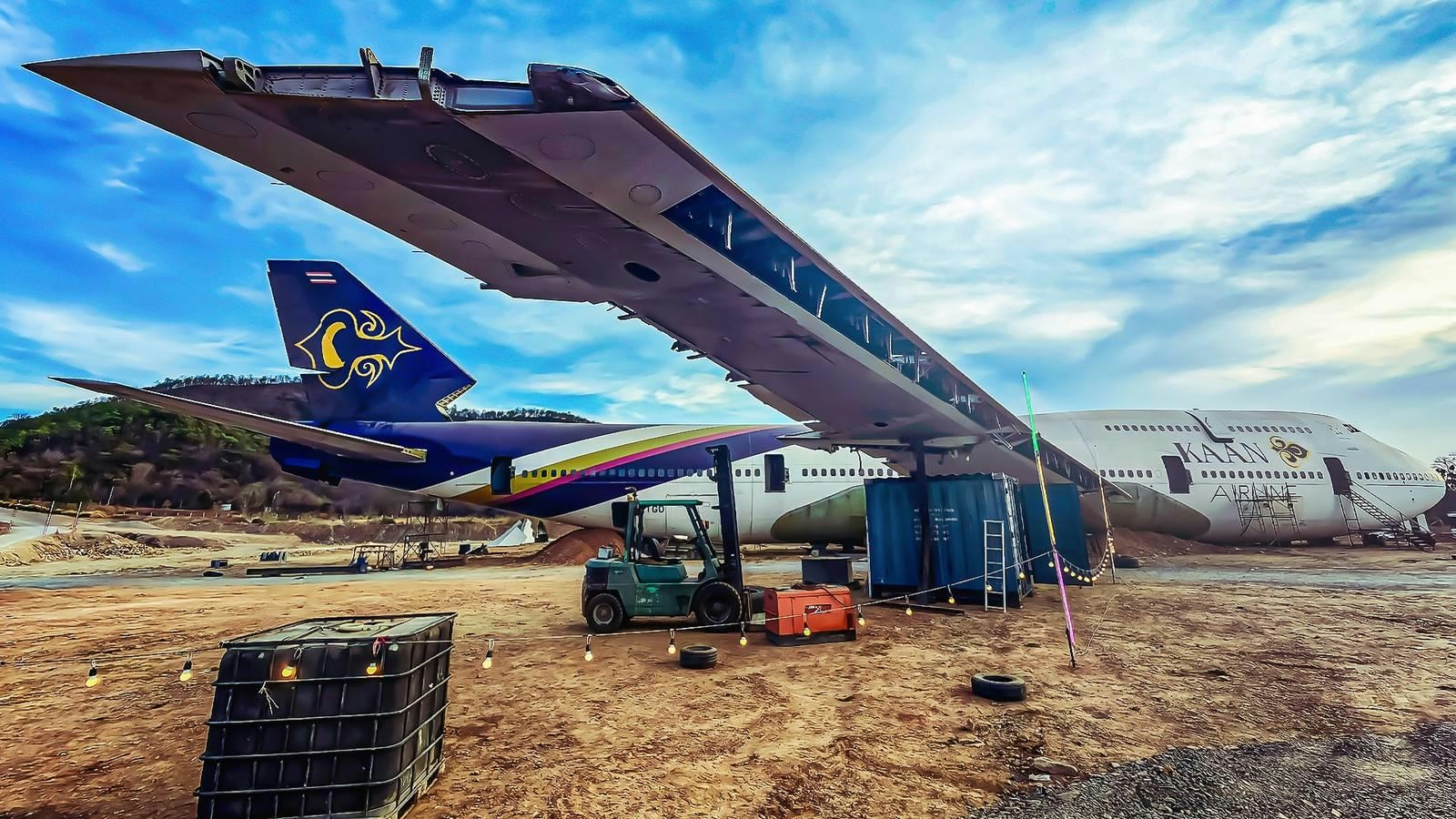
Boeing 747 Airframe Valued Less Than One Landing Gear Component

The Rear-Fan Engine Behind the Crash of the World's Fastest Airliner
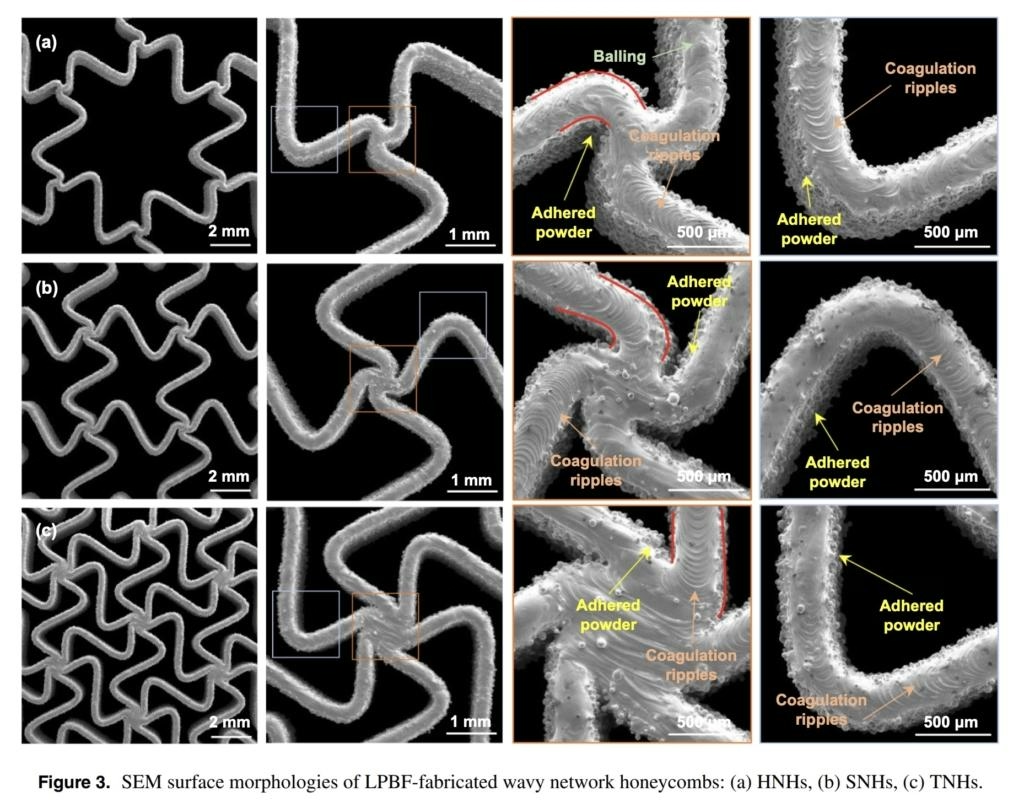
Morphing Aircraft Skin Improves Safety and Fuel Efficiency

BRICS Nations Commit to Enhanced Cooperation on Sustainable Transport and Green Aviation
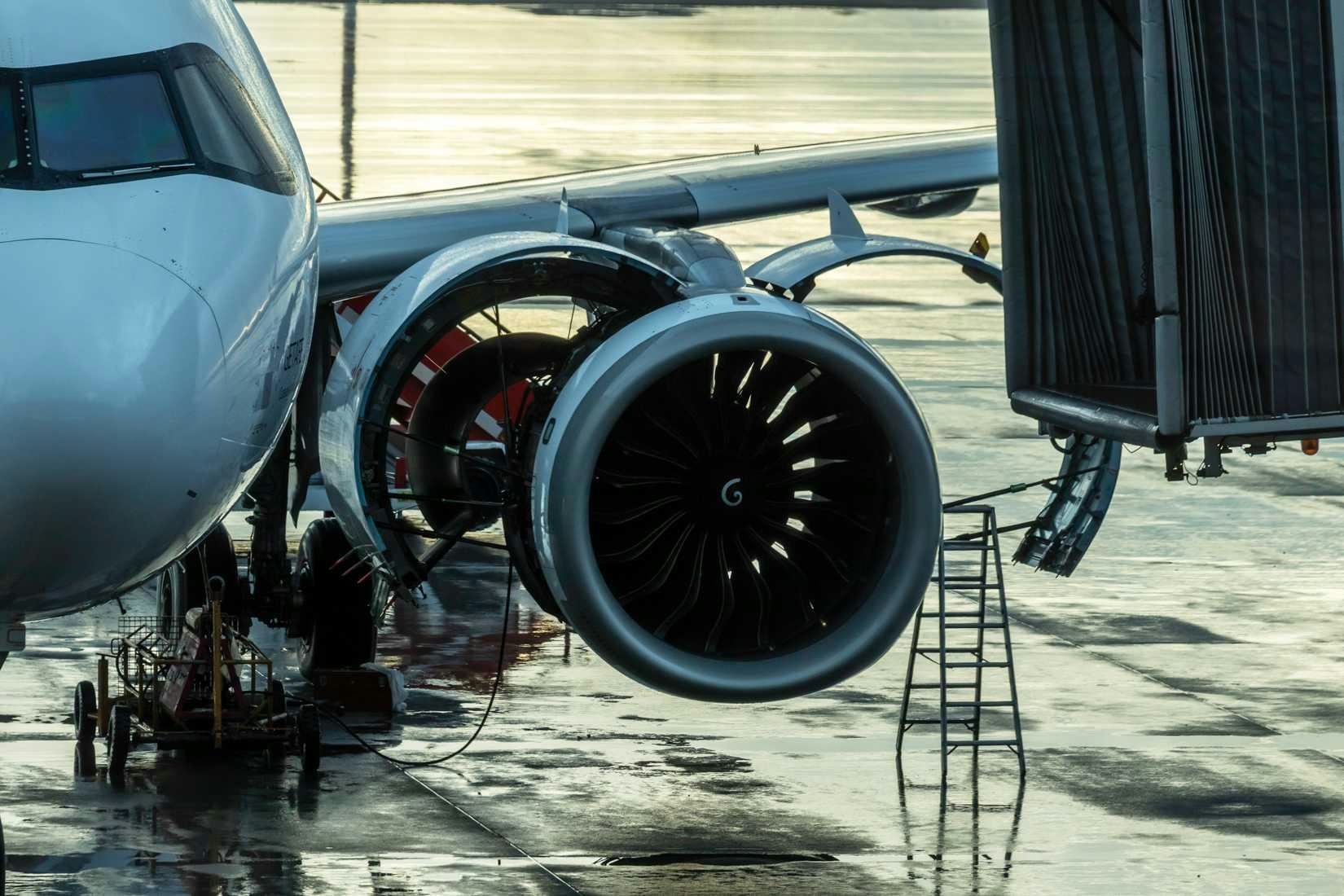
CFM Turbine Upgrade Doubles LEAP Engine Service Life in Harsh Conditions
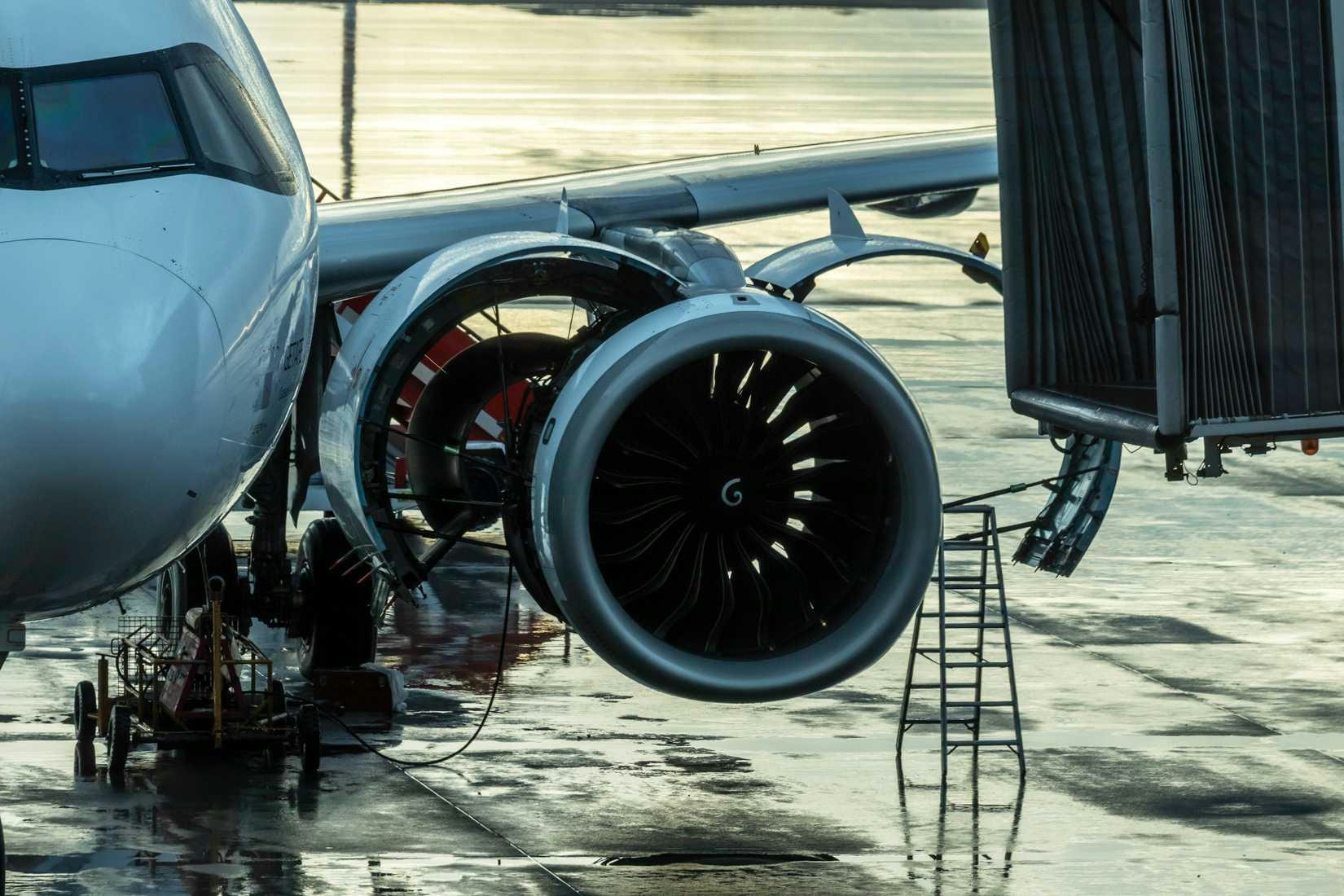
CFM Upgrade Doubles LEAP Engine Lifespan in Harsh Climates
