
Orchestrer les insights d’IA pour les transformer en actions

Tendances
Categories
Delta Airlines Implements AI for Real-Time Ticket Pricing
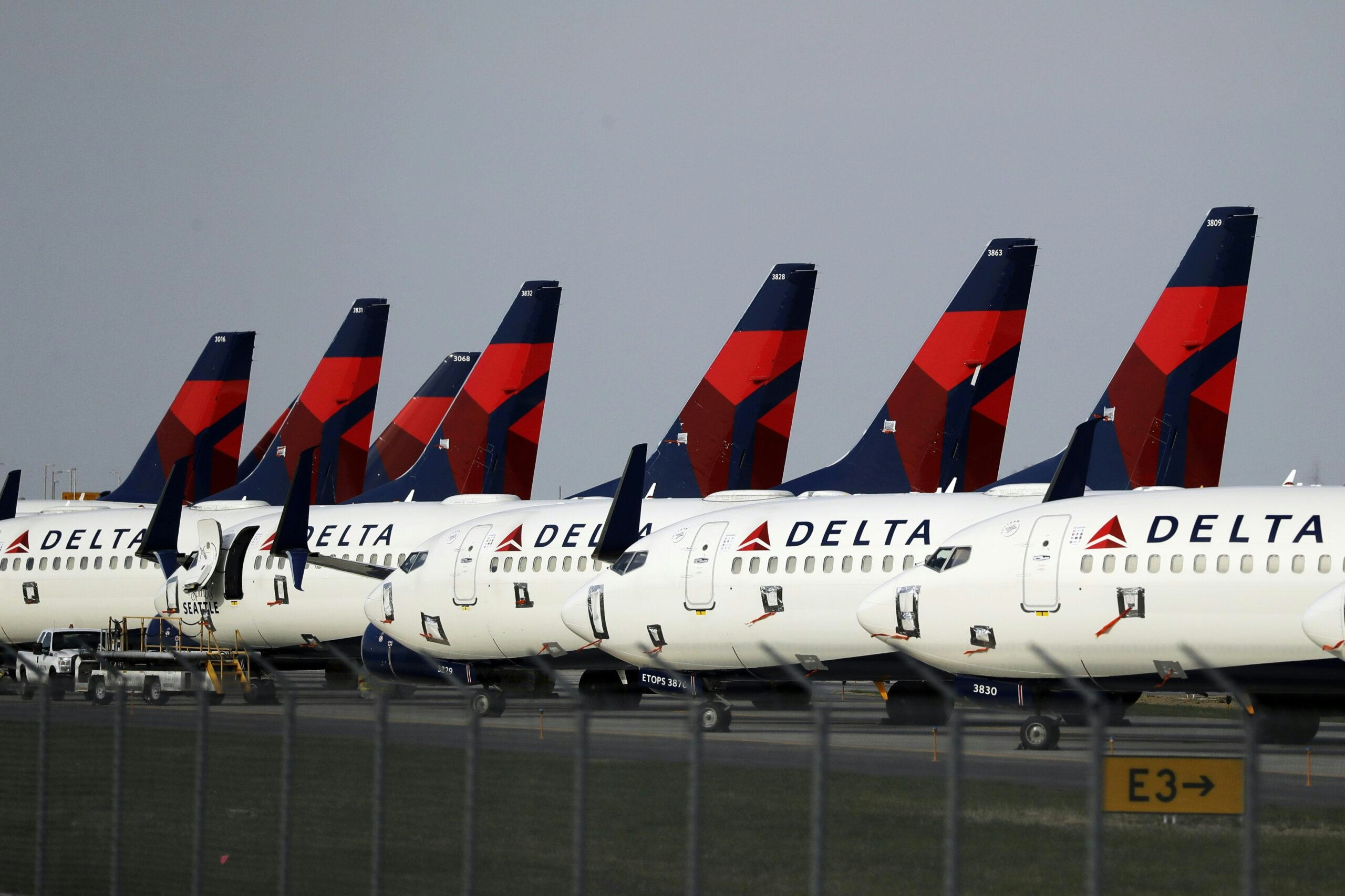
Delta Airlines Implements AI for Real-Time Ticket Pricing
Delta Airlines has become the first major U.S. carrier to integrate artificial intelligence (AI) technology into its ticket pricing system, marking a notable transformation in how airfare is adjusted in real time. This initiative aims to enhance the airline’s competitiveness and boost sales by enabling more dynamic and responsive fare setting.
Controversy and Consumer Concerns
Despite its intended benefits, Delta’s adoption of AI-driven pricing has provoked considerable backlash from customers and attracted scrutiny from lawmakers and consumer advocacy organizations. Critics have raised concerns about transparency and the potential for discriminatory pricing practices. There is particular apprehension that AI systems might leverage personal data—such as search histories or previous purchases—to tailor fares on an individual basis, potentially leading to unfair pricing disparities.
In response, Delta has firmly denied using AI to assign different prices to individual customers based on personal information. The airline asserts that its AI system relies solely on aggregated data to refine existing pricing models rather than targeting specific consumers. Delta has emphasized its “zero tolerance for discriminatory or predatory pricing,” seeking to reassure the public that the technology is designed to serve both customer interests and business objectives.
Calls for Transparency and Industry Implications
Initial communications from Delta regarding its AI pricing strategy were criticized for lacking sufficient detail, which intensified consumer fears about possible misuse of the technology. In light of these concerns, lawmakers and advocacy groups have demanded greater transparency, urging Delta to disclose how its AI system determines fares and the nature of the data involved.
Delta maintains that the use of AI will ultimately enhance the ticket-buying experience by making prices more responsive to market fluctuations. As the airline industry increasingly explores technological innovations to optimize revenue and better meet customer demand, Delta’s approach is being closely observed as a potential benchmark—or warning—for the future of airfare pricing.

Etihad Airways Suspends Airbus A380 Flights on Key Route

Aditya Birla Group Seeks Approval for Aircraft Leasing in GIFT City

Qatar Airways Highlights Innovation and Connectivity at Arabian Travel Market 2026

Hong Kong's Five-Year Plan Includes Andrew Fan's Aircraft Parts Processing Hub Proposal

ACIA Aero Leasing Delivers ATR72-600 to Air Nostrum

RTX Appoints Jill Albertelli as Head of Pratt & Whitney

TAT Technologies Joins Beyond Aero Hydrogen Aircraft Program

AURAK Study Highlights Barriers to Air Taxi Adoption in Emerging Economies

Xiamen Air Selects Altitude for 787 Maintenance at Heathrow

Etihad and Swissport Extend Global Partnership
