
Orchestrer les insights d’IA pour les transformer en actions

Tendances
Categories
Delta Reduces Fuel Costs on 270 Jets Through Airbus Descent Optimization
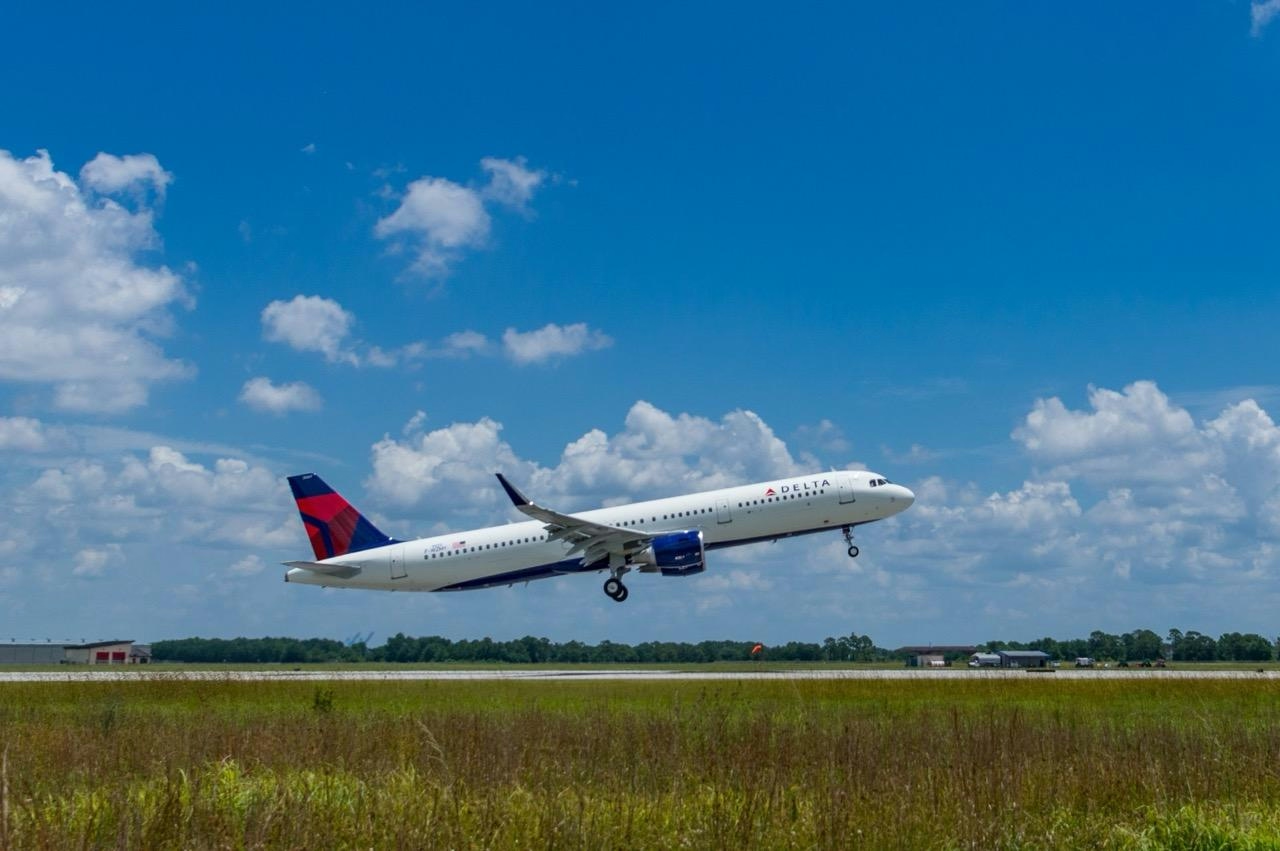
Delta Implements Airbus Descent Optimization to Curtail Fuel Costs on 270 Jets
Delta Air Lines has embarked on a major initiative to reduce fuel expenses by integrating Airbus’s Descent Profile Optimisation (DPO) system across 270 of its Airbus aircraft. This extensive retrofit encompasses narrowbody models such as the A319, A320, and A321, as well as widebody A330 jets, representing the largest deployment of DPO on a mixed Airbus fleet to date. The move comes amid a $2 billion surge in jet fuel costs, driven largely by escalating prices linked to ongoing geopolitical tensions in Iran.
Enhancing Efficiency Through Advanced Descent Management
The DPO system addresses one of the most fuel-intensive segments of flight—the descent and approach phases—by optimizing the aircraft’s vertical flight path. Traditional “step-down” descents involve multiple level-offs that increase fuel consumption. In contrast, DPO facilitates smoother, continuous descents by utilizing idle thrust whenever possible. This method extends the cruise phase and eliminates inefficient level-off stages, allowing aircraft to calculate optimal descent profiles in real time. Airbus asserts that this technology significantly reduces fuel consumption, lowers carbon emissions, and diminishes aircraft noise.
Dominik Wacht, Airbus Vice President of Customer Services North America, highlighted the collaborative nature of the project, stating, “By tailoring Descent Profile Optimisation to work across Delta’s entire Airbus fleet, we have delivered smarter performance that aligns with our customers’ fuel efficiency goals while supporting broader business objectives.”
Kristen DBojko, Delta’s Vice President of Fleet, underscored the airline’s dedication to operational efficiency and sustainability. She remarked, “Implementing DPO across most of our Airbus fleet is a significant upgrade—it allows us to operate more efficiently, reduce fuel consumption, and maintain a high standard of operations. This collaboration with Airbus reflects the kind of thoughtful, data-driven approach that supports both operational excellence and long-term performance.”
Broader Strategic Responses to Rising Fuel Prices
Fuel costs represent between 20% and 30% of airline operating expenses, making even modest efficiency gains highly impactful. Beyond technological enhancements, Delta is also adjusting its operational strategy in response to soaring fuel prices. The airline plans to reduce capacity, particularly on lower-revenue routes, and intends to increase charges to offset the rising costs. These measures are anticipated to lead to higher airfares for passengers as Delta seeks to mitigate the financial pressures of volatile fuel markets.
Industry analysts suggest that Delta’s approach may foreshadow a wider industry trend, with other carriers likely to adopt similar capacity reductions and fare adjustments to manage escalating fuel expenses. As airlines strive to enhance efficiency and sustain profitability, digital innovations like DPO, combined with operational recalibrations, are becoming central to strategic planning.
Delta’s adoption of Airbus’s DPO system marks a significant advancement in fuel efficiency and sustainability efforts. However, the airline’s broader response—including capacity cuts and fare increases—reflects the multifaceted challenges confronting the aviation sector amid an unpredictable global economic landscape.

Etihad Airways Suspends Airbus A380 Flights on Key Route

Aditya Birla Group Seeks Approval for Aircraft Leasing in GIFT City

Qatar Airways Highlights Innovation and Connectivity at Arabian Travel Market 2026

Hong Kong's Five-Year Plan Includes Andrew Fan's Aircraft Parts Processing Hub Proposal

ACIA Aero Leasing Delivers ATR72-600 to Air Nostrum

RTX Appoints Jill Albertelli as Head of Pratt & Whitney

TAT Technologies Joins Beyond Aero Hydrogen Aircraft Program

AURAK Study Highlights Barriers to Air Taxi Adoption in Emerging Economies

Xiamen Air Selects Altitude for 787 Maintenance at Heathrow

Etihad and Swissport Extend Global Partnership
