Image

AeroGenie — Votre copilote intelligent.

Posez n'importe quelle question. Analysez tout. Agissez instantanément.

Tendances

Categories

Diehl Space³ Lav to Enter Service This Year; Narrowbody Variant Planned
April 28, 2026By ePlane AI
Diehl Space³ Lav to Enter Service This Year; Narrowbody Variant Planned
0
0
Diehl Aviation
Space³ Lavatory
Aircraft Accessibility

Diehl Space³ Lavatory to Enter Service in 2024; Narrowbody Variant in Development

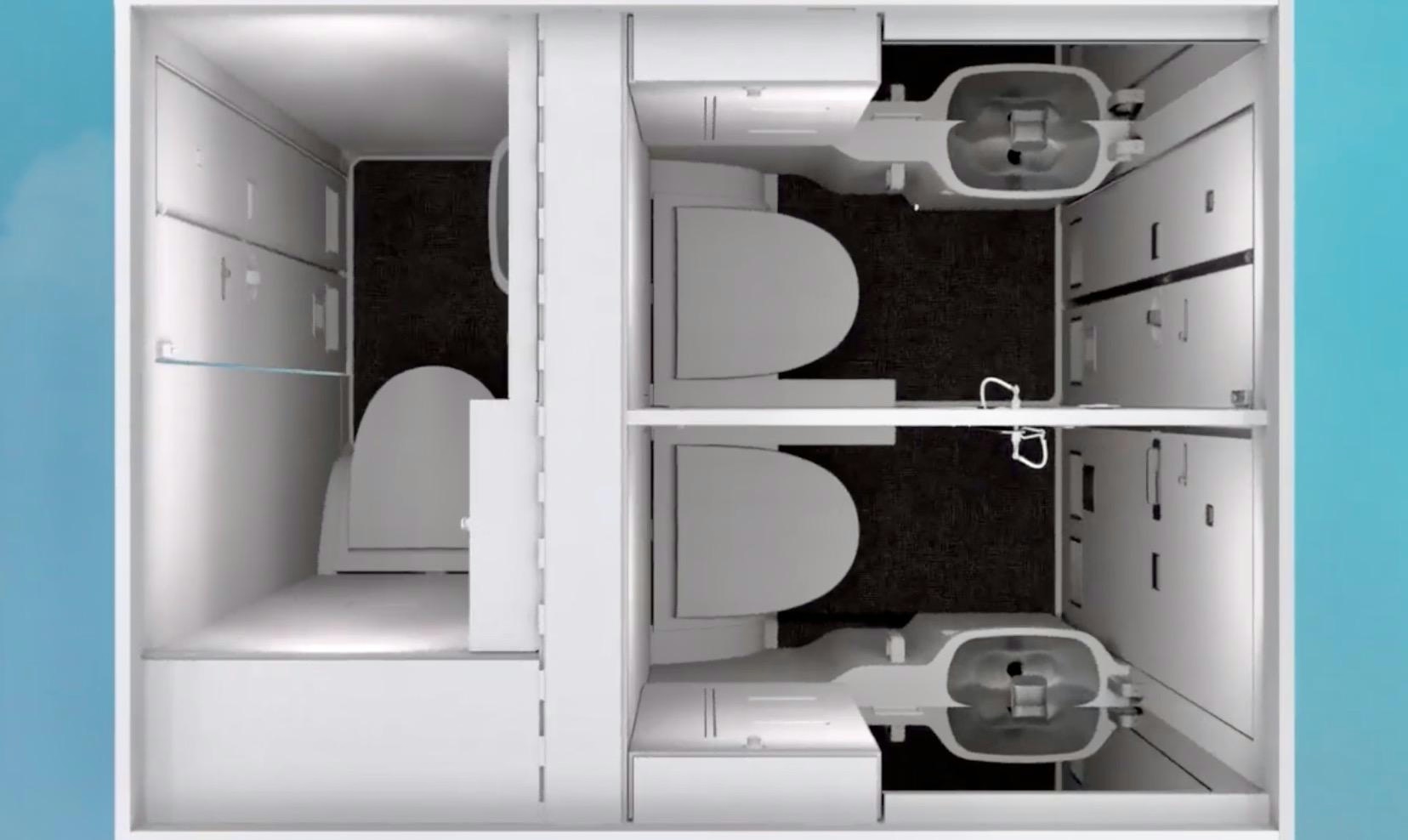
Diehl Aviation’s innovative Space³ aircraft lavatory is poised to enter commercial service with an undisclosed airline before the end of 2024, representing a significant advancement in accessibility for Persons with Reduced Mobility (PRM) and cabin efficiency on twin-aisle aircraft. The German aerospace supplier, renowned for its comprehensive aircraft systems, has also confirmed the development of a Space³ variant tailored for narrowbody jets, aiming to meet evolving regulatory requirements and market demands.

Enhancing Accessibility and Cabin Efficiency

The Space³ lavatory, which received the Crystal Cabin Award for Accessibility last year, is engineered to increase seating capacity by up to four seats on widebody aircraft without compromising accessibility. Its modular design enables the combination of two adjacent lavatories into a single, spacious facility through a central door, accommodating onboard wheelchairs and ensuring compliance with US Department of Transportation (DOT) regulations.

Over the past year, Diehl Aviation has introduced several key improvements to the Space³ system based on feedback from industry stakeholders and disabled travelers. Mathies Gereke, chief project lead for upgrade solutions, detailed these enhancements at the Aircraft Interiors Expo in Hamburg. Among the notable changes are bifold doors that open outward, significantly widening the entry and exit area. This mechanism has been simplified and made less conspicuous to enhance both usability and cabin aesthetics.

A critical modification involves reducing the ramp angle in front of the side-by-side lavatories from the industry standard of 35 degrees to just 13 degrees, facilitating easier assistance for PRMs by crew or companions. Additional refinements include a lower grab bar, strategically oriented to aid passengers with upper body strength in pushing themselves up more easily.

Deployment and Industry Implications

Diehl Aviation plans to deliver the first Space³ units to its launch customer by summer 2024, with installation scheduled as part of a comprehensive retrofit program. Although the airline’s identity remains confidential, the retrofit is under close scrutiny by local aviation authorities to ensure full compliance with US DOT accessibility standards. The airline intends to have the Space³ lavatory operational in time for its anniversary later this year.

The introduction of Space³ presents several challenges. Diehl must ensure the lavatory system adheres to stringent aviation safety and accessibility standards, integrates seamlessly with existing aircraft interiors, and meets tight production schedules to satisfy customer timelines. Airlines will likely evaluate the cost-effectiveness and operational benefits of Space³ relative to current lavatory solutions, while competitors may accelerate their own innovations in response to increasing demand for accessible and efficient cabin products.

Diehl’s focus on sustainability and the use of lightweight materials in the Space³ design may further influence market dynamics, encouraging other manufacturers to enhance their offerings. As regulatory requirements for accessible lavatories expand—particularly with new US DOT rules targeting narrowbody aircraft—Diehl’s proactive development of the Space³ system positions it as a potential benchmark in the evolving landscape of aircraft interiors.

More news
Electric Air Taxi Tested in New York City

Electric Air Taxi Tested in New York City

Electric Air Taxi Tested in New York City Advancing Urban Air Mobility Recent test flights of an electric air taxi were conducted across multiple heliports in New York City, including John F. Kennedy International Airport. These trials represent a pivotal advancement in integrating electric vertical takeoff and landing (eVTOL) aircraft into the urban transportation network. The operations were carried out within controlled airspace under the supervision of aviation regulators and involved collaboration with the Port Authority of New York and New Jersey as part of a pilot program. The primary objective of these demonstrations is to assess the feasibility of incorporating eVTOL aircraft into existing transit systems, with a particular emphasis on passenger routes connecting Manhattan to major airports. Authorities are simultaneously exploring the modernization of city heliports to support the unique requirements of electric aircraft, including charging infrastructure and maintenance facilities. Challenges and Market Response While eVTOL technology promises to revolutionize urban travel by significantly reducing commute times, several challenges remain. Regulatory approval and safety certification are ongoing concerns, as the project is still navigating the complex certification process. Noise pollution is also under careful evaluation; preliminary findings indicate that electric air taxis may generate less noise compared to conventional helicopters, potentially easing community concerns. Market response to the initiative has been largely optimistic. Both urban commuters and government agencies have shown considerable interest in the potential of eVTOL services to transform city mobility. The federal demonstration flights form part of a broader national effort to advance urban air mobility and integrate eVTOL technologies across the United States. Industry Competition and Global Developments The sector is witnessing intensifying competition, exemplified by legal disputes between leading companies. Joby Aviation, a prominent player in the field, is currently engaged in litigation with rival Archer Aviation, which has accused Joby of misrepresenting foreign affiliations and misappropriating trade secrets. These legal conflicts highlight the high stakes and rapid pace of innovation characterizing the emerging market for electric air taxis. As certification efforts continue, the timeline for the commercial launch of electric air taxi services in New York City remains uncertain. Nevertheless, ongoing flight tests and infrastructure planning underscore a growing commitment to realizing urban air mobility. In a related global development, Kazakhstan has announced plans to initiate a pilot project for autonomous taxis in Astana and Almaty, reflecting the expanding international momentum behind next-generation urban transportation solutions.
Airbus Profits Halve Amid Slower Deliveries in Q1 2026

Airbus Profits Halve Amid Slower Deliveries in Q1 2026

Airbus Profits Halve Amid Slower Deliveries in Q1 2026 Airbus has reported a significant decline in its first-quarter profits for 2026, as ongoing engine shortages and slower aircraft deliveries adversely affected its financial results. The company’s adjusted operating profit dropped by 52%, falling to €300 million from €624 million in the same period last year. Revenue decreased by 7% to €12.65 billion, although this figure exceeded analyst expectations of €12.39 billion. Earnings per share stood at €0.74, also surpassing forecasts. Delivery Challenges and Engine Supply Constraints The primary challenge facing Airbus remains the slowdown in aircraft deliveries. The company delivered only 114 commercial jets in the first quarter, marking a 16% decline from 136 deliveries in the corresponding period of 2025. This shortfall was further highlighted by the performance of rival Boeing, which delivered 143 aircraft during the quarter. Boeing’s recovery from previous production difficulties has been notable, with February marking its highest monthly deliveries in nine years. While Airbus maintained solid deliveries in March, it was insufficient to close the gap with its competitor. The delivery delays are largely attributed to persistent engine supply issues. Pratt & Whitney, a critical supplier for Airbus’s A320neo family, has struggled to meet delivery schedules, limiting Airbus’s capacity to increase production. The situation has deteriorated to the extent that Airbus is reportedly considering seeking damages from the U.S.-based engine manufacturer. Despite these obstacles, Airbus has reaffirmed its full-year target of delivering 870 commercial aircraft in 2026. The company also reiterated its goal to achieve a production rate of 70 to 75 A320-family jets per month by the end of 2027, a target that was previously revised downward earlier this year. Meeting the annual delivery target will require a substantial acceleration in production in the coming quarters. Segment Performance and Market Outlook Sales in Airbus’s commercial aircraft segment declined by 11% year-on-year. The helicopter division remained stable, while the defence and space unit provided a positive contribution, growing by 7% and posting an adjusted core profit of €130 million, surpassing analyst expectations. Airbus described the operating environment as “dynamic and complex,” with particular attention to potential risks arising from geopolitical tensions in the Middle East. The company’s adjusted free cash flow for the quarter was negative €2.49 billion, reflecting the operational pressures it continues to face. Investor confidence in Airbus has cooled since the beginning of the year, partly due to Boeing’s improving performance. Boeing reported a narrower-than-expected loss in the first quarter, signaling stabilization in its commercial aircraft business. Looking forward, analysts emphasize that Airbus’s ability to resolve supply chain disruptions and increase delivery rates will be critical to its earnings and market valuation. With full-year guidance unchanged, the company faces mounting pressure to overcome supply constraints and meet its ambitious targets amid intense competition.
Veryon Unveils Data-Driven Maintenance Suite at NBAA Conference

Veryon Unveils Data-Driven Maintenance Suite at NBAA Conference

Veryon Unveils Unified AI-Powered Maintenance Suite at NBAA Conference SAN FRANCISCO, April 28, 2026 — Veryon, a prominent provider of aviation software and information services, has announced the launch of its unified aviation maintenance suite at the forthcoming NBAA Maintenance Conference, set to take place from May 5 to 7 in New Orleans, Louisiana. Addressing Fragmentation in Aviation Maintenance Business aviation operators are increasingly challenged by rising operational costs, aging fleets, labor shortages, and growing complexity in maintenance processes. Despite these pressures, many continue to rely on fragmented systems for maintenance tracking, technical documentation, troubleshooting, and regulatory compliance. This disjointed approach often results in slower decision-making, inconsistent execution, compliance risks, and avoidable aircraft downtime. Veryon’s new maintenance suite seeks to overcome these obstacles by integrating critical maintenance data, technical content, troubleshooting tools, reliability analytics, and maintenance, repair, and overhaul (MRO) execution into a single, cohesive platform. The suite encompasses the entire maintenance lifecycle, including fleet maintenance and operations, performance and reliability monitoring, guided troubleshooting, access to technical publications, compliance management, and MRO oversight. By consolidating these workflows, the platform offers operators, MRO providers, and maintenance teams a comprehensive and real-time view of aircraft status, outstanding tasks, defects, documentation, parts inventory, approvals, and required actions. This shared data environment and streamlined process flow are designed to minimize manual reconciliation, reduce the need to switch between disparate systems, and enable faster, more informed decision-making. The Role of Veryon AIRE: AI-Driven Intelligence Central to the suite is Veryon AIRE, an artificial intelligence-powered data intelligence engine developed from insights derived from over 100 million real-world maintenance events. Utilizing advanced analytics and machine learning, Veryon AIRE assists maintenance teams in detecting recurring issues at an earlier stage, identifying the most probable solutions, and facilitating prompt action. This proactive approach aims to prevent minor problems from escalating into costly operational disruptions. Bethany Little, Chief Executive Officer of Veryon, emphasized the platform’s value, stating, “Maintenance teams don’t struggle with a lack of data. They struggle with turning that data into timely, actionable insight. Our unified aviation maintenance suite connects the maintenance lifecycle, and Veryon AIRE helps teams turn that connectivity into faster decisions, earlier issue detection, and more confident action.” Challenges and Industry Implications Despite its potential, the deployment of Veryon’s data-driven suite faces several challenges. Integrating the platform with existing legacy systems, ensuring data accuracy and reliability, and managing the transition for users accustomed to traditional maintenance practices may present significant obstacles. Industry analysts anticipate that established maintenance providers might respond with skepticism, while competitors could accelerate their own digital transformation initiatives or introduce rival solutions to protect market share. The growing adoption of digital, data-driven solutions in other sectors, such as agriculture technology-as-a-service, highlights a broader trend toward integrated platforms powered by artificial intelligence. Veryon’s entry into this space may therefore catalyze a shift in competitive dynamics within aviation maintenance, encouraging wider industry adoption of unified, AI-enabled maintenance systems. Veryon’s comprehensive approach is designed to support maintenance teams throughout the entire process—from issue identification to task completion and documentation—providing a shared source of truth that enhances troubleshooting, compliance, and operational execution across the aviation sector.
Steven Udvar-Hazy to Receive 2026 Tony Jannus Award

Steven Udvar-Hazy to Receive 2026 Tony Jannus Award

Steven Udvar-Hazy to Receive 2026 Tony Jannus Award Steven Udvar-Hazy, a seminal figure in the evolution of commercial aviation, has been announced as the recipient of the 2026 Tony Jannus Award. This accolade arrives at a pivotal moment for the business aviation sector, which is currently navigating significant challenges, including the recent cancellation of the EBACE Show due to insufficient support for its revamped format. As the industry undergoes transformation, Udvar-Hazy’s enduring legacy and influence are once again under close examination. Pioneering Aircraft Leasing and Industry Influence Udvar-Hazy’s impact on commercial aviation is profound and multifaceted. In 1973, he co-founded the International Lease Finance Corporation (ILFC), revolutionizing the industry by introducing large-scale aircraft leasing. Prior to this innovation, airlines were compelled to purchase aircraft outright, a practice that required substantial capital investment. Udvar-Hazy’s leasing model allowed airlines to expand their fleets without the burden of massive upfront costs, fundamentally altering airline economics. Today, more than half of all commercial aircraft worldwide are leased rather than owned, a testament to the enduring influence of his business model. At its peak, ILFC owned a fleet larger than many major airlines, making Udvar-Hazy’s companies a quiet yet powerful force behind global air travel. Passengers around the world frequently flew on aircraft leased through his enterprises, underscoring his pivotal role in enabling airline capacity on a global scale. Furthermore, Udvar-Hazy’s companies became some of the largest customers for both Boeing and Airbus, reportedly placing orders for over 700 Boeing jets and approximately 600 Airbus jets. This substantial purchasing power afforded him considerable influence over aircraft design, performance specifications, and pricing, shaping the very aircraft that define modern commercial aviation. Continued Leadership and Philanthropic Legacy Following his departure from ILFC in 2010, Udvar-Hazy demonstrated remarkable resilience and vision by founding Air Lease Corporation. The new venture quickly secured multibillion-dollar aircraft orders, including a landmark 51-plane deal with Airbus, establishing itself as a global leader in aircraft leasing. This phase of his career highlights Udvar-Hazy’s adaptability and sustained commitment to innovation within the aviation sector. Beyond his business achievements, Udvar-Hazy has made significant philanthropic contributions to aviation heritage. His $60 million donation to the Smithsonian Institution facilitated the creation of the Steven F. Udvar-Hazy Center near Washington Dulles International Airport. The museum is home to iconic aircraft such as the Space Shuttle Discovery, the Concorde, and the prototype Boeing 367-80, preserving critical chapters of aviation history for future generations. As Udvar-Hazy prepares to receive the Tony Jannus Award, the recognition coincides with a period of considerable change within the aviation industry. The cancellation of the EBACE Show and other sector shifts have intensified scrutiny of business strategies, including those pioneered by Udvar-Hazy. Competitors are likely to leverage this moment to highlight their own innovations, seeking to consolidate their positions in an increasingly competitive market. Nevertheless, Steven Udvar-Hazy’s profound influence on commercial aviation remains indisputable, marking him as a central figure in the industry’s ongoing evolution.
Saudia Airlines Wins 12 Awards at 2026 World Travel Catering and Onboard Services Expo

Saudia Airlines Wins 12 Awards at 2026 World Travel Catering and Onboard Services Expo

Saudia Airlines Triumphs with 12 Awards at 2026 World Travel Catering and Onboard Services Expo Saudia Airlines, the national carrier of Saudi Arabia, has marked a significant achievement at the 2026 World Travel Catering & Onboard Services Expo (WTCE) by securing 12 distinguished awards across multiple categories. This accomplishment underscores the airline’s dedication to enhancing passenger experience through innovation, comfort, and superior service. Industry Recognition Across Multiple Prestigious Awards At the WTCE 2026, Saudia was recognized in three prominent award programs: the TravelPlus Airline Amenity Awards, the Onboard Hospitality Awards, and the PAX International Readership Awards. The airline’s accolades include several gold medals and “Highly Commended” distinctions, reflecting its leadership in onboard amenities, inflight dining, and entertainment. In the Onboard Hospitality Awards, Saudia demonstrated its commitment to both luxury and accessibility. The airline received the awards for “Best First Class Food Service (Lunch & Dinner)” and “Best Amenities: Economy,” highlighting its ability to cater effectively to diverse passenger needs. Additionally, a “Highly Commended” award for “Best Wearable Textiles” emphasized Saudia’s focus on comfort and innovative design. Saudia’s success extended to the TravelPlus Airline Amenity Awards, where it garnered six honors, including five gold awards. These were awarded in categories such as Economy Class Amenity Kit, Economy Class Blanket/Comfort Item, Business Class Meal Serviceware, First Class Sleeper/Lounge Suit, and Business Class Amenity Kit (Middle East). The airline also received a “Highly Commended” distinction for its First Class Ladies Kit. Furthermore, Saudia was bestowed with the TravelPlus Passenger Amenities Five Star Rating 2026, a prestigious recognition granted to a select group of airlines worldwide. At the PAX International Readership Awards, Saudia’s innovation in inflight entertainment and connectivity was acknowledged with the “Best IFE and Connectivity – Middle East” award. This accolade, determined by feedback from aviation professionals and readers, highlights the airline’s commitment to providing passengers with advanced entertainment options and high-speed connectivity. Navigating a Competitive and Challenging Industry Landscape Saudia’s achievements arrive amid intense competition within the global airline industry. Leading carriers such as Qatar Airways, currently ranked as the world’s best airline by AirlineRatings.com, are expected to respond by enhancing their economy class and overall service offerings. Similarly, Singapore Airlines, known for its premium cabins, and Lufthansa, with its acclaimed Allegris business class seat, are likely to intensify efforts to maintain their competitive edge. The airline sector continues to face challenges stemming from geopolitical tensions and rising fuel costs. These factors influence how airlines prioritize service improvements and how the market reacts to individual airline accolades. Establishing New Benchmarks in Airline Service By securing 12 awards at the 2026 WTCE, Saudia Airlines has reinforced its status as a global leader in passenger experience and onboard innovation. As competitors seek to respond and industry conditions evolve, Saudia’s accomplishments set a new standard for excellence in airline service.
Why Aircraft Interiors Are Aviation’s Most Strategic Space

Why Aircraft Interiors Are Aviation’s Most Strategic Space

Why Aircraft Interiors Are Aviation’s Most Strategic Space The design of aircraft interiors has undergone a significant evolution, transcending the traditional role of merely accommodating passengers within certified confines. Today, the cabin represents one of the most strategic domains in aviation, where engineering excellence, brand identity, human psychology, and operational economics intersect. Rather than being a secondary consideration shaped by aircraft architecture, cabin design has emerged as a proactive driver of value. It is no longer simply decorative; it embodies performance, responsibility, and a critical differentiator in a competitive industry. The Passenger Experience Ratio and Design Innovation This paradigm shift is encapsulated in the concept of the ‘Passenger Experience Ratio,’ which measures the ability to transform aviation’s stringent constraints into spatial clarity, emotional reassurance, and sustainable business impact. Challenges such as weight limitations, certification requirements, durability, and sustainability are not obstacles to creativity but rather frameworks that inspire meaningful innovation. Modern travelers evaluate their flight experience not only against previous journeys but also in comparison with premium automotive interiors, digital ecosystems, and hospitality environments. They demand continuity, a sense of belonging, and above all, clarity. Within the cabin, this translates into intuitive spaces that are easy to navigate, environments that communicate safety and comfort, and a design that fosters a sense of control. Passengers seek privacy without isolation and openness without vulnerability, desiring an environment tailored to their needs rather than imposed upon them. Integrating Structure, Experience, and Mobility This evolution is reshaping design authority in the industry. An inside-out approach—where structural performance, exterior architecture, and interior experience are conceived as a cohesive system—is becoming indispensable. In advanced aircraft programs and emerging aerial mobility platforms, transportation itself is no longer the sole objective. The challenge lies in creating environments that are trustworthy, seamless, and emotionally aligned with the broader mobility journey, which begins well before boarding. Airports are also transforming into experience hubs, with lounges and mobility interfaces redesigned to minimize friction and frustration. The aircraft cabin must now serve as a natural extension of this ground experience, rather than a disconnected segment. Lightweight Innovation and Emerging Mobility Platforms Lightweight innovation plays a pivotal role in this transformation. Once regarded as a technical constraint, lightweighting now presents spatial and experiential opportunities. The use of advanced composites, additive manufacturing, and hybrid materials enables designers to rethink seating, monuments, and layouts, thereby enhancing ergonomics, visual clarity, and operational flexibility. Reducing mass not only advances sustainability goals but also unlocks new freedoms in design. Simultaneously, new air mobility platforms—such as electric vertical take-off and landing aircraft (eVTOLs) and hybrid propulsion systems—are challenging conventional cabin design. These innovations are redefining spatial typologies, passenger interaction, and expectations of personal space, accelerating the need for airlines and manufacturers to anticipate trends in materials, configurations, and experiential design. Accessibility and Market Dynamics Accessibility has become a central focus in cabin innovation. Industry leaders like Diehl Aviation and Boeing are refining lavatory concepts and enhancing cabin accessibility to better accommodate passengers with visual and hearing impairments. This emphasis on inclusivity is driving market demand for innovative interior solutions and prompting competitors to elevate their offerings. Strategic moves such as Setna iO’s acquisition of J&C Aero and the emergence of companies like Expliseat, which specializes in lightweight seating, illustrate a rapidly evolving competitive landscape. Ultimately, innovation in aircraft interiors requires a rigorous, multidisciplinary process that spans from initial sketches and digital modeling to immersive visualization and rapid prototyping. As cabins increasingly become the nexus of performance, passenger experience, and inclusivity, they are shaping the future trajectory of aviation itself.
Indian Air Force Advances Domestic Production of Aero Engines and Fighter Jets

Indian Air Force Advances Domestic Production of Aero Engines and Fighter Jets

Indian Air Force Advances Domestic Production of Aero Engines and Fighter Jets Addressing Capability Gaps Amidst Emerging Threats India’s military leadership maintains a posture of readiness to confront evolving security challenges. However, a detailed assessment reveals persistent capability shortfalls within the Indian Air Force (IAF), particularly in the domains of indigenous aero engine and fighter aircraft production. This article, the concluding segment of a four-part series, examines the IAF’s ongoing efforts to develop and manufacture homegrown aero engines and combat jets—an essential initiative aimed at rectifying long-standing deficiencies. Since the maiden flight of the Tejas light combat aircraft (LCA) in 2001, the IAF has procured only 40 units. With the imminent retirement of aging Russian-origin MiG-21 fighters, India’s defense establishment in Bengaluru is intensifying efforts to design and produce new indigenous fighter variants. This acceleration is critical as the IAF confronts a significant operational shortfall. Defense analysts estimate that the force requires approximately 42 combat squadrons—equivalent to around 900 fighters, bombers, electronic warfare, and command and control aircraft—to maintain strategic effectiveness. Currently, the IAF operates with a deficit of 10 to 12 squadrons, translating into a shortfall of 220 to 250 aircraft. Historical Losses and Operational Challenges A major factor contributing to this gap is the IAF’s historically high accident rate. Between 1952 and 2021, the force lost 2,374 aircraft due to crashes, including 1,126 fighters and 1,248 non-combat aircraft, alongside 229 trainers and 196 helicopters. These accidents resulted in the deaths of 1,305 highly trained pilots, each representing a substantial investment in human capital and resources. The cumulative loss of combat aircraft alone exceeds the equivalent of 50 squadrons, significantly undermining the IAF’s operational readiness. India’s military engagements have further strained the air fleet. Conflicts with Pakistan in 1947-48, 1965, 1971, and the Kargil conflict in 1999 inflicted notable losses on the IAF. The 1965 war was particularly revealing, with 59 aircraft destroyed on the ground during pre-emptive strikes by the Pakistan Air Force. These losses exposed critical vulnerabilities in intelligence and preparedness. At that time, the IAF operated largely outdated aircraft, while its adversaries deployed more advanced U.S.-supplied fighters, underscoring the technological gap. Challenges in Achieving Self-Reliance India’s ambition to achieve self-reliance in defense technology faces formidable obstacles. The domestic production of advanced aero engines and fighter jets remains heavily dependent on foreign technology and expertise, which has frequently resulted in delays in development and manufacturing. This reliance raises significant questions about the feasibility of attaining true self-sufficiency in sophisticated military aviation capabilities. Market responses to India’s indigenous production goals have been mixed, with skepticism persisting regarding the country’s ability to close the technological divide. Concurrently, foreign defense manufacturers are intensifying efforts to secure contracts, attracted by India’s substantial defense budget and ongoing modernization initiatives. This competitive environment is further complicated by geopolitical considerations, as India’s push for domestic production risks straining international defense partnerships and disrupting established supply chains. Despite these challenges, the IAF’s commitment to advancing indigenous capabilities represents a pivotal shift in India’s defense strategy. The success of this endeavor will hinge on overcoming technological barriers, managing complex international relationships, and ensuring that the next generation of Indian-made fighters and aero engines can meet the rigorous demands of contemporary aerial warfare.
GE Aerospace and Delta Air Lines Collaborate to Improve CF6 Engine Maintenance

GE Aerospace and Delta Air Lines Collaborate to Improve CF6 Engine Maintenance

GE Aerospace and Delta Air Lines Collaborate to Enhance CF6 Engine Maintenance In May 2025, GE Aerospace initiated a strategic collaboration with Delta Air Lines at the airline’s Atlanta headquarters, engaging closely with Delta TechOps, the airline’s maintenance, repair, and overhaul (MRO) division. The partnership focuses on integrating GE Aerospace’s proprietary lean operating model, FLIGHT DECK, with Delta TechOps’ existing maintenance protocols for the CF6 engine line. Given that approximately 25% of Delta’s widebody fleet operates with CF6 engines, both organizations recognized a significant opportunity to improve operational performance by streamlining workflows, reducing cycle times, and standardizing maintenance procedures. Targeted Improvements Through Kaizen Events The collaboration set an ambitious goal to reduce Delta’s engine turnaround time (TAT) by 34% over an 18-month period through a series of eight kaizen events—intensive, multi-day workshops dedicated to continuous improvement. The inaugural event, held in September 2025 in Atlanta, concentrated on optimizing the CF6 rotor disassembly and assembly processes. A cross-functional team comprising four GE Aerospace representatives and twelve Delta TechOps personnel conducted detailed analyses of the procedures involved in dismantling, overhauling, and reassembling CF6 engine components. This initial kaizen event produced tangible results. According to Brette Smith, executive FLIGHT DECK leader at GE Aerospace, the teams identified opportunities to develop and implement standardized work processes. Time studies conducted at the genba—the actual site of work—revealed bottlenecks and inefficiencies, with cycle times exceeding the takt time necessary to meet customer demand. Direct engagement with technicians further uncovered challenges related to tooling complexity and storage logistics. A notable aspect of the event was the comparison of two rotor reassembly methods: the traditional horizontal approach favored by experienced technicians and a vertical method preferred for its ergonomic advantages. Time measurements and ergonomic assessments demonstrated that the vertical assembly method enhanced safety, quality, delivery, and cost (SQDC) metrics. Smith emphasized the significance of these findings, stating, “Everyone discovered that vertical is actually best in terms of SQDC,” underscoring the value of continuous improvement and employee-driven innovation. Industry Context and Strategic Significance This collaboration unfolds amid a challenging environment for the aviation industry. Rising fuel prices and regional shortages, intensified by the ongoing conflict with Iran, are exerting pressure on airline operations and aftermarket services. Concurrently, delivery delays from major manufacturers Boeing and Airbus have compelled airlines to extend the service lives of existing fleets, thereby increasing demand for engine maintenance and overhaul services. In response, GE Aerospace has introduced durability kits as aftermarket upgrades for its Leap engine models, addressing concerns over engine longevity. Meanwhile, competitors continue to face durability challenges with their latest-generation turbofan engines. Despite geopolitical tensions in the Middle East, industry stakeholders such as Safran maintain cautious optimism, noting that a significant slowdown in commercial aviation has yet to occur. As GE Aerospace and Delta TechOps proceed with their planned kaizen events, their partnership aims not only to enhance CF6 engine maintenance efficiency but also to equip both companies to navigate evolving market dynamics and operational challenges.
Electric Air Taxis Begin Demonstration Flights to New York Airports

Electric Air Taxis Begin Demonstration Flights to New York Airports

Electric Air Taxis Begin Demonstration Flights Connecting Manhattan and JFK New York City has reached a significant milestone in urban transportation with the inaugural point-to-point demonstration flights of electric vertical takeoff and landing (eVTOL) air taxis. These flights, operating between Manhattan heliports and John F. Kennedy International Airport, aim to reduce travel time to under ten minutes—a dramatic improvement compared to the current one- to two-hour journey by car. Progress and Potential of eVTOL Technology Led by companies such as Joby Aviation, the demonstration flights underscore the rapid advancements within the eVTOL sector. Recent test operations in New York City highlight the potential for electric air taxis to transform airport commutes, offering urban travelers a faster and more efficient alternative to traditional ground transportation. The initiative reflects growing confidence in the technology’s ability to address congestion and improve mobility in densely populated areas. Challenges to Commercial Deployment Despite the promising demonstrations, the transition to full-scale commercial service faces considerable challenges. Regulatory approval from aviation authorities remains a critical hurdle, requiring comprehensive safety evaluations and compliance with stringent standards. Additionally, the high operational costs associated with eVTOL services present economic obstacles that must be managed to ensure viability. These factors will significantly influence the timeline for integrating electric air taxis into everyday urban transit. Market Response and Industry Dynamics Reactions from the public and industry stakeholders have been mixed. While many urban commuters welcome the prospect of drastically reduced travel times, skepticism persists regarding the safety, reliability, and overall practicality of electric air taxis. Competitors within the industry are closely observing these developments, with some accelerating their own eVTOL initiatives or forming strategic partnerships to remain competitive in this emerging market. The successful demonstration flights in New York represent a pivotal advancement for the eVTOL industry. Although widespread adoption depends on overcoming regulatory, safety, and financial challenges, the promise of significantly shortened travel times continues to generate enthusiasm among city residents and business travelers alike.
APOC Expands A321neo Landing Gear Offerings

APOC Expands A321neo Landing Gear Offerings

APOC Expands A321neo Landing Gear Offerings Amid Intensifying Market Competition APOC Aviation (APOC) has reinforced its presence in the European landing gear market through the acquisition of a ‘zero cycles since new’ SAFRAN landing gear set designed for the Airbus A321 Enhanced Variant (EV), compatible with the rapidly expanding A321neo fleet. This strategic addition aligns with APOC’s commitment to supporting operators confronting imminent overhauls, aircraft-on-ground (AOG) situations, and other operational demands, while simultaneously future-proofing its inventory to address evolving industry requirements. Strategic Inventory Management and Market Positioning APOC continues to refresh its inventory by acquiring new and relatively young landing gear assets as units are leased or exchanged, thereby maintaining a robust stock of narrow-body landing gear to serve the aging global fleet. The company’s strategy carefully balances the needs of both current engine option (CEO) and new engine option (NEO) aircraft. Although CEO fleets are expected to be gradually phased out, this transition is anticipated to be protracted, with many older aircraft remaining in service, particularly among low-cost carriers and in emerging markets. Meanwhile, demand for NEO fleets is increasing due to their superior fuel efficiency and long-term operational advantages. By sustaining a diverse mix of CEO and NEO assets, APOC enhances its flexibility in exchanges and ensures faster turnaround times for operators requiring immediate replacements. Strengthened collaborations with original equipment manufacturers (OEMs) and maintenance, repair, and overhaul (MRO) providers further augment APOC’s support capabilities across both narrowbody and widebody platforms, spanning multiple aircraft generations. This diversified approach not only improves APOC’s negotiating leverage for repair and overhaul services but also generates cost efficiencies that benefit customers, solidifying its role as a comprehensive partner to airlines and maintenance organizations. Competitive and Geopolitical Challenges APOC’s expansion occurs amid intensifying competition within the global MRO sector. Competitors such as Liebherr-Aerospace are enhancing their component support offerings, particularly for the Airbus A350, while Boeing is positioned to capitalize on its growing exchange program for 787-9 landing gear. These developments are driving strategic realignments across the industry, with rivals reassessing spare parts placement and MRO provider networks in accordance with the geographic distribution of operating fleets. Compounding these market dynamics are geopolitical tensions, notably between the United States and China, which pose risks to delivery schedules and supply chain reliability for APOC and its competitors. In this evolving landscape, APOC’s capacity to adapt its asset portfolio and maintain robust industry partnerships will be essential to sustaining its leadership in the landing gear market. With its latest acquisition and ongoing strategic initiatives, APOC aims to provide enhanced flexibility and comprehensive support to a broad customer base, positioning itself to navigate the opportunities and challenges presented by a rapidly changing aviation aftermarket.
line










