
Orchestrer les insights d’IA pour les transformer en actions

Tendances
Categories
Embraer Supports Thai Aviation Industry in Maintenance for Royal Thai Armed Forces
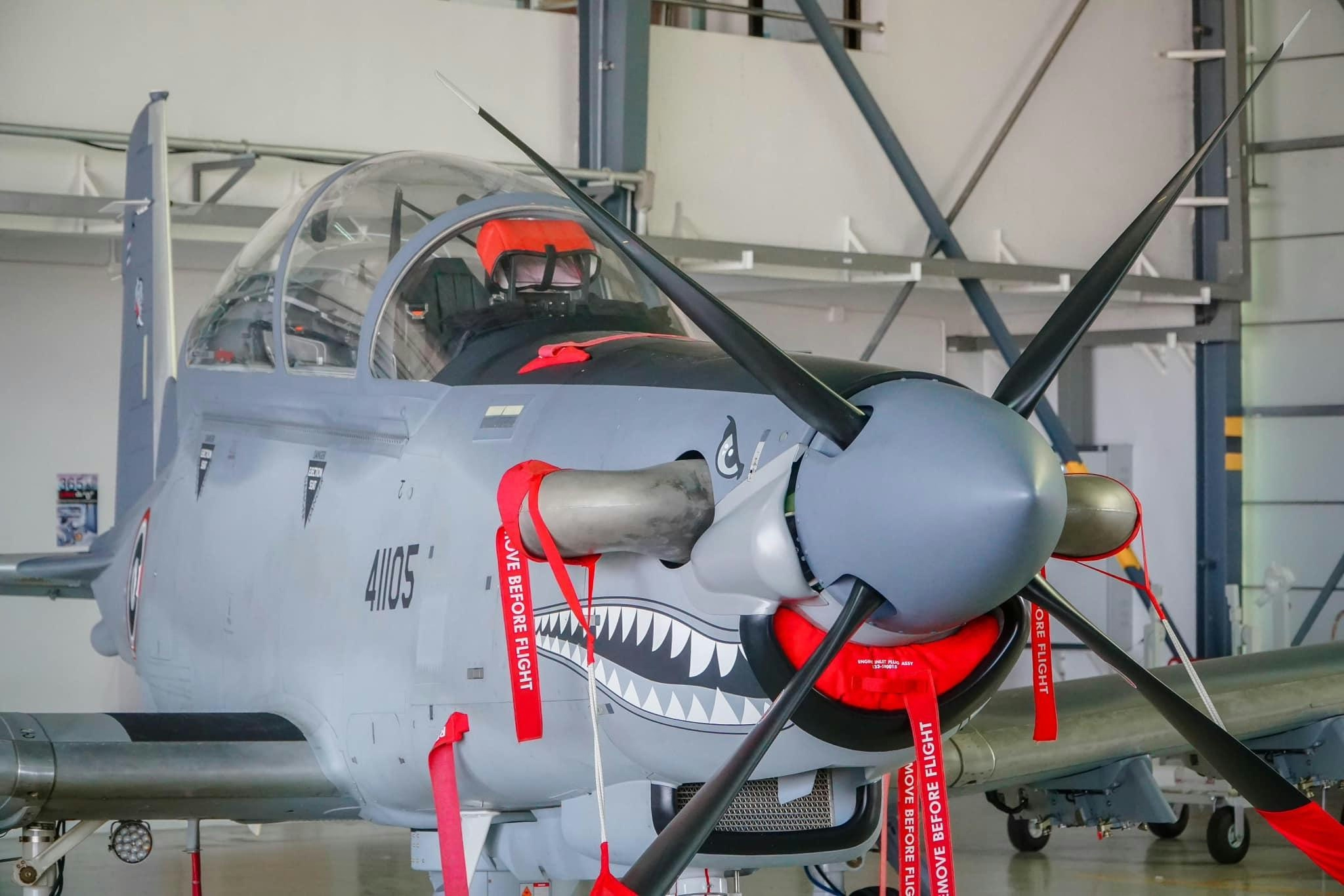
Embraer Strengthens Partnership with Thai Aviation Industries to Enhance Maintenance for Royal Thai Armed Forces
Embraer (NYSE: EMBJ / B3: EMBJ3) is intensifying its collaboration with Thai Aviation Industries (TAI) through advanced discussions aimed at designating TAI as a future authorized local service center. This initiative, targeted for implementation by the end of 2026, seeks to bolster in-country maintenance capabilities for the Royal Thai Armed Forces’ (RTARF) ERJ135 fleet. The development marks a significant progression in the existing Memorandum of Understanding between Embraer and TAI, reflecting a mutual commitment to cultivating a resilient aerospace and defense ecosystem within Thailand through local industrial engagement and strategic partnerships.
Expanding Aerospace Capabilities in Thailand
Air Chief Marshal Piboon Vorravanpreecha, Managing Director of TAI, emphasized the value of the ERJ135 aircraft to the Thai government and expressed confidence in Embraer’s expanding portfolio. He highlighted the partnership as a testament to Thailand’s growing expertise in aerospace support services and affirmed TAI’s role as a trusted regional partner. The collaboration is expected to open avenues for broader opportunities as the relationship between the two entities deepens.
Despite the promising outlook, Embraer faces notable challenges in supporting the Thai aviation sector. Navigating complex regulatory frameworks and securing a consistent supply of skilled technicians will be essential to the success of the maintenance expansion. These factors may affect both the pace and effectiveness of the initiative, underscoring the complexities inherent in developing local aerospace capabilities.
Strategic Implications and Regional Competition
The timing of this partnership coincides with increased scrutiny from defense analysts and investors, as Embraer shifts its strategic focus toward defense and emerging sectors such as electric vertical takeoff and landing (eVTOL) aircraft. Market observers are closely monitoring Embraer’s capacity to fulfill its commitments in Asia, which could influence investor sentiment. Concurrently, major competitors including Boeing and Airbus are likely to respond by enhancing their maintenance services in the region to secure market share.
Embraer’s recent successes in Asia, notably with its E2 commercial aircraft sales and the expanding deployment of the C-390 military transport, further shape the competitive environment. The collaboration with TAI is anticipated to strengthen Embraer’s position in the region, supporting its ambitions across both defense and commercial aviation sectors.
As Embraer and TAI advance their partnership, the initiative is set to play a pivotal role in elevating Thailand’s aerospace capabilities while testing Embraer’s adaptability within a dynamic and competitive market landscape.

Etihad Airways Suspends Airbus A380 Flights on Key Route

Aditya Birla Group Seeks Approval for Aircraft Leasing in GIFT City

Qatar Airways Highlights Innovation and Connectivity at Arabian Travel Market 2026

Hong Kong's Five-Year Plan Includes Andrew Fan's Aircraft Parts Processing Hub Proposal

ACIA Aero Leasing Delivers ATR72-600 to Air Nostrum

RTX Appoints Jill Albertelli as Head of Pratt & Whitney

TAT Technologies Joins Beyond Aero Hydrogen Aircraft Program

AURAK Study Highlights Barriers to Air Taxi Adoption in Emerging Economies

Xiamen Air Selects Altitude for 787 Maintenance at Heathrow

Etihad and Swissport Extend Global Partnership
