
Orchestrer les insights d’IA pour les transformer en actions

Tendances
Categories
European Regulators Order Urgent Inspections After Cracks Found in Airbus A380 Wing Spars
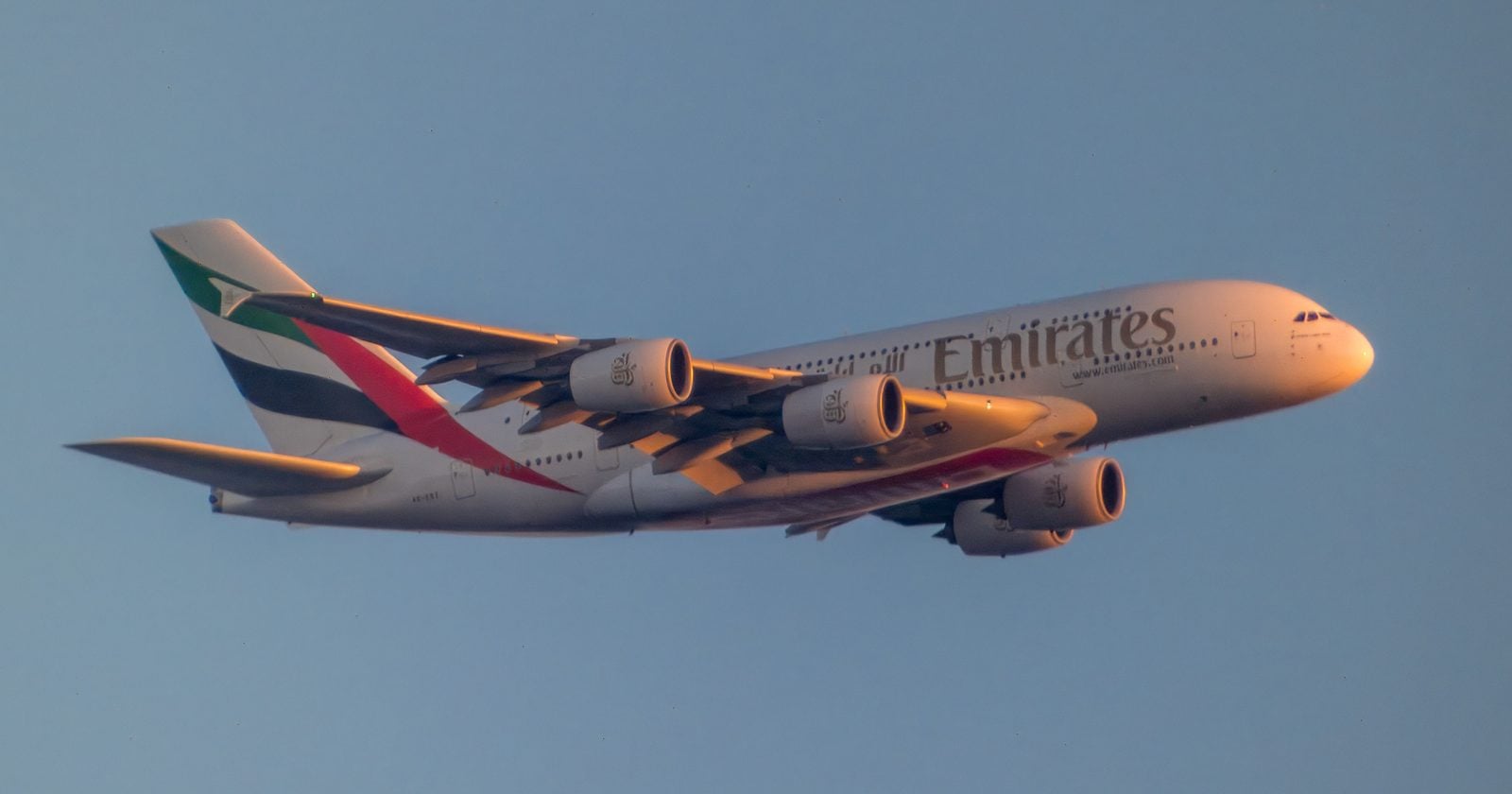
European Regulators Mandate Urgent Inspections Following Cracks in Airbus A380 Wing Spars
European aviation authorities have issued an urgent directive requiring immediate inspections of Airbus A380 aircraft after the discovery of cracks in the wing spars of several planes. This development has raised significant safety concerns, compelling airlines to ground affected aircraft pending thorough examinations and necessary repairs. The inspections are expected to cause operational disruptions and financial repercussions for carriers as they manage the temporary reduction in fleet availability.
Safety Concerns and Industry Implications
The identification of structural cracks in such a critical component as the wing spars underscores the paramount importance of precision and reliability in aerospace engineering. The wing spars are fundamental to the aircraft’s structural integrity, and any compromise necessitates swift regulatory action to ensure passenger safety. Airlines and maintenance providers now face the challenge of expediting compliance with the inspection mandate while allocating substantial resources to address the issue.
This incident also highlights the vital role of advanced aerospace coatings and materials in protecting aircraft structures from the extreme stresses encountered during operation. Experts emphasize that coatings must satisfy rigorous criteria, balancing factors such as weight reduction, application efficiency, consistent appearance, and long-term durability without compromising safety. The coating process demands meticulous control at every stage—from precise film thickness measurement to application—to ensure resilience against ultraviolet radiation, weathering, hydraulic fluids, and repeated maintenance cycles.
Advances in Coating Technology and Market Dynamics
Recent innovations in coating technology are addressing these complex requirements. For instance, Akzo Nobel’s Aerobase UPD technology enhances film build control and sag resistance, allowing a single basecoat layer to achieve the desired finish quality. Trials conducted on Airbus A320 aircraft demonstrated a reduction of 24 kilograms in coating weight per plane, illustrating the operational benefits of optimized formulations. Additionally, special effect finishes such as mica and metallic colors, increasingly favored for distinctive airline liveries, benefit from direct-to-primer application methods. Tests on wide-body aircraft including the A380 suggest potential coating weight reductions of up to 300 kilograms compared to traditional systems.
These technological advancements are unfolding amid intensifying market pressures and heightened regulatory scrutiny. The aerospace and defense sectors are experiencing growing demand for lightweight, high-precision components, driving expansion in the investment casting market, which is projected to reach USD 32.27 billion by 2035. Concurrently, the urgent inspections mandated for the A380 place additional strain on airlines and maintenance providers, who must accelerate compliance efforts while maintaining stringent safety standards.
The market has reacted swiftly to the news of the A380 inspections, with Airbus shares experiencing a temporary decline as investors weigh the implications of the safety concerns. Competitors such as Boeing may benefit from increased interest in alternative aircraft models as airlines reconsider their fleet compositions, potentially altering competitive dynamics within the aviation industry.
Sustainability and Regulatory Challenges
Sustainability remains a critical challenge for the aerospace sector. Although new coating technologies aimed at reducing environmental impact are under development, the industry’s stringent regulatory environment means that qualification and widespread adoption can take several years. Any new system must meet exacting standards for safety, corrosion resistance, weatherability, and service life. Within these constraints, incremental improvements to existing approved coatings are essential. Technical teams continue to collaborate closely with airlines to optimize livery design and application methods, striving for lighter and more efficient finishes.
As the industry mobilizes to address the immediate challenges posed by the A380 inspections, the focus remains steadfast on upholding the highest standards of safety and reliability. Simultaneously, ongoing innovation in materials and processes seeks to support the evolving demands of global aviation.

Etihad Airways Suspends Airbus A380 Flights on Key Route

Aditya Birla Group Seeks Approval for Aircraft Leasing in GIFT City

Qatar Airways Highlights Innovation and Connectivity at Arabian Travel Market 2026

Hong Kong's Five-Year Plan Includes Andrew Fan's Aircraft Parts Processing Hub Proposal

ACIA Aero Leasing Delivers ATR72-600 to Air Nostrum

RTX Appoints Jill Albertelli as Head of Pratt & Whitney

TAT Technologies Joins Beyond Aero Hydrogen Aircraft Program

AURAK Study Highlights Barriers to Air Taxi Adoption in Emerging Economies

Xiamen Air Selects Altitude for 787 Maintenance at Heathrow

Etihad and Swissport Extend Global Partnership
