
Orchestrer les insights d’IA pour les transformer en actions

Tendances
Categories
FAA Advances Next-Generation Aviation Technologies
FAA Advances Next-Generation Aviation Technologies
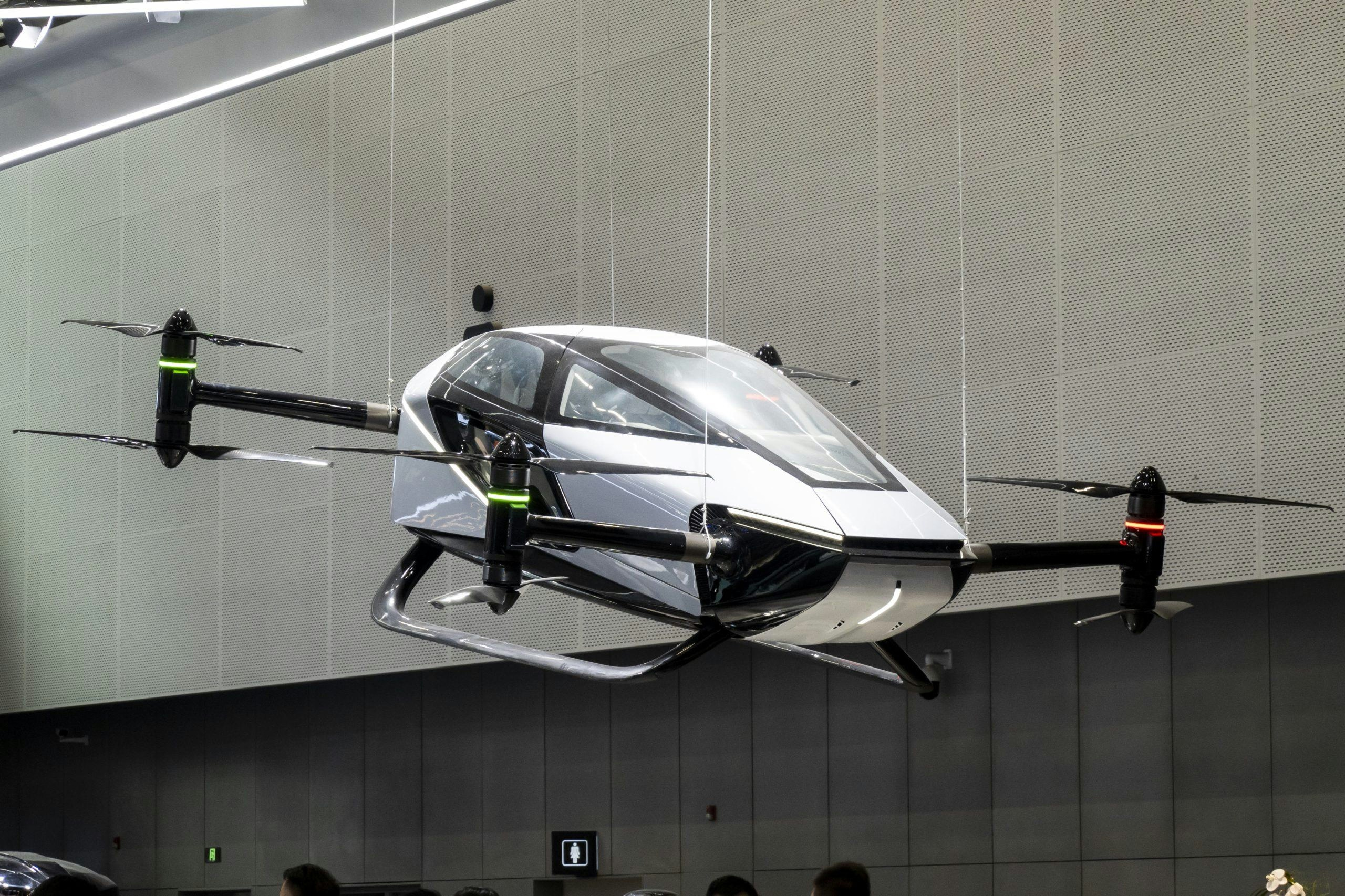
The U.S. Federal Aviation Administration (FAA) is intensifying efforts to modernize the nation’s airspace by integrating emerging aviation technologies such as air taxis, supersonic aircraft, and expanded drone operations. At the Farnborough Airshow, FAA Deputy Administrator Chris Rocheleau emphasized the agency’s dedication to fostering innovation through the development of updated and forward-looking regulatory frameworks.
Pilot Programs and Regulatory Innovation
Central to the FAA’s modernization strategy is a pilot program focused on electric vertical takeoff and landing (eVTOL) aircraft. This initiative aims to facilitate the safe entry of air taxi companies into national airspace by leveraging data collected from eight partner companies operating across 26 states. The FAA’s approach draws parallels to the regulatory models that supported the emergence of self-driving cars, anticipating a growing urban demand for rapid, on-demand transportation solutions. By carefully managing the integration of these new technologies, the agency seeks to ensure both safety and efficiency in the evolving aviation landscape.
Challenges and Market Dynamics
The transition to next-generation aviation technologies presents considerable challenges. Integrating novel systems with existing infrastructure requires sophisticated solutions to maintain seamless operations. The FAA must also confront potential cybersecurity risks associated with increasingly interconnected and advanced aviation systems. Furthermore, the shift demands comprehensive retraining and support for pilots and air traffic controllers adapting to new technologies and operational procedures.
This modernization effort is simultaneously reshaping the competitive landscape. Increased investment and strategic partnerships are emerging, exemplified by the collaboration between Airbus and Lockheed Martin to develop artificial intelligence-enabled aviation solutions. Industry competitors are responding with their own innovations, including Garmin’s G2000 Prime avionics suite and Iridium’s GNSS anti-jamming and spoofing chips. Additionally, companies such as Air Space Technologies are securing contracts to supply critical air traffic control technologies, highlighting the growing momentum toward modernization.
Supersonic Flight and Regulatory Updates
In parallel with these initiatives, the FAA is preparing to revise regulations governing supersonic flights, which have been prohibited over land since 1973. The agency intends to establish new acceptable noise standards by mid-2027, potentially enabling the resurgence of commercial supersonic travel. Following the establishment of these standards, certification processes for supersonic aircraft are expected to commence.
As the FAA advances these efforts, it remains committed to balancing innovation with safety and operational efficiency, aiming to position the United States at the forefront of next-generation aviation technologies.

Etihad and Swissport Extend Global Partnership
Sepehran Airlines B737 Returns to Mashhad After Tyre and Engine Issues

Etihad Deploys Widebody Fleet to Meet Strong Demand

Korean Air Finalizes $36.2 Billion Deal with Boeing
Australia’s RFDS Queensland Section Orders Six King Air 260Cs
Korean Air Finalizes Order for 103 Boeing Jets and Engines
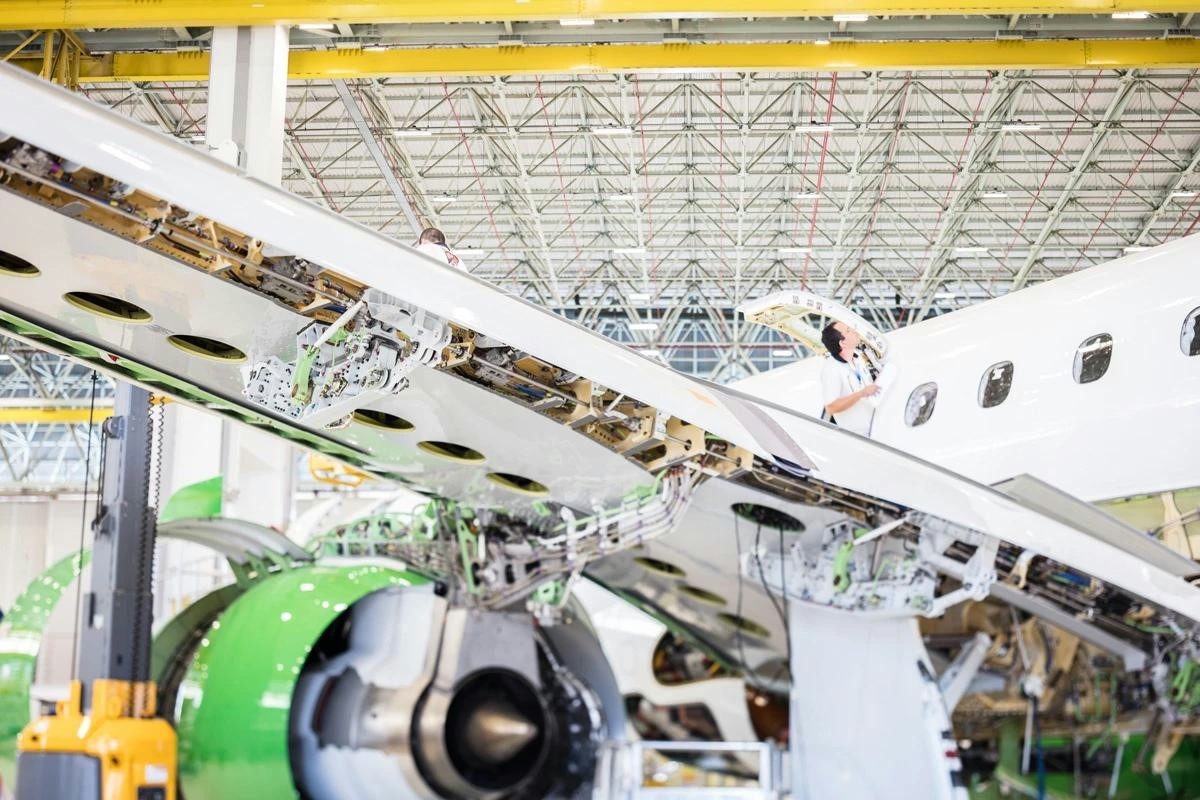
Embraer E195-E2 Features Distinctive Engine Placement Among Regional Jets
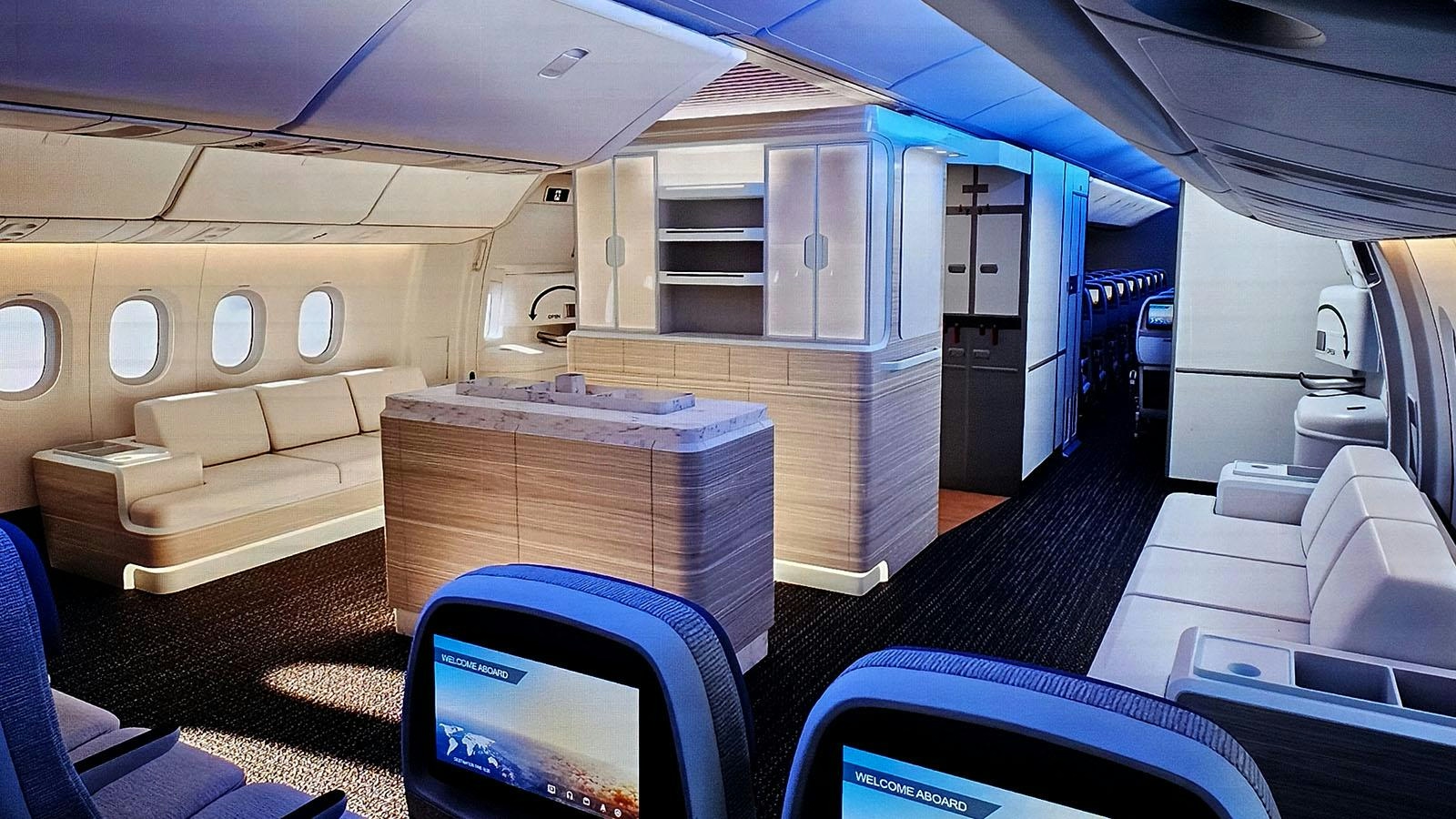
What Passengers Can Expect on Boeing’s New 777X Jet
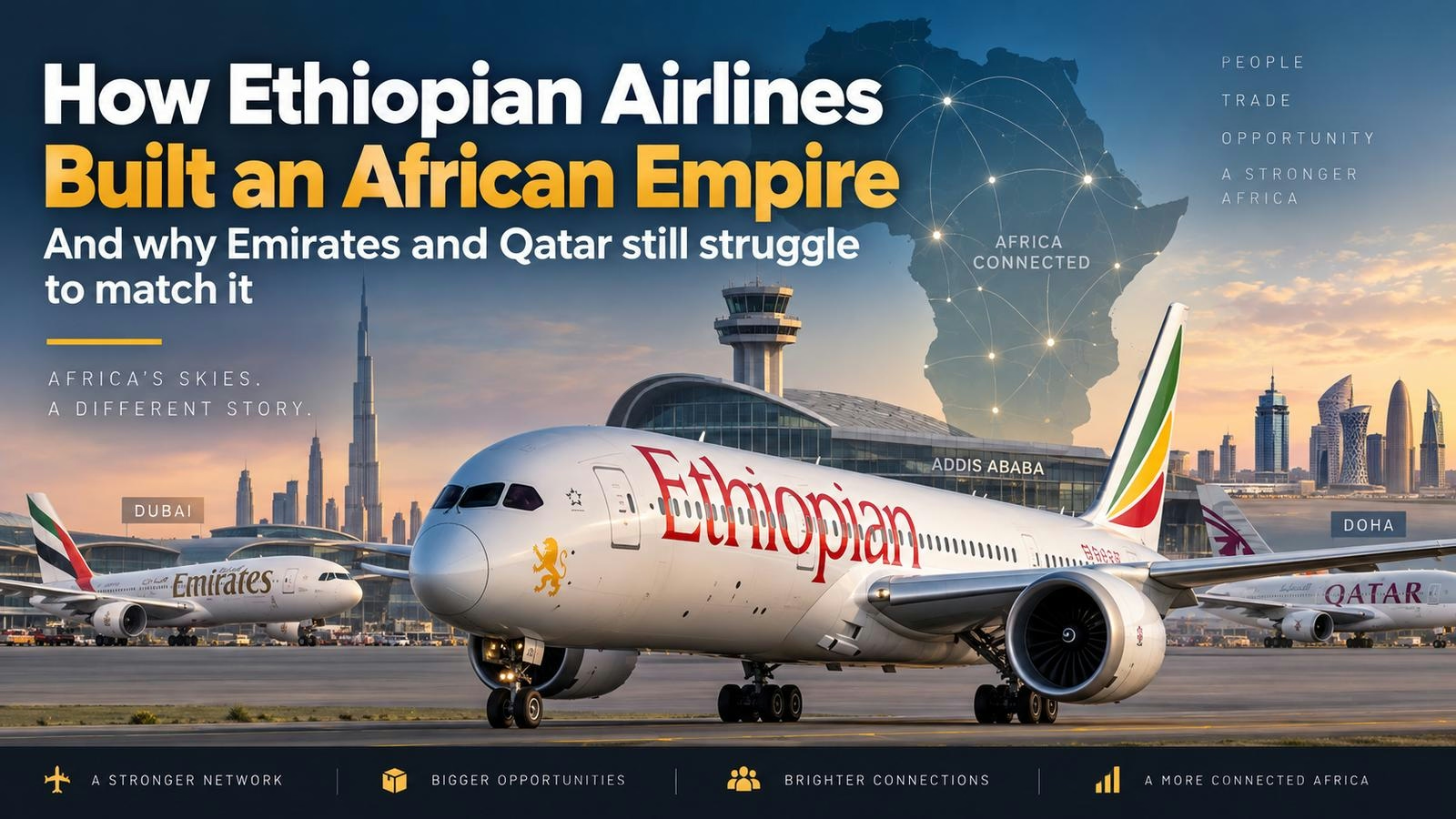
How Ethiopian Airlines Became Africa’s Leading Carrier Amid Gulf Competition
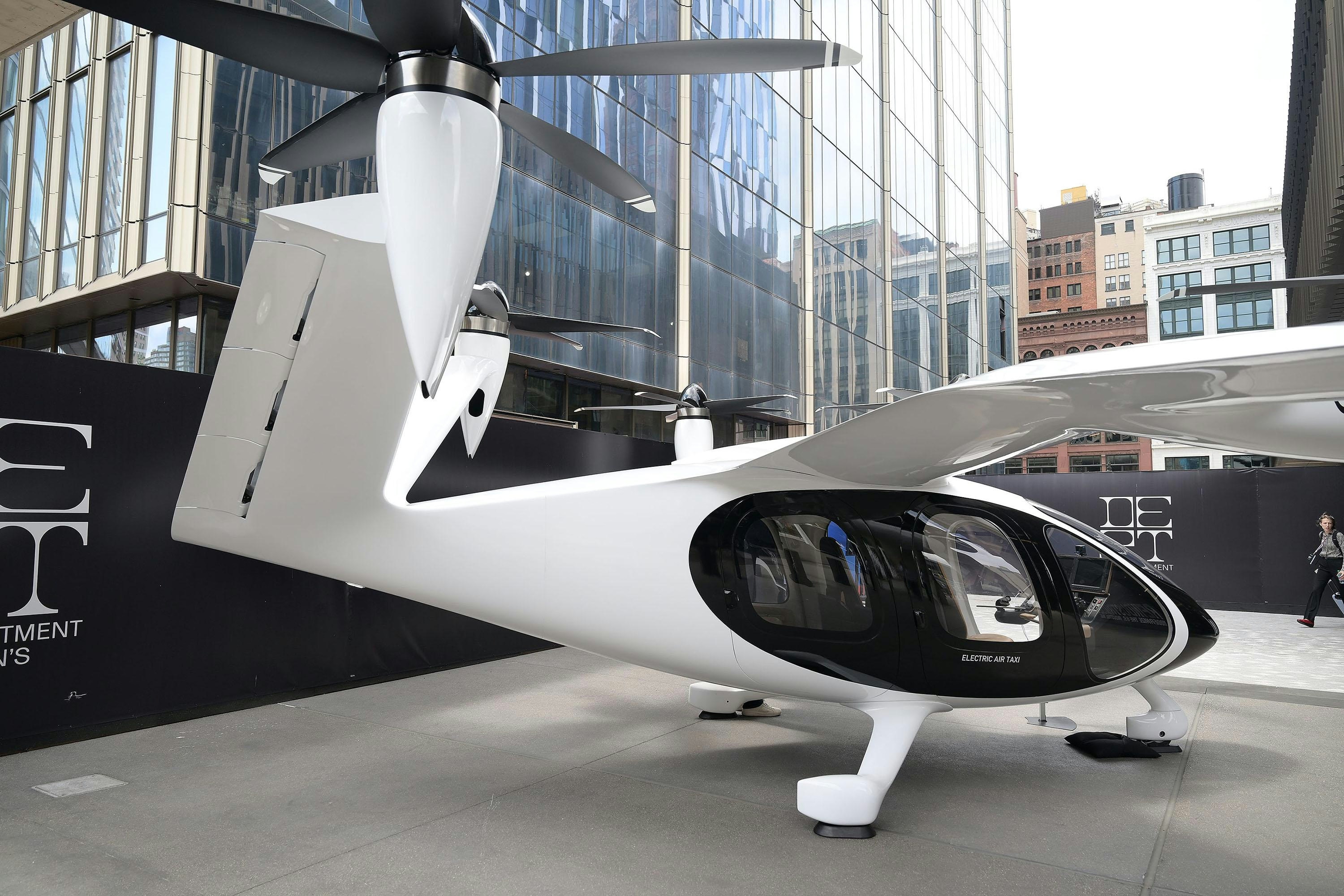
Joby Aviation Extends Autonomous Flight Capabilities with Cross-Country Tour
