
Orchestrer les insights d’IA pour les transformer en actions

Tendances
Categories
FAA Says AI Could Help Prevent Aviation Disasters
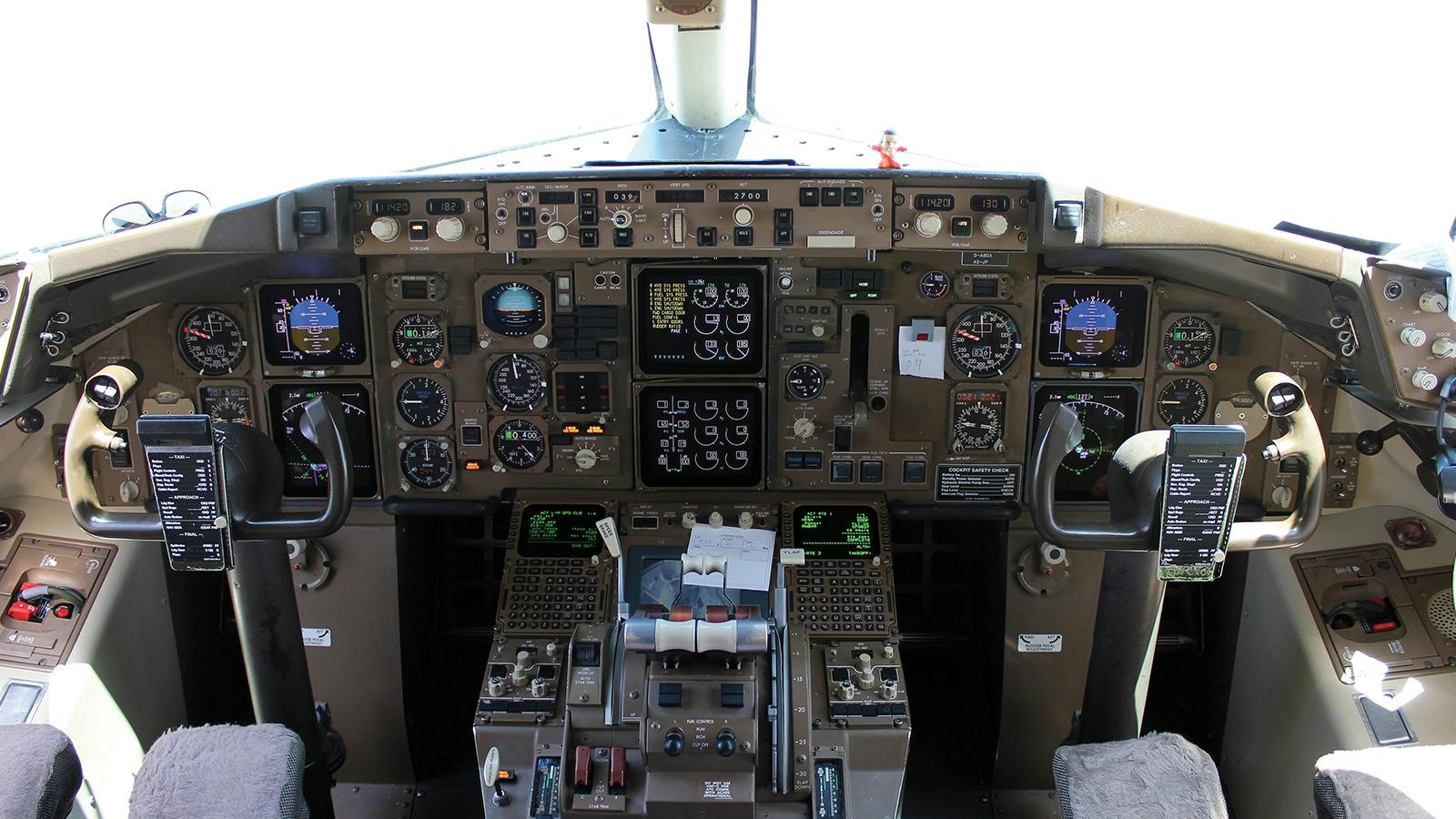
FAA Embraces Artificial Intelligence to Enhance Aviation Safety
The Federal Aviation Administration (FAA) is increasingly turning to artificial intelligence (AI) as a means to shift from reactive responses to proactive prevention in aviation safety. With air travel reaching unprecedented levels and incidents drawing heightened public attention, the agency faces growing pressure to harness the vast quantities of data generated by every flight more effectively.
Challenges in Data Analysis and Safety Oversight
Currently, the FAA contends with the immense volume of flight data, which complicates timely identification of critical safety trends. Each flight produces extensive information, yet agency analysts often struggle to extract actionable insights swiftly enough to avert potential accidents. Although aviation remains the safest mode of transportation, experts acknowledge that the FAA’s capacity to utilize its data resources has not kept pace with technological advancements.
This shortfall was underscored earlier this year when National Transportation Safety Board Chair Jennifer Homendy criticized the FAA for neglecting key statistics that later proved vital in accident investigations. Former Department of Transportation Inspector General Mary Schiavo has described the FAA as a "tombstone agency," highlighting its reputation for responding to disasters rather than preventing them.
Jodi Baker, the FAA’s deputy associate administrator for aviation safety management, acknowledged the agency’s historical strength in incident response but admitted challenges in predictive analysis. She noted, “A bad thing happening is a lagging indicator because the bad thing already happened. There are lots and lots and lots of data sources. And the challenge has always been, how do we glean intelligence out of data sources?”
AI as a Tool for Predictive Safety Measures
To address these challenges, the FAA is deploying AI technologies designed to recognize patterns, integrate information from diverse reports, and assist human analysts in detecting safety trends before they escalate into incidents. Following the 2025 crash near Washington’s Reagan National Airport (DCA), the FAA utilized AI to analyze helicopter traffic in airport vicinities, which led to new safety recommendations. Additionally, AI is employed to review incident reports systematically and optimize flight scheduling, including during disruptions such as the recent government shutdown.
Despite the promise of AI, its adoption in aviation safety is accompanied by concerns regarding the reliability of AI-driven analyses. The FAA emphasizes that these technologies are intended to augment, not replace, expert human judgment. Nonetheless, the agency’s embrace of AI is already influencing the broader market. Technology providers like Nvidia stand to benefit from increased investor confidence as the aviation sector integrates AI tools. Concurrently, competitors within aviation and technology industries are expected to accelerate their own AI initiatives, particularly in predictive analytics and data management, to maintain competitive advantage.
As the FAA continues to incorporate AI into its safety protocols, the agency aims to leverage smarter and faster data analysis to prevent future disasters, thereby enhancing the safety of air travel worldwide.

FAA proposes $60K fine against Lycoming Engines over maintenance violations
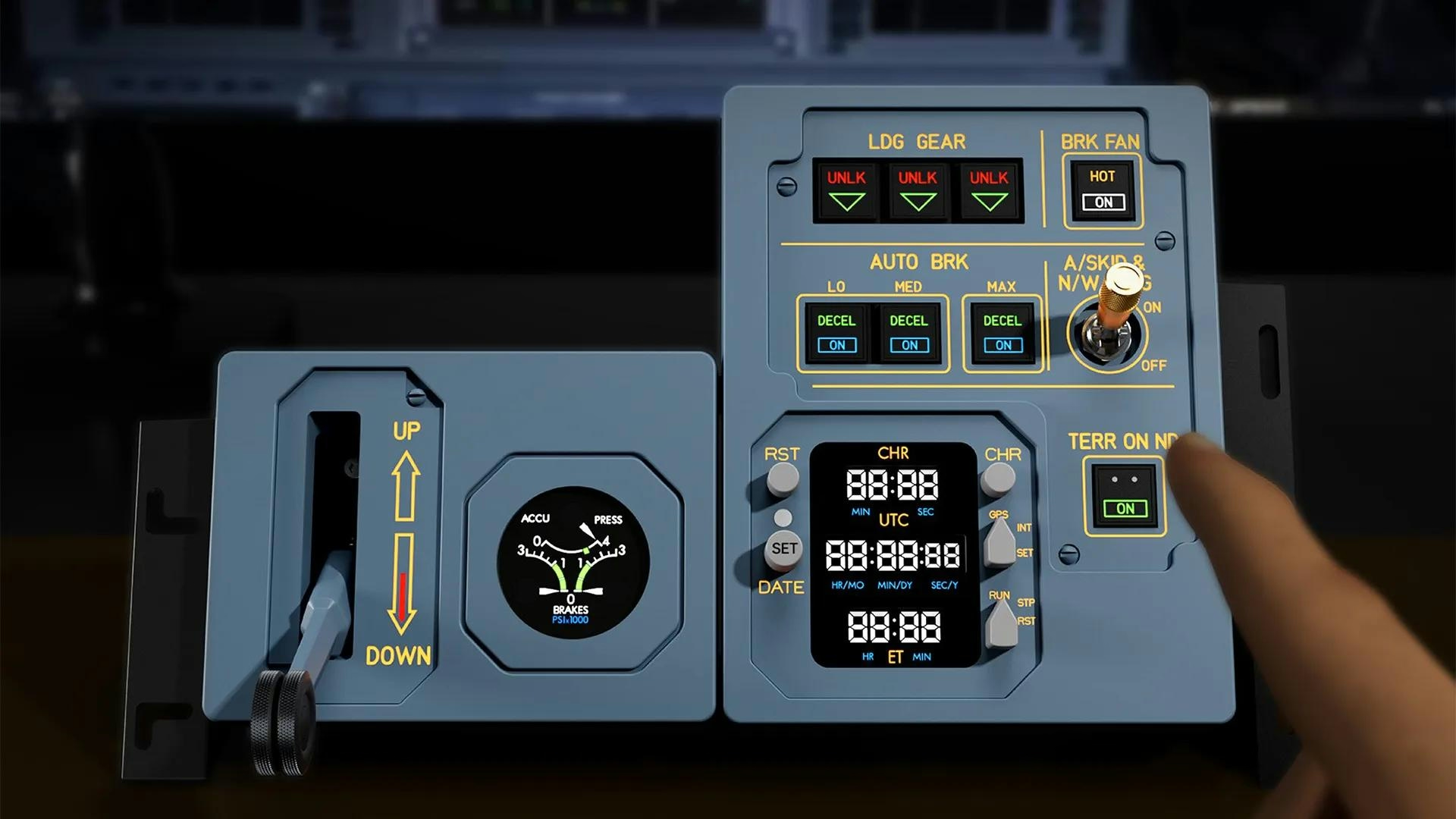
Wingflex Begins Pre-Orders for Modular Airbus Gear and Autobrake Panel
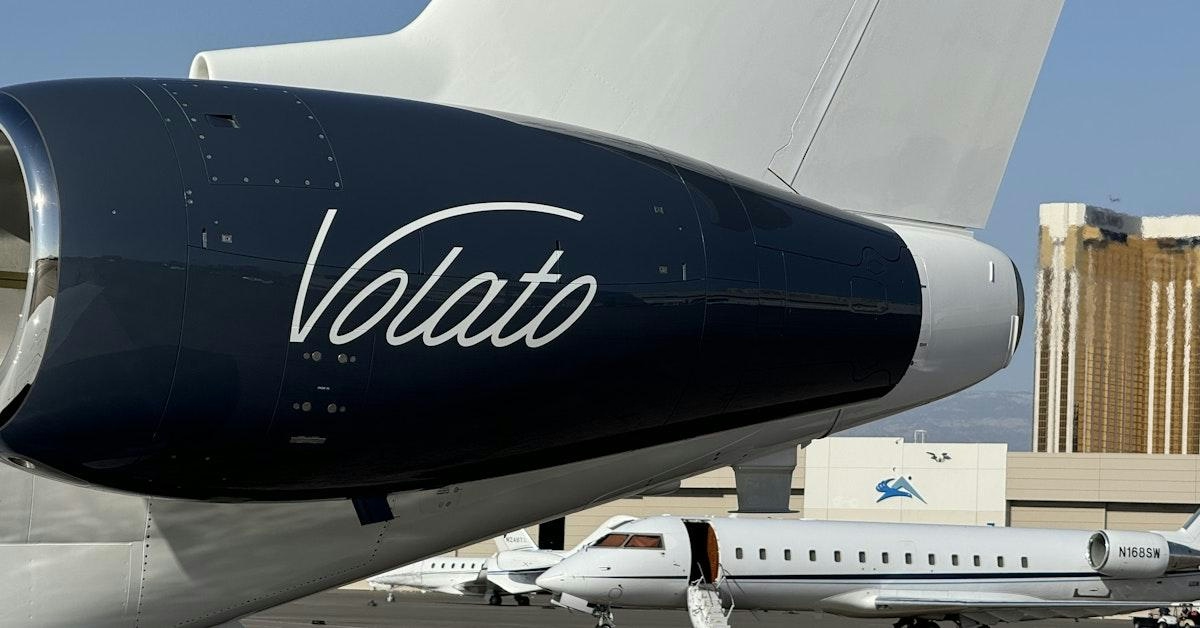
Volato Group and Alignment Engine Inc. Announce AI Infrastructure Merger
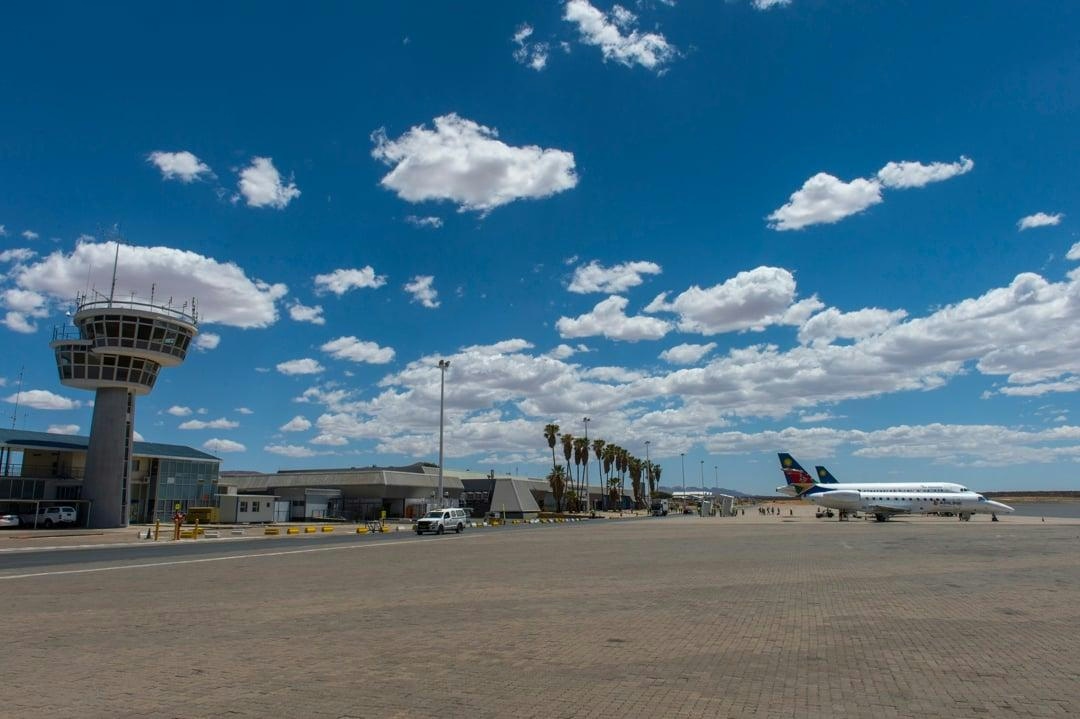
Namibia’s Flight Operations Disrupted by Contaminated Jet Fuel
Santa Monica Included in Olympic Air Taxi Plans
Los Angeles Plans Air Taxi Vertiport for 2028 Olympics
Key Considerations for Cross-Border Aircraft Transactions
FlightSafety International to Acquire Acron Technologies’ Commercial Training Division

MH370: What Is Known Twelve Years Later
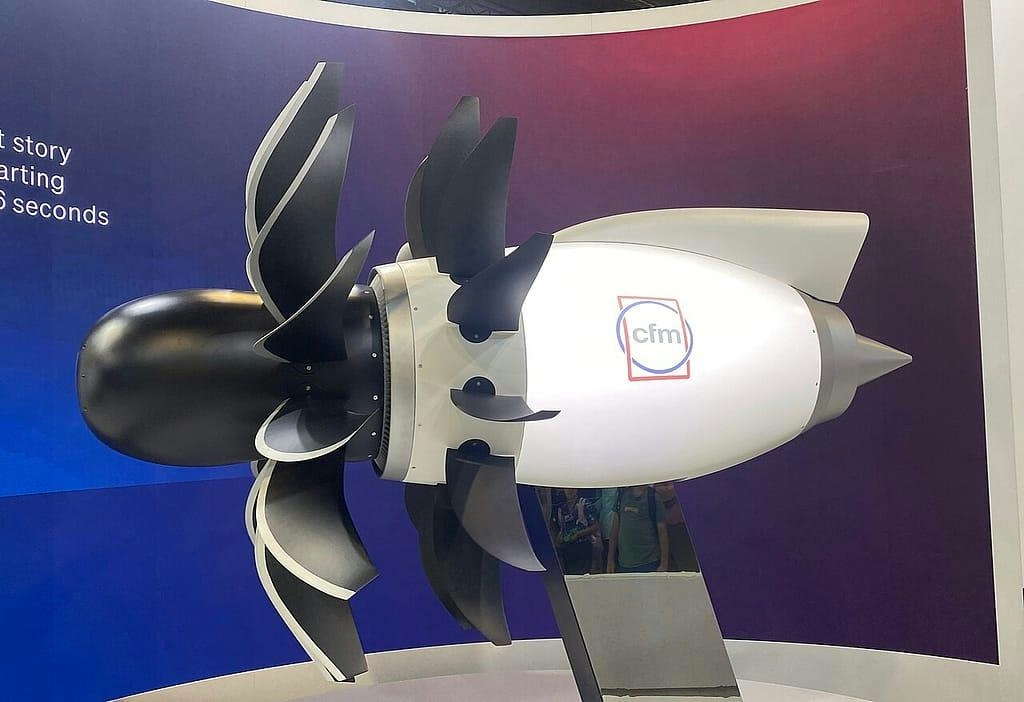
Boeing’s Overwing Strut and the Open Fan Design
