
Orchestrer les insights d’IA pour les transformer en actions

Tendances
Categories
Florida Redirects $200 Million From EV Charging Stations to Flying Car Development
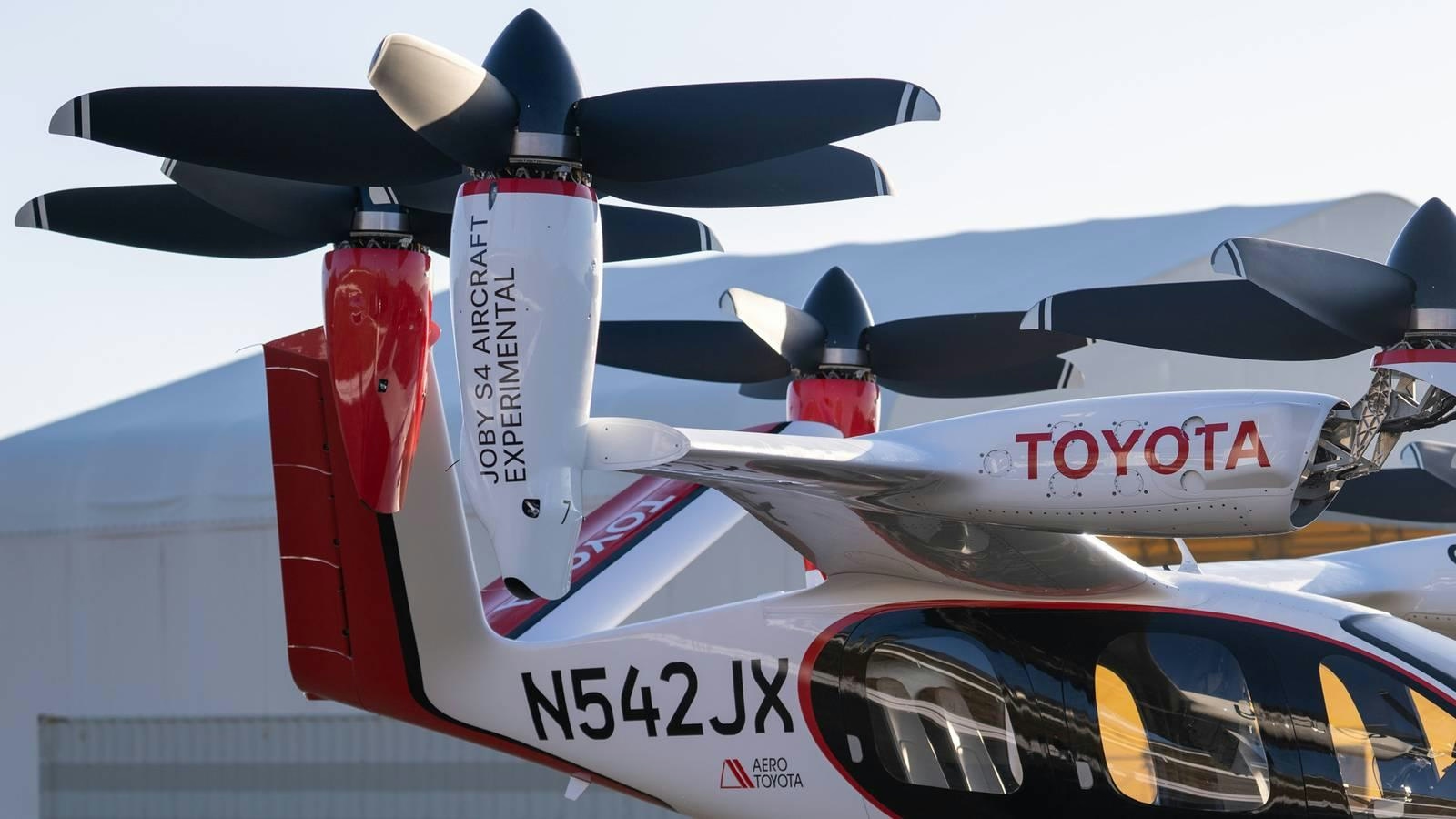
Florida Redirects $200 Million From EV Charging Stations to Flying Car Development
A Strategic Shift Toward Aerial Transportation
Florida has announced a significant reallocation of nearly $200 million in federal funds originally designated for electric vehicle (EV) charging infrastructure, redirecting the money toward the development of battery-powered flying taxis. This initiative, reported by the Miami Herald, reflects the state’s ambition to bypass traditional EV infrastructure expansion in favor of establishing an “Aerial Highway Network” for electric vertical take-off and landing (eVTOL) vehicles.
The Florida Department of Transportation (FDOT) intends to invest $197 million of these federal funds, initially allocated to increase public EV charging points, in building infrastructure to support flying taxis. This includes the construction of 32 “vertiports,” specialized hubs where electric aircraft can take off, land, and recharge. Each vertiport is projected to cost approximately $5.6 million. FDOT officials argue that the private sector has already sufficiently addressed the charging needs of conventional electric vehicles and that focusing on emerging aerial technologies will yield greater long-term benefits for the state’s residents.
Controversy and Criticism
The decision has drawn sharp criticism from clean energy advocates and community organizations. Florida currently ranks second in the nation for the number of electric vehicles but remains below the national average in terms of chargers per vehicle. Many residents, particularly those living in apartments and condominiums, continue to face challenges accessing reliable charging infrastructure. The federal National Electric Vehicle Infrastructure (NEVI) program was designed to close these gaps, especially for lower-income drivers and during critical situations such as hurricane evacuations.
Opponents of the funding shift contend that prioritizing speculative aerial technology over immediate EV infrastructure needs undermines the broader goal of sustainable transportation. Stephen Smith, executive director of the Southern Alliance for Clean Energy, criticized the move, stating that public funds are being diverted from initiatives that would benefit a broad population to support technologies favored by a wealthy elite. The decision may also provoke concern among stakeholders invested in traditional EV infrastructure, as other states continue to expand their charging networks and position themselves as leaders in clean mobility.
Transparency and Future Implications
The process by which Florida arrived at this decision has also come under scrutiny. The Miami Herald reported that the state administration ceased publicly posting its EV charger deployment plans, only releasing relevant documents following legal pressure. These documents outline the ambitious scope of the flying taxi project but leave unresolved questions about the impact on everyday drivers who depend on accessible and affordable charging options.
As Florida advances its vision for an aerial transportation network, the debate intensifies over whether the state is sacrificing practical solutions for the majority of its residents in favor of unproven, futuristic technology. The outcome of this initiative may not only redefine Florida’s transportation infrastructure but also influence its position in the national transition toward clean and innovative mobility solutions.

Etihad Airways Suspends Airbus A380 Flights on Key Route

Aditya Birla Group Seeks Approval for Aircraft Leasing in GIFT City

Qatar Airways Highlights Innovation and Connectivity at Arabian Travel Market 2026

Hong Kong's Five-Year Plan Includes Andrew Fan's Aircraft Parts Processing Hub Proposal

ACIA Aero Leasing Delivers ATR72-600 to Air Nostrum

RTX Appoints Jill Albertelli as Head of Pratt & Whitney

TAT Technologies Joins Beyond Aero Hydrogen Aircraft Program

AURAK Study Highlights Barriers to Air Taxi Adoption in Emerging Economies

Xiamen Air Selects Altitude for 787 Maintenance at Heathrow

Etihad and Swissport Extend Global Partnership
