
Orchestrer les insights d’IA pour les transformer en actions

Tendances
Categories
Frontier Airlines Revises Airbus A321neo Order Following Avolon Leasing Agreement
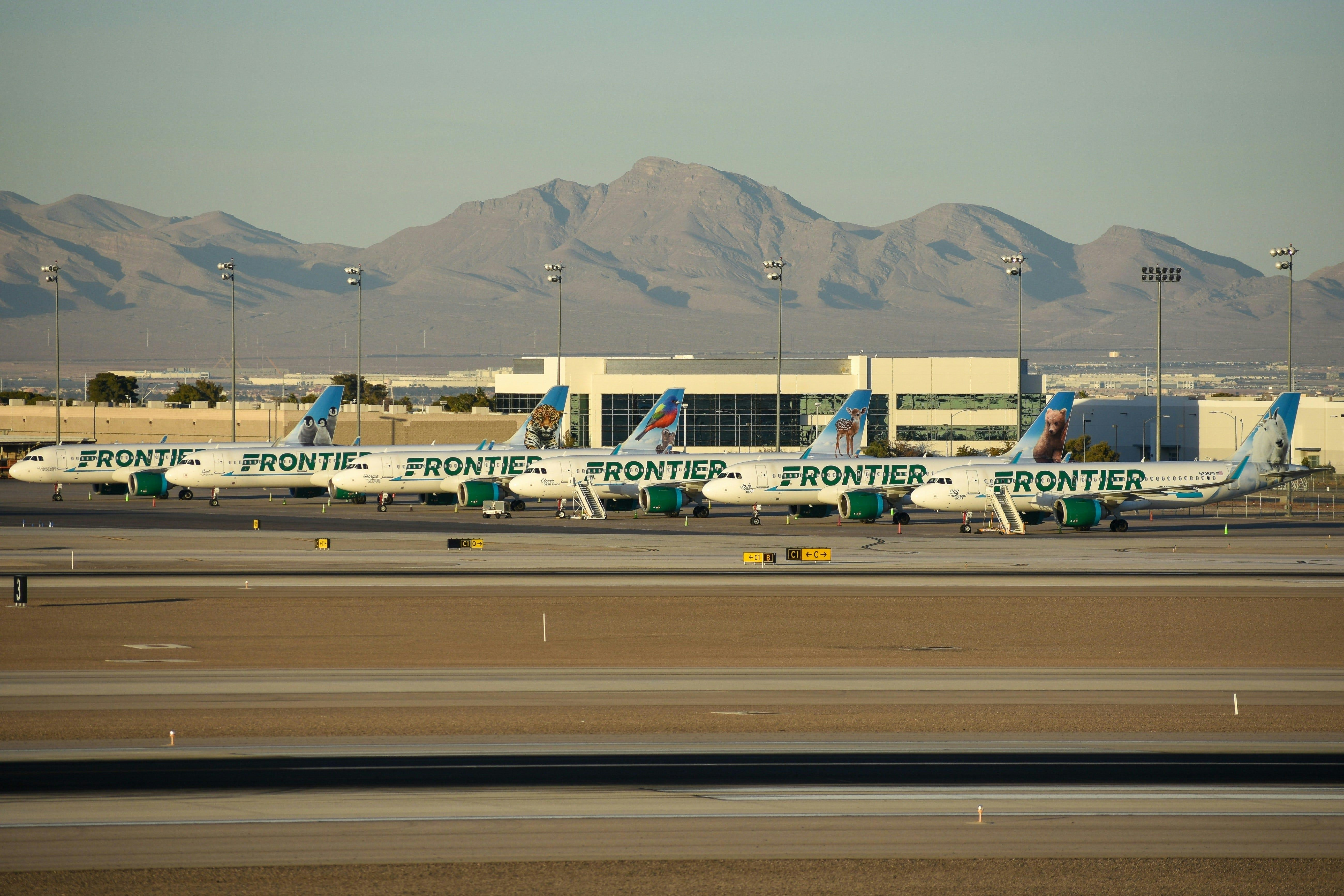
Frontier Airlines Revises Airbus A321neo Order Following Avolon Leasing Agreement
Strategic Adjustment in Fleet Management
Frontier Airlines has announced a significant revision to its Airbus A321neo order by transferring 11 delivery positions to Avolon, a leading aircraft leasing company based in Ireland. This decision, involving aircraft initially ordered directly from Airbus, reflects a strategic approach to fleet management amid rising demand and persistent production challenges within the aviation sector. Rather than indicating a reduction in capacity, Frontier’s move is designed to maintain access to new, fuel-efficient aircraft while enhancing financial flexibility. By leasing these jets from Avolon instead of purchasing them outright, Frontier can modernize and expand its fleet without the burden of substantial upfront capital expenditure, a critical consideration as airlines navigate evolving market dynamics and capital constraints.
Production Delays and Market Implications
The revision coincides with Airbus’s notification of delivery delays affecting the A320neo family, particularly the A321neo model, with postponements expected in 2027 and 2028. These delays pose challenges for Frontier’s fleet expansion plans, potentially necessitating adjustments to operational and financial strategies to accommodate the revised delivery timeline. The ongoing production backlog has intensified competition among airlines and lessors for near-term delivery slots. Frontier’s partnership with Avolon serves as a strategic measure to mitigate risks associated with these delays, ensuring continued access to modern aircraft despite the extended wait for direct deliveries.
This arrangement also exemplifies a broader industry trend where leasing companies increasingly acquire delivery positions from airlines to navigate manufacturer backlogs. By securing these slots, Avolon enhances its capacity to supply contemporary aircraft to carriers facing prolonged delivery lead times. Leasing remains a vital mechanism within the aviation industry, providing airlines with the flexibility to scale operations efficiently without heavy capital commitments. As demand for the A321neo grows and delivery slots become more valuable, leasing firms are emerging as essential intermediaries between manufacturers and operators.
The Significance of the Airbus A321neo
The Airbus A321neo continues to be one of the most coveted single-aisle aircraft globally, valued for its fuel efficiency, extended range, and increased passenger capacity. For low-cost carriers like Frontier, these attributes translate into operational efficiencies, including higher seating capacity per flight, reduced fuel consumption, and improved environmental performance. Given Airbus’s extensive order backlog, securing timely access to the A321neo is a critical competitive advantage. However, ongoing production delays may prompt some carriers to consider alternative aircraft models or renegotiate existing agreements with Airbus, potentially reshaping the competitive landscape.
Future Outlook
Frontier’s revised order and leasing collaboration with Avolon underscore the fluid and adaptive nature of fleet planning in the current aviation environment. As airlines contend with production delays and shifting market conditions, flexible leasing arrangements and strategic partnerships are poised to play an increasingly pivotal role in supporting fleet growth and operational resilience.

Hong Kong's Five-Year Plan Includes Andrew Fan's Aircraft Parts Processing Hub Proposal

ACIA Aero Leasing Delivers ATR72-600 to Air Nostrum

RTX Appoints Jill Albertelli as Head of Pratt & Whitney

TAT Technologies Joins Beyond Aero Hydrogen Aircraft Program

AURAK Study Highlights Barriers to Air Taxi Adoption in Emerging Economies

Xiamen Air Selects Altitude for 787 Maintenance at Heathrow

Etihad and Swissport Extend Global Partnership
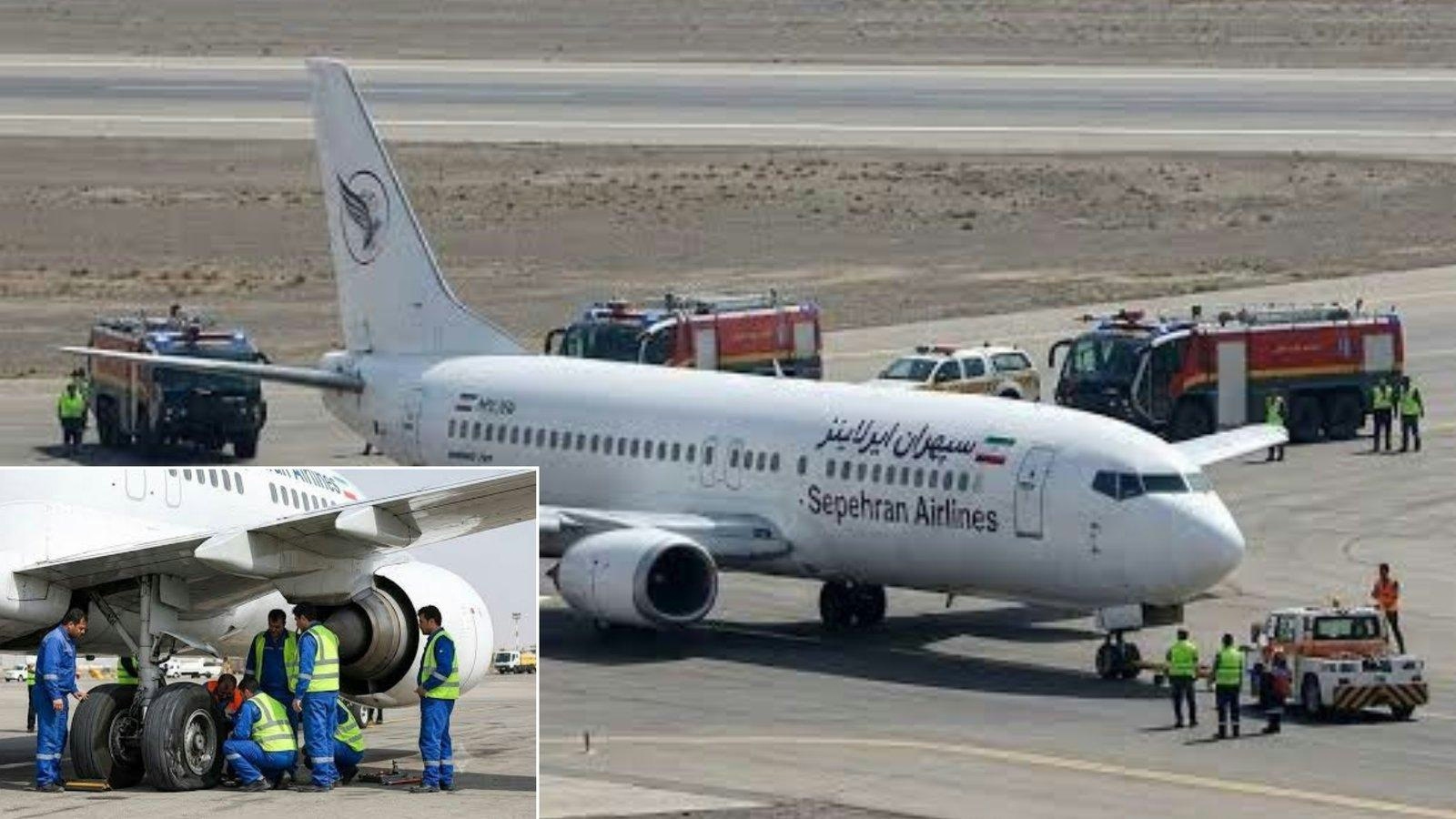
Sepehran Airlines B737 Returns to Mashhad After Tyre and Engine Issues

Etihad Deploys Widebody Fleet to Meet Strong Demand
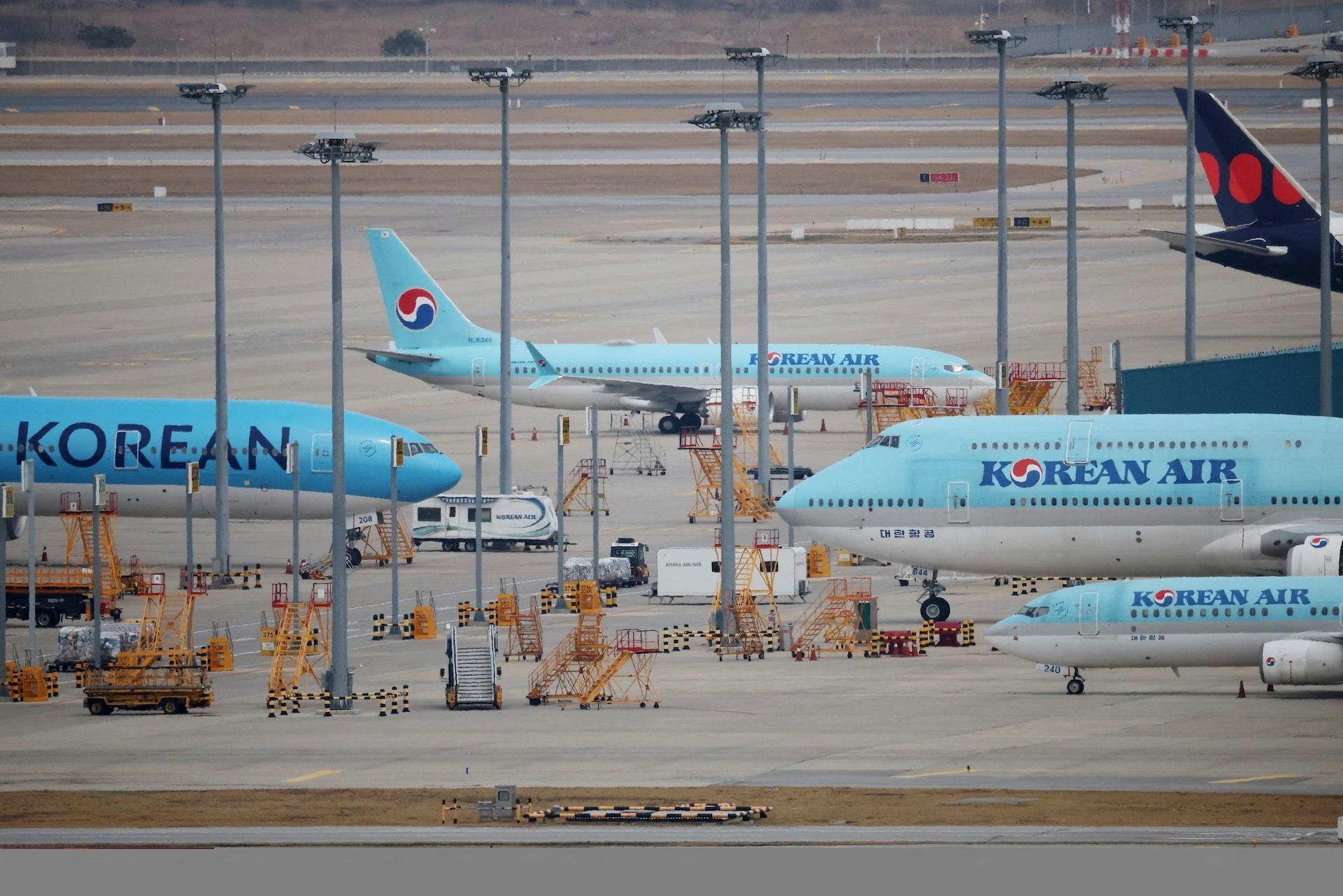
Korean Air Finalizes $36.2 Billion Deal with Boeing
