
Orchestrer les insights d’IA pour les transformer en actions

Tendances
Categories
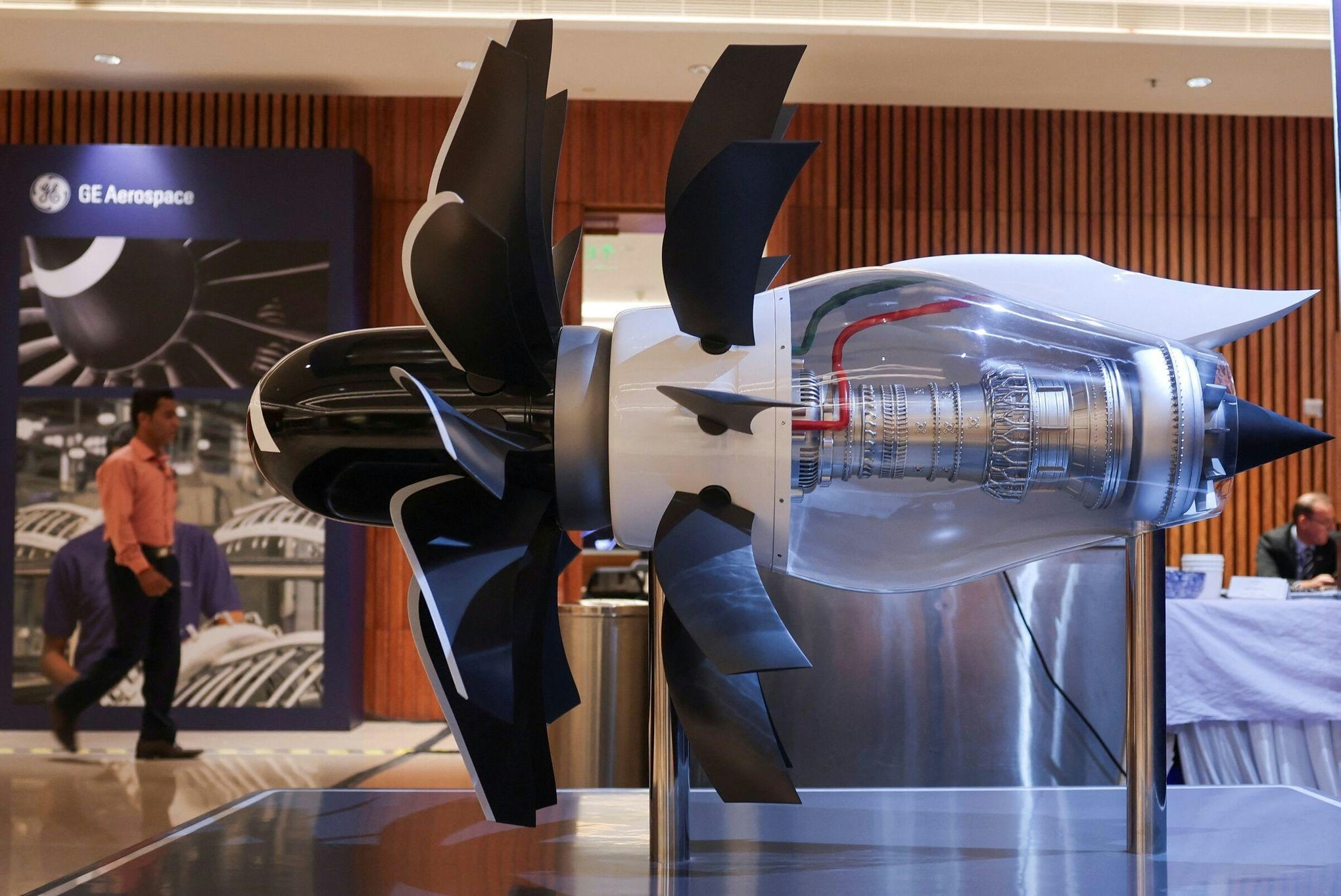
GE and RTX Compete to Supply Engines for Boeing and Airbus
GE and RTX Compete to Supply Engines for Boeing and Airbus
Airbus has delivered 418 aircraft through July, including 67 in the month alone, yet faces the formidable task of averaging approximately 90 deliveries per month for the remainder of 2026 to meet its annual target of around 870 aircraft. Meanwhile, Boeing is working through a substantial commercial backlog as it accelerates production. This intense manufacturing pace has shifted industry focus to the engine suppliers—primarily GE Aerospace and RTX’s Pratt & Whitney—who now find themselves at the heart of aviation’s most pressing challenges.
GE’s Expansion Amid Supply Chain Constraints
GE Aerospace entered the second half of 2026 with a backlog exceeding $210 billion, encompassing commercial engines, services, and related businesses. In the first half of the year, GE reported a 31% increase in total engine deliveries, with its LEAP engines—produced through the CFM International joint venture with Safran and powering Boeing’s 737 MAX and Airbus’ A320neo family—experiencing a 41% rise in deliveries. The company also recorded a double-digit increase in materials received from priority suppliers during the second quarter, signaling progress in addressing one of the industry’s most significant obstacles: securing sufficient components to increase output.
Despite these advances, the broader aviation sector continues to face severe supply chain challenges, particularly in the aftermarket. High fleet utilization rates, ongoing original equipment manufacturer (OEM) delivery delays, and maintenance bottlenecks have intensified pressure on suppliers like GE to meet growing demand. Nevertheless, GE recently secured a major contract with Copa Airlines for up to 120 LEAP-1B engines, further strengthening its already substantial order book.
RTX Confronts Demand and Maintenance Pressures
RTX’s Pratt & Whitney is also experiencing robust demand, especially for its geared turbofan (GTF) engine, which powers the Airbus A320neo family. Recent orders include up to 220 GTF engines from BOC Aviation, alongside a selection from aircraft lessor Jackson Square Aviation. However, the company’s experience also highlights ongoing industry difficulties. Persistent issues with the GTF engine have led to temporary groundings of aircraft for inspections and repairs, exacerbating supply chain pressures and contributing to maintenance backlogs.
RTX’s second-quarter financial results reflect this complex dynamic. While commercial original-equipment sales declined by 8%, aftermarket sales—revenue generated from maintaining and repairing engines already in service—increased by 25%. This trend underscores a critical development in the sector: as airlines extend the operational life of older fleets due to delivery delays, demand for maintenance and spare parts surges, benefiting suppliers across both new equipment and aftermarket services.
Intensifying Competition Amid Backlogs and Bottlenecks
The rivalry between GE and RTX is further intensified by the global order backlog and the focus on CFM56-powered narrowbody aircraft, heightening the competition to secure contracts with Boeing and Airbus. Market scrutiny of production timelines and delivery schedules is increasing, placing pressure on both companies to invest in supply chain enhancements and strategic partnerships to sustain their market positions.
As Boeing and Airbus endeavor to convert their massive backlogs into deliveries, the true bottleneck—and opportunity—resides with the engine manufacturers. Each additional aircraft requires not only engines but also years of aftermarket support. In this environment, the ultimate winners may extend beyond the airframe producers. GE and RTX are engaged in a race not only to deliver engines but also to ensure the aftermarket infrastructure is prepared to support the global airline industry for years to come.

Etihad Airways Suspends Airbus A380 Flights on Key Route

Aditya Birla Group Seeks Approval for Aircraft Leasing in GIFT City

Qatar Airways Highlights Innovation and Connectivity at Arabian Travel Market 2026

Hong Kong's Five-Year Plan Includes Andrew Fan's Aircraft Parts Processing Hub Proposal

ACIA Aero Leasing Delivers ATR72-600 to Air Nostrum

RTX Appoints Jill Albertelli as Head of Pratt & Whitney

TAT Technologies Joins Beyond Aero Hydrogen Aircraft Program

AURAK Study Highlights Barriers to Air Taxi Adoption in Emerging Economies

Xiamen Air Selects Altitude for 787 Maintenance at Heathrow

Etihad and Swissport Extend Global Partnership
