
Orchestrer les insights d’IA pour les transformer en actions

Tendances
Categories
Global Aviation to Double Capacity by 2050 Through AI and Software Without New Airports
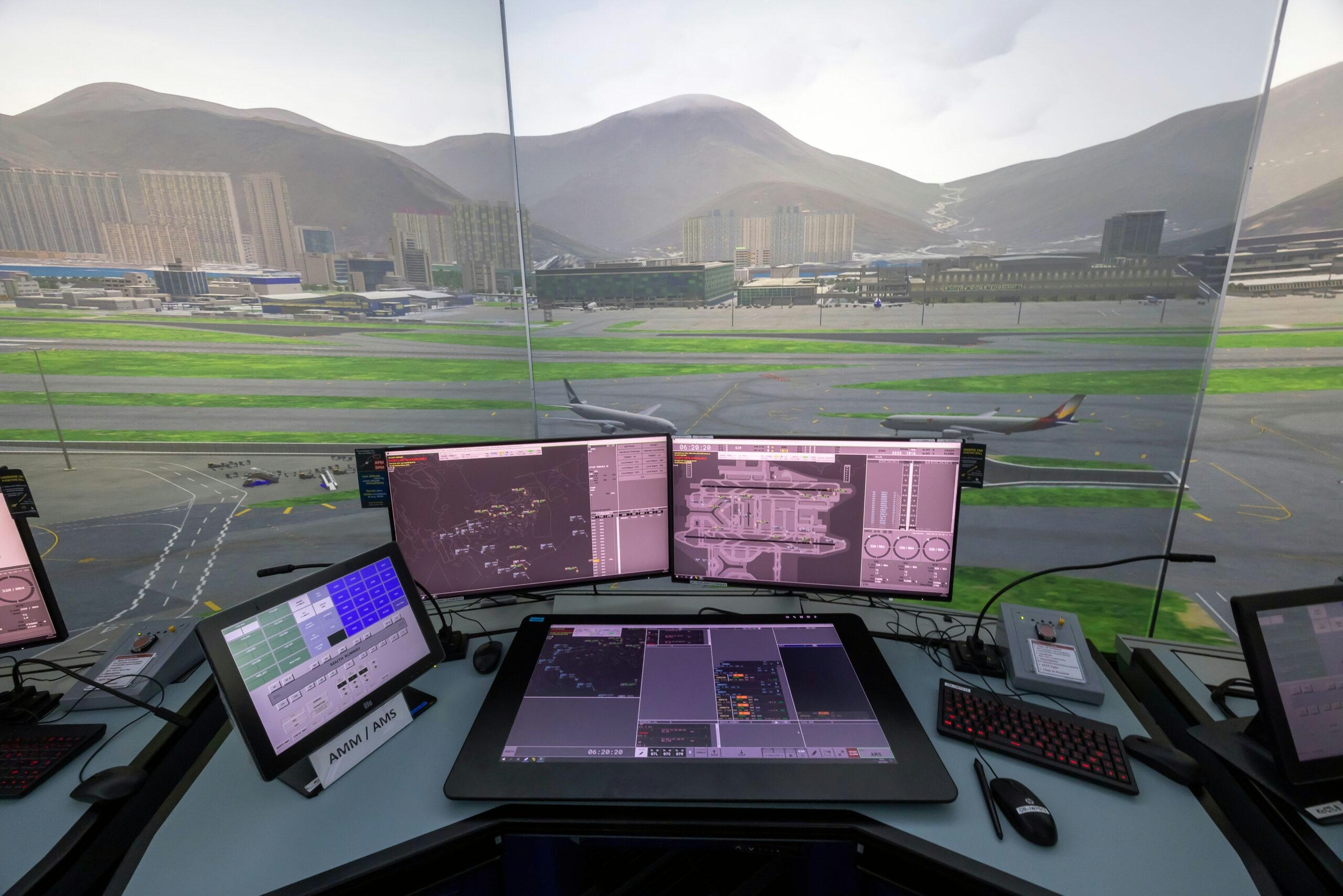
Global Aviation to Double Capacity by 2050 Through AI and Software, Not New Airports
The global aviation industry is poised for a profound transformation, targeting a doubling of passenger capacity by 2050 without expanding airports, fleets, or border personnel. This ambitious goal is being pursued through the adoption of automation, artificial intelligence (AI), and advanced data-driven software solutions, enabling the sector to scale operations efficiently within existing physical infrastructures.
Digital Transformation as the Core Strategy
According to SITA’s Impact Report 2025, the aviation industry is projected to carry approximately 8 billion passengers annually within the next two decades, with the International Air Transport Association (IATA) forecasting this number could reach 10 billion by 2050. This anticipated surge in demand is driving airlines, airports, and border authorities to prioritize digital transformation over traditional infrastructure expansion such as new terminals or runways.
David Lavorel, CEO of SITA, underscored the central challenge of accommodating this growth without doubling physical infrastructure. He noted that the transition is already underway, with airports maximizing capacity within existing facilities to avoid the high costs and extended timelines associated with new construction. Governments are also streamlining border processes by implementing pre-clearance systems that reduce congestion and enhance operational efficiency.
A significant element of this shift is the integration of AI beyond pilot programs into operational control centers, where it now actively manages flights and passenger flows. This evolution marks a transition from experimental deployments to core system integration, positioning digital infrastructure as equally critical as physical assets in determining the capacity, resilience, and efficiency of aviation systems.
Challenges and Industry Response
Despite the promising outlook, the industry faces considerable challenges. Modernizing air traffic control systems remains a complex endeavor, particularly as the Federal Aviation Administration explores AI applications to manage increasingly congested airspace. Sustainability goals present another major obstacle, with IATA reaffirming its commitment to achieving net-zero carbon emissions by 2050. Additionally, delays in aircraft deliveries and concerns regarding the reliability and transparency of AI systems pose risks to the sector’s digital transformation efforts.
Market reactions to these developments are mixed, reflecting both optimism and caution. While the potential for increased efficiency and cost reductions is driving investment in digital solutions, apprehensions persist about the dependability of AI-driven systems and their capacity to manage critical operations transparently. Competitors are closely monitoring these trends, with many airlines accelerating their technological strategies to maintain competitiveness in a rapidly evolving market.
Industry leaders emphasize that this transformation is a collective endeavor involving airlines, airports, governments, and technology partners. As passenger demand continues to rise, the focus is increasingly on developing integrated technological ecosystems capable of expanding throughput without enlarging the physical footprint of aviation infrastructure.
The aviation sector’s ability to double capacity by 2050 will depend on the successful adoption of AI and software-driven solutions, balanced against the imperatives of modernization, sustainability, and public trust in emerging technologies.

Etihad and Swissport Extend Global Partnership

Sepehran Airlines B737 Returns to Mashhad After Tyre and Engine Issues

Etihad Deploys Widebody Fleet to Meet Strong Demand

Korean Air Finalizes $36.2 Billion Deal with Boeing

Australia’s RFDS Queensland Section Orders Six King Air 260Cs

Korean Air Finalizes Order for 103 Boeing Jets and Engines

Embraer E195-E2 Features Distinctive Engine Placement Among Regional Jets

What Passengers Can Expect on Boeing’s New 777X Jet

How Ethiopian Airlines Became Africa’s Leading Carrier Amid Gulf Competition

Joby Aviation Extends Autonomous Flight Capabilities with Cross-Country Tour
