
Orchestrer les insights d’IA pour les transformer en actions

Tendances
Categories
IndiGo Begins AI Trials to Reduce Fuel Use During Take-Off
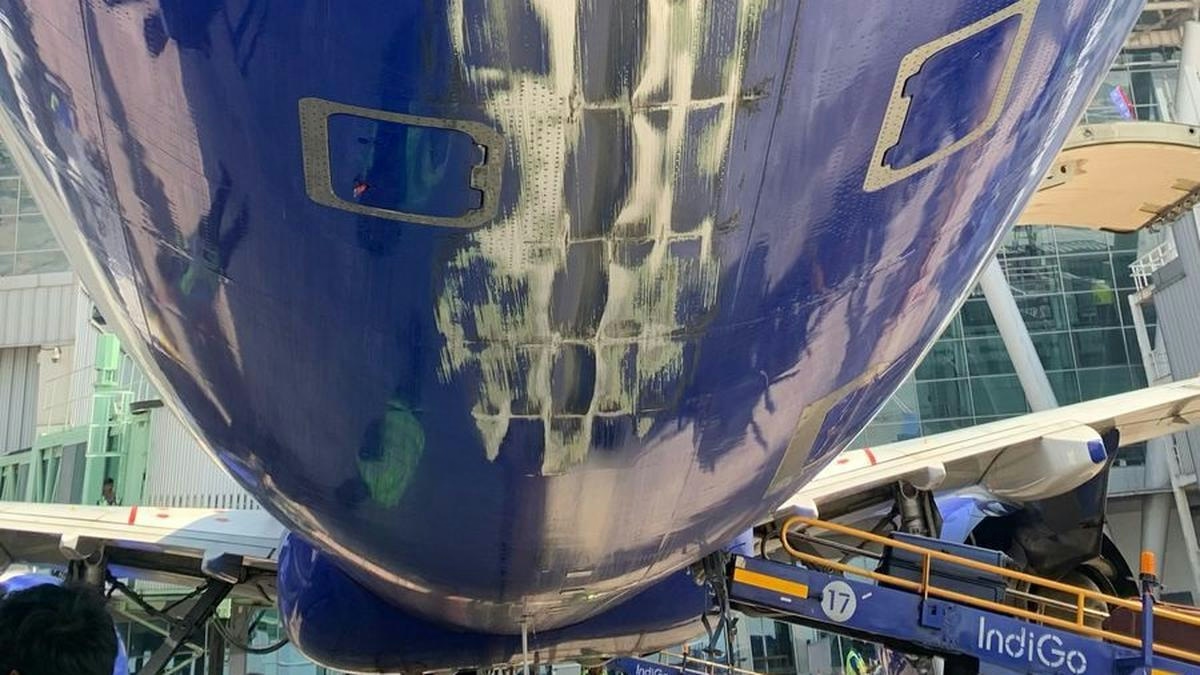
IndiGo Launches AI Trials to Enhance Fuel Efficiency During Take-Off
Introducing OptiClimb: AI-Driven Climb Optimization
In an effort to address rising fuel costs and reduce carbon emissions, IndiGo has initiated trials of an artificial intelligence (AI) system designed to improve fuel efficiency during aircraft take-offs. Beginning Thursday, the airline will deploy the “OptiClimb” solution across its Airbus fleet, encouraging pilots to optimize climb profiles—the phase of flight known for the highest fuel consumption.
Developed in collaboration with global flight operations provider SITA, OptiClimb leverages AI-powered analytics to recommend variable climb speeds tailored to real-time conditions. These include aircraft performance metrics, take-off weight, cruise altitude, and atmospheric factors. By moving away from a fixed-speed climb, IndiGo anticipates saving approximately 60 to 65 kilograms of fuel per take-off. Given the airline’s average of 2,000 daily flights, even partial implementation could translate into substantial fuel savings and a meaningful reduction in carbon emissions.
Captain Ashim Mittra, IndiGo’s Senior Vice President of Flight Operations, highlighted the initiative’s significance in a message to the airline’s 6,000 pilots. He noted that the airline has been collaborating closely with SITA over recent months to implement this AI-powered flight optimization tool, which aims to reduce fuel burn and emissions during the energy-intensive climb phase.
Challenges and Industry Context
The climb phase is traditionally the most fuel-intensive segment of a flight. Advances in aircraft performance analytics have recently enabled more precise climb optimization, allowing airlines to reduce fuel consumption and emissions without compromising safety or regulatory compliance. However, integrating AI technology into established flight operations presents challenges. IndiGo must ensure that OptiClimb aligns with aviation regulations and does not disrupt existing procedures. The airline will closely monitor the trial’s effectiveness before deciding on broader adoption.
This initiative comes amid significant operational pressures for IndiGo, as soaring fuel prices—exacerbated by ongoing geopolitical tensions in the Middle East—have compelled the carrier to cut routes and slow capacity growth to safeguard its financial stability. While AI-driven solutions like OptiClimb offer promising avenues for cost reduction, their immediate impact may be constrained by these broader market challenges.
Industry analysts suggest that IndiGo’s embrace of AI for fuel efficiency could stimulate greater investor interest in similar technologies. Competitors may accelerate their own digital transformation efforts or emphasize alternative fuel-saving measures. The aviation sector has long pursued fuel reduction strategies, ranging from lighter aircraft interiors to more efficient engines, but the arrival of next-generation fuel-saving aircraft remains years away. Until then, data-driven solutions such as OptiClimb represent a significant step toward operational sustainability.
Captain Mittra underscored the initiative’s core objectives: enhancing fuel efficiency, reducing the airline’s carbon footprint, and strengthening operational sustainability, all while maintaining full compliance with Air Traffic Control requirements and safe operating practices.
As IndiGo advances with these trials, its experience may serve as a benchmark for the wider adoption of AI in aviation fuel management, demonstrating how innovation can be balanced with the realities of a challenging economic environment.

Etihad and Swissport Extend Global Partnership

Sepehran Airlines B737 Returns to Mashhad After Tyre and Engine Issues

Etihad Deploys Widebody Fleet to Meet Strong Demand

Korean Air Finalizes $36.2 Billion Deal with Boeing

Australia’s RFDS Queensland Section Orders Six King Air 260Cs

Korean Air Finalizes Order for 103 Boeing Jets and Engines

Embraer E195-E2 Features Distinctive Engine Placement Among Regional Jets

What Passengers Can Expect on Boeing’s New 777X Jet

How Ethiopian Airlines Became Africa’s Leading Carrier Amid Gulf Competition

Joby Aviation Extends Autonomous Flight Capabilities with Cross-Country Tour
