
Orchestrer les insights d’IA pour les transformer en actions

Tendances
Categories
Issues Identified in Engines of Boeing 787, 747-8, and 737 MAX
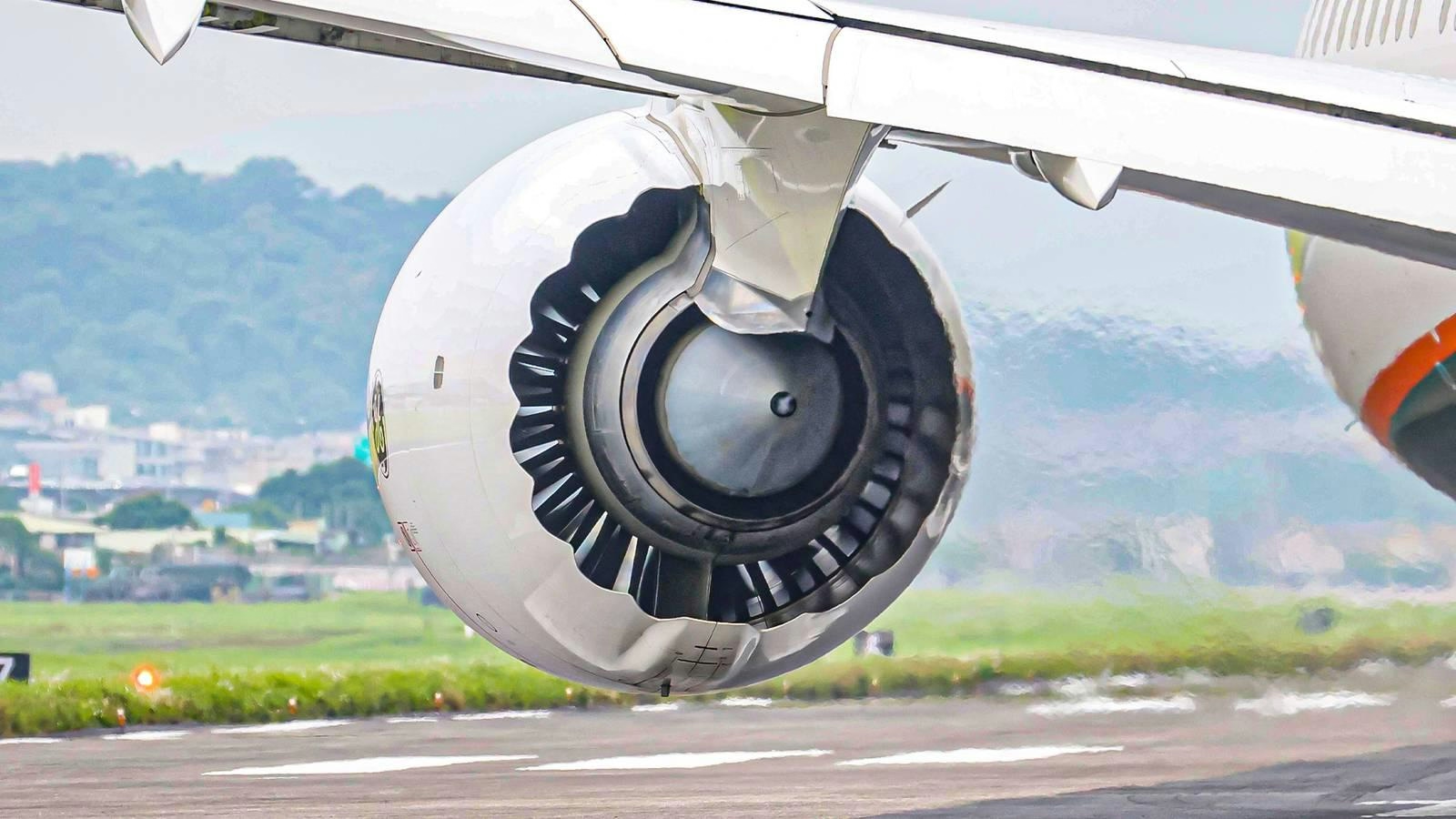
Issues Identified in Engines of Boeing 787, 747-8, and 737 MAX
Advances and Challenges in Engine Design
Modern commercial jet engines stand as some of the most sophisticated engineering achievements in aviation, delivering notable improvements in noise reduction, fuel efficiency, and emissions compared to earlier models. Boeing has been at the forefront of these innovations, particularly with the introduction of engine chevrons—serrated edges on the nacelles of engines fitted to aircraft such as the 787 Dreamliner and 747-8. These chevrons were engineered to reduce noise by smoothing the mixing of exhaust gases with ambient air, resulting in quieter operations during takeoff and landing. However, this acoustic advantage came with a trade-off, as the altered airflow caused a slight decrease in engine efficiency, marginally affecting thrust and fuel consumption.
While Boeing initially promoted the use of chevrons, Airbus opted against incorporating this technology in its aircraft, citing concerns over the balance between noise reduction and engine performance. Over time, Boeing itself reassessed the widespread application of chevrons, choosing to exclude them from its newest aircraft models in favor of alternative noise mitigation methods that do not compromise efficiency.
Technical Setbacks and Regulatory Developments
Beyond design considerations, Boeing has encountered technical difficulties with its latest engines. The GE9X engine, developed for the forthcoming 777-9, has experienced durability issues significant enough to halt aircraft deliveries temporarily. This pause highlights the inherent complexities in developing next-generation propulsion systems that must satisfy rigorous reliability and performance criteria.
In a positive regulatory development, the Federal Aviation Administration (FAA) has reinstated Boeing’s full authority to issue airworthiness certificates for both the 737 MAX and 787 models. This restoration reflects renewed confidence in Boeing’s quality control and manufacturing standards. The market has responded favorably to this decision, anticipating increased aircraft deliveries and a strengthened competitive position for Boeing.
Market Implications and Industry Outlook
Although competitors have yet to respond decisively to Boeing’s recent progress, industry analysts suggest that resolving engine and certification challenges could bolster Boeing’s standing relative to rivals such as Airbus. As Boeing continues to navigate technical and regulatory hurdles, its capacity to innovate while upholding safety and efficiency standards will be critical to sustaining its leadership in the commercial aviation sector.

Etihad Airways Suspends Airbus A380 Flights on Key Route

Aditya Birla Group Seeks Approval for Aircraft Leasing in GIFT City

Qatar Airways Highlights Innovation and Connectivity at Arabian Travel Market 2026

Hong Kong's Five-Year Plan Includes Andrew Fan's Aircraft Parts Processing Hub Proposal

ACIA Aero Leasing Delivers ATR72-600 to Air Nostrum

RTX Appoints Jill Albertelli as Head of Pratt & Whitney

TAT Technologies Joins Beyond Aero Hydrogen Aircraft Program

AURAK Study Highlights Barriers to Air Taxi Adoption in Emerging Economies

Xiamen Air Selects Altitude for 787 Maintenance at Heathrow

Etihad and Swissport Extend Global Partnership
