
Orchestrer les insights d’IA pour les transformer en actions

Tendances
Categories
NASA Introduces New Wind Tunnel Technology
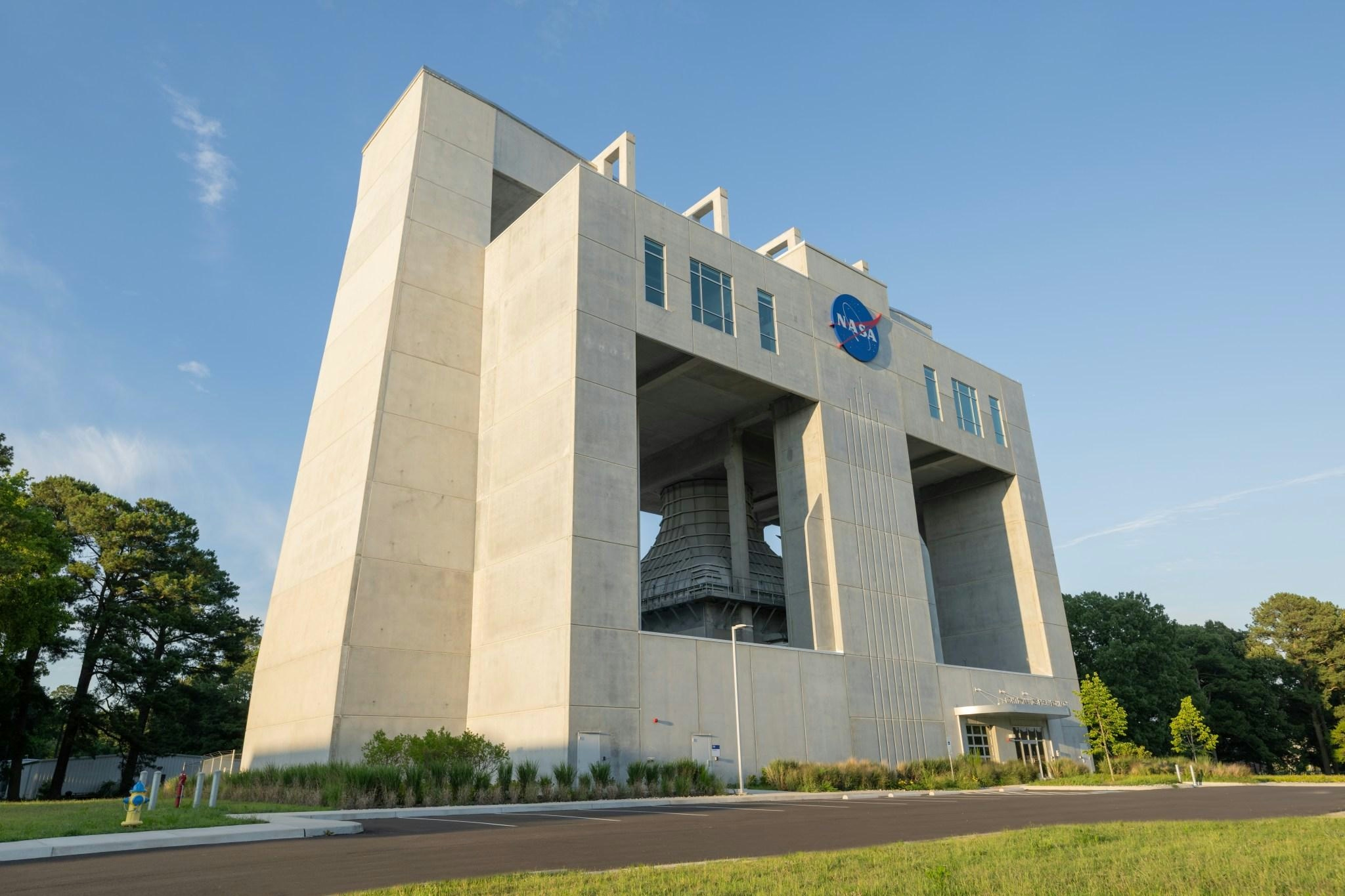
NASA Unveils Advanced Wind Tunnel Technology at Langley Research Center
NASA has inaugurated its first major wind tunnel facility in over forty years at the Langley Research Center in Hampton, Virginia, marking a significant advancement in aeronautics research. The newly established Flight Dynamics Research Facility (FDRF) is designed to replace two of NASA’s longest-serving wind tunnels—the 12-Foot Low-Speed Tunnel and the 20-Foot Vertical Spin Tunnel—signaling a new chapter in flight dynamics testing.
Innovative Capabilities and Research Potential
The FDRF boasts a combination of features unparalleled by any other single facility worldwide. According to Mike Fremaux, retired chief engineer for NASA Langley’s Intelligent Flight Systems division, the facility’s high-performance vertical wind tunnel and expansive test section will enable a broad spectrum of experiments. These range from spin testing of aircraft to free-flight evaluations of vehicles intended for atmospheric re-entry. Scheduled to become operational later this year, the FDRF’s design allows models to be dropped into a rising vertical airflow, effectively simulating real-world flight conditions. This capability is expected to support critical research across NASA’s aeronautics, science, and space exploration missions.
Context Within the Evolving Aerospace Sector
The introduction of the FDRF arrives at a pivotal moment for the aerospace industry. As private companies such as SpaceX prepare for high-profile initial public offerings, NASA’s technological advancements may influence market dynamics and competitive strategies. The anticipated success of SpaceX’s IPO could establish benchmarks for other technology-driven public offerings, including those from firms like Anthropic and OpenAI, potentially shaping investor sentiment and valuations throughout the sector.
Furthermore, NASA’s shifting role in space exploration is highlighted by its planned transition from the International Space Station to commercial successors by 2030, as noted by the Government Accountability Office. This transition is expected to affect funding priorities and operational strategies, further intertwining public and private interests in space research and technology development.
Legacy and Future Prospects
The FDRF’s debut is deeply rooted in Langley’s longstanding tradition of innovation. Since 1939, the 12-Foot Low-Speed Tunnel has been instrumental in advancing aviation, contributing to studies on aircraft controllability and supporting the evolution from biplanes to supersonic jets. Its distinctive spherical design provided exceptional flexibility for testing free-flying models. Similarly, the 20-Foot Vertical Spin Tunnel has contributed decades of research on aircraft stability and control.
As NASA retires these historic facilities, the FDRF is positioned to drive the next generation of aerospace breakthroughs. Its state-of-the-art capabilities reaffirm NASA’s commitment to scientific excellence and reinforce the agency’s role as a key player in an increasingly competitive and commercially driven space industry.

Etihad and Swissport Extend Global Partnership

Sepehran Airlines B737 Returns to Mashhad After Tyre and Engine Issues

Etihad Deploys Widebody Fleet to Meet Strong Demand

Korean Air Finalizes $36.2 Billion Deal with Boeing
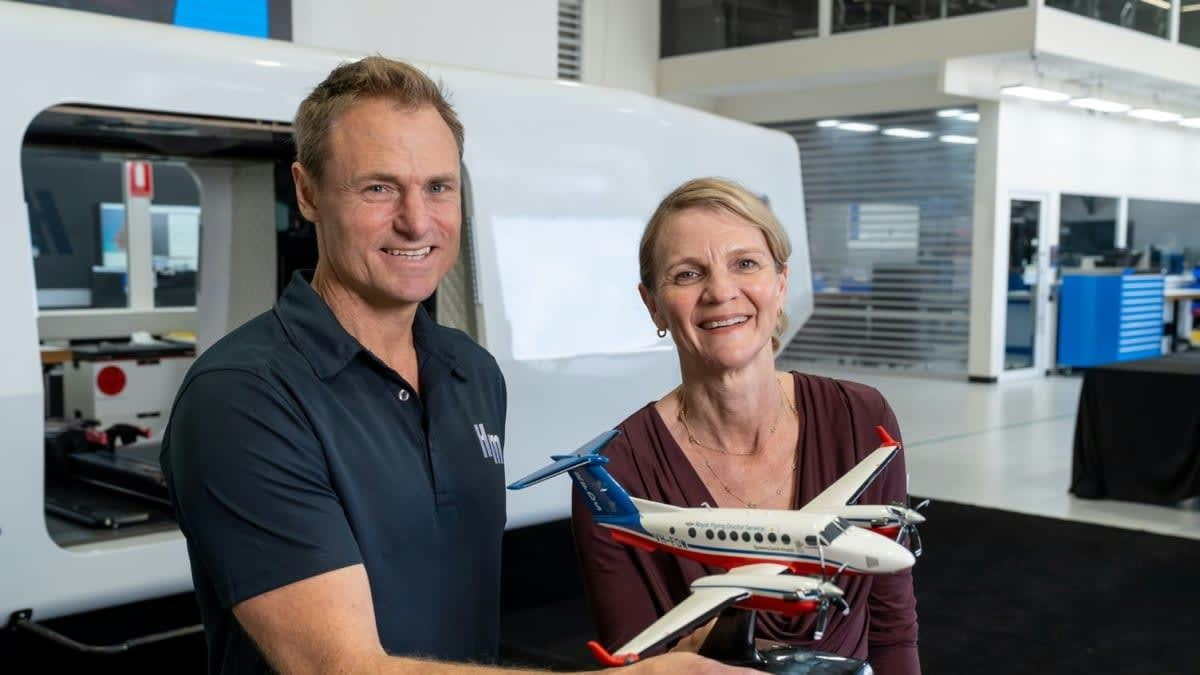
Australia’s RFDS Queensland Section Orders Six King Air 260Cs
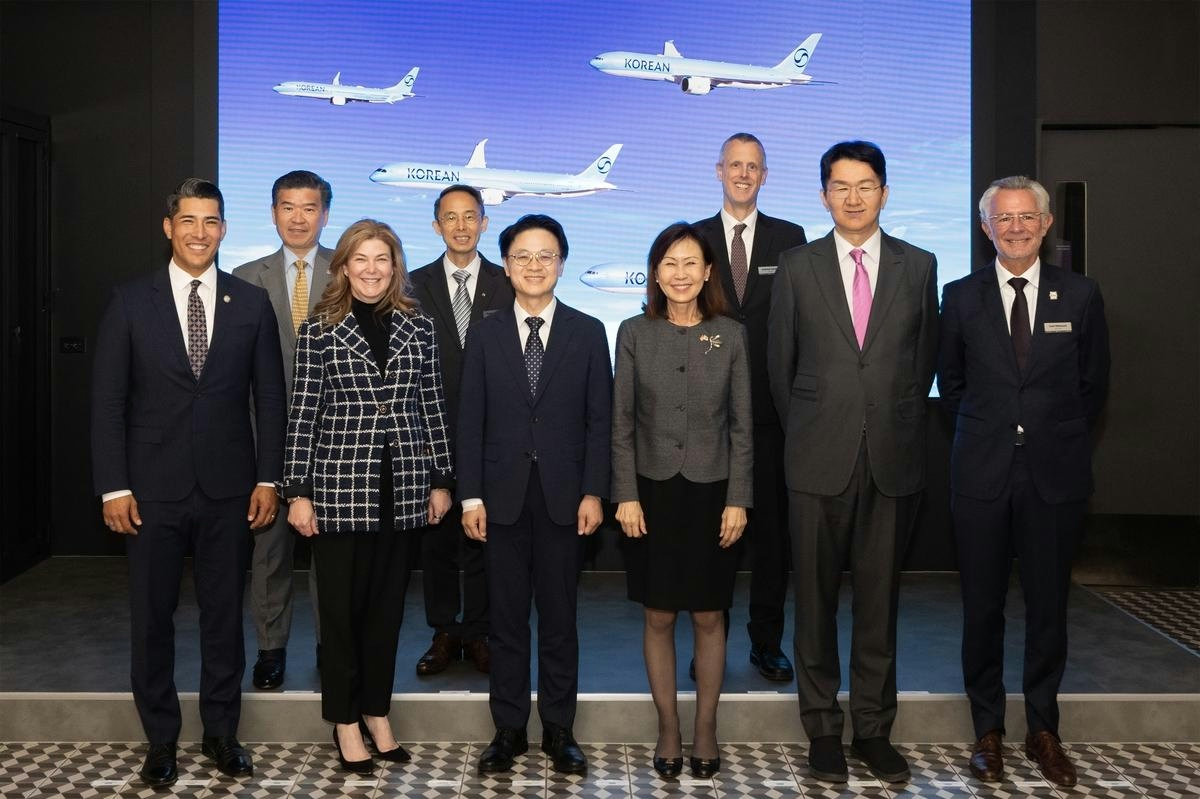
Korean Air Finalizes Order for 103 Boeing Jets and Engines
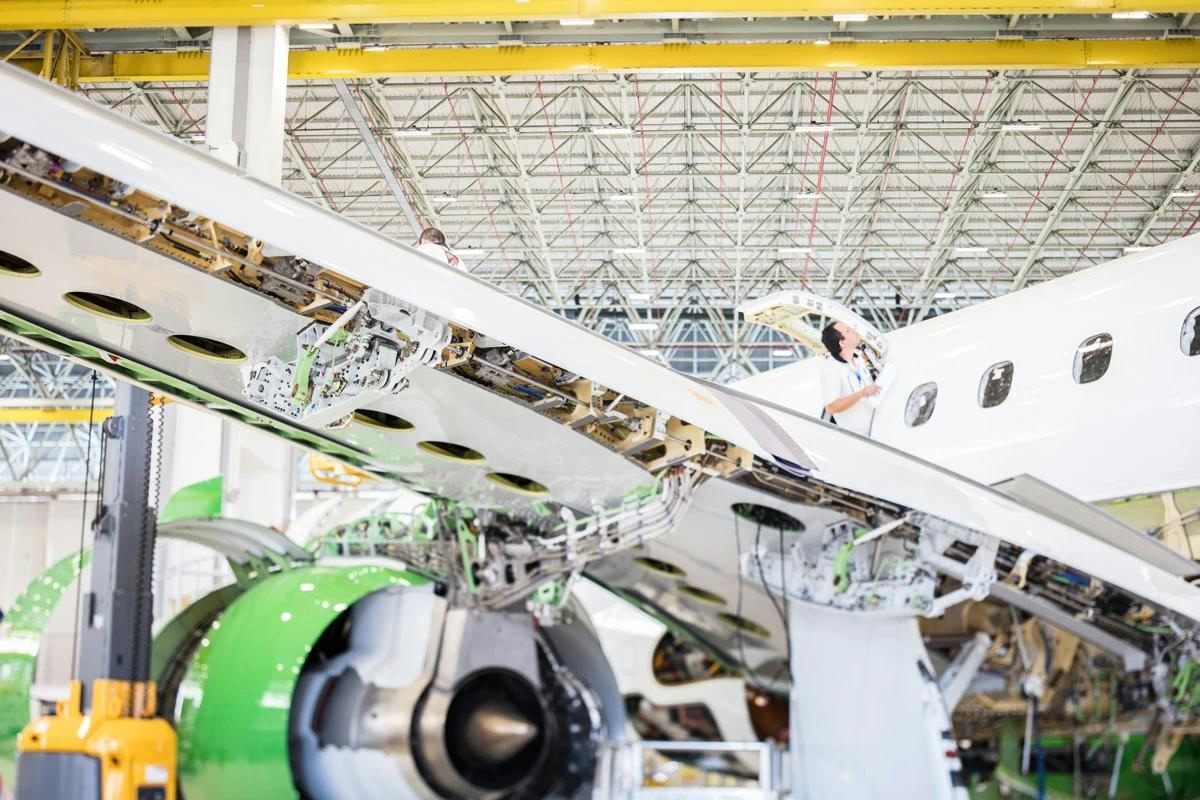
Embraer E195-E2 Features Distinctive Engine Placement Among Regional Jets
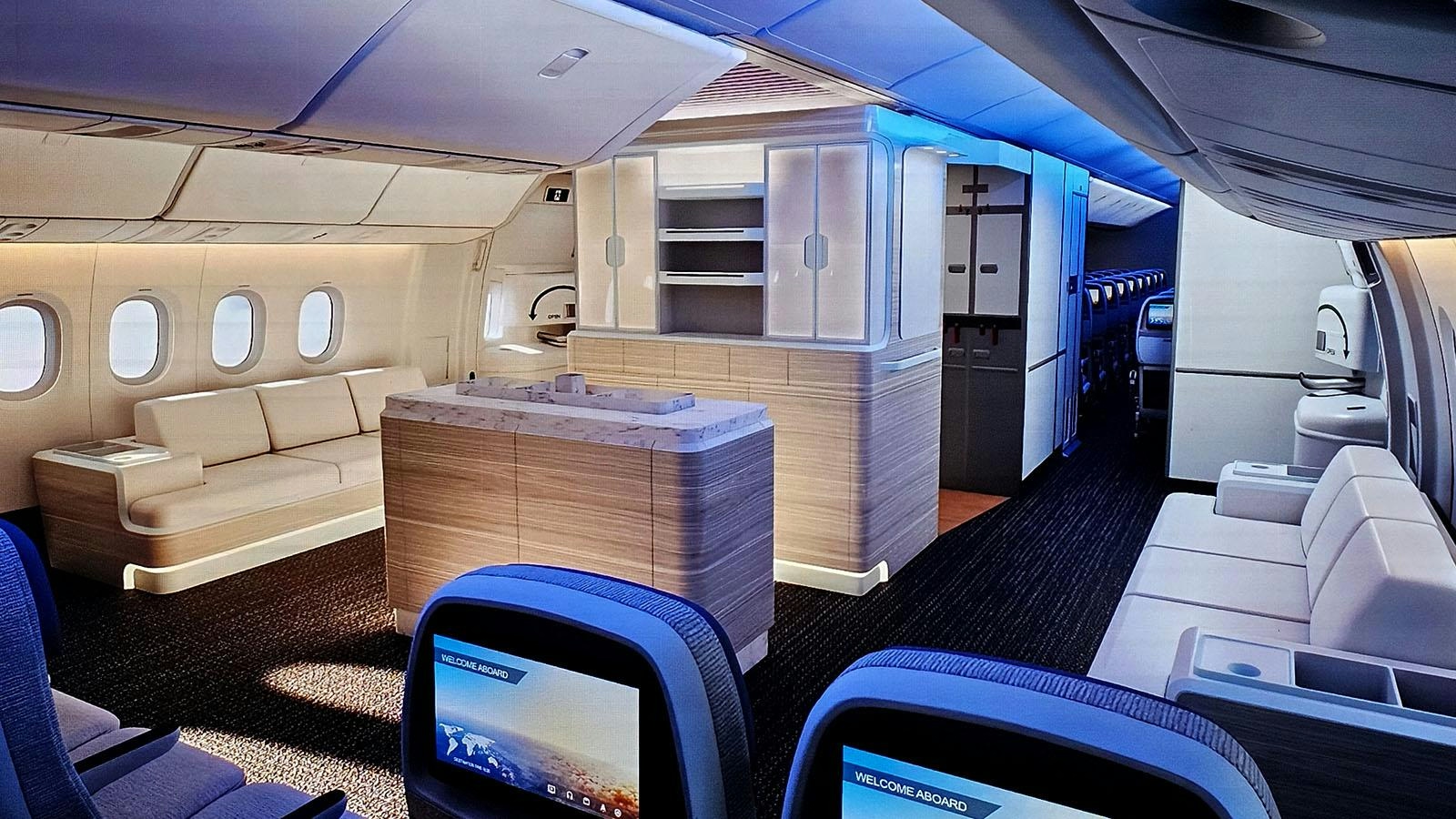
What Passengers Can Expect on Boeing’s New 777X Jet
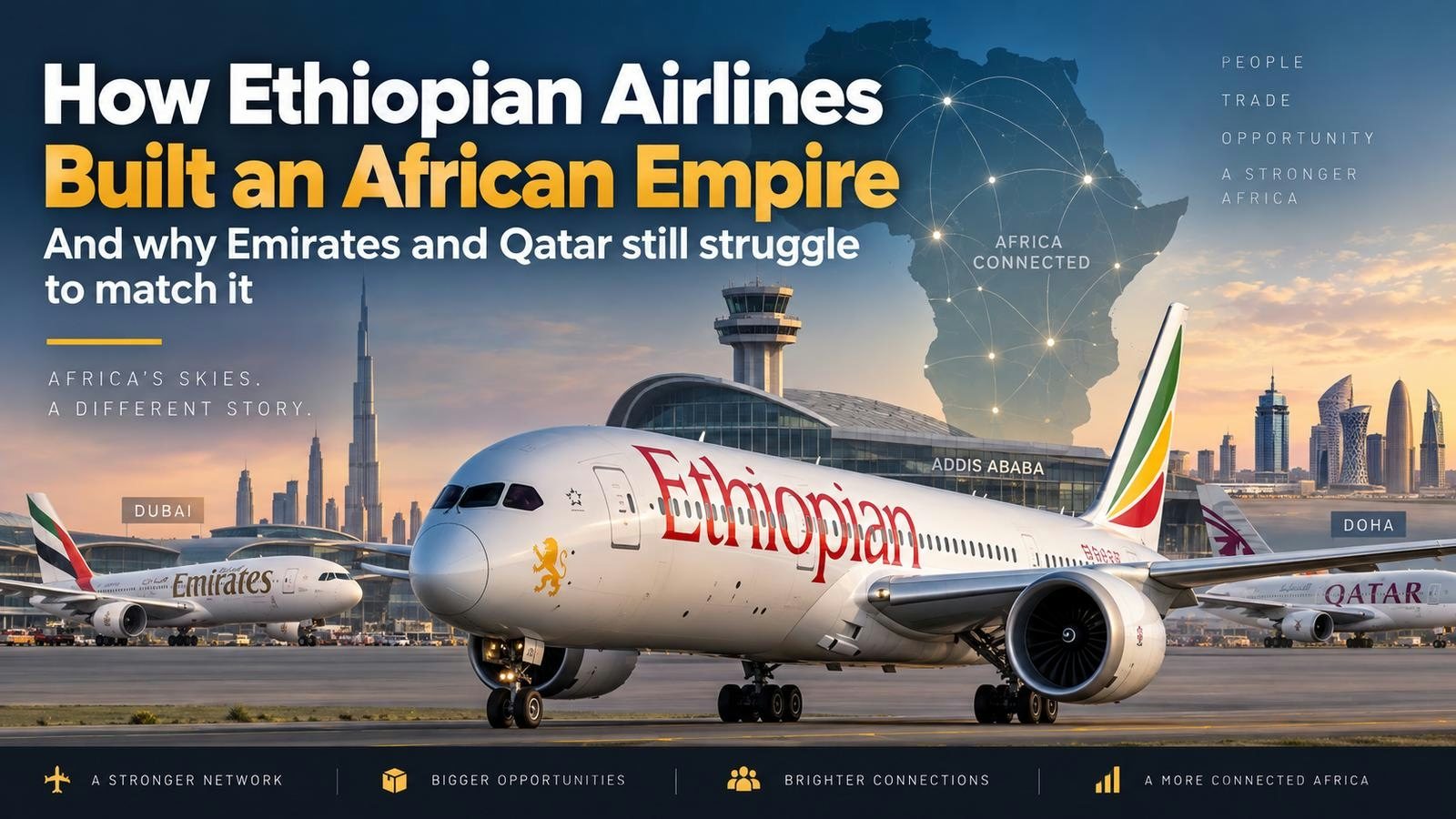
How Ethiopian Airlines Became Africa’s Leading Carrier Amid Gulf Competition
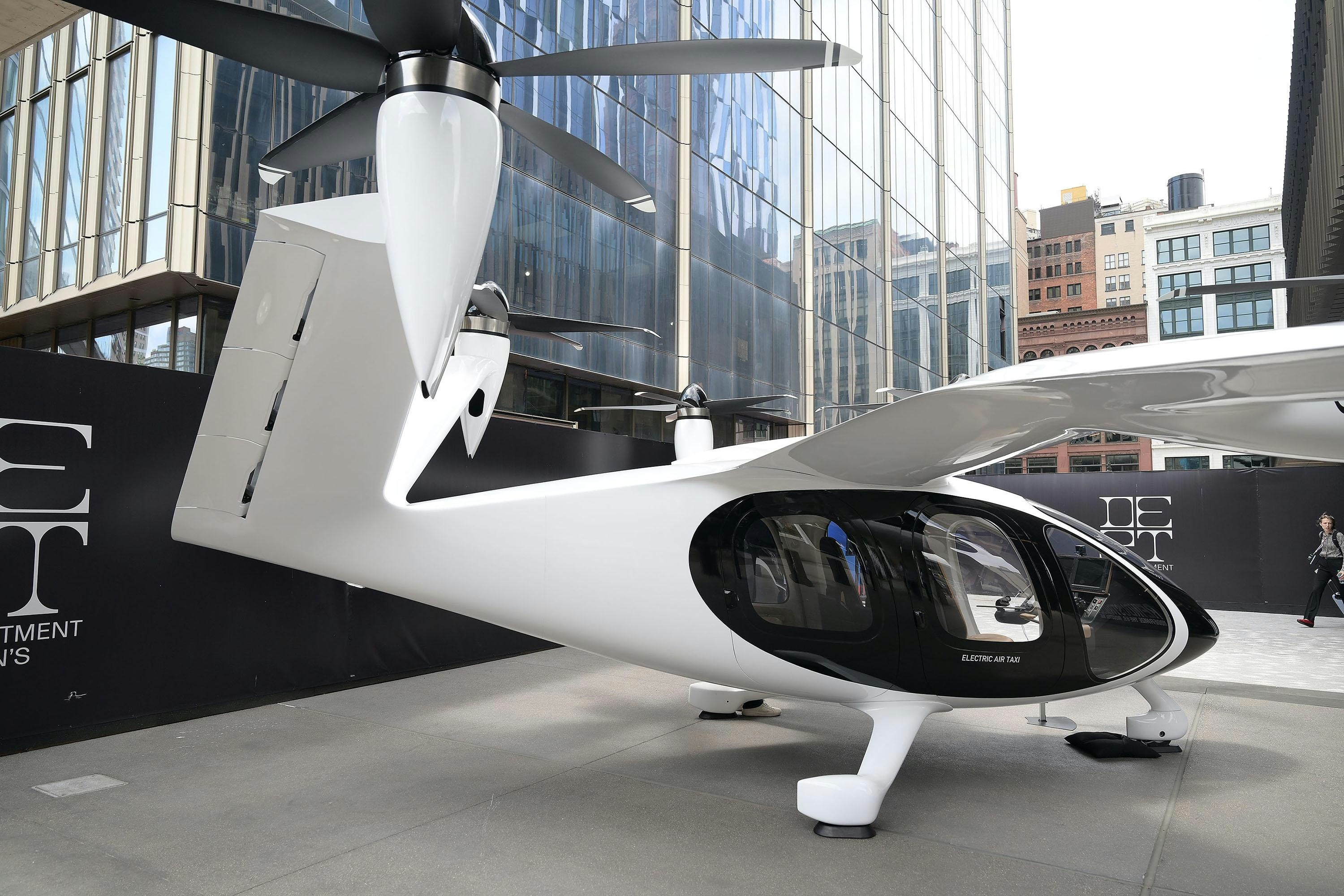
Joby Aviation Extends Autonomous Flight Capabilities with Cross-Country Tour
