
Orchestrer les insights d’IA pour les transformer en actions

Tendances
Categories
Russian Jet Loses Engine Part During Takeoff, Avoids Disaster
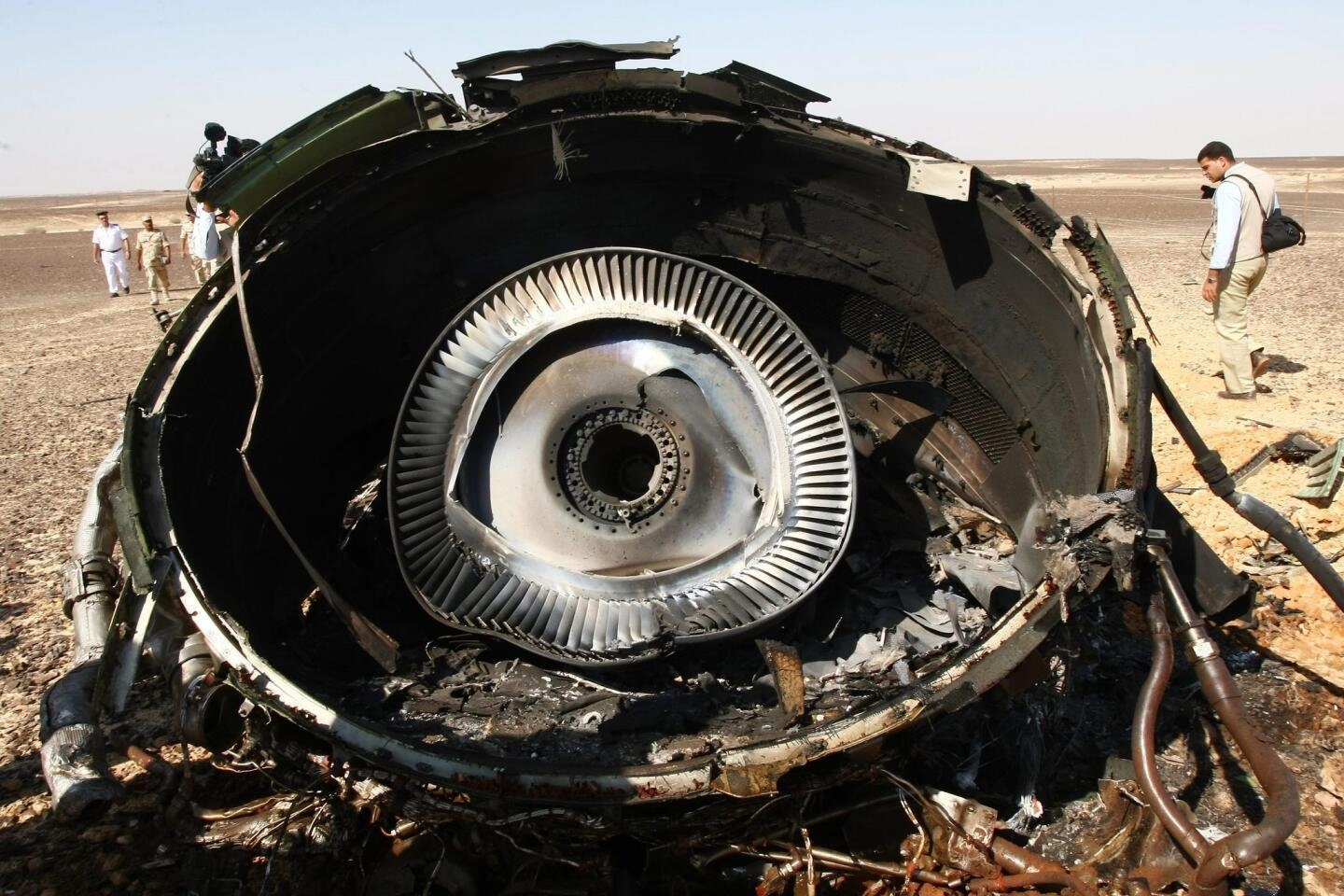
Russian Passenger Jet Loses Engine Component During Takeoff, Executes Emergency Landing
A Russian passenger aircraft narrowly averted disaster after losing a critical engine component during takeoff, necessitating an emergency return to Moscow’s Vnukovo Airport, according to local media reports.
The incident involved an Azimuth Airlines Superjet-100 flying from Moscow to Batumi, Georgia. Shortly after departure, the right engine’s cowling detached, prompting the flight crew to immediately request an emergency landing. Vnukovo Airport was placed on heightened alert as the aircraft circled back and landed safely. All passengers disembarked without injury.
Inspection Reveals Extensive Engine Damage Amid Industry Concerns
Video footage circulating on Russian social media showed engineers examining the damaged engine, which reportedly sustained harm on both sides. One technician described the scene as a “mess,” highlighting the severity of the malfunction. This event has intensified existing concerns about the reliability of Russia’s commercial aviation sector, which has been under pressure due to Western sanctions limiting access to spare parts for foreign-manufactured aircraft.
Azimuth Airlines experienced a comparable incident two years prior, when another Superjet-100 lost engine flaps during takeoff from Mineralnye Vody in southern Russia. The recurrence of such technical failures has drawn increased scrutiny toward Russian aerospace safety standards.
In the past week alone, Russian Telegram channels have reported at least seven aircraft encountering in-flight malfunctions or being grounded due to technical difficulties. Industry experts warn that the ongoing shortage of spare parts is adversely affecting operational safety across the sector.
Broader Implications for Russian Aviation Amid Sanctions
Sergei Chemezov, head of the state-owned defense conglomerate Rostec and a close ally of President Vladimir Putin, recently warned that Russian airlines may be compelled to retire a significant portion of their fleets. He estimated that at least 200 Western-built aircraft currently operated by Russian carriers will need to be replaced with domestically produced models by 2030, though the actual figure could be higher.
The latest emergency landing is expected to prompt increased scrutiny from aviation regulators and insurers. Insurance premiums for Russian carriers may rise, while investor confidence in the industry could be undermined. Competing aerospace manufacturers are likely to emphasize their own safety records and technological advancements, positioning their products as more reliable alternatives in the global market.
As Russia’s aviation industry continues to grapple with sanctions and supply chain disruptions, this incident underscores the mounting challenges confronting the country’s airlines and highlights the potential risks for passengers and operators alike.

Etihad Airways Suspends Airbus A380 Flights on Key Route

Aditya Birla Group Seeks Approval for Aircraft Leasing in GIFT City

Qatar Airways Highlights Innovation and Connectivity at Arabian Travel Market 2026

Hong Kong's Five-Year Plan Includes Andrew Fan's Aircraft Parts Processing Hub Proposal

ACIA Aero Leasing Delivers ATR72-600 to Air Nostrum

RTX Appoints Jill Albertelli as Head of Pratt & Whitney

TAT Technologies Joins Beyond Aero Hydrogen Aircraft Program

AURAK Study Highlights Barriers to Air Taxi Adoption in Emerging Economies

Xiamen Air Selects Altitude for 787 Maintenance at Heathrow

Etihad and Swissport Extend Global Partnership
