
Orchestrer les insights d’IA pour les transformer en actions

Tendances
Categories
Saudia to Receive 12 New Aircraft in 2026 as Part of Fleet Expansion
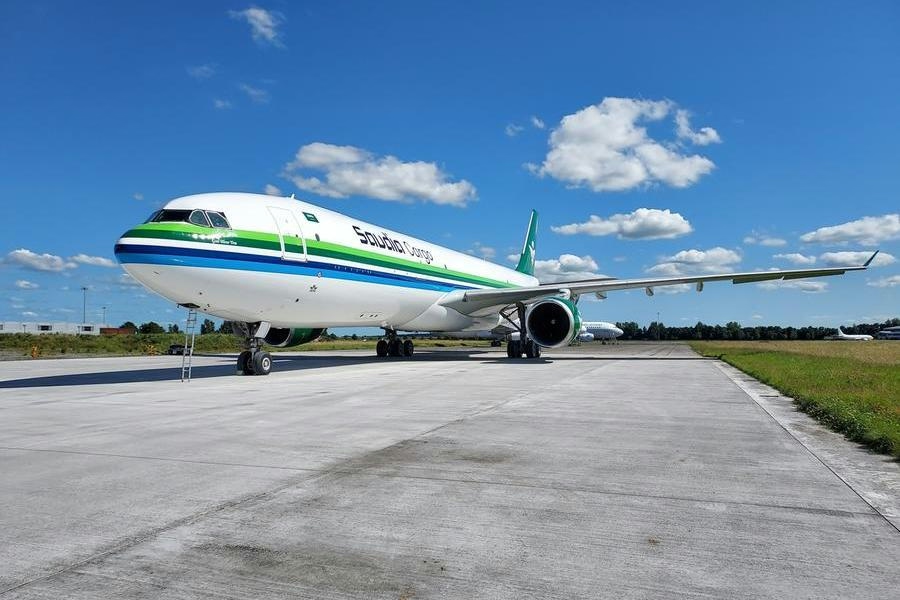
Saudia to Receive 12 New Aircraft in 2026 as Part of Fleet Expansion
Saudia, the national flag carrier of Saudi Arabia, is poised to enhance its fleet with the delivery of 12 new aircraft throughout 2026. This move represents a pivotal element of the airline’s long-term transformation strategy aimed at fostering growth, improving operational efficiency, and expanding global connectivity. By doing so, Saudia seeks to solidify its position as a prominent competitor in the dynamic international aviation market.
Fleet Modernization and Strategic Vision
The airline’s ongoing fleet modernization initiative is closely aligned with its commitment to meeting evolving passenger expectations and adhering to global aviation standards. Central to this effort is the integration of next-generation aircraft, notably the Airbus A321XLR and A321neo models. The A321neo, configured with 20 Business Class and 168 Guest Class seats, features upgraded cabin designs that prioritize passenger comfort and operational efficiency. Enhancements such as high-speed inflight connectivity and improved seating arrangements are intended to elevate the overall onboard experience.
Ibrahim Al-Omar, Director General of Saudia Group, highlighted the disciplined nature of the airline’s expansion strategy. He stated, “Saudia’s fleet expansion strategy reflects a disciplined approach to building the capacity, efficiency, and readiness needed for the airline’s next phase of growth. In a highly competitive aviation sector, modernising and growing the fleet must be guided by clear market insight, network requirements, and alignment with national priorities under Saudi Vision 2030.”
Operational Challenges and Regional Competition
Despite the ambitious expansion plans, Saudia faces several operational challenges, particularly in integrating new aircraft models like the A321XLR into its existing operations. This process demands meticulous planning, especially in areas such as crew training and operational preparedness. To address these needs, the airline has graduated new cohorts of pilots, cabin crew, and maintenance specialists through training programs that comply with international aviation standards. Additional training groups are currently underway to support the forthcoming aircraft deliveries, underscoring Saudia’s commitment to investing in national talent and enhancing local capabilities.
The regional aviation landscape is also evolving, with Saudia encountering intensified competition. Regional carriers such as Scoot are expanding their fleets with A320neo-family jets, while Middle Eastern rivals like Israir have recently inaugurated a long-haul route to New York using newly acquired A330 aircraft. These developments highlight the increasing competitive pressures and the imperative for Saudia to maintain its advantage through operational excellence and network adaptability.
Alignment with Saudi Vision 2030
Saudia’s fleet is projected to reach 161 aircraft by the end of the current year, reflecting the airline’s broader expansion strategy that supports the objectives of Saudi Vision 2030. This national framework emphasizes the development of new international destinations and the enhancement of the Kingdom’s global connectivity. As Saudia prepares to welcome 12 additional aircraft in 2026, its priorities remain focused on delivering an exceptional guest experience, strengthening operational performance, and reinforcing its role as a key connector between Saudi Arabia and the wider world.

Etihad Airways Suspends Airbus A380 Flights on Key Route

Aditya Birla Group Seeks Approval for Aircraft Leasing in GIFT City

Qatar Airways Highlights Innovation and Connectivity at Arabian Travel Market 2026

Hong Kong's Five-Year Plan Includes Andrew Fan's Aircraft Parts Processing Hub Proposal

ACIA Aero Leasing Delivers ATR72-600 to Air Nostrum

RTX Appoints Jill Albertelli as Head of Pratt & Whitney

TAT Technologies Joins Beyond Aero Hydrogen Aircraft Program

AURAK Study Highlights Barriers to Air Taxi Adoption in Emerging Economies

Xiamen Air Selects Altitude for 787 Maintenance at Heathrow

Etihad and Swissport Extend Global Partnership
