
Orchestrer les insights d’IA pour les transformer en actions

Tendances
Categories
SITA Introduces Bag Radar to Enhance Predictive Baggage Tracking
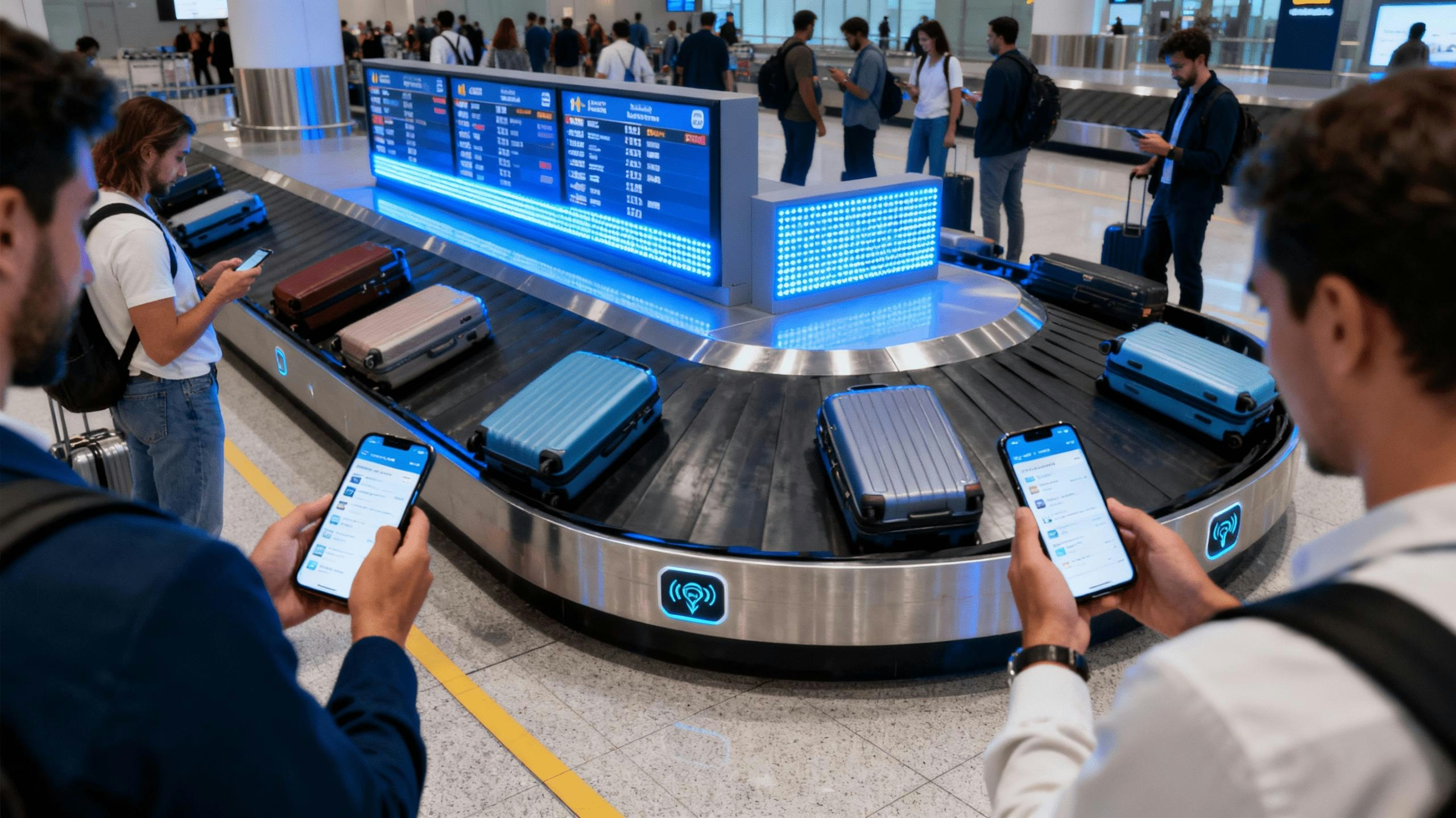
SITA Introduces Bag Radar to Enhance Predictive Baggage Tracking
The aviation sector is poised to make a substantial advancement in reducing baggage disruptions with the launch of SITA Bag Radar, a cloud-based analytics platform designed to predict and prevent mishandled luggage, missed connections, and operational bottlenecks in real time. As global air travel continues to grow, baggage mishandling remains a persistent issue, often leading to passenger dissatisfaction and significant financial costs for airlines.
From Reactive to Proactive Baggage Management
Historically, airlines have managed baggage issues reactively, addressing problems only after they have caused operational disruptions. SITA Bag Radar represents a strategic shift by employing historical data, real-time monitoring, and artificial intelligence to deliver early warnings of potential baggage disruptions. This proactive approach empowers airlines, airports, and ground handlers to intervene before issues escalate, thereby improving operational efficiency and enhancing the overall passenger experience.
Operational Mechanics of SITA Bag Radar
The platform processes extensive operational baggage data, transforming it into actionable insights. By detecting anomalies and emerging risks—such as patterns that suggest likely missed connections or congestion at transfer points—SITA Bag Radar enables operational teams to implement corrective measures, including rerouting baggage or reallocating resources. The objective is to mitigate disruptions before they affect travelers.
Persistent Challenges in Baggage Handling
Despite technological progress, baggage mishandling continues to be a challenge due to the complexity of global airline networks. Baggage frequently passes through multiple systems, handlers, and airports, with data often fragmented across disparate platforms. This fragmentation complicates efforts to maintain a comprehensive view of baggage movement, allowing delays and inefficiencies to escalate rapidly.
Integration and Industry Reception
The success of SITA Bag Radar depends on addressing several critical challenges. Integration with existing legacy baggage tracking systems used by airlines and airports is essential to ensure reliable, real-time insights. Additionally, the accuracy and consistency of data collected from diverse sources are vital for the effectiveness of predictive analytics. Privacy concerns also arise from real-time location tracking, necessitating stringent measures to safeguard data security and maintain passenger trust.
Industry response to Bag Radar has been mixed. Some airlines remain skeptical about the technology’s efficacy and the potential costs associated with its implementation. Meanwhile, competitors are expected to enhance their own baggage tracking solutions or develop alternative technologies to maintain competitive advantage.
Future Prospects
SITA Bag Radar signifies a major step toward embedding predictive intelligence within aviation operations, addressing a longstanding gap in baggage management. Should the challenges of integration and data quality be successfully navigated, the platform has the potential to establish a new benchmark for proactive baggage handling, reducing mishandling rates and improving the travel experience for millions of passengers worldwide.
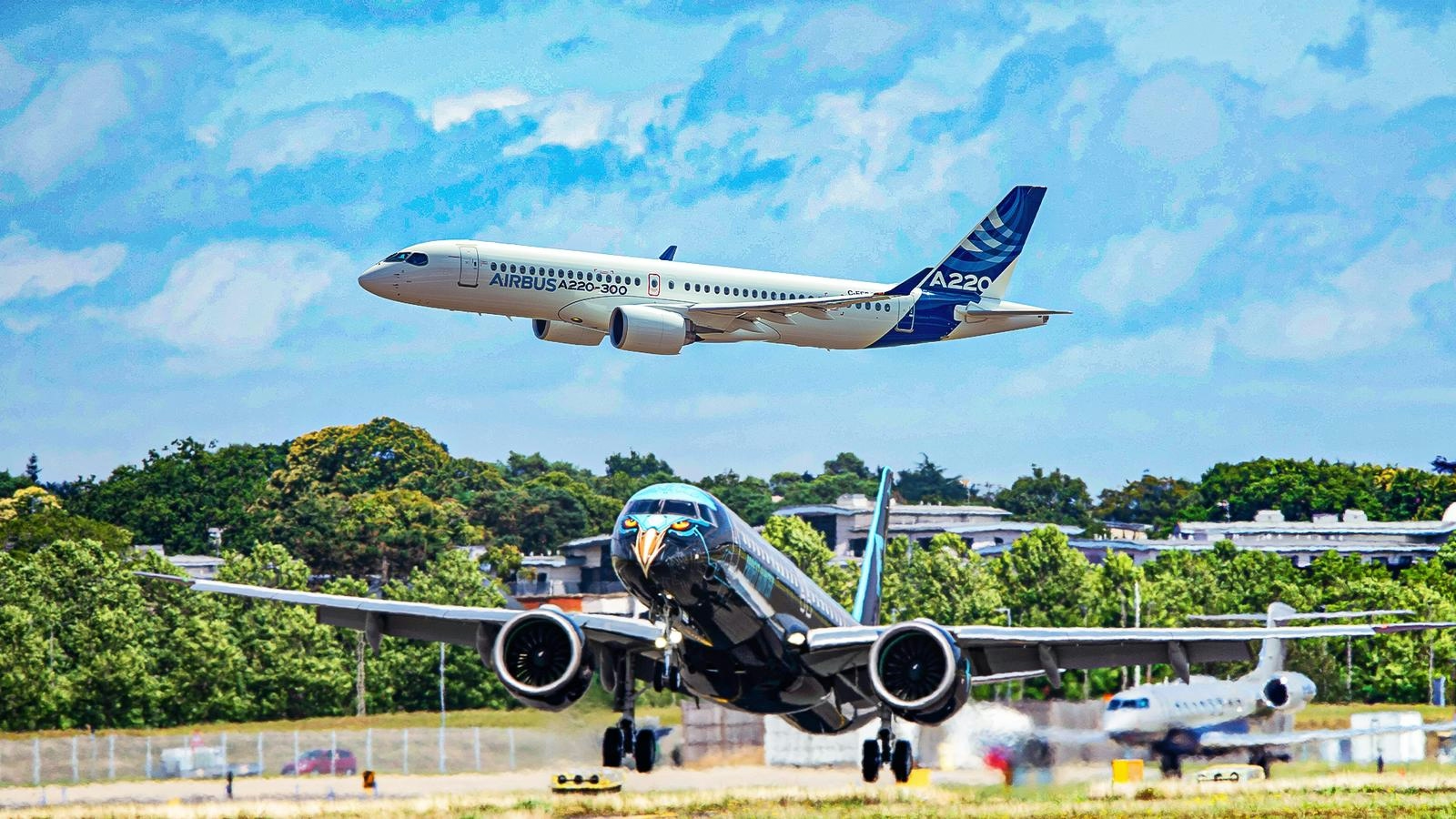
Embraer Delivers 2,000th E-Jet as Airbus A220 Seeks Market Share
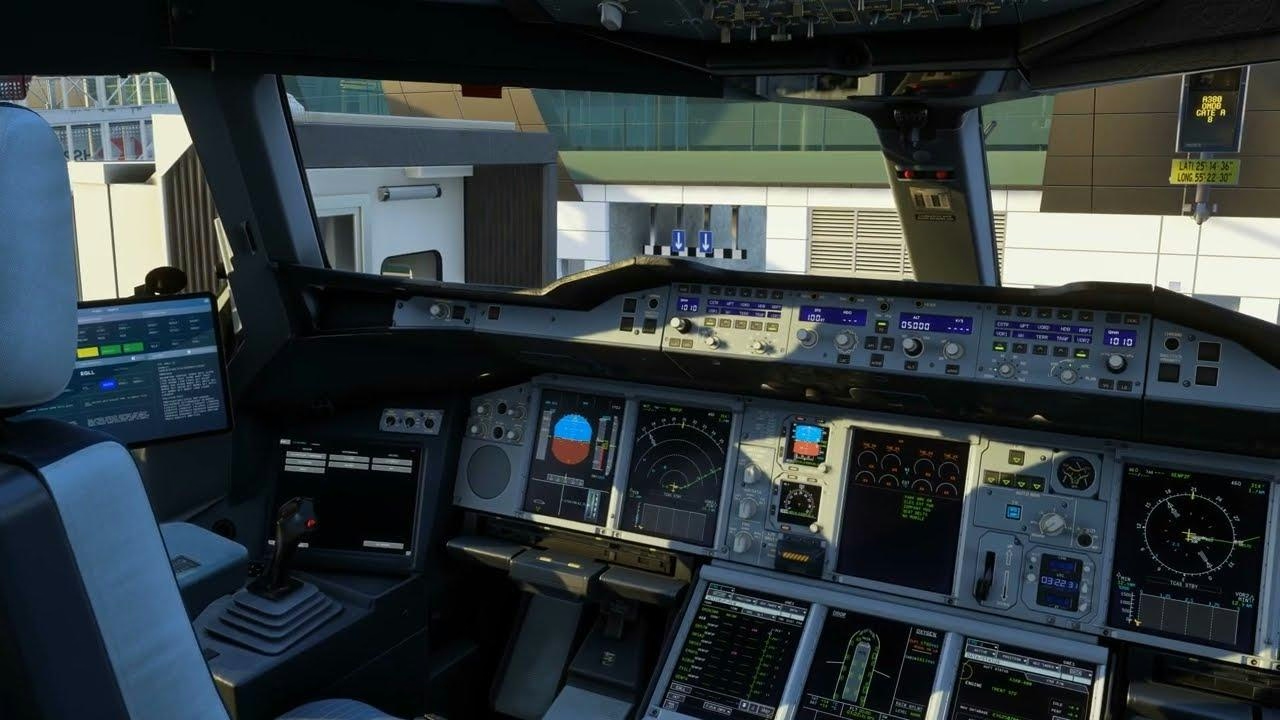
iniBuilds Releases Second In-Depth A380 Video
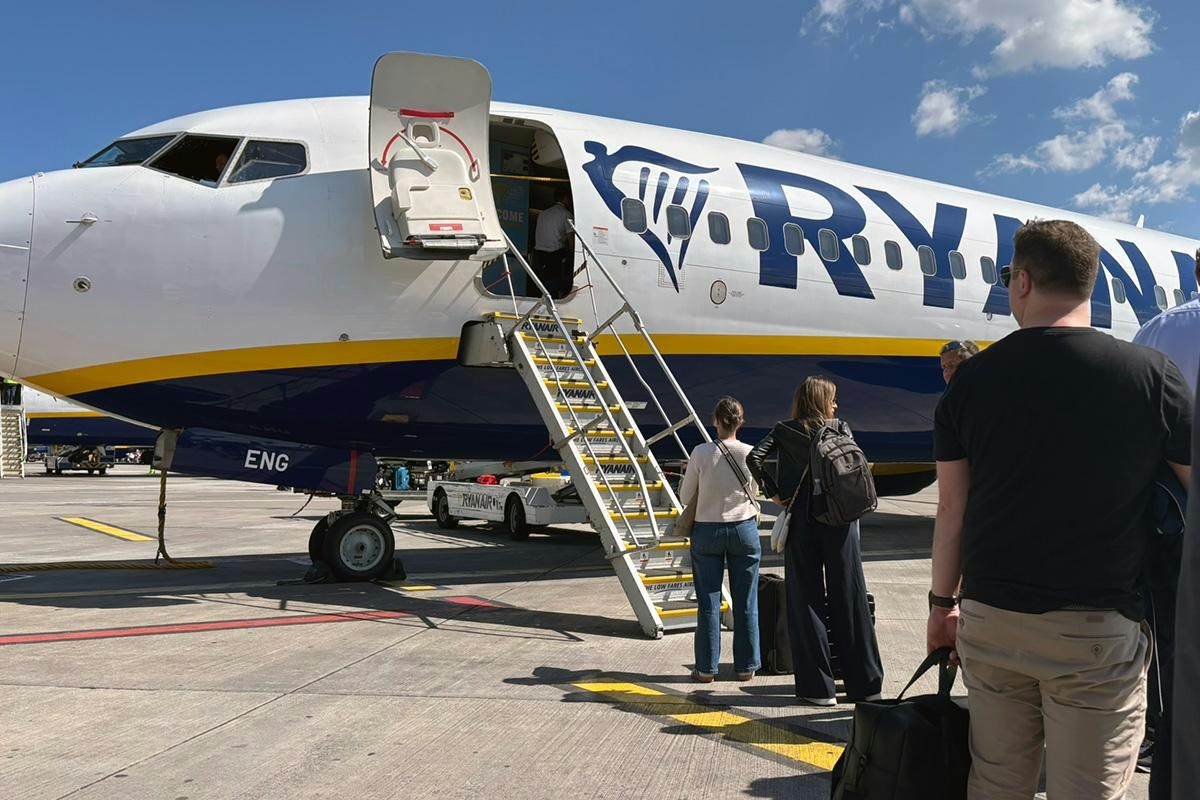
Ryanair and Alaska Airlines Apply AI to Operational Decision-Making

Digital Payments, AI, and Aviation Strengthen Philippines-India Relations
PlaneSense Suspends PC-12 Jet Card Sales
How AI Could Transform Bird-Strike Prevention for Business Aviation
American Airlines and Boeing Complete First 737 MAX Landing Gear Swap

Vietjet and Thales sign major MRO and AI deals in Paris
Etihad CEO Cites Aircraft Capacity as Limiting Factor Amid Growth in China and Africa
Artificial Intelligence Enters the Cockpit
