
Orchestrer les insights d’IA pour les transformer en actions

Tendances
Categories
The Future of Aviation in Africa Amid Digital Transformation

The Future of Aviation in Africa Amid Digital Transformation
Digital transformation is fundamentally altering industries across the globe, with the aviation sector experiencing profound shifts. In aerospace and defense, digitalisation has become indispensable for enhancing operational efficiency, accelerating product development, and managing increasingly complex systems. Despite substantial investments, many organisations struggle to achieve the anticipated return on investment (ROI). This challenge is particularly acute in African aviation, where limited financial and human resources intersect with intricate operational demands.
Siemens’ “Five Levels of Digital Transformation Maturity” provides a strategic framework that is especially relevant for African aviation stakeholders, notably airports, as they navigate this evolving landscape. The framework highlights that digital maturity extends beyond the mere adoption of new technologies; it requires a fundamental rethinking of organisational operations and value delivery.
Understanding Digital Transformation Maturity
Digital transformation maturity assesses the extent to which digital processes are embedded within an organisation. At its most basic, digitisation replaces manual or paper-based workflows with digital alternatives, improving efficiency without fundamentally changing operations. More advanced stages involve system integration, cross-functional data utilisation, and the deployment of sophisticated tools such as digital twins, advanced analytics, and automation to optimise decision-making and overall performance.
Siemens’ roadmap delineates five progressive stages, guiding organisations from isolated digital tools to fully integrated, intelligent, and adaptive enterprises. However, a Siemens-sponsored survey conducted across the Aviation Week network reveals that many aerospace companies remain in intermediate stages. While they have invested in technology, they often lack the organisational alignment and data integration necessary to unlock full value—a scenario that resonates strongly within African aviation.
African Aviation: Complexity, Constraints, and Opportunity
Airports represent some of the most complex business environments, functioning as ecosystems that encompass airlines, ground handlers, security agencies, regulators, retailers, and passengers. In Africa, this complexity is compounded by infrastructure deficiencies, fragmented legacy systems, and constrained budgets. Unlike major global hubs, many African airports operate with small IT teams and limited capital expenditure, yet they face comparable expectations regarding safety, security, punctuality, and passenger experience.
The future of aviation in Africa will be shaped by several critical challenges and opportunities. Upgrading both physical and digital infrastructure remains a pressing priority, as many airports require modernised systems to support digital transformation initiatives. Regulatory harmonisation across countries is essential to facilitate seamless operations and technological integration, particularly as initiatives like the Single African Air Transport Market (SAATM) gain momentum. Furthermore, integrating new digital tools with existing legacy systems presents a complex but necessary task to achieve higher levels of digital maturity.
Pathways to Progress: Applying the Maturity Model
For African airports and aviation authorities, Siemens’ maturity model offers a pragmatic, incremental approach. Initial efforts should concentrate on standardising and digitising core processes such as asset management, maintenance scheduling, and passenger flow monitoring. Advancing to intermediate stages involves integrating these systems to enable data sharing across departments, thereby enhancing visibility into costs, performance, and capacity constraints.
While advanced maturity levels—such as predictive analytics and digital twins—may appear ambitious, they are increasingly attainable and relevant. Predictive maintenance, for instance, can enable airports to anticipate equipment failures and optimise resource allocation, thereby improving operational resilience.
Market and Competitive Dynamics
Market responses to digital transformation are already evident. Initiatives like SAATM and visa reforms are stimulating increased intra-African travel demand. In turn, competitors are enhancing regional connectivity and leveraging digital tools to improve operational efficiency and customer experience.
Ultimately, the trajectory of African aviation will hinge on the sector’s capacity to navigate digital transformation strategically. Success will require balancing ambition with pragmatism and harnessing technology to deliver safer, more efficient, and more connected air travel across the continent.
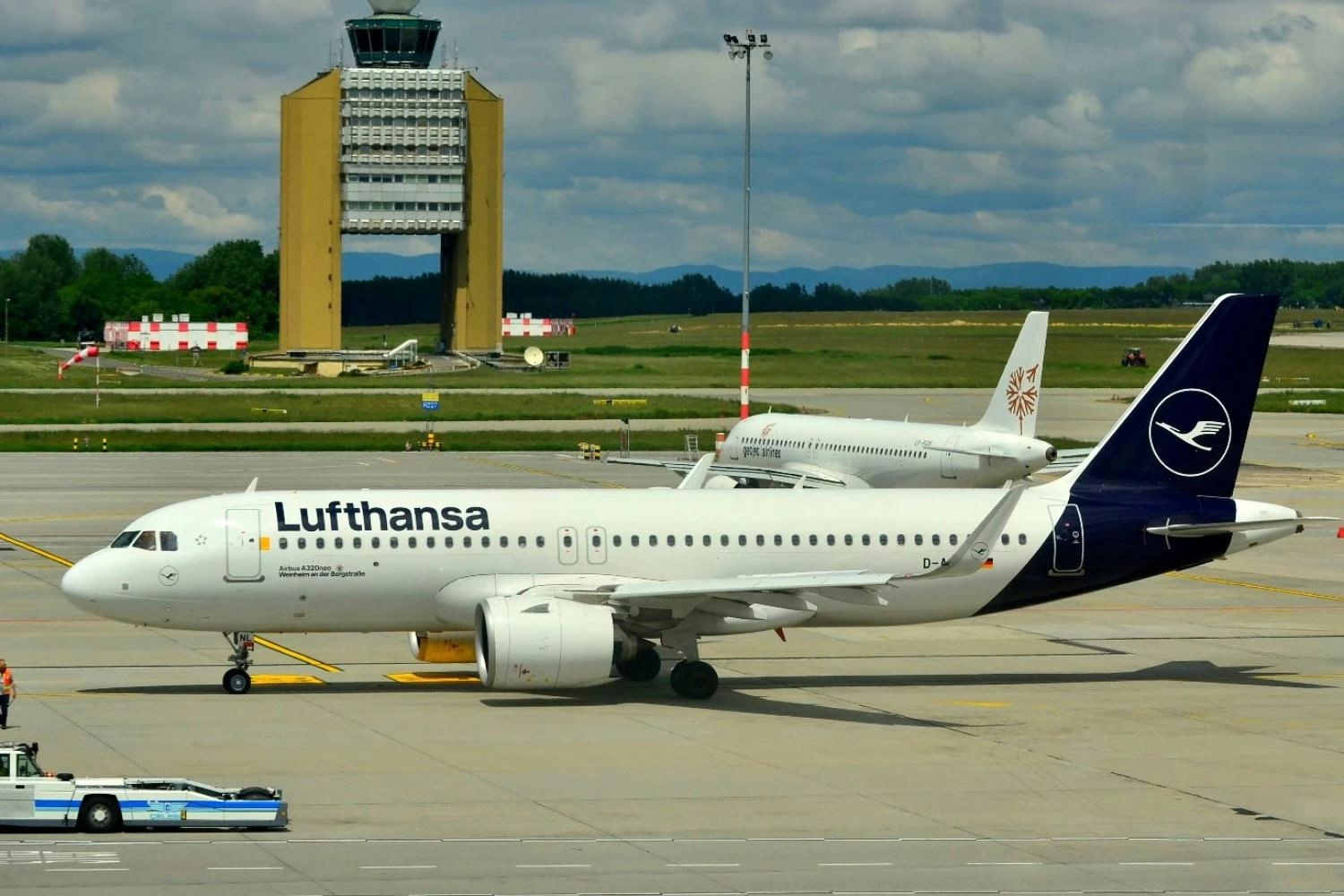
Airbus Projects Demand for 42,060 Aircraft by 2045

Boeing Enhances Range of 777-8 and 777-9 to Boost Long-Haul Travel

Bahir Dar University and Boeing Open Aviation Innovation Center

A Retrospective on 50 Years of Commercial Aviation

UK Airlines Shift A380 Operations to Maldives
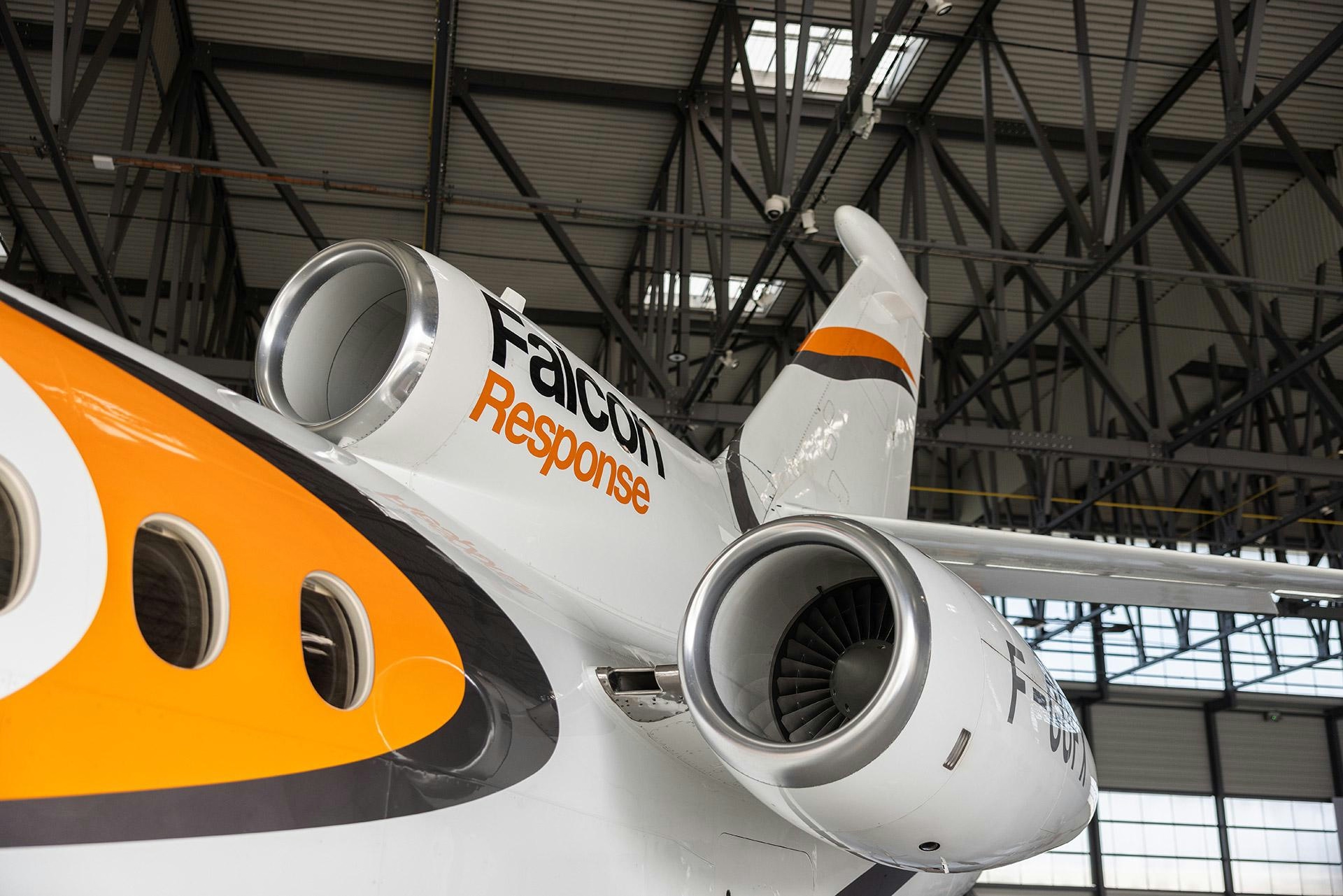
SAS Acquires Falcon 900EX for Aftermarket Teardown
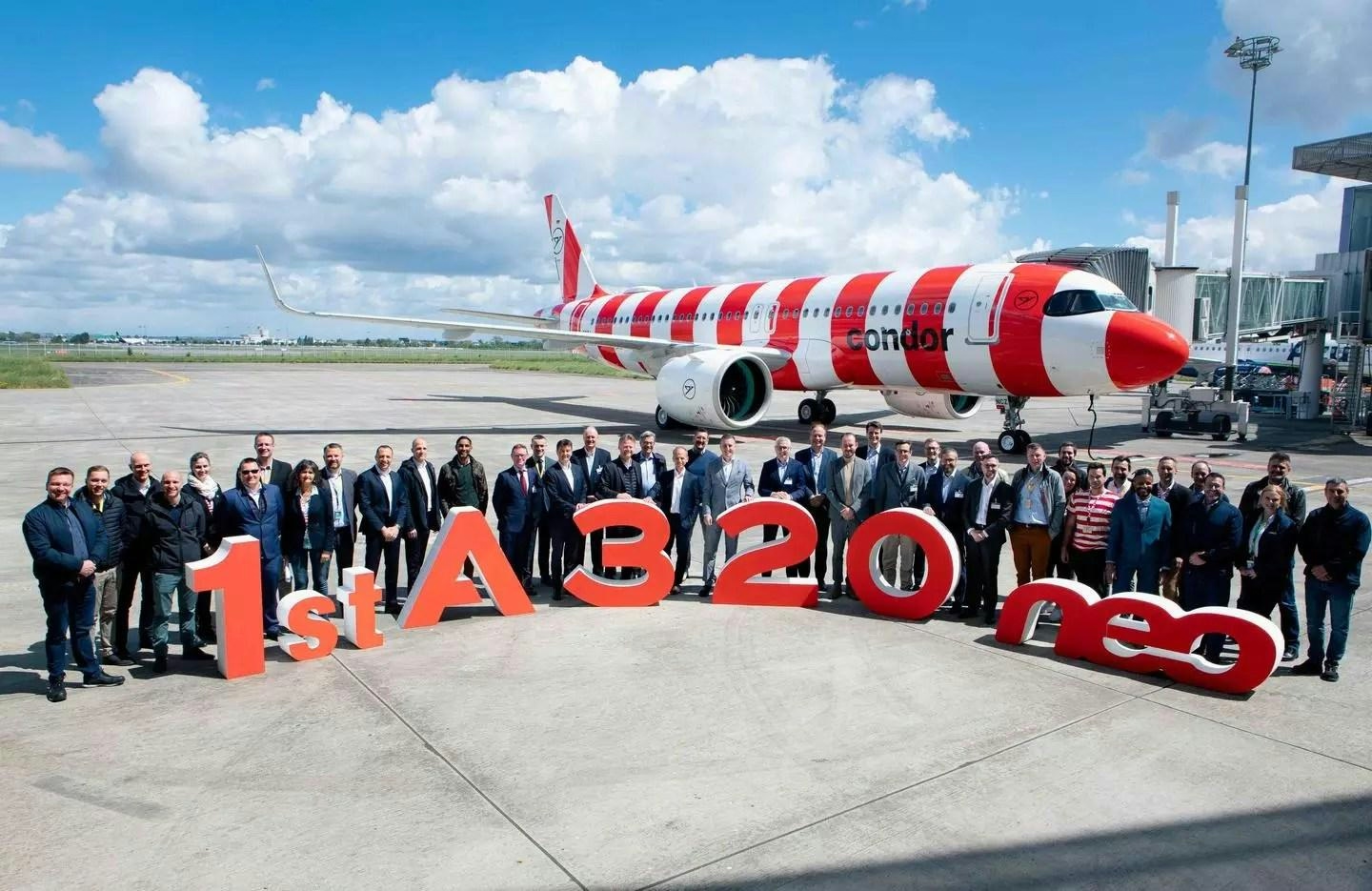
Airbus Books 40 New Orders for A320neo Jets in First Half

June Parts Demand Highlights Emerging Supply Pressures
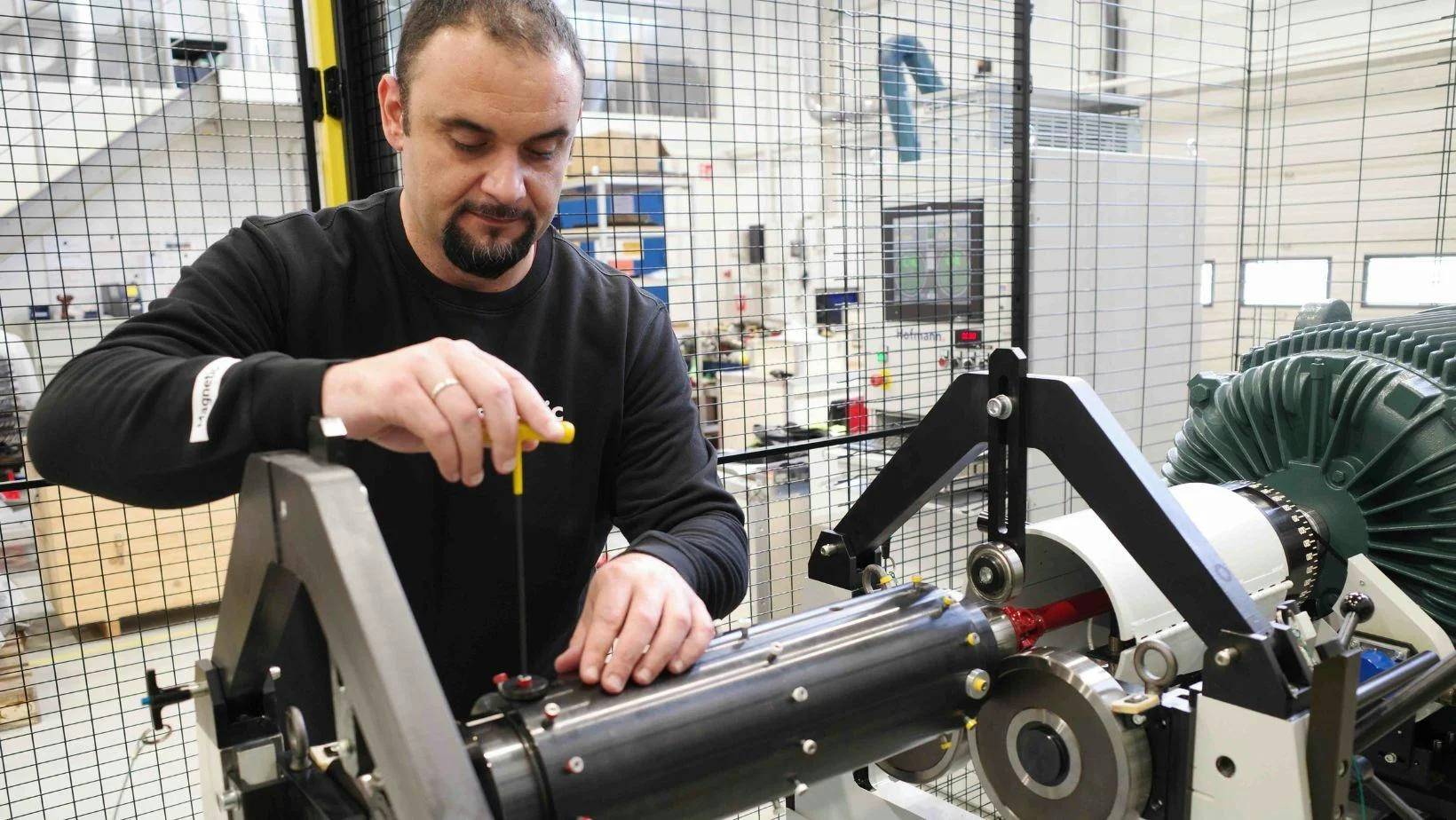
Magnetic Engines Takes CFM56 Rotor Balancing In-House
Hidden Monopoly Behind Rising Airfares Revealed
