
Orchestrer les insights d’IA pour les transformer en actions

Tendances
Categories
United Airlines Anticipates Airbus A321XLR Deliveries for 2027 Europe Expansion
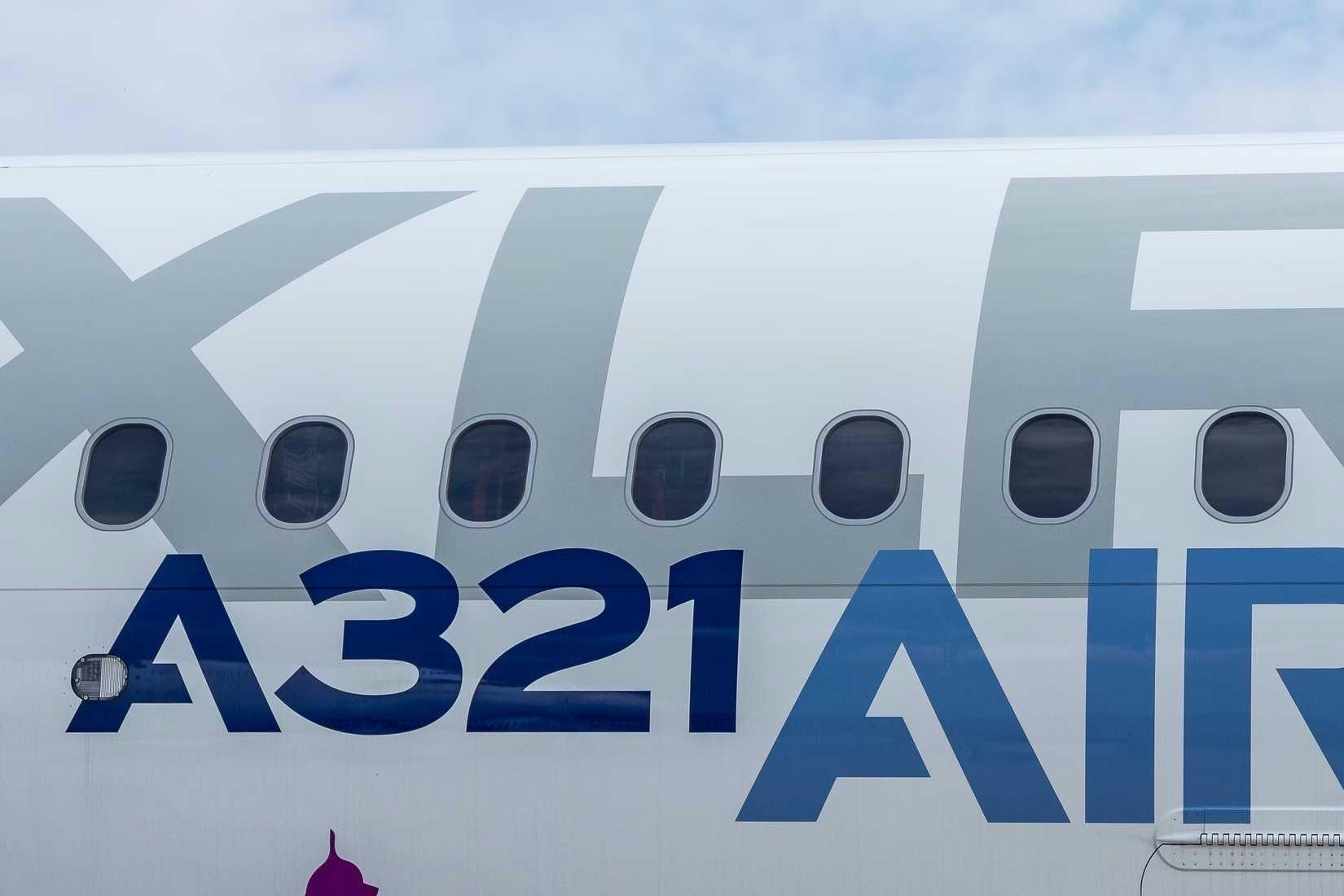
United Airlines Plans Major European Expansion with Airbus A321XLR Deliveries in 2027
United Airlines is preparing for a significant expansion of its European network in 2027, anchored by the anticipated delivery of Airbus A321XLR aircraft. The Chicago-based carrier intends to deploy the long-range, single-aisle jets on five new transatlantic routes, including destinations such as Luxembourg, Ibiza, and Toulouse. This expansion forms part of United’s largest international growth initiative to date, which will see the airline add service to ten new cities across Europe and Asia.
Navigating Production Challenges and Fleet Modernization
Patrick Quayle, United’s senior vice president of global network planning and alliances, acknowledged ongoing challenges with the A321XLR program, citing industry-wide production and supply chain constraints that have delayed deliveries for multiple airlines. Despite these setbacks, Quayle expressed confidence that United will receive a sufficient number of aircraft to support its planned schedule. The airline originally ordered the A321XLR in 2019 and aims to commence international service with the aircraft on December 1, 2026, launching flights from Washington Dulles to Amsterdam and Dublin.
The A321XLR plays a pivotal role in United’s strategy to phase out its aging Boeing 757 fleet, offering enhanced fuel efficiency and extended range. As the new jets enter service, United is revising its fleet plans to accommodate potential manufacturer delays and to address the high labor costs associated with integrating new aircraft into its operations.
Market Impact and Competitive Dynamics
The A321XLR’s capability to operate profitable transatlantic routes with fewer seats than traditional widebody aircraft could disrupt the established hub-and-spoke model, intensifying competition on secondary routes in Europe and South America. This development presents a competitive challenge to Boeing, which currently lacks a comparable mid-range aircraft offering. United’s aggressive expansion may also attract regulatory scrutiny and pose logistical challenges as the airline manages fleet integration and secures route approvals.
The expansion coincides with robust demand for European travel, which United expects to remain strong well into the autumn months. Quayle noted that flight schedules are no longer being reduced as sharply following the U.S. Labor Day holiday, with viable service extending into October and November. Other carriers, including Air Canada, have reported record revenue projections for September and October, driven by premium travelers seeking to avoid peak summer crowds and extreme heat. United itself reported no decline in European travel demand this summer, underscoring the strength of the market.
While Airbus production delays have also affected the entry into service of United’s A321neo Coastliner fleet—intended for premium transcontinental flights—the airline continues to adapt its fleet and network strategies to maintain a competitive edge in the evolving transatlantic market.

Etihad Airways Suspends Airbus A380 Flights on Key Route

Aditya Birla Group Seeks Approval for Aircraft Leasing in GIFT City

Qatar Airways Highlights Innovation and Connectivity at Arabian Travel Market 2026

Hong Kong's Five-Year Plan Includes Andrew Fan's Aircraft Parts Processing Hub Proposal

ACIA Aero Leasing Delivers ATR72-600 to Air Nostrum

RTX Appoints Jill Albertelli as Head of Pratt & Whitney

TAT Technologies Joins Beyond Aero Hydrogen Aircraft Program

AURAK Study Highlights Barriers to Air Taxi Adoption in Emerging Economies

Xiamen Air Selects Altitude for 787 Maintenance at Heathrow

Etihad and Swissport Extend Global Partnership
