
Orchestrer les insights d’IA pour les transformer en actions

Tendances
Categories
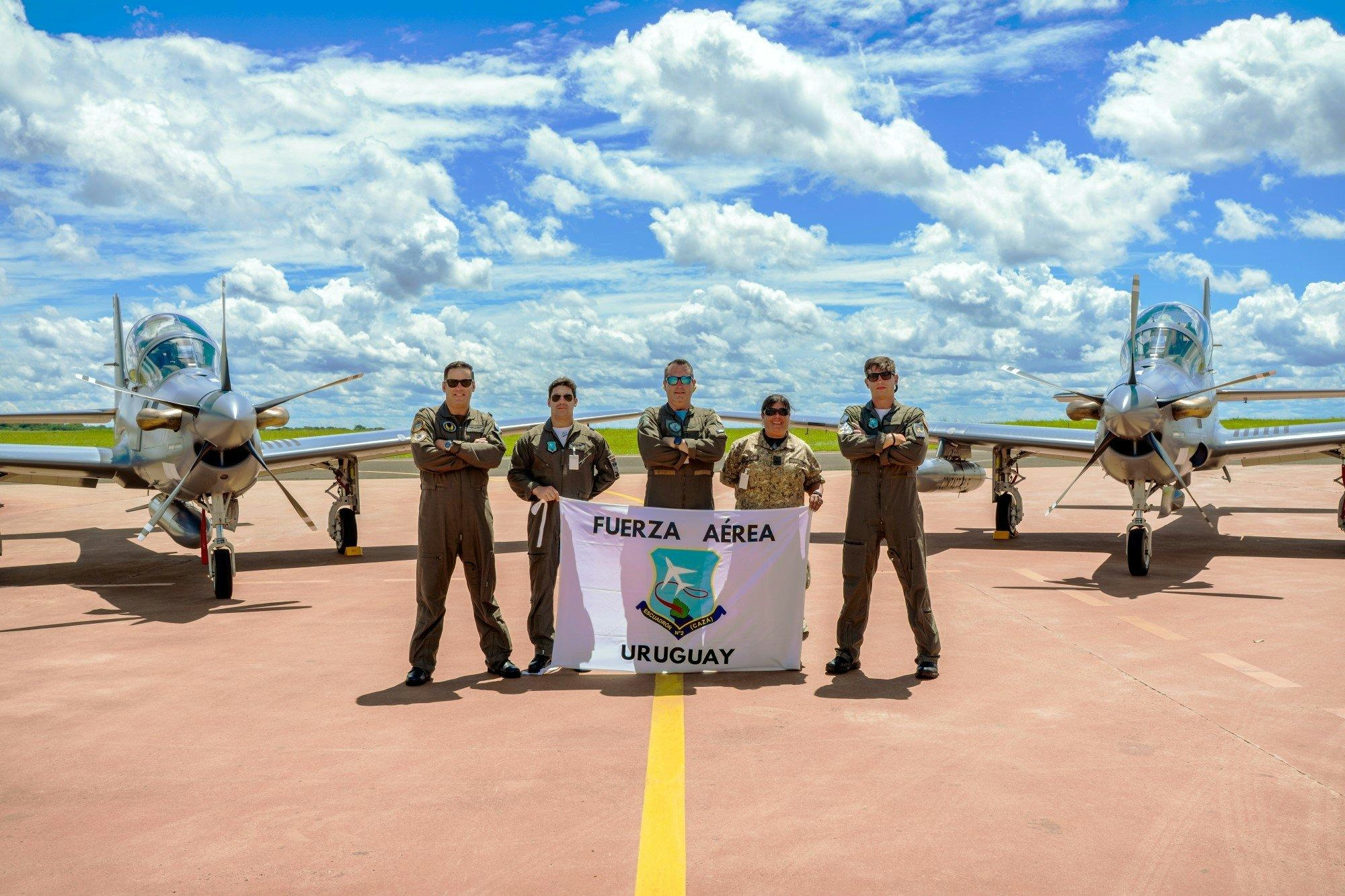
Uruguay Receives First Super Tucano Aircraft
Uruguay Receives First Super Tucano Aircraft
Embraer has delivered the first two A-29 Super Tucano aircraft to the Uruguayan Air Force (FAU), marking a pivotal advancement in the country’s efforts to modernize its aerial capabilities. This delivery forms part of a broader fleet renewal program aimed at enhancing the FAU’s operational readiness, with a particular emphasis on airspace surveillance and border protection.
Comprehensive Modernization Package
The contract, finalized at the end of 2024, encompasses not only the aircraft but also mission equipment, integrated logistics support services, and a flight simulator. This comprehensive package is intended to enable the FAU to fully exploit the operational potential of the new aircraft. The A-29 Super Tucano is widely regarded as a global leader in its class, having been adopted by 22 air forces worldwide and accumulating over 600,000 flight hours. Its reputation for performance, versatility, and cost-efficiency continues to attract interest from nations seeking to upgrade their air forces.
The aircraft is capable of executing a broad spectrum of missions, including advanced pilot training, close air support, air patrol, interdiction, Joint Terminal Attack Controller (JTAC) operations, armed intelligence, surveillance and reconnaissance (ISR), border surveillance, air escort, and counter-drone activities. Its robust design allows operation from unpaved runways and in austere environments with minimal infrastructure. Additionally, the Super Tucano’s reduced maintenance requirements and low life-cycle costs contribute to its enduring value.
Challenges and Regional Implications
Despite these advantages, Uruguay faces several challenges in integrating the Super Tucano into its fleet. Ensuring that pilots and ground crews receive adequate training will be essential for the effective operation and maintenance of the aircraft. The transition to such advanced platforms often demands significant investment in human resources and technical support.
The delivery has also attracted attention within the international defense market. Embraer’s success with the A-29 may stimulate increased interest from other countries considering similar fleet upgrades. In response, competing aircraft manufacturers are expected to intensify efforts to promote their own advanced combat aircraft to potential buyers who might otherwise consider the Super Tucano.
Uruguay’s acquisition occurs amid a period of heightened activity in the global defense sector. Recent major arms deals, including India’s extensive defense package and Indonesia’s procurement of Dassault Rafale fighters, are reshaping regional security dynamics. The introduction of the Super Tucanos in Uruguay adds a new dimension to this evolving landscape, potentially influencing defense strategies and procurement decisions across Latin America and beyond.
As Uruguay begins operating its new Super Tucanos, the focus will remain on integrating the aircraft into its defense framework while addressing the operational, training, and strategic challenges inherent in such a significant modernization effort.

Etihad Airways Suspends Airbus A380 Flights on Key Route

Aditya Birla Group Seeks Approval for Aircraft Leasing in GIFT City

Qatar Airways Highlights Innovation and Connectivity at Arabian Travel Market 2026

Hong Kong's Five-Year Plan Includes Andrew Fan's Aircraft Parts Processing Hub Proposal

ACIA Aero Leasing Delivers ATR72-600 to Air Nostrum

RTX Appoints Jill Albertelli as Head of Pratt & Whitney

TAT Technologies Joins Beyond Aero Hydrogen Aircraft Program

AURAK Study Highlights Barriers to Air Taxi Adoption in Emerging Economies

Xiamen Air Selects Altitude for 787 Maintenance at Heathrow

Etihad and Swissport Extend Global Partnership
