Image

Orchestrer les insights d’IA pour les transformer en actions

Inscrivez-vous dès aujourd’hui sur la liste d’attente d’AeroGenie !

Tendances

Categories

US and Leading Nations to Host Aviation Forum 2026 in Munich

June 17, 2026By ePlane AI
US and Leading Nations to Host Aviation Forum 2026 in Munich
0
0
Aviation Forum 2026
International Aviation Events
Aerospace Industry Collaboration

US and Leading Nations to Host Aviation Forum 2026 in Munich

The global aerospace industry is set to converge in Munich, Germany, as the city prepares to host the Aviation Forum 2026. This event is anticipated to become one of Europe’s most significant aviation gatherings, with the United States joining Germany, France, the United Kingdom, Canada, Italy, India, China, and other leading nations in supporting the forum. The event is expected to attract hundreds of international companies, procurement leaders, manufacturers, airlines, and supply chain executives, underscoring its importance on the global aviation calendar.

Building on the momentum generated by ILA Berlin, the Aviation Forum 2026 represents a strategic shift from traditional exhibition showcases toward fostering business collaboration. Executives from North America, Asia, the Middle East, and Europe will convene in Bavaria, reinforcing Munich’s reputation as a premier destination for international conventions. The forum is projected to welcome more than 950 participants, over 100 exhibitors and sponsors, and upwards of 70 speakers, generating significant business travel and providing a substantial boost to Munich’s hospitality and tourism sectors.

A Platform for Global Collaboration and Industry Challenges

The forum will be held under the theme “Shaping aviation excellence in a dynamic world: Resilient operations, smart technologies & strategic collaboration.” It aims to connect aircraft manufacturers, airlines, procurement executives, digital technology firms, AI innovators, and suppliers across the aviation value chain. The event’s strong international representation—including decision-makers from the US, Canada, Germany, France, Italy, Spain, the UK, Japan, South Korea, India, and China—positions it as a catalyst for cross-border investment, supplier partnerships, and long-term commercial relationships.

The forum arrives amid ongoing industry challenges. Engine delays, highlighted by airline executives at the International Air Transport Association’s annual meeting, continue to impact aircraft availability and fleet planning. Additionally, the sector’s dependence on jet fuel, a major operational cost, is under increased scrutiny due to volatile energy markets and growing environmental concerns. These issues are expected to be central to discussions, with market participants closely monitoring how manufacturers and airlines address these challenges.

Strategic Stakes and Broader Impacts

The Aviation Forum 2026 will also serve as a platform for competing nations to secure roles in future aircraft programs. Germany, for instance, is actively pursuing a significant share in Airbus’ Next-Generation Single-Aisle project. The event’s agenda is anticipated to address broader concerns, including the environmental impact and logistical complexities of hosting large-scale gatherings—topics of particular relevance as Munich prepares to host the 2026 FIFA World Cup.

Boost for Munich’s Convention Economy

The forum is expected to provide a substantial boost to Munich’s meetings and convention market. International delegates arriving through Munich Airport, one of Europe’s busiest aviation hubs, will drive demand for premium hotels, serviced apartments, and local hospitality services. This influx of global visitors will further cement Munich’s status as a leading center for business tourism and international events.

As the aerospace industry navigates a period of rapid transformation and mounting challenges, the Aviation Forum 2026 in Munich emerges as a pivotal event shaping the future of global aviation, business travel, and international collaboration.

More news
Advances in Medical Helicopter Services Improve Emergency Care Access in the Caribbean

Advances in Medical Helicopter Services Improve Emergency Care Access in the Caribbean

Advances in Medical Helicopter Services Improve Emergency Care Access in the Caribbean Providing timely healthcare across the Caribbean has long been hindered by the region’s distinctive geography. The archipelago’s numerous islands, separated by expansive ocean stretches, often leave communities isolated from major hospitals and specialized medical centers. While local healthcare providers remain indispensable, certain emergencies necessitate rapid transfer to advanced treatment facilities. In this context, emergency medical helicopter services have become a critical element of the Caribbean healthcare infrastructure. The Role and Impact of Air Medical Transport Geographical challenges significantly affect healthcare accessibility in the Caribbean. Although many islands maintain quality local medical services, advanced treatments and specialized surgeries are typically available only at larger hospitals located on other islands. Emergency medical helicopters serve as a vital link, bridging this gap by providing swift transportation for patients in urgent need. In life-threatening situations such as heart attacks, strokes, traumatic injuries, and severe illnesses, helicopters substantially reduce travel times compared to boats or ground transport, where every minute is crucial. Speed and Advanced Onboard Care The foremost advantage of helicopter emergency medical services lies in their speed and ability to circumvent road congestion and lengthy ferry routes. Helicopters can reach patients rapidly and transport them directly to appropriate medical facilities. Modern medical helicopters function as flying intensive care units, equipped with advanced technology including cardiac monitors, ventilators, oxygen delivery systems, intravenous therapy, and emergency medications. This capability enables medical teams to initiate lifesaving treatment during transit, thereby improving patient outcomes. Enhanced Communication and Navigation Technological progress is reshaping emergency medical services throughout the Caribbean. Improved communication systems facilitate seamless coordination among healthcare providers, dispatchers, pilots, and hospitals. Real-time data sharing allows medical teams to prepare effectively for incoming patients, while enhanced inter-island communication assists in selecting the most suitable destination based on available resources and specialist expertise. Innovations in GPS navigation and flight planning have further augmented the efficiency and safety of emergency medical flights. Challenges and Market Dynamics Despite these advancements, the expansion of medical helicopter services faces notable challenges. Regulatory complexities across various Caribbean jurisdictions can impede operations and slow development. Sustained investment is necessary to maintain and upgrade fleets, onboard medical equipment, and communication infrastructure. Furthermore, competition from established medical tourism companies, such as Medical Tourism Packages, is intensifying. These competitors may respond by enhancing their service offerings or expanding their networks, potentially increasing demand for emergency services and fostering price competition. Looking Ahead As emergency medical helicopter services continue to advance, they are expected to play an increasingly significant role in enhancing healthcare access across the Caribbean. By harnessing technological innovations, improving coordination, and addressing regulatory and competitive challenges, these services are helping to ensure that patients—whether residents or visitors—receive timely and lifesaving care when it is most needed.
Manna Air Delivery Receives SAIL III Operational Authorization from UK Civil Aviation Authority

Manna Air Delivery Receives SAIL III Operational Authorization from UK Civil Aviation Authority

Manna Air Delivery Secures SAIL III Operational Authorisation from UK Civil Aviation Authority Manna Air Delivery has achieved a significant regulatory milestone by becoming one of the first drone delivery companies to receive a SAIL III Operational Authorisation (OA) from the UK Civil Aviation Authority (CAA). This authorisation, granted under the Specific Operations Risk Assessment (SORA) framework, is reserved for drone operations requiring stringent regulatory oversight and comprehensive safety assurances. To obtain this certification, operators must submit extensive evidence covering operational, technical, and organisational aspects, including detailed risk assessments, safety cases, and independent evaluations. Regulatory Achievements and International Expansion This accomplishment builds on Manna’s history of pioneering regulatory approvals across Europe and the United States. In 2021, the company became the first drone delivery operator in Europe to secure a Light UAS Operator Certificate (LUC) from the Irish Aviation Authority, allowing it to self-authorise certain operations under European regulations. Since then, Manna has expanded its flight operations into additional European markets, including Finland, while maintaining active engagement with regulators on an international scale. The UK authorisation process involved an independent review supported by Marshall, acting as a Recognised Assessment Entity for Flightworthiness (RAE(F)). Kevin Houston, Manna’s Head of Regulation, described the approval as “an important milestone” that underscores the company’s dedication to the highest standards of safety and operational excellence. He emphasised the rigorous and professional nature of the UK CAA’s assessment process for advanced uncrewed aviation operations, noting that successful completion provides strong independent validation of Manna’s systems, procedures, technology, and organisational maturity. Houston also highlighted the collaborative efforts of the UK CAA, alongside regulatory guidance from Avtrain and the expertise of Marshall, which were instrumental in navigating the complex regulatory landscape. Challenges in the Post-Brexit Regulatory Environment Manna’s entry into the UK market occurs amid a challenging post-Brexit regulatory environment. The absence of mutual recognition agreements has resulted in increased costs and operational disruptions across the UK aviation sector, with trade associations expressing concerns over the impact of additional regulatory burdens. These challenges are expected to persist as drone operators adjust to evolving regulations and heightened compliance requirements. Market conditions may further complicate the landscape, as the UK aviation sector recorded historically high airline passenger numbers in the first quarter of 2026, despite ongoing geopolitical tensions in the Middle East. This surge in demand could encourage other drone operators to seek similar operational authorisations, aiming to capitalise on growth opportunities while managing the complexities of the UK’s post-Brexit regulatory framework. As Manna Air Delivery advances its UK operations, the company faces the task of balancing stringent regulatory compliance with operational efficiency, all while addressing increased scrutiny from industry stakeholders and competitors.
Albany International’s 3D Woven Fan Case Advances Turbine and Aerospace Technology

Albany International’s 3D Woven Fan Case Advances Turbine and Aerospace Technology

Albany International’s 3D Woven Fan Case Advances Turbine and Aerospace Technology Albany International has developed a 3D woven fan case for the LEAP engine, a critical yet often overlooked component housed within the nacelle of modern single-aisle aircraft such as the Airbus A320neo and Boeing 737 MAX. Constructed from carbon fiber, resin, and sophisticated textile geometries, this composite ring replaces traditional metal parts, offering substantial weight reductions and enhanced performance. Innovation in Aerospace Structural Components Although invisible to passengers, the 3D woven fan case plays a vital role in aircraft operation. It manages the intense airflow generated by the engine, secures essential systems, and contains fan blades in the unlikely event of failure. The component must endure extreme conditions, including high temperatures, vibrations, and impact forces. Unlike conventional engines that rely on heavy metallic rings, Albany’s composite design meets stringent safety requirements while significantly reducing weight, contributing to quieter take-offs and smoother flights. Advanced Manufacturing and Material Technology Albany International employs 3D weaving technology to interlace thousands of carbon fiber tows through the thickness of the preform, rather than layering fibers flatly. This process produces a near-net-shape textile that closely conforms to the curved geometry of the final fan case before resin infusion, thereby minimizing material waste and machining requirements. The through-thickness reinforcement is crucial for preventing delamination and absorbing shock loads, such as those caused by a detached fan blade, enhancing the durability and safety of the component. Enhancing Aircraft Efficiency and Performance The weight savings achieved by substituting metal with carbon composite in the LEAP fan case translate directly into operational benefits. Every kilogram reduced in the engine nacelle lowers fuel consumption, increases payload capacity, and can extend the aircraft’s range. Depending on the variant, the composite fan case reduces engine section weight by double-digit percentages. While the component remains unseen by pilots and passengers, its impact is felt through quieter cabins and improved fuel efficiency. For airlines, these improvements result in significant cost savings over thousands of flight cycles, both in fuel expenditure and maintenance. Market Position and Industry Competition The manufacturing process begins with multi-axis looms weaving dry fiber preforms, which are subsequently infused with resin and cured to meet exacting aerospace standards. This advanced production capability positions Albany International as a prominent player in the expanding aerostructures market, which is forecasted to reach $142.7 billion by 2035. Nevertheless, Albany faces intensifying competition as the aerospace industry rapidly embraces new materials and manufacturing techniques. Companies such as Velo3D and Aurelia Technologies are advancing additive manufacturing for turbine components, while GE Aerospace is developing next-generation RISE Technology blades. Additionally, Venus Aerospace has garnered attention for its rotating detonation rocket engine technology, underscoring the swift pace of innovation across the sector. Future Outlook As the aerospace industry continues to prioritize lighter, more efficient, and resilient components, demand for advanced composites and 3D woven structures is expected to grow. Albany International’s LEAP fan case exemplifies the transformative potential of textile engineering in aerospace applications. However, maintaining a competitive edge will require ongoing innovation amid accelerating technological progress and intensifying market competition.
LATAM Airlines Advances Digital Transformation with AI Technology

LATAM Airlines Advances Digital Transformation with AI Technology

LATAM Airlines Advances Digital Transformation with AI Technology LATAM Airlines Group, which recently hosted the 82nd IATA Annual General Meeting in Rio de Janeiro, is accelerating its digital transformation by integrating artificial intelligence (AI) and cloud computing across critical operational domains. The airline is harnessing these advanced technologies to improve efficiency and elevate the customer experience, spanning areas from aircraft maintenance to passenger services. Enhancing Operations Through AI Juliana Rios, Chief Information and Digital Officer at LATAM Airlines, revealed that AI has already produced substantial benefits, particularly in maintenance planning. By employing AI-driven scheduling to optimize A, B, and C maintenance checks, LATAM’s fleet of 380 aircraft has gained an additional 1,440 days of revenue service. Predictive asset management, which schedules maintenance based on flight cycles, airframe history, and real-time telemetry data, has unlocked nearly 1,500 extra flying days annually. This initiative, supported by partnerships with platforms such as Lufthansa Technik’s AVIATAR, has resulted in approximately $50 million in overhead cost savings. Transforming the Customer Experience Beyond operational efficiencies, LATAM’s digital transformation is significantly reshaping its customer engagement. The airline’s net promoter score (NPS), a key metric of customer satisfaction and loyalty, recently reached a record high of 54. Among premium customers, the NPS rises to 61, while digital interactions exceed a score of 70. LATAM has also invested $60 million in next-generation inflight connectivity through a partnership with Viasat, positioning itself as the first South American carrier to offer satellite-driven WiFi on intercontinental routes. A central element of LATAM’s digital strategy is the development of AI-powered concierge applications. Rios highlighted the deployment of chatbots designed to assist customers with comprehensive travel planning, including flight recommendations, hotel bookings, restaurant suggestions, and activity arrangements. The most advanced iteration of this concierge tool is currently being refined in select markets, with a broader rollout anticipated soon. “Customer engagement with LATAM starts sometimes months before travel,” Rios explained. “Building capabilities for smooth, inspiring interactions is a key differentiator.” Challenges and Market Response Despite the promising advances, LATAM’s rapid adoption of AI presents challenges. Industry experts at the Skift Data + AI Summit emphasize that successful digital transformation demands clear ownership, robust systems, and trust from both customers and employees. The airline continues to navigate operational and organizational complexities, particularly in integrating AI with legacy systems and workflows. Market reactions to LATAM’s digital initiatives have been mixed. While many investors and customers express optimism about the potential for enhanced efficiency and service, concerns remain regarding transparency and fairness, especially in relation to AI-driven dynamic pricing models. Competitors are responding in diverse ways; some are accelerating their own AI projects to remain competitive, while others adopt a more cautious stance, prioritizing customer trust and operational control during technology integration. Impact and Future Outlook Despite these challenges, LATAM’s commitment to digital innovation is delivering measurable results. In 2025, the airline served nearly 240,000 passengers daily, reflecting over 8% growth from the previous year and contributing to a 49% increase in net income compared to 2024. As LATAM continues to refine its AI-driven strategies, it is establishing a new benchmark for digital transformation within the South American aviation industry.
Comparing Cabin Widths of the Airbus A320neo and Boeing 737 MAX

Comparing Cabin Widths of the Airbus A320neo and Boeing 737 MAX

Comparing Cabin Widths of the Airbus A320neo and Boeing 737 MAX Cabin Dimensions and Passenger Comfort In the narrowbody aircraft segment, Airbus maintains a distinct advantage over Boeing with its A320 family, which features a notably wider cabin than the Boeing 737 series. The Airbus A320 family, introduced in the 1980s, has a fuselage cross-section measuring 13 feet (3.95 meters) and an internal cabin width of 12 feet 2 inches (3.7 meters). This cabin width remains consistent across all A320 variants, including the A319, A320, A321, and the newer A320neo models. By comparison, the Boeing 737, which first entered service in the 1960s, has an external fuselage width of 12 feet 4 inches and an internal cabin width of 11 feet 7 inches (3.54 meters). This results in a cabin approximately nine inches narrower than that of the A320. Both aircraft typically seat six passengers abreast in economy class, but the additional width of the A320 translates into a marginally more spacious environment for travelers. Despite this difference, passengers flying on low-cost carriers may not always perceive a significant variation in seat width. Much of the extra space in the A320 cabin is allocated to wider aisles and structural components such as sidewalls. Economy seats on the A320 generally measure between 17.5 and 18 inches in width, roughly half an inch wider than the 17 to 17.5 inches typical on the 737. Additionally, the A320’s seats tend to have less aggressive tapering at the hips and shoulders, which can contribute to a reduced sense of confinement. Range, Engine Technology, and Market Dynamics Beyond cabin dimensions, the A320neo family offers generally longer range capabilities compared to the 737 MAX series. For instance, the A321XLR variant boasts a range of up to 4,700 nautical miles, while the standard A321neo achieves approximately 4,000 nautical miles. In contrast, the longest-range 737 MAX currently in service, the MAX 8, has a maximum range of 3,500 nautical miles, with the uncertified MAX 7 projected to reach 3,800 nautical miles. Actual operational range varies depending on payload and other factors. Engine design further distinguishes the two aircraft families. The A320neo is powered by the larger CFM International LEAP-1A engines, whereas the 737 MAX utilizes the smaller LEAP-1B engines. Boeing is actively addressing cabin-smoke concerns associated with the 737 MAX through an upcoming software update for the LEAP-1B engine. Market considerations also play a significant role in the competition between these aircraft. The secondary market for landing gear parts remains stronger for older models, influencing airline fleet decisions. Boeing is currently ramping up 737 MAX production to 47 jets per month, with plans to increase output to 52 and potentially 70 per month. This escalation aims to keep pace with Airbus’ ambitious A320neo production targets. These production strategies underscore the intense rivalry as both manufacturers respond to growing demand and shifting airline preferences.
American Airlines Seeks Proposals for Widebody Aircraft Order

American Airlines Seeks Proposals for Widebody Aircraft Order

American Airlines Initiates Request for Proposals on Widebody Aircraft American Airlines has formally launched a request for proposals (RFP) from both Airbus and Boeing as it evaluates its next significant widebody aircraft acquisition. CEO Robert Isom announced the initiative during the airline’s 2026 annual meeting, framing it as a critical component of the company’s broader strategy to modernize and expand its internationally capable fleet. This move aims to ensure American remains competitive with key rivals such as Delta Air Lines and United Airlines. Isom emphasized the importance of timing in the decision-making process, noting that while American currently holds orders for 19 Boeing 787-9s with options for 28 additional units, the anticipated retirement of its Boeing 777 fleet in the 2030s necessitates early planning. “Now is the right time to define what comes next,” he stated, underscoring the lengthy lead times associated with widebody aircraft deliveries and the airline’s focus on long-term investments. Strategic and Financial Considerations Amid Industry Challenges The competition between Boeing and Airbus for American’s widebody contract is expected to be intense, reflecting the high stakes involved. The airline industry continues to grapple with challenges such as volatile fuel prices, which can significantly impact the cost-effectiveness of new aircraft purchases. Beyond acquisition costs, American must also consider the financial and operational implications of integrating new widebody jets, including maintenance demands, crew training, and adjustments to existing operational frameworks. Industry analysts suggest that American’s decision to seek proposals may invite closer scrutiny from investors regarding the airline’s financial health and strategic direction. Furthermore, this development could trigger competitive responses from Delta and United, potentially accelerating their own plans to expand widebody fleets in an effort to maintain market share. American Airlines currently operates a diverse fleet of 1,030 aircraft, comprising various models including Airbus A319-100s, A320-200s, A321 variants, Boeing 737-8s, 737-800s, 777-200ERs, 777-300ERs, and multiple 787 Dreamliner models. The company has not disclosed a specific timeline for finalizing its decision on the new widebody order.
Southwest Airlines to Complete Migration to AWS by 2028

Southwest Airlines to Complete Migration to AWS by 2028

Southwest Airlines to Complete Migration to AWS by 2028 Southwest Airlines has announced a strategic partnership with Amazon Web Services (AWS) to fully migrate its core operational systems, customer-facing platforms, and data infrastructure to the cloud by 2028. This initiative forms a central part of the airline’s broader strategy to develop an AI-driven, cloud-based operation. By leveraging AWS’s advanced tools, Southwest aims to enhance flight scheduling, improve customer interactions, and optimize internal decision-making processes. Embracing Digital Transformation As one of the leading low-cost carriers in the United States, Southwest’s migration to AWS reflects a wider industry trend toward digital transformation, automation, and sophisticated data management. The airline plans to deploy artificial intelligence models to streamline flight operations, manage disruptions more effectively, and elevate the overall customer experience. This long-term technology roadmap is expected to influence how Southwest allocates capital and prioritizes projects through the remainder of the decade. Despite the promising outlook, the migration poses significant challenges. Integrating AWS with Southwest’s existing legacy systems will require meticulous planning to ensure seamless operations and uninterrupted service. The financial implications of transitioning to a new cloud provider also warrant close attention, particularly in managing costs while maintaining service continuity. Investors are likely to monitor key milestones such as system migrations, the introduction of AI-enabled features, and updates on operational use cases linked to the cloud transition. Competitive Dynamics and Strategic Implications The competitive landscape in the airline industry is rapidly evolving, with rivals adopting innovative technologies to enhance passenger experience. For instance, American Airlines has partnered with SpaceX’s Starlink to improve in-flight Wi-Fi connectivity, underscoring the sector’s race to integrate cutting-edge solutions. Southwest’s strategic focus on expanding long-haul international flights and introducing new amenities, including airport lounges, may further shape its technological approach and competitive positioning. For investors, Southwest’s infrastructure overhaul could have significant implications for operational efficiency, disruption management, and customer satisfaction. As the company advances its AWS migration, stakeholders will be closely watching for tangible benefits arising from this digital transformation. Market Overview Southwest Airlines currently trades at $46.66 per share, approximately 1.6% above the analyst target of $45.95, within a trading range of $30 to $60. Despite recent gains, the stock remains 56.9% below an internal fair value estimate. Over the past 30 days, the share price has increased by 21.6%, reflecting positive momentum amid the company’s ongoing technological initiatives. As Southwest embarks on this significant cloud migration, both investors and industry observers will be attentive to its progress and the broader implications for the airline’s future competitiveness.
Stephens-Owned Aptus Aero Acquires Aviation Repair Firm

Stephens-Owned Aptus Aero Acquires Aviation Repair Firm

Stephens-Owned Aptus Aero Expands Aviation Repair Capabilities with EMC Aerospace Acquisition Aptus Aero LLC, a portfolio company of Stephens Group LLC, has announced the acquisition of EMC Aerospace Inc., a North Miami Beach-based provider specializing in component maintenance, repair, and overhaul (MRO) services for the aviation sector. EMC Aerospace operates as a certified repair station, servicing a broad range of aircraft components including power-generation, pneumatic, hydraulic, and fuel systems. The company supports passenger, cargo, and military customers worldwide across all major aircraft platforms. This acquisition represents Aptus Aero’s second strategic purchase this year, following its earlier acquisition of Atlas Aerospace Accessories LLC. The move aligns with Aptus Aero’s broader objective to establish itself as a leading provider of highly engineered component repairs within the aviation market. Aptus Aero CEO Dale Gabel emphasized the significance of the deal, stating that combining EMC’s extensive repair expertise and part sourcing capabilities with Aptus Aero’s corporate infrastructure marks a substantial advancement for the company. Financial details of the transaction were not disclosed. Strategic Growth and Industry Context Founded in 2026 by The Stephens Group, Aptus Aero focuses on acquiring and developing premier component MRO service providers. Jack Nadal, managing director at Stephens Group, highlighted the importance of the EMC acquisition in advancing Aptus Aero’s mission to deliver best-in-class component MRO services. He noted that EMC’s established presence and technical capabilities complement Aptus Aero’s vision of assembling the right talent and resources to serve a global customer base effectively. Eddie Monserrat, president of EMC Aerospace, expressed confidence in the partnership, describing Aptus Aero as rapidly emerging into a premier aviation component MRO provider and expressing optimism about future growth prospects. The acquisition occurs amid a broader wave of consolidation within the aviation MRO industry. Major competitors such as Steiner Aviation and VSE Corporation have recently expanded their maintenance capacities through acquisitions, including VSE’s $2 billion purchase of Precision Aviation Group and StandardAero’s acquisition of Unified Turbines. In Europe, Lufthansa’s acquisition of ITA further exemplifies the global trend toward consolidation, intensifying competitive pressures and compelling firms like Aptus Aero to adapt swiftly to evolving market dynamics. As Aptus Aero integrates EMC Aerospace, it faces challenges including the seamless incorporation of new operations, adherence to stringent regulatory standards, and management of rising operational costs. Industry analysts anticipate that competitors may respond with additional strategic partnerships or acquisitions to bolster their repair capabilities. Despite these challenges, Aptus Aero’s acquisition of EMC Aerospace underscores its commitment to expanding its presence and technical expertise within the global aviation MRO market.
The Aircraft Poised to Replace the World’s First Partial Double-Deck Jetliner

The Aircraft Poised to Replace the World’s First Partial Double-Deck Jetliner

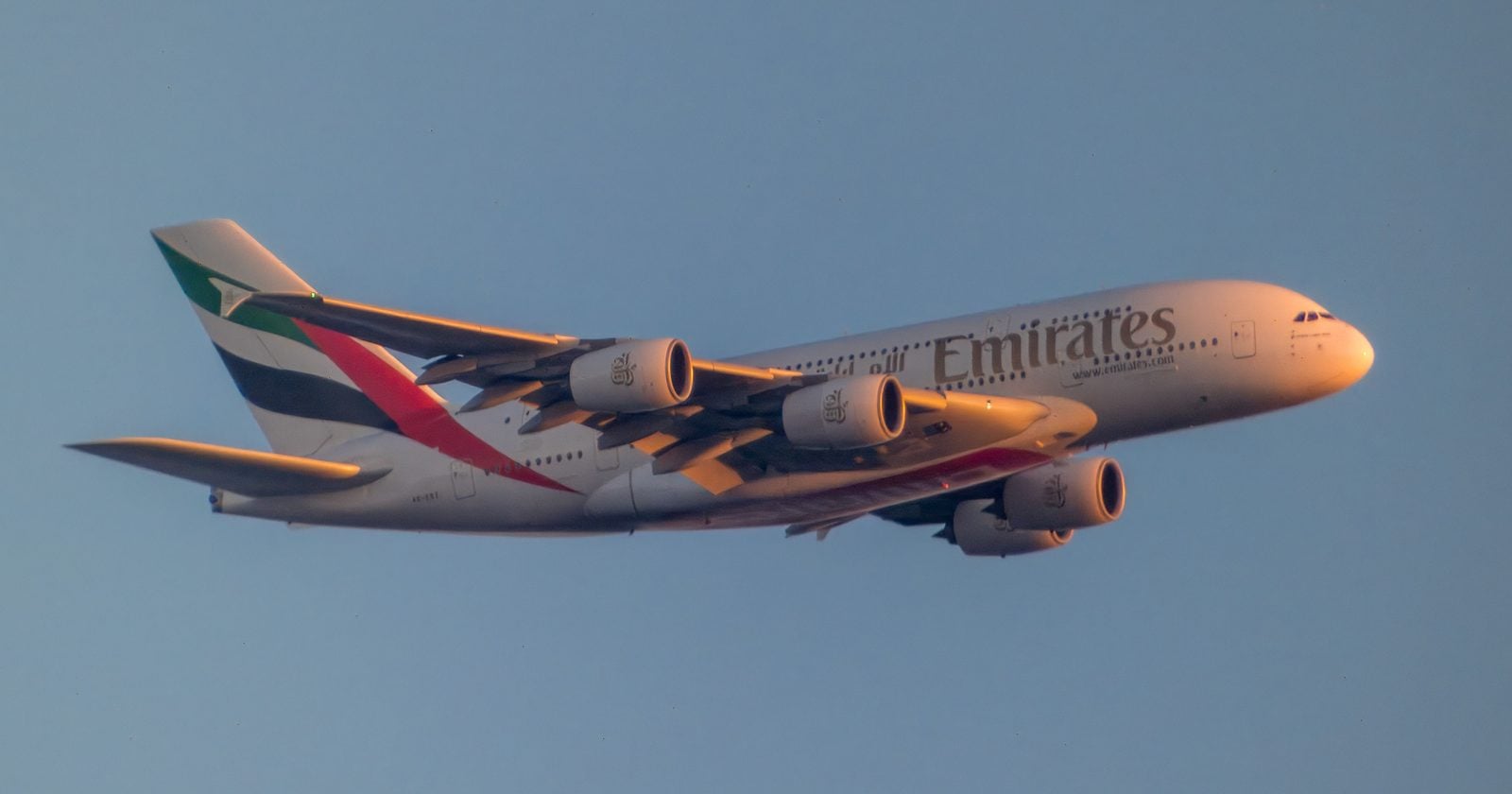
The Aircraft Poised to Replace the World’s First Partial Double-Deck Jetliner Few aircraft have left as profound an imprint on the history of aviation as the Boeing 747, famously known as the "Queen of the Skies." Since its commercial introduction with Pan Am in 1970, this partially double-decked, four-engine widebody revolutionized long-haul air travel. It became a flagship for airlines worldwide, symbolizing the dawn of a new era in global connectivity by transporting millions of passengers across continents. Over 1,500 Boeing 747s have been delivered since its maiden flight in 1969, encompassing several variants such as the original 747-100, the shortened 747SP, the widely used 747-400, and the latest 747-8. These models have served both passenger and cargo markets with distinction. While the 747 remains a cornerstone for cargo operations, most passenger airlines have phased out the type, a trend accelerated by the COVID-19 pandemic’s impact on travel demand. Currently, only four passenger carriers—Lufthansa, Korean Air, Air China, and Russia’s Rossiya Airlines—continue to operate the 747. Lufthansa, for instance, plans to retire its remaining 747-400s by 2028 as it transitions to more modern aircraft. The Boeing 777X: The Natural Successor As the era of the 747 approaches its conclusion, attention turns to its successor. The Boeing 777X, particularly the 777-9 variant, is widely regarded as the most viable replacement in terms of capacity and operational efficiency. Boeing highlights the 777-9’s ability to accommodate up to 426 passengers in a two-class layout, making it an attractive option for airlines aiming to sustain high-capacity, long-haul routes. This aircraft is positioned to carry forward the legacy of the 747 by combining advanced technology with improved fuel efficiency. The Airbus A380 and Industry Transitions The Boeing 747 is not the only iconic double-deck jetliner undergoing transition. The Airbus A380, the world’s first full-length double-deck passenger aircraft, is also nearing the end of its production. Emirates, the largest operator of the A380, has recently begun retrofitting its fleet to include premium economy cabins on the upper deck. This move reflects both the aircraft’s adaptability and Emirates’ commitment to enhancing passenger comfort, underscoring the A380’s continued relevance even as the industry increasingly favors more fuel-efficient, twin-engine aircraft. Challenges in the Transition to New Aircraft The shift to next-generation aircraft is accompanied by significant challenges. Airbus has encountered supply-chain disruptions that have delayed the delivery of the first of twelve specially adapted A350-1000s to Qantas. These delays have pushed back the airline’s ambitious plans for nonstop flights from Australia to London and New York. Additionally, operational incidents such as Lufthansa’s recent Boeing 787 nose-gear collapse, which resulted in injuries to staff, have raised concerns about the reliability of newer aircraft models. Such events may influence airlines’ fleet decisions and the pace at which they retire older aircraft. These developments illustrate the complexities faced by airlines as they phase out iconic double-deckers like the 747 and A380. While aircraft such as the Boeing 777X and Airbus A350-1000 are poised to assume their roles, ongoing supply-chain issues and operational setbacks are likely to shape the trajectory of this transition. The enduring legacy of the 747 and A380 will continue to inform the future of long-haul air travel as the industry evolves.
Aviation’s hybrid moment has finally arrived

Aviation’s hybrid moment has finally arrived

Aviation’s Hybrid Moment Has Finally Arrived Addressing Aviation’s Emissions Challenge The aviation industry is confronting an escalating emissions challenge, with hybrid-electric propulsion emerging as a promising solution. Supported by the Clean Aviation Joint Undertaking—a collaborative initiative between the European Commission and the aviation sector—four major EU-funded projects are working to demonstrate the feasibility of hybrid-electric regional aircraft by 2030. These efforts represent a significant step toward reducing the environmental impact of air travel, a sector responsible for approximately 2.5% of global carbon emissions, a figure that continues to rise alongside increasing passenger demand. Unlike road transport, which is rapidly advancing toward decarbonization, aviation remains a difficult sector to transform. Emissions released at cruising altitudes have a disproportionately greater warming effect compared to those at ground level, intensifying the urgency for innovation. Laure Dupire, project manager at ATR—a European manufacturer specializing in regional aircraft—emphasizes the critical nature of this transition. “If no action is taken, the emissions and climate impacts of aviation will keep increasing,” she stated. “The aviation sector has set itself the goal of achieving climate neutrality by 2050. We cannot meet those objectives without new technologies.” Pioneering Hybrid-Electric Regional Aircraft The four Clean Aviation co-funded projects—PHARES, DEMETRA, OSYRYS, and HERACLES—are each addressing distinct technical challenges associated with hybrid-electric flight. Their collective ambition is to develop an ultra-efficient regional aircraft capable of reducing emissions by up to 30% compared to current models. This reduction will be achieved by combining conventional combustion engines with electric propulsion, moving beyond traditional aircraft designs. Building on prior EU-funded research that established foundational hybrid architectures and tackled issues such as heat management, these projects are transitioning from theoretical frameworks to practical application. The focus now lies in constructing, integrating, and flight-testing the new technologies. ATR, a joint venture between Airbus and Leonardo, coordinates two of these initiatives. Dupire leads DEMETRA, which aims to develop a flight test demonstrator to validate the hybrid-electric technologies. Meanwhile, aerospace engineer Alessandro Sgueglia heads HERACLES, tasked with integrating these innovations into a cohesive aircraft concept. ATR is also responsible for overseeing battery selection, performance optimization, and system integration. Sgueglia highlights the anticipated benefits of the new design: “This new design will reduce emissions by 30%, while delivering performance and range comparable to, or better than, today’s regional aircraft.” The PHARES project focuses on the hybrid-electric propulsion system itself, expected to contribute up to 20% of the emissions reduction. The remaining 10% is projected to come from airframe improvements, including novel fuselage and wing designs. Challenges and the Path Forward Despite the promising outlook, the transition to hybrid aviation faces significant hurdles. Startups in this emerging field encounter difficulties securing sufficient funding, scaling production, and competing with established aerospace players from China and the United States. Market responses have been mixed; while some investors and airlines support innovative ventures, others have experienced setbacks, exemplified by the recent bankruptcy of Maeve Aerospace. Established competitors continue to leverage government backing and technological advancements to maintain their market positions. Industry leaders and policymakers are urging the European Union to establish robust frameworks that support research, development, and market creation. Such measures are deemed essential to ensure Europe’s leadership in next-generation aircraft technologies. As the aviation sector accelerates toward its 2050 climate neutrality target, the success of these hybrid-electric projects could represent a defining moment in the pursuit of sustainable flight.
line