
Orchestrer les insights d’IA pour les transformer en actions

Tendances
Categories
U.S. Challenges China, Australia, and Canada Over Critical Minerals Amid New Supply Rules Impacting Aircraft Production

U.S. Challenges China, Australia, and Canada Over Critical Minerals Amid New Supply Rules Impacting Aircraft Production
Strategic Shift in U.S. Supply Chain Policy
The United States is intensifying efforts to reduce its reliance on foreign sources of critical minerals, directly challenging China, Australia, and Canada amid new supply chain regulations poised to transform aircraft production and sustainable aviation. A recent executive order, effective from July 2026, prohibits defense contractors from sourcing critical minerals from China and other designated countries. This marks a significant realignment in U.S. procurement policies, emphasizing supply chain security and national defense priorities.
This policy shift emerges against a backdrop of escalating global competition for essential minerals such as rare earth elements, lithium, cobalt, nickel, graphite, and gallium. These materials are indispensable to advanced industries, underpinning everything from defense systems and electronics to aircraft components, electric aviation technologies, and renewable energy infrastructure.
Implications for the Aviation Industry
The aviation sector faces particularly high stakes in this evolving landscape. Modern aircraft manufacturing, exemplified by Boeing’s 787 Dreamliner, depends on a complex international network and access to specialized materials. Ensuring secure and stable supplies of critical minerals is vital not only to sustain current production levels but also to support future fleet expansion and the advancement of cleaner, more sustainable aviation technologies.
Although immediate effects on travelers are expected to be minimal, industry experts caution that persistent shortages or price fluctuations in critical minerals could eventually impact manufacturing costs, delivery schedules, and the pace of innovation in sustainable aviation. Airlines and manufacturers are closely monitoring these developments, aware that supply chain disruptions could hinder their capacity to meet growing global demand for air travel.
Geopolitical and Market Dynamics
Navigating these challenges is complicated by intricate geopolitical dynamics, particularly China’s dominant position in global mineral supply chains. The U.S. government’s policy reflects growing concerns over China’s economic practices and the risks associated with overdependence on foreign-controlled resources. This has already contributed to increased volatility in critical mineral markets, as nations and corporations seek alternative sources to mitigate supply risks.
Australia and Canada, both significant players in the critical minerals sector, are reassessing their strategies in response to the new U.S. regulations. These countries are exploring alternative partnerships and supply routes to minimize potential disruptions to aircraft production and preserve their competitiveness in the global market.
The intersection of geopolitics, resource security, and aviation manufacturing is highlighted by recent logistical achievements, such as the arrival of up to 48 Boeing 787 aircraft in a single day—a feat made possible by intricate supply chains and access to advanced materials. As the United States tightens controls on foreign mineral dependence, the aviation industry confronts a period of uncertainty that may influence the cost, technology, and sustainability of future air travel.
While no immediate disruptions to flights are anticipated, the evolving global competition for critical resources and shifting international alliances underscore the potential for far-reaching consequences in the next era of international aviation.

Etihad and Swissport Extend Global Partnership
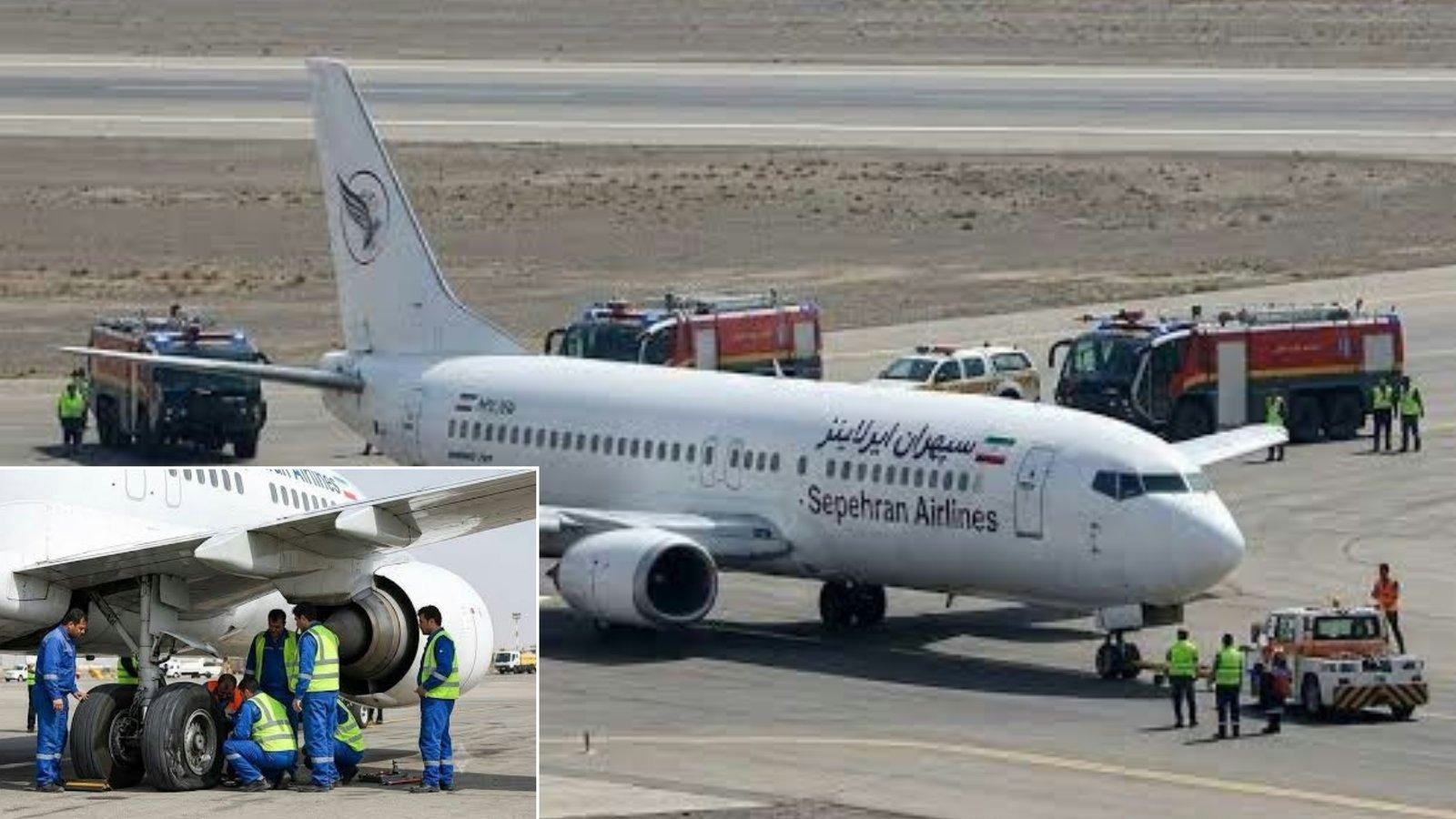
Sepehran Airlines B737 Returns to Mashhad After Tyre and Engine Issues

Etihad Deploys Widebody Fleet to Meet Strong Demand
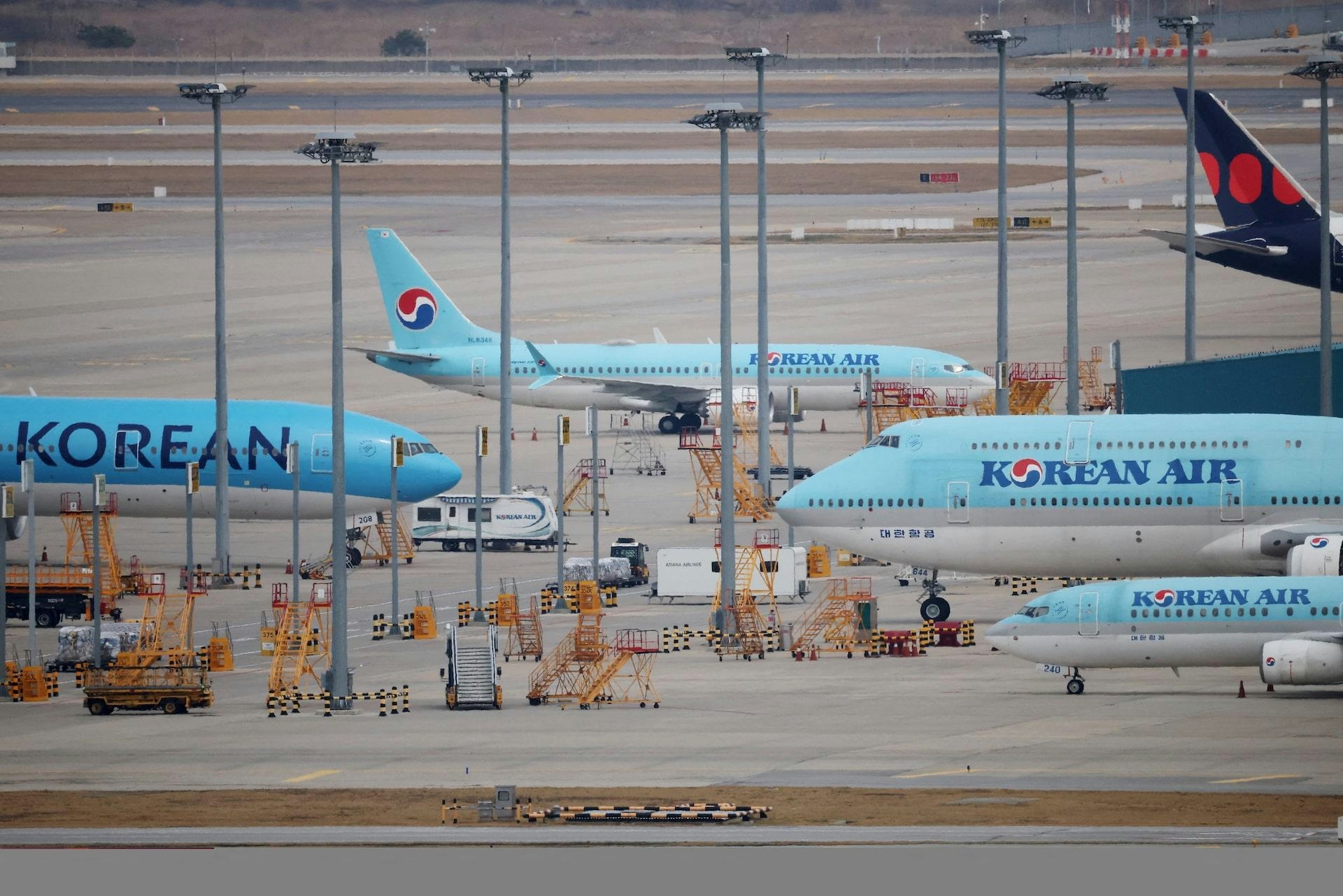
Korean Air Finalizes $36.2 Billion Deal with Boeing

Australia’s RFDS Queensland Section Orders Six King Air 260Cs

Korean Air Finalizes Order for 103 Boeing Jets and Engines
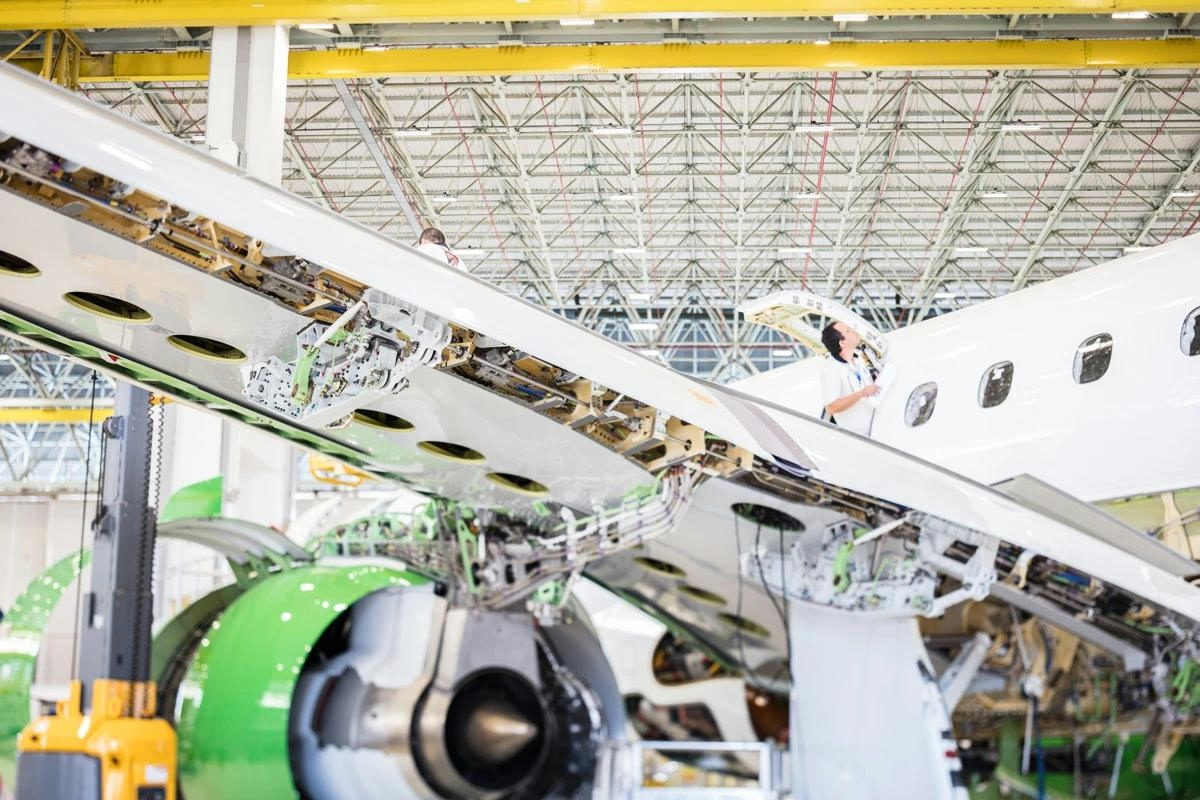
Embraer E195-E2 Features Distinctive Engine Placement Among Regional Jets

What Passengers Can Expect on Boeing’s New 777X Jet

How Ethiopian Airlines Became Africa’s Leading Carrier Amid Gulf Competition

Joby Aviation Extends Autonomous Flight Capabilities with Cross-Country Tour
