
Orchestrer les insights d’IA pour les transformer en actions

Tendances
Categories
Vietjet Expands Fleet with Delivery of 22 Aircraft
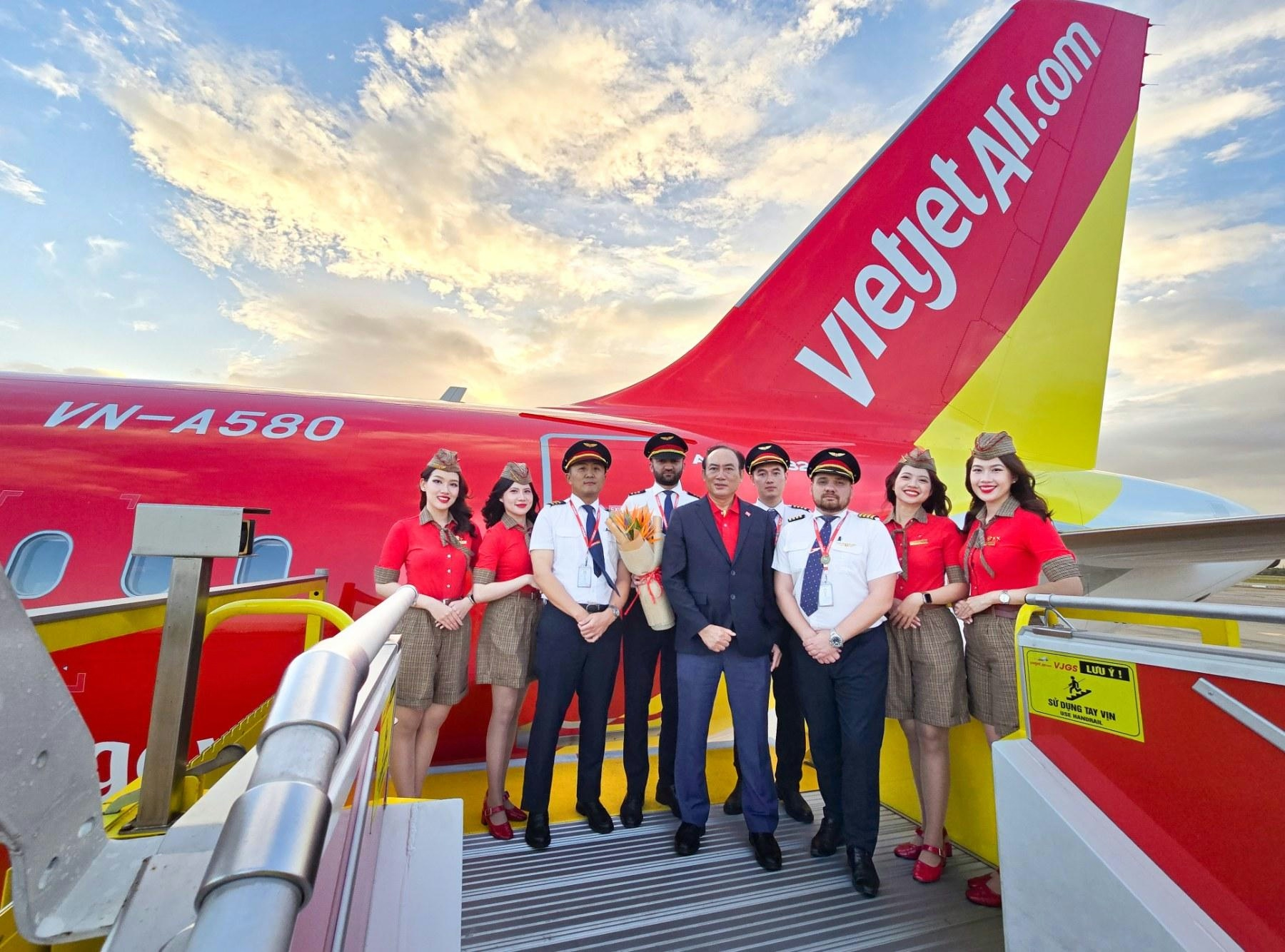
Vietjet Expands Fleet with Delivery of 22 Aircraft Amid Industry Challenges
Vietnamese low-cost carrier Vietjet is poised to conclude 2025 with its largest fleet expansion to date, as it prepares to receive 22 new aircraft before the end of the year. The latest addition, an Airbus A321neo ACF registered as VN-A580, is expected to arrive this Christmas, marking a significant milestone for the airline amid ongoing global aircraft shortages and supply chain disruptions.
Strategic Allocation and Network Growth
The newly acquired aircraft will be strategically distributed across Vietjet’s operations to enhance network capacity and operational flexibility. Nine Boeing aircraft are designated for Vietjet Thailand, while seven next-generation Airbus jets will bolster the Vietnam-based fleet. Additionally, four wet lease aircraft will be deployed to manage peak travel periods, and two COMAC aircraft will be dedicated to servicing routes to Con Dao.
This expansion coincides with the launch of ACMI operations by BBN Airlines Thailand, with Vietjet Thailand as its inaugural partner. The timing is particularly significant as it precedes the Lunar New Year 2026, a period traditionally marked by heightened travel demand. Vietjet aims to capitalize on this increased capacity to accommodate seasonal surges and support its growing international network.
Industry Challenges and Competitive Landscape
Vietjet’s ambitious fleet growth unfolds against a challenging backdrop for the global aviation industry. Airlines worldwide continue to face aircraft shortages and delivery delays, compounded by persistent supply chain issues. The recent grounding of certain Airbus A320-series aircraft due to fuselage panel quality concerns has further complicated supply reliability, potentially affecting delivery schedules for carriers globally.
Despite these obstacles, Vietjet’s ability to secure 22 aircraft within a single month highlights its strong financial position and solid relationships with manufacturers and lessors. This expansion intensifies competition within the low-cost carrier segment, where rivals such as Wizz Air are recalibrating growth plans in response to engine groundings and deferred deliveries. Meanwhile, regional competitors like Air Astana are modernizing their fleets with Airbus A320neo-family aircraft, reflecting a broader industry trend toward newer, more fuel-efficient models.
Modernization and Market Positioning
The incoming aircraft primarily consist of modern, fuel-efficient models, reinforcing Vietjet’s status as one of Southeast Asia’s larger carriers. Since its inception just over a decade ago, the airline has rapidly expanded its fleet to challenge more established regional players. The additional capacity will support both domestic routes within Vietnam and international connections across the Asia-Pacific region, aligning with the ongoing recovery and rising travel demand following the pandemic.
Vietjet’s fleet expansion underscores its strategic focus on strengthening its presence in the competitive regional aviation market while effectively navigating the operational and supply chain challenges confronting the industry.

Etihad Airways Suspends Airbus A380 Flights on Key Route

Aditya Birla Group Seeks Approval for Aircraft Leasing in GIFT City

Qatar Airways Highlights Innovation and Connectivity at Arabian Travel Market 2026

Hong Kong's Five-Year Plan Includes Andrew Fan's Aircraft Parts Processing Hub Proposal

ACIA Aero Leasing Delivers ATR72-600 to Air Nostrum

RTX Appoints Jill Albertelli as Head of Pratt & Whitney

TAT Technologies Joins Beyond Aero Hydrogen Aircraft Program

AURAK Study Highlights Barriers to Air Taxi Adoption in Emerging Economies

Xiamen Air Selects Altitude for 787 Maintenance at Heathrow

Etihad and Swissport Extend Global Partnership
